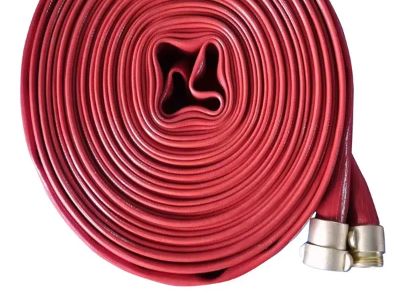
Fire hoses are critical safety equipment designed to deliver water or other fire-retardant materials to extinguish fires. For manufacturers, understanding and meeting traceability requirements for fire hose manufacturing and quality assurance is esse...
VIEW MORE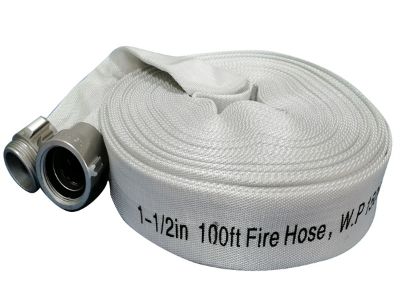
Fire hoses play a critical role in firefighting, particularly in confined spaces where accessibility and control are paramount. Understanding how fire hose construction supports confined-space firefighting is essential for purchasing managers, safety...
VIEW MORE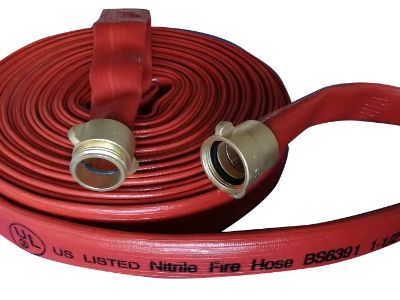
Understanding fire hose requirements for mining and heavy industrial environments is crucial for ensuring safety and compliance. These hoses serve as the frontline defense in fire emergencies, making it essential for B2B buyers, such as purchasing ma...
VIEW MORE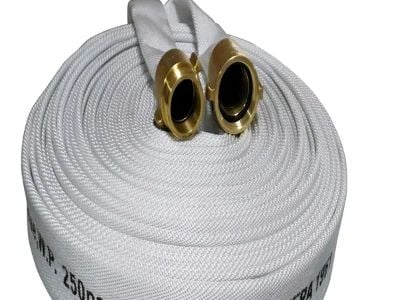
Fire hose design considerations for high-rise building fire systems are crucial for ensuring effective fire protection and safety. As urban centers continue to grow taller, fire safety protocols must adapt to the complexities of high-rise structures....
VIEW MORE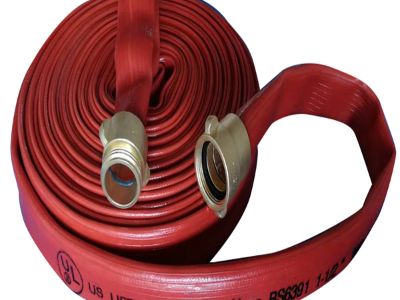
Evaluating fire hose resistance to oil, fuel, and industrial chemicals is crucial for ensuring safety and efficiency in various applications. As a buyer, your main concerns likely include understanding the specifications necessary for your intended u...
VIEW MORE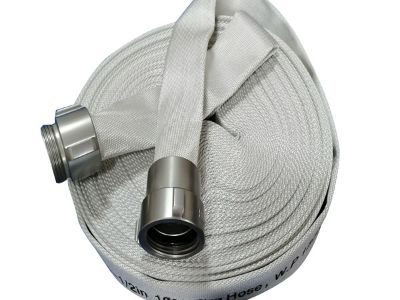
Understanding how UV exposure impacts the service life of fire hoses is critical for purchasing managers and engineers in the firefighting industry. Fire hoses must endure various environmental challenges, and UV radiation can significantly affect th...
VIEW MORE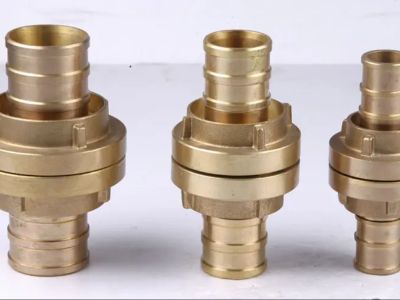
Understanding fire hose coupling compatibility is crucial for system integrators tasked with ensuring efficient and reliable fire protection systems. This article delves into key interface parameters that affect fire hose coupling compatibility, addr...
VIEW MORE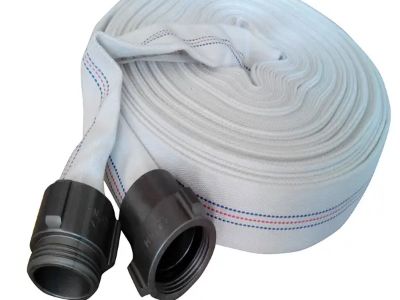
Understanding how reinforcement layers determine fire hose pressure stability is essential for B2B buyers in the fire safety industry. Fire hoses are critical for effective firefighting and emergency response, and their performance can be significant...
VIEW MORE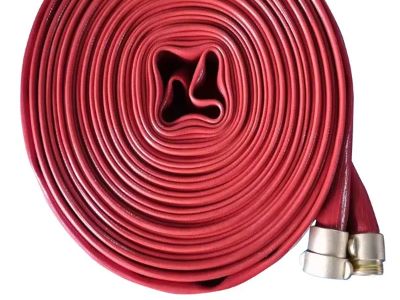
Understanding fire hose lining technologies for abrasion and chemical resistance is essential for organizations looking to enhance the safety and efficiency of their fire-fighting efforts. Fire hoses are critical tools in emergency response, and the ...
VIEW MORE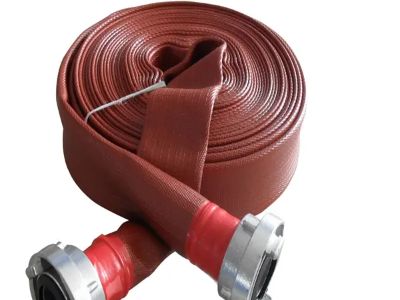
Understanding how hose diameter affects firefighting flow rate and system performance is crucial for ensuring effective fire suppression. The diameter of the hose directly influences the volume of water that can be transported, which in turn affects ...
VIEW MORE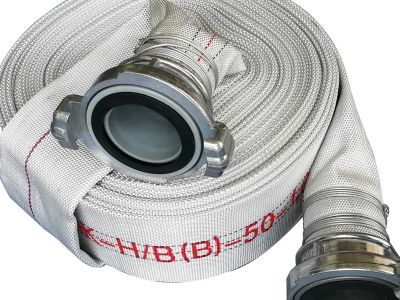
Selecting the right fire hose material is critical for ensuring performance and reliability in emergency situations. This article on Fire Hose Material Selection: Evaluating EPDM, PVC, TPU, and Rubber Constructions will provide insights into the bene...
VIEW MORE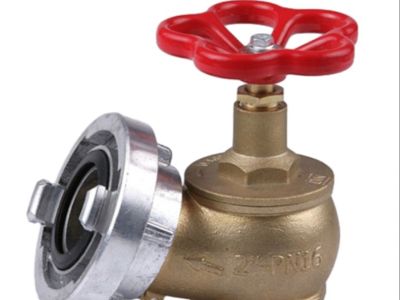
Fire hydrants are really important for fighting fires and keep our communities safe. They made from different materials, but two most common is cast iron and ductile iron. Both have their strengths and weak points. So we will look at differences betw...
VIEW MORE
Welcome to Jiangsu Nantong Longtao, we are a leading manufacturer specialize in fire hoses, fire hydrants and fire boxes.
No.888 Renmin South Road, Dayu Town,Rudong County, Nantong City, Jiansu Province
Copyright © EVERBRIGHT FIRE-FIGHTING EQUIPMENT(NANTONG)CO., LTD. All Rights Reserved

 EN
 AR
 FR
 DE
 KO
 CS
 DA
 NL
 FI
 EL
 IT
 JA
 NO
 PL
 PT
 RO
 RU
 ES
 SV
 TL
 IW
 ID
 LV
 LT
 SR
 SK
 SL
 UK
 SQ
 ET
 HU
 TH
 TR
 FA
 AF
 IS
 MK
 KA
 UR
 BN