
 EN
EN
 AR
AR
 FR
FR
 DE
DE
 KO
KO
 CS
CS
 DA
DA
 NL
NL
 FI
FI
 EL
EL
 IT
IT
 JA
JA
 NO
NO
 PL
PL
 PT
PT
 RO
RO
 RU
RU
 ES
ES
 SV
SV
 TL
TL
 IW
IW
 ID
ID
 LV
LV
 LT
LT
 SR
SR
 SK
SK
 SL
SL
 UK
UK
 SQ
SQ
 ET
ET
 HU
HU
 TH
TH
 TR
TR
 FA
FA
 AF
AF
 IS
IS
 MK
MK
 KA
KA
 UR
UR
 BN
BN
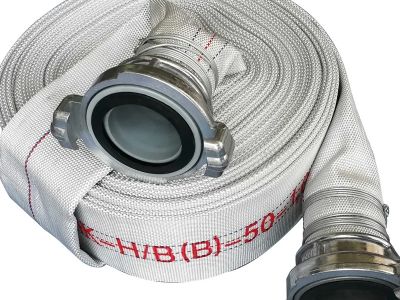
Selecting the right fire hose material is critical for ensuring performance and reliability in emergency situations. This article on Fire Hose Material Selection: Evaluating EPDM, PVC, TPU, and Rubber Constructions will provide insights into the benefits and specifications of these materials, guiding purchasing managers and engineers in making informed decisions. Understanding the unique properties of each material can help address buyer concerns regarding durability, application suitability, and maintenance needs.
EPDM, PVC, TPU, and Rubber Benefits
When it comes to fire hose materials, each option presents distinct advantages.
EPDM (Ethylene Propylene Diene Monomer) is known for its excellent weather resistance and durability. It withstands extreme temperatures and UV exposure, making it ideal for outdoor use. Its flexibility and resilience ensure that it remains functional even in harsh conditions.
PVC (Polyvinyl Chloride) hoses are lighter and more affordable, providing a good balance of performance and cost. They are resistant to abrasion and have a decent chemical resistance, which makes them suitable for various applications, including irrigation and industrial uses.
TPU (Thermoplastic Polyurethane) combines the strength of rubber and the processing advantages of thermoplastics. TPU hoses offer superior abrasion resistance and flexibility while remaining lightweight. They are often favored in applications requiring high flexibility and wear resistance.
Rubber hoses are traditionally known for their strength and durability. They can handle high pressures and are resistant to various chemicals and temperatures. However, they can be heavier and potentially more expensive than synthetic alternatives.
Understanding these benefits allows buyers to align their choice with the specific requirements of their applications, whether that be for firefighting, irrigation, or industrial use.
Key Specifications and Features
When evaluating fire hose materials, several key specifications must be considered:
Pressure Rating: This indicates the maximum pressure the hose can handle. It's vital for ensuring the hose will perform safely under operational conditions. Buyers should confirm this rating based on their specific application needs.
Diameter: The internal diameter affects both flow rate and pressure. A larger diameter allows for more water flow but may require larger couplings and fittings.
Length: Consideration of the length needed is essential for effective operation in various scenarios. canvas fire hose for sale are typically available in various lengths, and buyers should assess the operational range required.
Weight: Weight can impact ease of handling and deployment. A lighter hose may be easier to maneuver but could sacrifice some durability.
Abrasion and Chemical Resistance: Depending on the environment in which the hose will be used, buyers should evaluate the material's resistance to specific chemicals and wear to ensure longevity and performance.
By understanding these specifications, buyers can make informed decisions that align with their operational needs.
What to Look For?
When selecting a fire hose, buyers should focus on several key factors:
Application Suitability: Ensure the selected material is compatible with the intended use. For instance, EPDM may be preferred for outdoor firefighting, while PVC might be more suitable for irrigation.
Customization Options: Many manufacturers offer custom hoses tailored to specific applications. Buyers should inquire about customization capabilities related to length, diameter, and material composition.
Quality Assurance: Look for manufacturers with robust quality control processes. Certifications and testing results can provide assurance of the hose's durability and performance.
Manufacturer Reputation: Consider the manufacturer’s experience and expertise in the industry. A manufacturer like Jiangsu Nantong Longtao Fire-Hose Group Co., Ltd. has a proven track record, producing a variety of canvas fire hose with designated quality standards.
Cost Considerations: While price is an important factor, it should not be the sole consideration. Evaluate the total cost of ownership, including durability and maintenance needs, rather than just initial purchase price.
These considerations will aid in selecting the most appropriate fire hose for specific operational requirements.
A Buyer’s Guide
Preparing for a Request for Quotation (RFQ) is crucial for a successful procurement process. Buyers should gather the following information:
Product Type: Clearly specify whether you need lined, double-coated, spray, or garden hoses.
Specifications: Include details on required pressure rating, diameter, and length.
Quantity: Determine the total number of hoses needed, considering any future orders.
Application: Provide insights into how the hoses will be used, including environmental conditions.
Customization Requirements: Specify any custom features or branding needs.
Packaging and Delivery: Discuss preferred packaging methods and delivery timelines to ensure alignment with operational schedules.
Sample Approval: Request samples before mass production to confirm that the hoses meet your specifications and performance expectations.
By preparing this information ahead of time, buyers can streamline the RFQ process and ensure they receive accurate quotations from suppliers.
Common Problems with Fire Hose Materials and Their Solutions
Despite the variety of materials available, issues can arise during the selection and use of fire hoses. Here are some common problems and their solutions:
Material Degradation: Hoses exposed to UV light or extreme temperatures may degrade over time. Solutions include selecting UV-resistant materials like EPDM for outdoor applications and implementing regular inspections.
Pressure Loss: If a hose is too long or has an unsuitable diameter, pressure loss can occur. Buyers should ensure that the hose specifications match the operational requirements to minimize pressure drop.
Coupling Compatibility: Not all couplings are compatible with every hose material. Verify that couplings fit correctly with the chosen hose to avoid leaks and failures.
Handling Difficulties: Heavier hoses may be challenging to manage during emergencies. Opting for lighter materials like TPU or PVC can improve maneuverability without sacrificing performance.
Chemical Exposure: In environments where hoses may encounter chemicals, it’s essential to select a material with adequate chemical resistance. Conducting thorough evaluations based on the expected chemical exposure will mitigate this risk.
By being proactive in addressing these common issues, buyers can enhance the reliability and effectiveness of their fire hose canvas selections.
understanding fire hose material selection involves evaluating the benefits of EPDM, PVC, TPU, and rubber constructions against key specifications and application requirements. By following the guidance outlined, purchasers can make informed decisions that ensure safety and performance in critical situations.
