
 EN
EN
 AR
AR
 FR
FR
 DE
DE
 KO
KO
 CS
CS
 DA
DA
 NL
NL
 FI
FI
 EL
EL
 IT
IT
 JA
JA
 NO
NO
 PL
PL
 PT
PT
 RO
RO
 RU
RU
 ES
ES
 SV
SV
 TL
TL
 IW
IW
 ID
ID
 LV
LV
 LT
LT
 SR
SR
 SK
SK
 SL
SL
 UK
UK
 SQ
SQ
 ET
ET
 HU
HU
 TH
TH
 TR
TR
 FA
FA
 AF
AF
 IS
IS
 MK
MK
 KA
KA
 UR
UR
 BN
BN
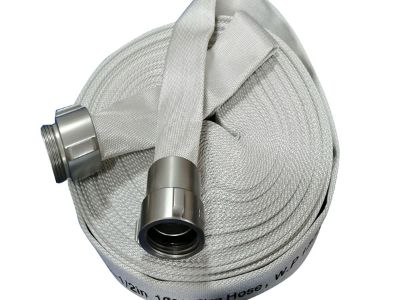
Understanding how UV exposure impacts the service life of fire hoses is critical for purchasing managers and engineers in the firefighting industry. Fire hoses must endure various environmental challenges, and UV radiation can significantly affect their durability and reliability. We will explore the factors influencing fire hose durability, particularly concerning UV resistance, and provide guidance on selecting high-quality fire hoses that meet your specific operational needs.
What You Should Know About Fire Hose Durability and UV Resistance?
Fire hoses are essential for effective firefighting and must be designed to withstand harsh conditions, including UV exposure. UV radiation can degrade materials over time, leading to reduced flexibility, increased brittleness, and ultimately, failure of the hose. Understanding the factors that affect the durability of 2.5 fire hose, including material composition, coating technology, and manufacturing standards, is crucial for ensuring long-term performance in field applications.
When considering fire hose durability, it's important to assess the specific requirements of your operating environment. For example, hoses used in outdoor applications or exposed to direct sunlight for prolonged periods should have enhanced UV resistance to maintain their integrity and functionality. Manufacturers like Jiangsu Nantong Longtao Fire-Hose Group Co., Ltd. specialize in producing hoses that meet these durability standards, ensuring reliability even in extreme conditions.
UV Resistance and Quality Factors
The quality of a fire hose is directly related to its UV resistance, which is influenced by various factors, including material selection and manufacturing processes. Typically, automatic fire hose reel are made from synthetic materials, such as PVC or rubber, which can be treated to enhance their UV resistance. The inclusion of UV stabilizers during the manufacturing process can significantly extend the service life of the hose by minimizing degradation from sunlight.
It's essential to evaluate the specific material properties when considering UV resistance. For instance, a double-coated fire hose may offer superior protection against UV rays compared to a standard lined hose. Buyers should inquire about the specific materials used and any certifications or testing results that demonstrate the hose's UV resistance capabilities. This information can guide purchasing decisions to ensure optimal performance in the intended application.
Understanding Fire Hose Specifications for UV Protection Standards
When sourcing fire hoses, understanding the specifications related to UV protection is vital. Key specifications to consider include the thickness of the hose, type of coating, and the presence of UV stabilizers. Hoses that meet established industry standards, such as those set by the National Fire Protection Association (NFPA), often include specifications that address UV resistance.
Buyers should request technical data sheets from suppliers that outline the UV resistance ratings and other relevant performance metrics. It's advisable to verify whether the hose has undergone testing in accordance with recognized standards, ensuring that it can withstand exposure to UV radiation while maintaining its operational capabilities.
Additionally, consider the environmental conditions where the fire hoses will be used. For hoses intended for applications in sunny outdoor settings, selecting products designed specifically for such conditions will enhance longevity and reliability.
Where to Source Reliable Fire Hoses with UV Resistance Features?
Identifying a reputable manufacturer is crucial when sourcing fire hoses with UV resistance features. Companies like Jiangsu Nantong Longtao Fire-Hose Group Co., Ltd. are known for their commitment to quality and innovation in fire hose manufacturing. They offer a range of products, including lined, double-coated, and spray hoses, all designed to meet stringent quality standards.
When evaluating potential suppliers, consider their experience in the industry, production capabilities, and the range of products available. Reliable manufacturers should provide clear information about their quality control processes and any relevant certifications that demonstrate compliance with industry standards.
Buyers should also inquire about the minimum order quantities (MOQ) and customization options available. Customization may include specific lengths, coupling types, or packaging requirements tailored to the buyer's needs. This flexibility can be a significant advantage when purchasing hoses for diverse applications.
Ensuring Quality Against UV Effects
To ensure that the fire hoses purchased can withstand UV exposure, buyers must implement quality assurance measures throughout the sourcing process. Start by requesting samples to test their performance under actual operating conditions. This can help verify that the hoses meet the specified durability and UV resistance requirements before committing to larger orders.
Furthermore, it's essential to conduct regular inspections of fire hoses during their service life to identify any signs of UV damage, such as fading, cracking, or loss of flexibility. Establishing a maintenance schedule can aid in prolonging the service life of the hoses and ensuring they remain functional when needed most.
Lastly, maintain open communication with suppliers to stay informed about any product updates, recalls, or improvements related to UV resistance technology. This proactive approach will empower buyers to make informed decisions and ensure the reliability of their fire hose investments over time.
By understanding the impact of UV exposure on fire hose service life and following these guidelines, purchasing managers and engineers can make informed decisions that enhance safety and operational efficiency in firefighting efforts.
