
 EN
EN
 AR
AR
 FR
FR
 DE
DE
 KO
KO
 CS
CS
 DA
DA
 NL
NL
 FI
FI
 EL
EL
 IT
IT
 JA
JA
 NO
NO
 PL
PL
 PT
PT
 RO
RO
 RU
RU
 ES
ES
 SV
SV
 TL
TL
 IW
IW
 ID
ID
 LV
LV
 LT
LT
 SR
SR
 SK
SK
 SL
SL
 UK
UK
 SQ
SQ
 ET
ET
 HU
HU
 TH
TH
 TR
TR
 FA
FA
 AF
AF
 IS
IS
 MK
MK
 KA
KA
 UR
UR
 BN
BN
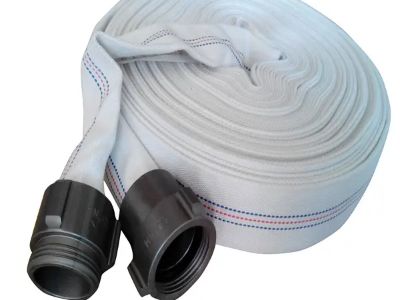
Understanding how reinforcement layers determine fire hose pressure stability is essential for B2B buyers in the fire safety industry. Fire hoses are critical for effective firefighting and emergency response, and their performance can be significantly influenced by their construction, particularly the reinforcement layers. This article aims to help purchasing managers, engineers, and distributors understand the specifications vital for ensuring that fire hoses can withstand the pressures of real-world applications, identify common issues, and provide insights into installation and maintenance considerations
Key Specifications for Evaluating Fire Hose Pressure Stability
When assessing fire hoses, several key specifications are critical for determining pressure stability
Reinforcement Layer Composition: The materials used in the reinforcement layers directly affect the hose's ability to withstand high pressures. Common materials include polyester, nylon, and Kevlar. Polyester is often favored for its balance of strength and flexibility, while Kevlar provides exceptional tensile strength, making it suitable for high-pressure applications
Burst Pressure Rating: This specification indicates the maximum pressure the hose can withstand before failure. A higher burst pressure rating typically indicates greater durability under extreme conditions. Buyers should verify this rating against the expected operating pressures in their application
Thickness of the Hose Wall: The wall thickness contributes to the overall strength and rigidity of the hose. A thicker wall generally enhances pressure stability but may increase weight and flexibility concerns. Buyers should consider the intended use environment when assessing wall thickness
Diameter and Length: The hose diameter affects flow rate, while the length must be suitable for the intended firefighting operations. It's crucial to ensure that the selected dimensions align with the requirements of specific emergency scenarios
Quality Control Standards: Understanding the manufacturer’s quality control processes can help ensure that the fire hoses meet industry safety standards. Look for certifications such as ISO 9001, which indicate a commitment to maintaining product quality
These specifications are crucial for ensuring that fire hoses perform reliably under pressure, and potential buyers should verify these details when evaluating suppliers
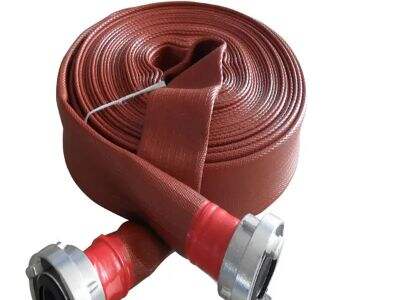
A Wholesale Buyer’s Guide
When purchasing fire hoses, wholesalers should consider the following practical steps to ensure they make informed decisions
Request Detailed Quotations: Ensure that suppliers provide comprehensive quotes that include information on material types, specifications, and additional features. This transparency allows for a more straightforward comparison between different suppliers
Minimum Order Quantity (MOQ): Understanding the MOQ is vital for budgeting and inventory management. Some manufacturers may offer lower MOQs for custom orders, while others may require bulk purchases
Customization Options: Depending on the specific needs of end-users, bespoke features such as color, coupling types, and lengths may be required. Buyers should inquire about customization capabilities and any associated costs
Lead Times and Shipping Considerations: Timely delivery is crucial in emergency response scenarios. Discuss lead times upfront and consider the manufacturer’s logistics capabilities to ensure that products can be delivered when needed
Sample Approval Process: Before placing a large order, request samples to evaluate the hose’s performance under actual operating conditions. Confirm that all specifications meet your requirements through thorough testing
By following this guide, wholesale buyers can effectively assess options and choose suppliers that align with their operational needs
Installation Guidance for Fire Hoses with Reinforcement Layers
Proper installation of fire hoses is essential to maintain pressure stability and performance. Here are key considerations for installing hoses with reinforcement layers
Environment Assessment: Evaluate the installation environment for factors such as temperature, exposure to chemicals, and physical abrasion. These factors can affect the hose's performance and lifespan
Proper Coupling Installation: Ensure that couplings are securely attached to prevent leaks. Depending on the hose type, different couplings may be required, so verify compatibility with the selected hose
Avoiding Kinks and Bends: During installation, hoses should be laid out without kinks or sharp bends, as these can create weak points that compromise pressure stability. Use hose racks or reels to store hoses properly
Regular Inspection and Maintenance: Establish a routine for inspecting hoses for wear and tear. Any signs of damage, such as fraying or leaks, should be addressed immediately to maintain operational integrity
Training for Personnel: Ensure that firefighters and personnel are trained in correct handling and maintenance practices. This includes understanding how to deploy and retract hoses without damaging them
By following these guidelines, organizations can maximize the effectiveness of their fire hoses and ensure they remain reliable during emergencies
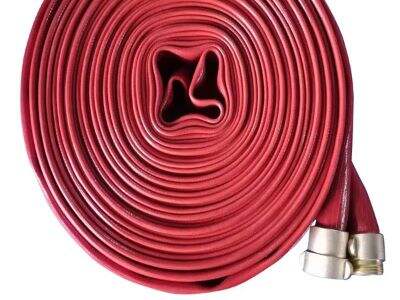
Common Problems with Fire Hose Pressure and Their Solutions
Fire hoses can encounter various issues that affect pressure stability. Here are some common problems and potential solutions
Bursting or Leaking: A primary concern is hose bursting, often caused by exceeding the burst pressure rating or manufacturing defects. Regularly inspect hoses and replace any that show signs of wear. Always ensure that the selected hose meets the required pressure specifications for the intended use
Kinks and Blockages: Kinks can restrict flow and cause pressure drops. Train staff to handle hoses carefully and avoid sharp bends. If a blockage occurs, inspect the hose and clear any debris before use
Coupling Failures: If couplings are improperly attached, they can leak or detach under pressure. Regularly check couplings for tightness and ensure compatibility with the hose type. Consider using locking mechanisms for added security
Material Degradation: Over time, exposure to UV light, chemicals, or extreme temperatures can degrade hose materials. Implement a replacement schedule based on the hose's application environment and maintain records of usage
Inadequate Maintenance: Lack of proper maintenance can lead to a shorter lifespan for hoses. Establish a regular maintenance program that includes cleaning, inspection, and replacement of worn components
By addressing these common problems proactively, users can maintain pressure stability and overall performance
Expert Insights on Fire Hose Reinforcement for Contractors and Distributors
For contractors and distributors, understanding the nuances of fire hose reinforcement can lead to better service delivery and client satisfaction. Here are some expert insights
Material Selection: When advising clients on hose selection, emphasize the importance of material properties. For example, while rubber-lined hoses are flexible, they may not withstand extreme temperatures as well as polyurethane-lined hoses. Advise on appropriate materials based on specific application requirements
Performance Testing: Encourage clients to conduct performance tests on samples under real-world conditions. This ensures that the selected hoses meet expectations before large-scale deployment
Education on Standards: Familiarize contractors and distributors with relevant industry standards and regulations. This knowledge can help guide clients in choosing compliant products and enhance trust in your expertise
Feedback Loop: Establish a feedback mechanism with clients to gather insights on hose performance in the field. This information can inform future product offerings and improvements
Building Relationships with Manufacturers: A strong relationship with manufacturers like Jiangsu Nantong Longtao Fire-Hose Group Co., Ltd. can provide access to the latest innovations and customization capabilities, allowing contractors to offer tailored solutions to their customers
By leveraging these insights, contractors and distributors can enhance their offerings and provide significant value to their clients in the fire safety industry
