
 EN
EN
 AR
AR
 FR
FR
 DE
DE
 KO
KO
 CS
CS
 DA
DA
 NL
NL
 FI
FI
 EL
EL
 IT
IT
 JA
JA
 NO
NO
 PL
PL
 PT
PT
 RO
RO
 RU
RU
 ES
ES
 SV
SV
 TL
TL
 IW
IW
 ID
ID
 LV
LV
 LT
LT
 SR
SR
 SK
SK
 SL
SL
 UK
UK
 SQ
SQ
 ET
ET
 HU
HU
 TH
TH
 TR
TR
 FA
FA
 AF
AF
 IS
IS
 MK
MK
 KA
KA
 UR
UR
 BN
BN
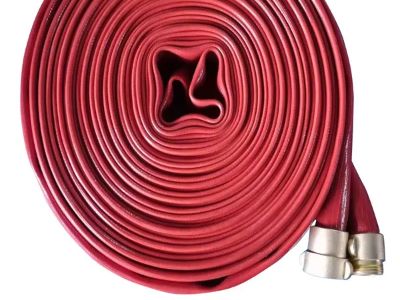
Understanding fire hose lining technologies for abrasion and chemical resistance is essential for organizations looking to enhance the safety and efficiency of their fire-fighting efforts. Fire hoses are critical tools in emergency response, and the materials used in their construction can significantly impact their performance and durability. This article will cover key aspects of fire hose lining technologies, addressing common concerns of B2B buyers such as material selection, specifications, and effective solutions for common problems
Understanding Fire Hose Lining Technologies for Chemical Resistance
Fire hoses are often exposed to harsh chemicals and environments, making chemical resistance a pivotal consideration in their design. The lining materials used in fire hoses must withstand various chemical agents without degrading or losing functionality. Common materials for chemical resistance include PVC, nitrile rubber, and polyurethane, each selected based on their specific resistance properties
When evaluating fire hose linings for chemical resistance, buyers should consider the specific chemicals the hose will encounter, as well as temperature ranges and pressure conditions. For example, hoses used in industrial settings may face exposure to solvents and acids, necessitating a lining material that can provide robust protection. It's advisable for buyers to consult with manufacturers to ensure that the selected lining material aligns with their operational needs, as improper material choice can lead to premature hose failure and safety hazards
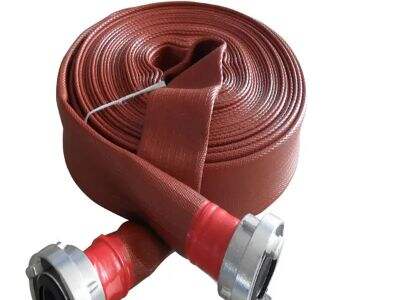
How to Choose the Right Fire Hose for Abrasion Resistance Needs
Abrasion resistance is a critical factor for fire hoses, especially in environments where the hose might be dragged over rough surfaces or subjected to friction during operation. The right fire hose must integrate lining materials that can tolerate these conditions while maintaining flexibility and performance
When selecting hoses for abrasion resistance, buyers should look for specifications such as the thickness of the lining and the type of external coating. A thicker lining generally offers better protection against wear, while reinforced outer surfaces can enhance durability. For instance, double-coated hoses, which feature an inner and outer layer of protective material, can provide superior abrasion resistance compared to single-layer options
Buyers should also consider the intended application of the hose; for example, a hose used in firefighting operations on construction sites may require different abrasion resistance than one used in urban environments. Consulting with suppliers can help buyers identify the best options tailored to their specific abrasion resistance needs
Key Specifications for Durable Fire Hose Lining Materials
Understanding the key specifications that define the durability of fire hose lining materials is crucial for making informed purchasing decisions. Some of the essential specifications to consider include
Material Type: The primary material (such as, PVC, rubber, or synthetic composites) significantly influences the hose's performance characteristics, including flexibility, chemical resistance, and temperature tolerance
Thickness: The lining thickness impacts both abrasion resistance and chemical durability. A thicker lining can provide additional protection but may also affect the hose's weight and flexibility
Pressure Rating: Each fire hose is rated for a specific pressure limit. Buyers should ensure the chosen hose meets or exceeds the pressure requirements of their applications to prevent ruptures during use
Temperature Range: Fire hoses must operate effectively within specific temperature ranges. Buyers should verify that the lining material can withstand the expected temperature extremes in their operational environment
Understanding these specifications allows buyers to select hoses that will perform reliably under the intended conditions, minimizing the risk of operational failures
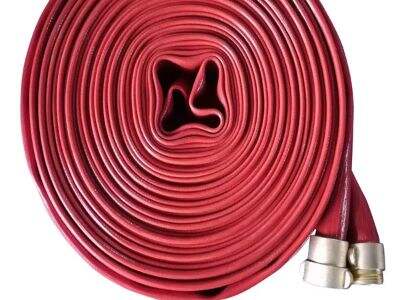
Fire Hose Lining Technologies Explained
Fire hose lining technologies have evolved significantly, incorporating various materials and manufacturing techniques to enhance performance. Key advancements include
Multilayer Construction: Modern fire hoses often feature multilayer constructions that combine different materials to optimize performance. For example, an inner layer may offer chemical resistance, while an outer layer provides abrasion resistance
Hydrophobic Coatings: Some fire hoses are treated with hydrophobic coatings that repel water and reduce moisture absorption, enhancing performance in wet conditions and improving drying times after use
Reinforcements: Incorporating textile or fiber reinforcements can significantly increase the strength and flexibility of fire hoses, allowing them to withstand greater pressures and physical stress during operation
These technologies enable manufacturers like Jiangsu Nantong Longtao Fire-Hose Group Co., Ltd. to produce high-quality fire hoses that meet stringent performance standards. It is advisable for buyers to inquire about the specific technologies used in production to ensure they are receiving hoses that will perform under their unique operational demands
Common Problems with Fire Hoses and Effective Solutions
Despite advancements in fire hose technology, several common issues can arise, impacting hose performance and safety. Identifying these problems and implementing effective solutions is essential for maintaining operational efficiency and safety
Kinking: Kinking occurs when a hose bends sharply, restricting water flow. To mitigate this, buyers should choose hoses with a more flexible construction that can better handle bending without kinking
Wear and Tear: Frequent use can lead to abrasion and wear. Regular inspections and maintenance can help identify areas of concern early. Implementing a rotation system for hoses can also prolong their lifespan
Chemical Degradation: Exposure to harsh chemicals can weaken hose materials over time. Buyers should ensure that the selected hoses are rated for the specific chemicals they will encounter. It is also wise to regularly inspect hoses for signs of deterioration and replace them as needed
Pressure Loss: Insufficient pressure can compromise firefighting effectiveness. Regular maintenance checks, including monitoring for leaks and blockages, are essential to ensure hoses remain in optimal condition
By addressing these common problems proactively, organizations can ensure their fire hoses remain reliable and effective in emergency situations. Engaging with suppliers for regular assessments and updates on hose performance can further enhance safety and efficiency
Understanding fire hose lining technologies for abrasion and chemical resistance is crucial for making informed purchasing decisions. By considering material specifications, technological advancements, and common operational challenges, organizations can select the best fire hoses to meet their needs. Buyers are encouraged to engage with manufacturers like Jiangsu Nantong Longtao Fire-Hose Group Co., Ltd. for tailored solutions that enhance safety and performance in critical firefighting applications
