
 EN
EN
 AR
AR
 FR
FR
 DE
DE
 KO
KO
 CS
CS
 DA
DA
 NL
NL
 FI
FI
 EL
EL
 IT
IT
 JA
JA
 NO
NO
 PL
PL
 PT
PT
 RO
RO
 RU
RU
 ES
ES
 SV
SV
 TL
TL
 IW
IW
 ID
ID
 LV
LV
 LT
LT
 SR
SR
 SK
SK
 SL
SL
 UK
UK
 SQ
SQ
 ET
ET
 HU
HU
 TH
TH
 TR
TR
 FA
FA
 AF
AF
 IS
IS
 MK
MK
 KA
KA
 UR
UR
 BN
BN
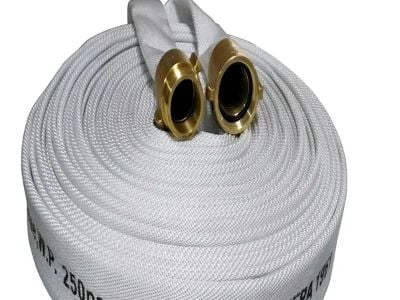
Fire hose design considerations for high-rise building fire systems are crucial for ensuring effective fire protection and safety. As urban centers continue to grow taller, fire safety protocols must adapt to the complexities of high-rise structures. B2B buyers, including purchasing managers, engineers, and project managers, often face challenges in selecting the right fire hose that meets specific regulations, performance requirements, and budget constraints. This article will provide valuable insights into selecting fire hose materials, evaluating specifications, budgeting, installation guidance, and addressing common problems related to fire hoses in high-rise buildings.
Choosing Fire Hose Materials for High-Rise Building Fire Systems
When selecting fire hose materials for high-rise building fire systems, it's essential to consider factors such as durability, flexibility, temperature resistance, and pressure ratings. Common materials include synthetic fibers, rubber, and PVC, each with its advantages and limitations.
For instance, synthetic hoses typically offer excellent flexibility and resistance to abrasion and chemicals, making them suitable for various applications. Rubber hoses, while heavier, provide superior temperature resistance and are often more durable under high-pressure conditions. Understanding the specific performance requirements of your fire system will help in choosing the right material.
Moreover, it’s vital to verify that the chosen materials comply with relevant standards and regulations, such as those set by the National Fire Protection Association (NFPA). Buyers should request certification documentation from the supplier to ensure the materials used meet safety and performance expectations.
How to Evaluate Fire Hose Specifications for Your Projects?
Evaluating fire hose specifications involves several critical parameters that directly impact performance. Key specifications to consider include diameter, length, pressure rating, and coupling type.
Diameter: The hose diameter affects water flow rates. Larger diameters allow for higher flow rates, which can be crucial in high-rise applications where rapid fire suppression is necessary.
Length: The length of the hose should correspond to the building height and layout. Consideration must be given to the hose's reach in relation to the fire protection requirements for different floors.
Pressure Rating: The fire hose on reel must withstand the high pressures generated during firefighting operations. Evaluate the pressure ratings carefully; a hose with insufficient ratings could fail under operational conditions.
Coupling Type: Compatibility with existing fire system infrastructure is vital. There are various coupling types, such as threaded and instantaneous couplings. Ensure that the selected hose can easily connect with the firefighting equipment in use.
Understanding these specifications will enable buyers to make informed decisions, ensuring that the hoses can operate effectively in high-rise environments.
Budgeting for Fire Hose Systems in High-Rise Buildings
Budgeting for fire hose systems in high-rise buildings requires careful consideration of several factors, including material costs, installation expenses, and long-term maintenance.
Material Costs: Prices vary significantly based on the type of material selected. For instance, synthetic hoses may have a higher upfront cost but can offer better longevity, ultimately reducing replacement frequency.
Installation Expenses: Factors such as labor, configuration, and equipment required for the installation can influence the overall budget. Ensuring that installation professionals are experienced in high-rise applications can help mitigate unexpected costs.
Maintenance and Testing: Regular maintenance and testing are essential for supply fire hose to ensure they remain within operational specifications. Budgeting for routine inspections and potential repairs can prevent larger costs in the future.
Ultimately, it is advisable to work with suppliers who can provide detailed pricing estimates and insights into the total cost of ownership over the lifespan of the fire hose systems.
Installation Guidance for Fire Hoses in High-Rise Fire Systems
Proper installation of fire hoses in high-rise buildings is crucial for ensuring reliable fire protection. Here are some key considerations:
Strategic Placement: Hoses should be installed in accessible locations throughout the building, particularly near stairwells and landing areas, to ensure quick access during emergencies.
Testing Connections: Prior to finalizing installations, all connections should be tested for leaks and functionality. Ensuring that hoses connect properly to hydrants and other firefighting equipment is essential.
Training Personnel: It’s important to train building staff and emergency responders on the correct use and maintenance of fire hoses. Familiarity with the system can significantly improve response times during emergencies.
By following these guidelines, buyers can ensure that their fire hose systems are installed optimally for both efficiency and safety.
Common Problems with Fire Hoses and Effective Solutions
Fire hoses can encounter several common problems, but being aware of these issues can lead to effective solutions:
Kinking and Twisting: Hoses can kink or twist during deployment, which may restrict water flow. To prevent this, hoses should be stored properly and trained personnel should be instructed on proper handling techniques.
Wear and Tear: Over time, hoses may experience wear due to friction and environmental exposure. Regular inspections should be conducted to identify signs of damage, such as cracks or abrasions, to ensure safety and reliability.
Contamination: Contaminants can build up inside hoses, affecting water quality. Implementing a regular cleaning protocol can help maintain the integrity of the hoses and the system overall.
By understanding these common issues, buyers can ensure that they maintain their fire hoses effectively, prolonging their service life and ensuring dependable performance during emergencies.
Understanding fire hose design considerations for high-rise building fire systems is pivotal for effective fire protection. From choosing the right materials to installation and maintenance, careful planning and evaluation can significantly enhance fire safety in urban environments.
