
 EN
EN
 AR
AR
 FR
FR
 DE
DE
 KO
KO
 CS
CS
 DA
DA
 NL
NL
 FI
FI
 EL
EL
 IT
IT
 JA
JA
 NO
NO
 PL
PL
 PT
PT
 RO
RO
 RU
RU
 ES
ES
 SV
SV
 TL
TL
 IW
IW
 ID
ID
 LV
LV
 LT
LT
 SR
SR
 SK
SK
 SL
SL
 UK
UK
 SQ
SQ
 ET
ET
 HU
HU
 TH
TH
 TR
TR
 FA
FA
 AF
AF
 IS
IS
 MK
MK
 KA
KA
 UR
UR
 BN
BN
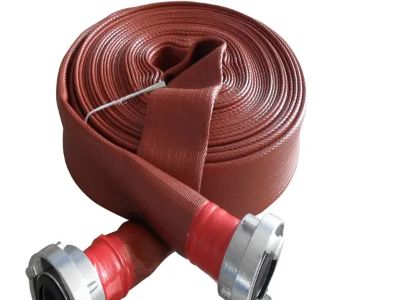
Understanding how hose diameter affects firefighting flow rate and system performance is crucial for ensuring effective fire suppression. The diameter of the hose directly influences the volume of water that can be transported, which in turn affects the efficiency of firefighting efforts. For purchasing managers, engineers, and product managers, grasping these dynamics is essential for making informed decisions when selecting fire hoses for various applications. This article will elucidate the relationship between hose diameter and firefighting performance, helping you choose the right equipment for optimal safety and effectiveness
How Hose Diameter Influences Firefighting Flow Rates and Efficiency
Hose diameter significantly impacts the flow rate of water used in firefighting hose operations. A larger diameter hose allows for a greater volume of water to be transported per minute, enhancing the firefighting team's ability to suppress flames quickly and effectively. For instance, a 2.5-inch hose can deliver around 250 gallons per minute (GPM), while a 1.75-inch hose may only deliver approximately 150 GPM under similar conditions
However, it's essential to consider that simply increasing hose diameter isn't always beneficial. A thicker hose may be heavier and more challenging to handle, especially in tight spaces or on uneven terrain. Additionally, using a hose with an inappropriate diameter for the fire scenario can lead to inefficiencies, such as increased friction loss and reduced pressure at the nozzle. Therefore, understanding the specific requirements of each firefighting situation is crucial for optimizing flow rates and maintaining operational efficiency
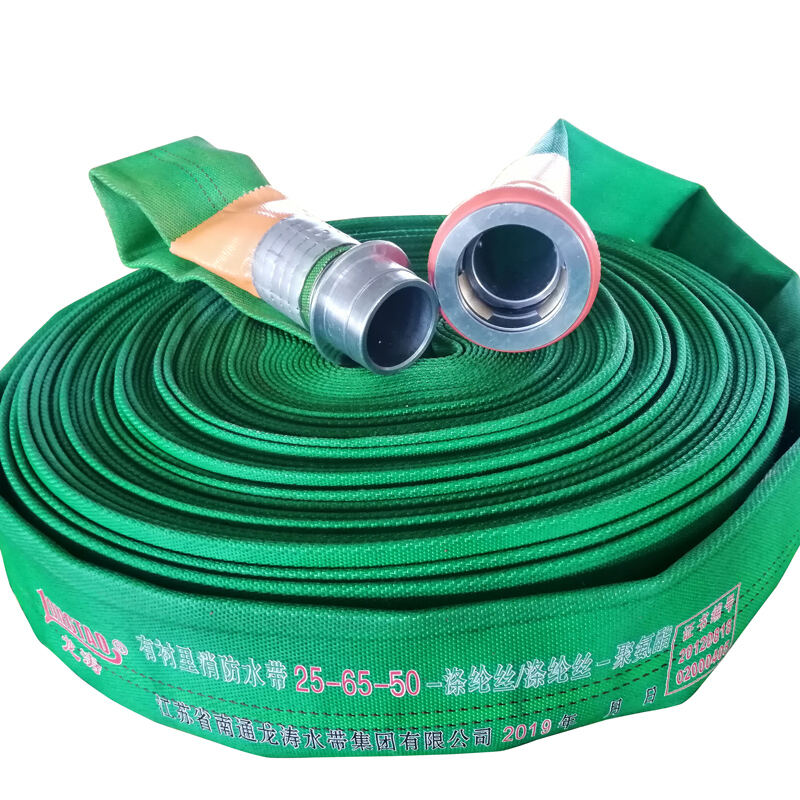
Understanding the Impact of Hose Diameter on Fire System Performance
Fire system performance is closely tied to how well the hose diameter matches the requirements of the application. Different types of fires and environments necessitate varying flow rates and pressures, making it vital to select the appropriate hose size. For instance, structural fires may require larger hoses to deliver higher volumes of water, while smaller diameter hoses could suffice for vehicle fires or smaller incidents
In addition to flow rate, hose diameter can influence pressure losses. A smaller diameter hose experiences higher friction loss, which can diminish water pressure at the nozzle, leading to reduced firefighting effectiveness. On the other hand, a larger hose minimizes friction loss, maintaining higher pressure and allowing for a more powerful water stream. This balance between flow rate and pressure is critical for achieving successful firefighting outcomes
Choosing the Right Hose Diameter for Optimal Firefighting Applications
Selecting the right hose diameter involves evaluating several factors, including the type of fire, the distance from the water source, and the firefighting team’s capabilities. For instance, a 1.5-inch hose may be appropriate for residential fires where maneuverability is a priority, while a 3-inch hose might be necessary for industrial fires where higher flow rates are essential
Purchasers should also consider the compatibility of the hose with existing firefighting equipment, such as nozzles and couplings. Ensuring that the chosen hose diameter aligns with the specifications of these components is vital for maintaining seamless operations during emergencies. Additionally, consulting with manufacturers like Jiangsu Nantong Longtao Fire-Hose Group Co., Ltd. can provide insights into custom fire equipment tailored to specific firefighting needs
Hose Diameter and Its Role in Fire Safety
Hose diameter plays a pivotal role in overall fire safety. A properly sized hose ensures that firefighters can effectively combat flames while minimizing risks to themselves and others. Using a hose that is too small may compromise water delivery, increasing the chances of fire spread and endangering lives
Furthermore, selecting the right hose diameter can enhance operational safety by reducing the physical strain on firefighters. A hose that is too heavy or cumbersome can lead to fatigue, hindering performance during critical moments. Fire departments should prioritize ergonomics alongside functionality when choosing hose diameters, ensuring that their teams can operate efficiently under pressure
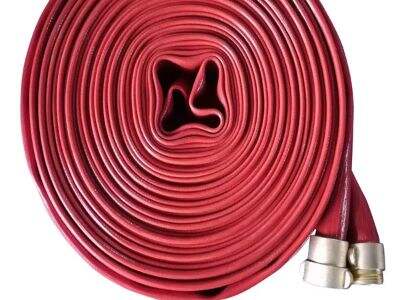
Best Practices for Hose Diameter Selection
When selecting hose diameter, consider the following best practices to ensure optimal performance and safety
Evaluate the Fire Risk: Assess the type of fire and the environment where it may occur. Larger hoses are generally more effective for high-risk scenarios
Understand Flow Requirements: Determine the necessary flow rate for different applications and select hose diameters accordingly. Refer to industry standards and guidelines for assistance
Test Compatibility: Ensure that the selected hose diameter fits with existing firefighting equipment, including nozzles and hydrants, to avoid any operational issues
Prioritize Maneuverability: Consider the terrain and accessibility of potential fire locations. Lightweight hoses with appropriate diameters are essential for quick deployment in challenging conditions
Consult with Manufacturers: Engage with experienced suppliers like Jiangsu Nantong Longtao Fire-Hose Group Co., Ltd. to leverage their expertise in hose selection and customization options tailored to specific needs
By following these best practices, purchasing managers and product managers can make informed decisions that enhance firefighting effectiveness while ensuring the safety of their teams. Understanding how hose diameter affects firefighting flow rate and system performance ultimately leads to better preparedness in the face of emergencies, safeguarding lives and property
