
 EN
EN
 AR
AR
 FR
FR
 DE
DE
 KO
KO
 CS
CS
 DA
DA
 NL
NL
 FI
FI
 EL
EL
 IT
IT
 JA
JA
 NO
NO
 PL
PL
 PT
PT
 RO
RO
 RU
RU
 ES
ES
 SV
SV
 TL
TL
 IW
IW
 ID
ID
 LV
LV
 LT
LT
 SR
SR
 SK
SK
 SL
SL
 UK
UK
 SQ
SQ
 ET
ET
 HU
HU
 TH
TH
 TR
TR
 FA
FA
 AF
AF
 IS
IS
 MK
MK
 KA
KA
 UR
UR
 BN
BN
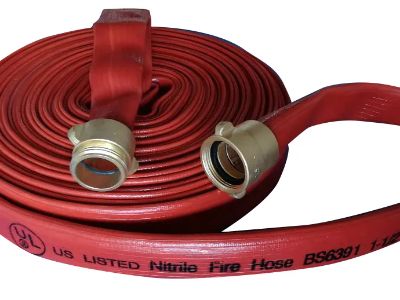
Understanding fire hose requirements for mining and heavy industrial environments is crucial for ensuring safety and compliance. These hoses serve as the frontline defense in fire emergencies, making it essential for B2B buyers, such as purchasing managers and engineers, to select the right products. This article will provide valuable insights into choosing, evaluating, and installing fire hose, addressing common industry concerns, and ensuring long-term value in your purchases.
How to Choose the Right Fire Hose for Heavy Industrial Environments?
Selecting the appropriate fire hose involves considering several critical factors, including material, diameter, pressure rating, and application-specific requirements. Fire hoses used in heavy industrial settings must withstand harsh conditions, such as high temperatures, chemical exposure, and physical abrasion.
Material Selection: Many industrial fire hoses are made from synthetic materials like PVC or rubber, which offer durability and resistance to heat and chemicals. For example, double-coated hoses provide enhanced protection against corrosive substances, making them suitable for mining operations.
Diameter and Length: The diameter of the hose affects the flow rate and pressure. A larger diameter hose can deliver more water, which is essential in a fire emergency, while the length should be sufficient to reach all areas of the site without compromising pressure.
Pressure Rating: Ensure that the hose can handle the required pressure for your specific application. Hoses should meet or exceed the pressure demands of fire suppression systems to avoid ruptures during use.
Regulatory Compliance: Check local regulations and industry standards to ensure the selected hoses meet fire safety requirements. Compliance with standards such as NFPA or local fire codes is non-negotiable in many industrial sectors.
By understanding these specifications, B2B buyers can make informed decisions that align with their operational needs.
Evaluating Supplier Reliability for Fire Hoses in Industrial Settings
When sourcing fire hoses, evaluating supplier reliability is critical. This includes assessing their manufacturing capabilities, quality control processes, and customer service.
Manufacturing Capabilities: A reputable supplier should have advanced production equipment and a robust manufacturing process. Jiangsu Nantong Longtao Fire-Hose Group Co., Ltd., for instance, boasts an annual capacity of 10 million supply fire hose meters, indicating strong production capabilities that can meet large-scale demands.
Quality Control: Investigate the supplier's quality assurance processes. Look for certifications or audits that verify their commitment to high standards. A supplier with independent IP patents often demonstrates innovation and quality leadership in the market.
Customer Feedback: Seek testimonials or case studies from other industrial clients. Understanding their experiences can provide insights into the reliability and performance of the supplier's products.
Post-Purchase Support: Evaluate the level of customer support offered, including response times, troubleshooting assistance, and warranty terms. A responsive supplier can significantly reduce downtime in critical situations.
By conducting thorough evaluations, buyers can partner with reliable suppliers that enhance safety and compliance.
Installation Guidance for Fire Hoses in Mining and Heavy Industries
Proper installation of fire hoses is essential to ensure optimal performance during emergencies. Here are key considerations for successful installation:
Site Assessment: Before installation, conduct a comprehensive site assessment to identify potential hazards and the best locations for hose reels and connections. Ensure that hoses are easily accessible and can reach all areas where fires might occur.
Mounting and Positioning: Hoses should be mounted securely to prevent damage. Use appropriate brackets or reels to keep hoses organized and ready for use. Position hoses away from areas with heavy foot or vehicle traffic to minimize wear and damage.
Testing and Maintenance: After installation, perform pressure tests to verify that hoses can handle operational demands. Regular maintenance checks, including visual inspections for wear and tear, are essential to ensure reliability over time.
Training Personnel: Ensure that all personnel are trained in the proper use and maintenance of flexible fire hose. Familiarity with equipment and protocols can significantly enhance response effectiveness in an emergency.
Proper installation and ongoing maintenance are critical to maximizing the lifespan and functionality of fire hoses in demanding environments.
Common Fire Hose Problems in Industrial Environments and Solutions
While fire hoses are designed for durability, they can encounter issues in industrial settings. Here are common problems and their solutions:
Wear and Tear: Over time, hoses may suffer from abrasions, punctures, or other types of damage. Regular inspections can help identify these issues early. If damage is discovered, it's crucial to replace the hose immediately to maintain safety.
Kinks and Twists: Improper handling or storage can lead to kinks, which may restrict water flow. Train personnel on proper handling techniques and use hose reels to prevent kinks during storage.
Coupling Issues: Connections between hoses and fittings can become loose or corroded. Regularly check and maintain couplings to ensure a secure fit. If corrosion is present, replace fittings to avoid leaks.
Contamination: Chemicals or debris can contaminate the interior of hoses, affecting performance. Use hoses specifically designed for chemical resistance in environments where exposure is likely, and ensure regular cleaning and maintenance.
By proactively addressing these common problems, buyers can ensure their fire hoses remain effective and reliable.
Ensuring Value in Your Purchase
To ensure value in your fire hose purchases, consider the following strategies:
Request Samples: Before placing a large order, request samples to evaluate materials, flexibility, and performance under actual conditions. This helps confirm that the hoses meet your specific needs.
Compare Costs vs. Quality: While lower prices may seem appealing, evaluate the total cost of ownership, which includes durability, maintenance, and replacement costs. Higher-quality hoses may provide better long-term value despite a higher upfront cost.
Assess Customization Options: If your operations require specific hose configurations, work with suppliers who offer customization. This can include length, diameter, or material modifications to meet your unique requirements.
Establish a Maintenance Plan: Incorporate a maintenance strategy into your purchasing plan. Regular inspections and maintenance can extend the life of your hoses, providing greater value over time.
By taking these steps, B2B buyers can maximize their investment in fire hose solutions while ensuring compliance and safety in mining and heavy industrial environments.
Table of Contents
- How to Choose the Right Fire Hose for Heavy Industrial Environments?
- Evaluating Supplier Reliability for Fire Hoses in Industrial Settings
- Installation Guidance for Fire Hoses in Mining and Heavy Industries
- Common Fire Hose Problems in Industrial Environments and Solutions
- Ensuring Value in Your Purchase
