
 EN
EN
 AR
AR
 FR
FR
 DE
DE
 KO
KO
 CS
CS
 DA
DA
 NL
NL
 FI
FI
 EL
EL
 IT
IT
 JA
JA
 NO
NO
 PL
PL
 PT
PT
 RO
RO
 RU
RU
 ES
ES
 SV
SV
 TL
TL
 IW
IW
 ID
ID
 LV
LV
 LT
LT
 SR
SR
 SK
SK
 SL
SL
 UK
UK
 SQ
SQ
 ET
ET
 HU
HU
 TH
TH
 TR
TR
 FA
FA
 AF
AF
 IS
IS
 MK
MK
 KA
KA
 UR
UR
 BN
BN
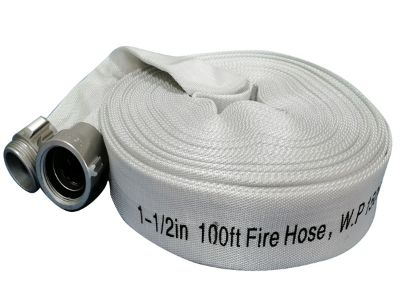
Fire hoses play a critical role in firefighting, particularly in confined spaces where accessibility and control are paramount. Understanding how fire hose construction supports confined-space firefighting is essential for purchasing managers, safety officers, and engineers involved in fire safety. This article will delve into the specifications, selection criteria, sourcing, and cost considerations for fire hose, enabling buyers to make informed decisions tailored to their specific needs.
How Fire Hose Construction Enhances Confined-Space Firefighting?
The construction of fire hoses is designed to withstand the unique challenges posed by confined-space environments, such as limited maneuverability and increased pressure demands. High-quality supply fire hose are typically constructed from durable materials like synthetic rubber or thermoplastics, which offer flexibility and strength. The inner lining is often reinforced to resist abrasions and punctures, ensuring reliability in high-stress situations.
Moreover, the diameter of the hose significantly impacts water flow and pressure. For confined spaces, hoses with smaller diameters can be advantageous as they are more manageable and easier to navigate through tight areas. This design consideration allows firefighters to deploy hoses quickly and efficiently, ensuring timely response times in emergency situations.
Additionally, the coupling systems used in fire hoses are crucial for maintaining secure connections under pressure. Quick-connect couplings facilitate rapid deployment and disconnection, which is vital when time is of the essence. Understanding these construction elements helps buyers select hoses that enhance firefighting effectiveness in confined spaces.
Key Specifications for Fire Hoses Used in Confined Spaces
When sourcing fire hoses for confined-space applications, several key specifications must be considered:
Material: The choice of material affects durability, weight, and flexibility. Synthetic fabrics are often preferred due to their resistance to chemicals and UV exposure.
Pressure Rating: Fire hoses are rated for specific pressure levels, which dictate their suitability for various firefighting scenarios. Ensure the hose can withstand the pressure of the water supply during use.
Diameter: The internal diameter affects water flow rates. For confined spaces, a 1.5-inch or 2.5-inch diameter is commonly used, balancing flow with maneuverability.
Length: Longer hoses provide greater reach but may be cumbersome in tight areas. Assess the necessary length based on the layout of the space to ensure adequate coverage without sacrificing control.
Weight: Lighter hoses are easier to handle, especially in confined spaces where mobility is restricted. Consider this aspect when selecting hoses for your team.
Temperature Resistance: Different firefighting scenarios may expose hoses to extreme heat. Ensure the selected hose can withstand high temperatures without compromising integrity.
Understanding these specifications allows buyers to evaluate hoses effectively and ensure they meet the demands of confined-space firefighting.
Choosing the Right Fire Hose for Confined Space Applications
Selecting the appropriate fire hose for confined-space applications requires a careful assessment of both the environment and the intended use. Start by identifying the specific hazards present in the confined space, such as flammable materials or toxic gases. This assessment will guide the selection of hose materials that can withstand chemical exposure.
Next, consider the hose’s compatibility with existing firefighting equipment. Ensure that couplings and fittings are compatible with fire hydrants, nozzles, and other firefighting apparatus. It is also advisable to consult with manufacturers about customization options to ensure the hose meets specific operational requirements.
Finally, don’t overlook the importance of testing. Before mass production, it is advisable to evaluate samples under actual operating conditions. This step will confirm that the hose performs as expected and meets the necessary safety standards.
Sourcing Fire Hoses for Your Projects
When sourcing fire hoses, it is essential to identify reliable manufacturers who understand the unique requirements of confined-space firefighting. Seek suppliers with a proven track record in producing high-quality fire hoses, such as Jiangsu Nantong Longtao Fire-Hose Group Co., Ltd. With an annual capacity of 10 million flexible fire hose meters and a commitment to quality, they can provide a range of hoses designed for various applications.
Request detailed product specifications and inquire about customization options to meet your specific needs. It’s also important to discuss lead times, as this can significantly impact project timelines. When evaluating suppliers, consider their experience in exporting to international markets, such as the US and Germany, which can be indicative of their adherence to quality standards.
Lastly, ensure that the supplier has robust quality control processes in place. This includes inspections at various stages of production to guarantee that the hoses meet the required specifications and performance standards.
Cost Factors to Consider When Buying Fire Hoses Wholesale
Cost is a critical factor when purchasing fire hoses wholesale, but it should not be the only consideration. Here are several cost-related factors to keep in mind:
Material Costs: The type of material used in the hose construction will significantly affect the price. Higher-quality materials typically yield longer-lasting products, which can be more cost-effective in the long run.
Customization: Custom features, such as specific lengths, diameters, or specialized couplings, may increase costs. However, these features can enhance the hose's effectiveness in specific applications.
Order Quantity: Many manufacturers offer discounts for bulk orders. Understanding your projected needs will help you negotiate better pricing.
Shipping and Handling: Consider the costs associated with shipping, especially for international orders. It’s important to factor in these expenses when calculating the total cost.
Supplier Reputation: Established suppliers may charge a premium for their products due to their reputation for quality and reliability. Choosing a supplier known for excellence can reduce long-term costs associated with repairs or replacements.
By carefully evaluating these cost factors, buyers can make more informed purchasing decisions that balance quality with budgetary constraints.
Understanding how fire hose construction supports confined-space firefighting is vital for ensuring safety and efficiency in emergency situations. By focusing on key specifications, selecting the right hoses, sourcing from reputable manufacturers, and considering cost factors, professionals can enhance their firefighting capabilities in confined spaces.
