
 EN
EN
 AR
AR
 FR
FR
 DE
DE
 KO
KO
 CS
CS
 DA
DA
 NL
NL
 FI
FI
 EL
EL
 IT
IT
 JA
JA
 NO
NO
 PL
PL
 PT
PT
 RO
RO
 RU
RU
 ES
ES
 SV
SV
 TL
TL
 IW
IW
 ID
ID
 LV
LV
 LT
LT
 SR
SR
 SK
SK
 SL
SL
 UK
UK
 SQ
SQ
 ET
ET
 HU
HU
 TH
TH
 TR
TR
 FA
FA
 AF
AF
 IS
IS
 MK
MK
 KA
KA
 UR
UR
 BN
BN
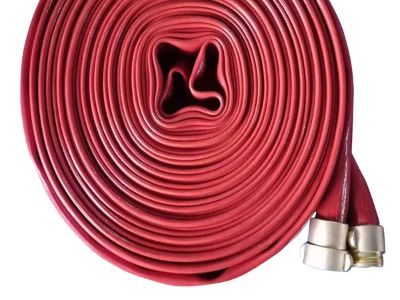
Fire hoses are critical safety equipment designed to deliver water or other fire-retardant materials to extinguish fires. For manufacturers, understanding and meeting traceability requirements for fire hose manufacturing and quality assurance is essential. B2B buyers, including purchasing managers and safety officers, need to ensure that the hoses they procure meet stringent quality and regulatory standards. This article will explore traceability requirements, key specifications for quality assurance, supplier selection, material advantages, and common supply chain challenges in fire hose production
Traceability Requirements in Fire Hose Manufacturing
Traceability in fire hose manufacturing involves tracking the production process from raw materials to finished products. This is crucial for ensuring compliance with safety regulations and quality standards. Each batch of fire hose cotton canvas should have a unique identifier that allows manufacturers and buyers to trace its origin, production history, and testing results
For instance, Jiangsu Nantong Longtao Fire-Hose Group Co., Ltd. implements traceability by maintaining detailed records of material sources, production processes, and quality checks. This practice not only helps identify potential issues in production but also provides buyers with the assurance that the hoses meet safety standards. When evaluating suppliers, buyers should inquire about their traceability systems, including how they document and manage this information
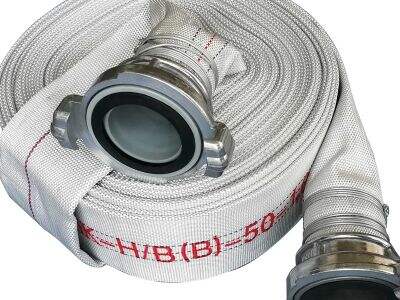
Key Specifications for Quality Assurance in Fire Hose Production
Several key specifications are vital for ensuring the quality of fire hoses. These include
Material Composition: The type of material used in the hose affects its durability, flexibility, and resistance to heat and chemicals. Common materials include PVC, rubber, and polyurethane, each offering different performance characteristics
Pressure Rating: Fire hoses must be able to withstand high-pressure conditions. Understanding the operating pressure and burst pressure ratings is essential for safety and performance in firefighting applications
Diameter and Length: Standard sizes must be adhered to for compatibility with firefighting equipment. Offering various diameters and lengths can cater to different operational needs
Couplings and Nozzles: Compatibility with existing firefighting gear is crucial. Buyers should ensure that the couplings and nozzles meet industry standards for reliable connectivity
Before placing an order, it's advisable to verify these specifications with the manufacturer and request samples for testing under actual conditions
How to Choose Reliable Suppliers for Fire Hose Products
Selecting reliable suppliers for fire hose products involves several considerations
Reputation and Experience: Look for manufacturers with a proven track record in the industry. Experience often correlates with product quality and reliability
Certifications: Verify whether the supplier holds relevant certifications, such as ISO standards or certifications from fire safety organizations. This indicates adherence to quality and safety protocols
Customization Capabilities: Depending on specific application needs, buyers may require customized solutions. Suppliers should demonstrate flexibility and capability in modifying products according to buyer specifications
Quality Assurance Processes: Inquire about the supplier’s quality assurance measures, including testing protocols and the handling of defects. A robust quality control process is essential for maintaining product standards
Customer Support: Evaluate the supplier's customer service, including responsiveness and support during the ordering process. Good communication is vital for resolving any issues that may arise
By carefully assessing these factors, buyers can ensure they partner with suppliers who prioritize quality and reliability in their fire hose products
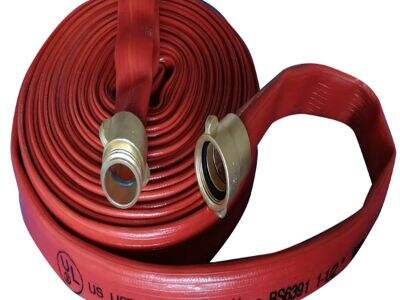
Understanding Material Advantages in Fire Hose Manufacturing
The selection of materials in fire hose manufacturing significantly impacts performance and durability. Each material has distinct advantages
PVC (Polyvinyl Chloride): Lightweight and cost-effective, PVC hoses are commonly used for general applications. However, they may not perform well under extreme temperatures
Rubber: Known for its flexibility and durability, rubber hoses are ideal for high-pressure applications and environments with extreme temperature variations
Polyurethane: This material offers excellent abrasion resistance and is highly flexible, making it suitable for a variety of applications, including firefighting in rugged terrains
When selecting fire hoses, buyers should consider the operational environment and specific application requirements to choose the most appropriate material. It’s also beneficial to consult with the manufacturer for recommendations based on intended use
Common Problems in Fire Hose Supply Chains and Effective Solutions
Fire hose supply chains can face several challenges, including
Material Shortages: Disruptions in the supply of raw materials can delay production. Establishing relationships with multiple suppliers can help mitigate this risk
Quality Control Issues: Inconsistent quality can lead to product failures. Implementing stringent quality checks at every production stage is essential for maintaining standards
Logistical Delays: Timely delivery is critical. Working with suppliers that have a robust logistics network can help ensure that products are delivered on time
To address these challenges, buyers should maintain open communication with suppliers and establish clear expectations regarding quality, delivery timelines, and contingency plans. Regular audits of the supply chain can also help identify and rectify potential issues before they impact production
By understanding these challenges and implementing proactive strategies, buyers can enhance the reliability of their fire hose supply chain, ensuring that they receive high-quality products that meet their safety and operational needs
Table of Contents
- Traceability Requirements in Fire Hose Manufacturing
- Key Specifications for Quality Assurance in Fire Hose Production
- How to Choose Reliable Suppliers for Fire Hose Products
- Understanding Material Advantages in Fire Hose Manufacturing
- Common Problems in Fire Hose Supply Chains and Effective Solutions
