
 EN
EN
 AR
AR
 FR
FR
 DE
DE
 KO
KO
 CS
CS
 DA
DA
 NL
NL
 FI
FI
 EL
EL
 IT
IT
 JA
JA
 NO
NO
 PL
PL
 PT
PT
 RO
RO
 RU
RU
 ES
ES
 SV
SV
 TL
TL
 IW
IW
 ID
ID
 LV
LV
 LT
LT
 SR
SR
 SK
SK
 SL
SL
 UK
UK
 SQ
SQ
 ET
ET
 HU
HU
 TH
TH
 TR
TR
 FA
FA
 AF
AF
 IS
IS
 MK
MK
 KA
KA
 UR
UR
 BN
BN
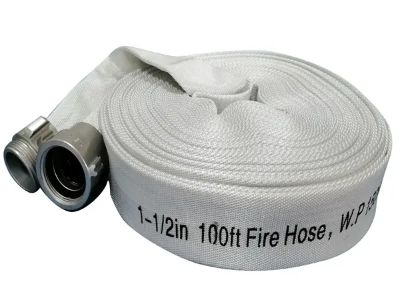
Fire hoses are critical components in firefighting, providing the necessary means to transport water from a source to the fire scene. Ensuring the quality of fire hoses through stringent quality control during manufacturing is vital. This article focuses on fire hose quality control, highlighting critical inspection points during manufacturing, and addressing common concerns for B2B buyers such as reliability, performance, and supplier evaluation.
How to Choose Reliable Suppliers for Fire Hose Products?
Selecting a reliable supplier for fire hose products involves several considerations. First, assess their manufacturing capabilities. Look for suppliers with substantial production capacity, like Jiangsu Nantong Longtao Fire-Hose Group Co., Ltd., which has an annual capacity of 10 million fire hose meters. Suppliers should also have certifications and quality management systems that align with industry standards.
Next, evaluate their product range. A comprehensive product offering, including lined, double-coated, spray, garden, and flyboard hoses, indicates a supplier's versatility and expertise. Additionally, inquire about customization capabilities to meet specific requirements, as tailored solutions often provide better performance in unique applications.
Lastly, consider the supplier's export experience. A supplier with a track record of exporting to markets like the US and Germany is likely to be familiar with international standards and regulations, ensuring compliance and quality assurance.
Where to Find High-Quality Fire Hoses for Wholesale Purchasing?
To find high-quality fire hoses for wholesale purchasing, start by researching reputable manufacturers and distributors online. Trade shows and industry expos are also excellent venues to connect with potential suppliers and evaluate their products firsthand. Online marketplaces and industry-specific platforms can facilitate comparisons of different suppliers based on product range, pricing, and customer reviews.
When sourcing fire hoses, check that the manufacturer provides detailed product specifications, including material types, dimensions, and performance ratings. This information is essential for ensuring the hoses meet the necessary requirements for your intended applications, whether for industrial use or municipal firefighting.
Furthermore, request samples to evaluate the physical attributes of the hoses, such as flexibility, durability, and coupling compatibility. This can help you gauge the quality before placing bulk orders.
Common Problems in Fire Hose Manufacturing and Their Solutions
In the manufacturing of fire hoses, several common problems can arise, impacting the quality and performance of the final product. One frequent issue is inconsistencies in material thickness, which can lead to reduced pressure resistance and durability. To mitigate this, manufacturers should implement stringent quality checks at each stage of production to ensure that the material meets specified thickness requirements.
Another challenge is the bonding of layers in composite hoses. If the bonding is inadequate, it can result in delamination during use. Regular testing of adhesive strength and conducting batch tests can help identify weaknesses before the hoses are dispatched.
Moreover, improper curing times can affect the hose's flexibility and strength. Manufacturers should adhere strictly to curing times as recommended for the specific materials used, and buyers should verify these processes during inspections.
Ensuring Optimal Performance
Ensuring optimal performance from fire hoses requires attention to both design and material selection. Different supply fire hose types, such as lined, double-coated, or spray hoses, serve various purposes. For instance, lined hoses are ideal for high-pressure applications, while spray hoses are better suited for low-pressure scenarios.
Buyers should evaluate the intended use of the hoses. Factors such as the expected pressure, temperature conditions, and chemical exposure should dictate material choices. Common materials include PVC, rubber, and polyurethane, each offering unique advantages in terms of flexibility, durability, and resistance to environmental factors.
Additionally, operational checks, such as burst testing and lay-flat performance evaluation, should be performed. These tests help ensure that the hoses can withstand the rigors of firefighting without failing.
Material Advantages of Different Fire Hose Types for Importers
When importing fire hoses, understanding the advantages of different materials is crucial. For example, rubber hoses, known for their durability and flexibility, perform well in extreme temperatures and are resistant to abrasion. They are suitable for rugged environments and prolonged use.
PVC hoses, on the other hand, tend to be lighter and more affordable, making them a popular choice for general-purpose applications. However, they may not withstand high temperatures as effectively as rubber.
Polyurethane hoses offer a balance between weight and durability, providing excellent resistance to chemicals and UV exposure. This makes them suitable for both industrial and agricultural applications.
Importers should also consider the hoses' compliance with international standards, which can vary based on the material and design. Confirming that the materials used meet relevant certifications can prevent compliance issues and enhance the product's marketability.
By understanding these material advantages, importers can make informed decisions that align with their customers' needs, ensuring that the flexible fire hose they select are fit for purpose and deliver the required performance.
