
 EN
EN
 AR
AR
 FR
FR
 DE
DE
 KO
KO
 CS
CS
 DA
DA
 NL
NL
 FI
FI
 EL
EL
 IT
IT
 JA
JA
 NO
NO
 PL
PL
 PT
PT
 RO
RO
 RU
RU
 ES
ES
 SV
SV
 TL
TL
 IW
IW
 ID
ID
 LV
LV
 LT
LT
 SR
SR
 SK
SK
 SL
SL
 UK
UK
 SQ
SQ
 ET
ET
 HU
HU
 TH
TH
 TR
TR
 FA
FA
 AF
AF
 IS
IS
 MK
MK
 KA
KA
 UR
UR
 BN
BN
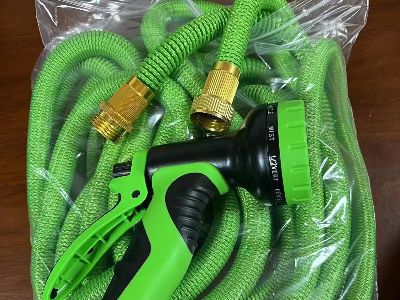
When evaluating garden hoses for various applications, a common debate arises between thermoplastic and rubber materials. Understanding the nuances of thermoplastic vs. rubber garden hose is crucial for B2B buyers, purchasing managers, and distributors to make informed decisions that align with their specific needs. This article delves into material engineering considerations, helping professionals navigate aspects such as performance, cost, installation, and practical applications, ultimately guiding them in making the best purchasing choice.
Thermoplastic vs. Rubber Garden Hose
Thermoplastic garden hoses are typically made from PVC or a blend of materials that provide flexibility and lightweight properties. They are known for their resistance to kinks and are often easier to maneuver than rubber hoses. However, they may not offer the same durability or temperature resistance as rubber options. On the other hand, rubber garden hoses are generally heavier and more robust, offering superior performance in extreme temperatures and handling abrasive conditions. They are less prone to UV damage and can withstand higher pressures, making them suitable for more demanding tasks.
When choosing between thermoplastic and rubber hoses, consider factors such as the intended use, environmental conditions, and durability requirements. For instance, if the expandable 100ft garden hose will be used in a commercial setting where heavy-duty performance is required, rubber may be the better choice. Conversely, for light-duty gardening tasks, a thermoplastic hose might suffice.
How to Choose Between Thermoplastic and Rubber Garden Hoses?
Choosing between thermoplastic and rubber garden hoses involves several key considerations. First, assess the intended application. For light-duty tasks, such as watering small gardens or washing cars, a thermoplastic hose is often adequate due to its flexibility and lightweight nature. However, for heavy-duty applications, such as commercial landscaping or industrial cleaning, rubber hoses are typically preferred due to their superior strength and durability.
Next, consider the environmental factors. If the hose will be used in extreme temperatures or exposed to UV light, rubber hoses tend to perform better over time. Additionally, evaluate the hose's pressure rating. Rubber hoses usually have higher pressure ratings, making them suitable for use with powerful pressure washers or in applications where high water flow is essential.
Lastly, think about maintenance and storage. Thermoplastic hoses are often easier to store and handle due to their lighter weight, while rubber hoses may require more care to prevent damage from kinks or abrasion.
Cost Considerations for Thermoplastic and Rubber Garden Hoses
Cost is a significant factor when selecting between thermoplastic and rubber garden hoses. Generally, thermoplastic hoses are less expensive upfront, making them an attractive option for budget-conscious buyers. However, it is essential to consider the long-term costs associated with durability and replacement frequency. Thermoplastic flexible garden hose may not last as long as rubber ones, leading to more frequent replacements and potentially higher costs over time.
Rubber hoses, while typically more expensive initially, often provide greater longevity and performance, which can justify the higher price tag in the long run. When evaluating costs, buyers should also consider the total cost of ownership, including maintenance, replacement frequency, and the specific requirements of their applications.
Installation Guidance for Thermoplastic vs. Rubber Garden Hoses
Installation procedures can vary between thermoplastic and rubber garden hoses. Thermoplastic hoses are often lighter and easier to handle, making them straightforward to install. However, care should be taken to avoid sharp bends or kinks during installation, as this can impact water flow and overall performance.
Rubber hoses, while heavier, may require more robust fittings and connections due to their higher pressure ratings and thicker walls. Ensure that all fittings are compatible with the hose material and rated for the intended pressure. Additionally, when installing rubber hoses in high-temperature environments, confirm that the fittings can also withstand such conditions to prevent leaks or failures.
It is also advisable to test the hose after installation to ensure there are no leaks and that it performs as expected under operational conditions.
Applications of Thermoplastic and Rubber Garden Hoses in Projects
The applications for thermoplastic and rubber garden hoses can differ significantly based on their material properties. Thermoplastic hoses are commonly used in residential settings for light gardening tasks, car washing, and general watering purposes. Their lighter weight and flexibility make them ideal for casual users who need a hose that is easy to handle and store.
In contrast, rubber hoses are often favored in commercial and industrial applications due to their durability and resistance to wear and tear. They are suitable for tasks that require high water pressure, such as pressure washing and irrigation systems in landscaping. Rubber hoses also excel in harsh environments, including construction sites or agricultural settings, where exposure to chemicals and extreme temperatures is common.
When selecting a hose for a specific project, consider the hose's compatibility with the equipment being used, such as nozzles, fittings, and connectors, to ensure optimal performance and longevity. Additionally, buyers should evaluate their specific project requirements, such as length, diameter, and pressure ratings, to determine the most suitable option.
By understanding the key differences between thermoplastic and rubber garden hoses, B2B buyers can make informed decisions that align with their operational needs and budgetary constraints. Whether for light residential use or heavy-duty commercial applications, knowing the material engineering considerations is essential for selecting the right garden hose for any project.
