
 EN
EN
 AR
AR
 FR
FR
 DE
DE
 KO
KO
 CS
CS
 DA
DA
 NL
NL
 FI
FI
 EL
EL
 IT
IT
 JA
JA
 NO
NO
 PL
PL
 PT
PT
 RO
RO
 RU
RU
 ES
ES
 SV
SV
 TL
TL
 IW
IW
 ID
ID
 LV
LV
 LT
LT
 SR
SR
 SK
SK
 SL
SL
 UK
UK
 SQ
SQ
 ET
ET
 HU
HU
 TH
TH
 TR
TR
 FA
FA
 AF
AF
 IS
IS
 MK
MK
 KA
KA
 UR
UR
 BN
BN
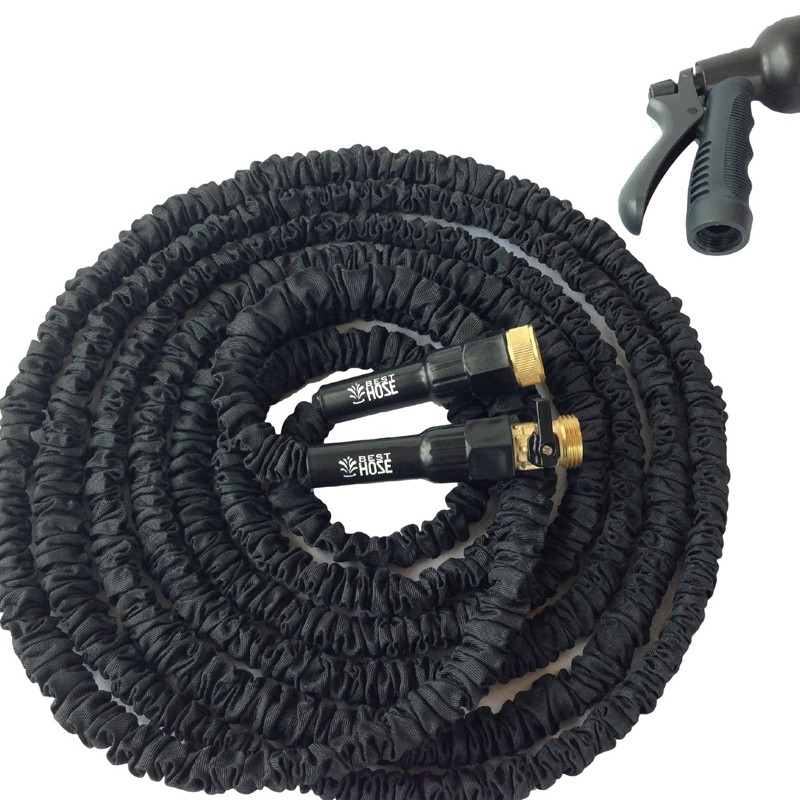
Textile reinforcement is a critical aspect of garden hose manufacturing, enhancing dimensional stability and overall performance. As a B2B buyer, understanding how textile reinforcement works can significantly impact your purchasing decisions. This article will explore the key specifications, reliable suppliers, investment considerations, installation guidance, and common issues related to textile-reinforced garden hoses, providing you with practical insights to make informed decisions.
Key Specifications for Garden Hoses with Textile Reinforcement
When evaluating garden hose with textile reinforcement, several key specifications should be considered. Firstly, the type of textile used such as polyester or nylon affects the hose's strength and flexibility. Polyester, for instance, offers excellent resistance to UV rays and abrasion, making it suitable for outdoor applications. Buyers should also consider the hose's burst pressure rating, which indicates how much internal pressure the hose can withstand before failing. This is particularly important in high-pressure applications.
Another crucial specification is the diameter of the hose, which influences flow rate. A larger diameter can allow for a higher flow rate, beneficial for larger gardens or heavy-duty tasks. The thickness of the hose wall, along with the reinforcement layer, contributes to its overall durability and resistance to kinking. Buyers should always check the manufacturer's data sheets for detailed specifications to ensure compatibility with their intended applications.
Reliable Suppliers of Reinforced Garden Hoses
Selecting a reliable supplier for textile-reinforced garden hoses is essential for ensuring consistent quality and performance. Jiangsu Nantong Longtao Fire-Hose Group Co., Ltd. is a prominent manufacturer known for its high-quality hoses, including those reinforced with textiles. With an annual capacity of 10 million fire hose meters and a focus on quality-first principles, Longtao offers a range of products that meet international standards.
When evaluating potential suppliers, buyers should inquire about their manufacturing capabilities, quality control processes, and experience in exporting to key markets such as the U.S. and Germany. It’s also advisable to request samples and review their production processes to verify that they adhere to strict quality standards. Look for suppliers that provide customization options to meet specific application needs, as this can enhance the performance of the hoses in various environments.
Investing in Textile-Reinforced Garden Hoses
Investing in textile-reinforced garden hoses can yield significant long-term benefits, particularly when considering durability and performance. While these flexible garden hose may have a higher initial cost compared to standard options, their enhanced strength and resistance to wear can lead to lower replacement costs over time. Additionally, the stability provided by textile reinforcement reduces the risk of kinking and bursting, which can disrupt operations and lead to additional expenses.
Buyers should assess the total cost of ownership, which includes not only the purchase price but also maintenance and potential replacement costs. It's important to factor in the expected lifespan of the hoses based on their material and construction quality. Engaging with suppliers to understand their warranty policies and any available certifications can also provide additional assurance of product longevity and reliability.
Installation Guidance for Textile-Reinforced Garden Hoses
Proper installation of textile-reinforced garden hoses is crucial for ensuring optimal performance. When installing these hoses, begin by inspecting the fittings and connectors to ensure they are compatible with the hose diameter. Use appropriate tools to secure connections without over-tightening, which can damage the hose.
It's also advisable to lay out the hose in a manner that avoids sharp bends or kinks, as these can weaken the hose structure and lead to premature failure. If the hose is equipped with a textile reinforcement layer, ensure that it is not exposed to direct sunlight for extended periods, as UV rays can degrade the material over time.
For users working in environments with extreme temperatures or chemicals, it’s essential to consult the manufacturer’s guidelines regarding suitable applications and installation practices to avoid damaging the hose.
Common Problems with Garden Hoses and Their Solutions
Despite their advantages, textile-reinforced garden hoses can encounter several common issues. One frequent problem is kinking, which can occur if the hose is not properly coiled or stored. To mitigate this, users should ensure that lightweight garden hose are adequately supported and not tightly wound when not in use.
Another issue is leaking at the fittings, which can often be resolved by checking the tightness of the connections and replacing worn washers. Users should also regularly inspect hoses for signs of wear, such as cracks or fraying, particularly at high-stress points.
For buyers, understanding these common problems and their solutions can help in selecting the right product and ensuring proper maintenance. Regular inspections and preventive care can significantly extend the lifespan of textile-reinforced garden hoses, making them a reliable choice for various applications.
By understanding how textile reinforcement improves garden hose dimensional stability, B2B buyers can make informed decisions that enhance their operations while ensuring durability and reliability in their gardening and industrial applications.
