
 EN
EN
 AR
AR
 FR
FR
 DE
DE
 KO
KO
 CS
CS
 DA
DA
 NL
NL
 FI
FI
 EL
EL
 IT
IT
 JA
JA
 NO
NO
 PL
PL
 PT
PT
 RO
RO
 RU
RU
 ES
ES
 SV
SV
 TL
TL
 IW
IW
 ID
ID
 LV
LV
 LT
LT
 SR
SR
 SK
SK
 SL
SL
 UK
UK
 SQ
SQ
 ET
ET
 HU
HU
 TH
TH
 TR
TR
 FA
FA
 AF
AF
 IS
IS
 MK
MK
 KA
KA
 UR
UR
 BN
BN
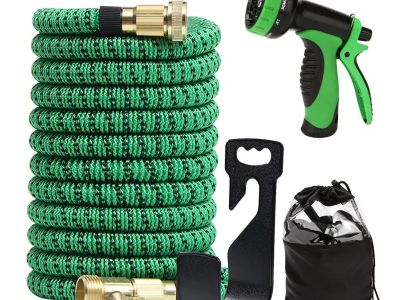
Understanding garden hose UV resistance is crucial for buyers looking to ensure the longevity and durability of their products in sun-exposed environments. This article delves into the engineering aspects of garden hoses, specifically focusing on UV resistance. Key concerns for B2B buyers typically include material selection, performance specifications, and installation practices that maximize hose lifespan under sunlight exposure. This article aims to provide practical insights that can assist purchasing managers, distributors, and engineers in making informed decisions
Key Specifications for Buyers
When evaluating canvas garden hoses, buyers should pay close attention to several key specifications that directly impact UV resistance and overall performance. These include
Material Composition: Hoses made from high-density polyethylene (HDPE), thermoplastic elastomers (TPE), or PVC tend to have better UV resistance. The choice of material affects the hose's flexibility, durability, and ability to withstand long-term sun exposure
Wall Thickness: A thicker wall can enhance UV protection and increase the hose’s resistance to wear and tear. Buyers should look for hoses with reinforced designs that provide added strength without compromising flexibility
Color and UV Stabilizers: Darker colors, while aesthetically pleasing, may absorb more heat, potentially shortening the hose's lifespan. Hoses that incorporate UV stabilizers in their manufacturing process can significantly improve resistance against sunlight degradation
Length and Diameter: Standard sizes vary, but the diameter impacts water flow and pressure. Ensure that the selected size meets the specific needs of the application while considering compatibility with existing fittings and connectors
Understanding these specifications helps buyers make informed decisions that align with their operational needs and environmental conditions
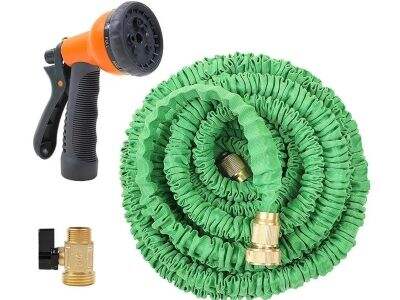
Garden Hose UV Resistance Testing Standards
Various testing standards assess the UV resistance of garden hoses, ensuring they meet industry benchmarks for durability. Common testing methods include
ASTM G154: This standard involves exposing materials to controlled cycles of UV light and moisture to simulate outdoor conditions. The results indicate how well the material holds up against UV radiation over time
ISO 4892: This method evaluates the weathering of plastics under accelerated conditions. It helps determine how the hose will perform in real-world outdoor settings and assesses color stability and material integrity after prolonged exposure
EN 1745: European standard for testing the resistance of plastic materials to UV light, which provides a clear understanding of how well a garden hose can withstand various environmental factors
Buyers should inquire about the UV resistance testing results from their suppliers, as this information can guide them in selecting the right product for sun-exposed applications
Comparing Material Advantages for Garden Hoses in Sun Exposure
Different materials used in garden hose manufacturing offer varying degrees of UV resistance. Here’s a breakdown of some common materials
PVC (Polyvinyl Chloride): While widely used due to its cost-effectiveness and lightweight nature, standard PVC can degrade under UV exposure unless treated with UV inhibitors. It is suitable for occasional use but may not withstand long-term sunlight exposure without degradation
Rubber: Known for its durability and flexibility, rubber hoses often have inherent UV resistance. They are less prone to cracking and splitting in adverse weather conditions, making them suitable for prolonged outdoor use
TPE (Thermoplastic Elastomer): TPE combines the benefits of rubber and plastic, offering excellent UV resistance and flexibility. This material is becoming increasingly popular for garden hoses due to its durability and environmental resistance
HDPE (High-Density Polyethylene): This material is highly resistant to UV rays and is known for its strength and longevity. Hoses made from HDPE are ideal for heavy-duty applications where frequent sun exposure is a concern
When selecting a garden hose, buyers should consider the specific application and environmental factors to determine which material provides the best performance and longevity
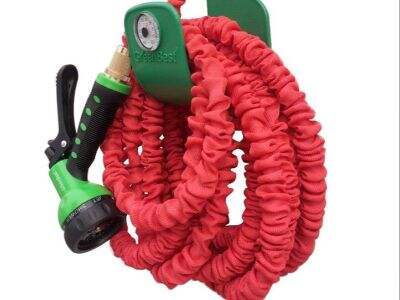
Installation Tips for Maximizing UV Resistance in Garden Hoses
Proper installation can significantly extend the life of garden hoses exposed to sunlight. Here are some practical tips
Avoid Direct Sunlight: Whenever possible, install hoses in shaded areas, or use protective covers to minimize sun exposure. This simple step can reduce UV degradation significantly
Use Hose Reels: Storing hoses on reels helps prevent kinks and damage while also protecting them from prolonged sun exposure. A hose reel can be a practical solution for maintaining hose integrity
Regular Inspections: Periodically check hoses for signs of wear, such as cracks or discoloration. Early detection allows for timely replacement or repairs, ensuring continued performance
Proper Drainage: Ensure that hoses are drained of water after use to prevent damage from freezing temperatures. Moisture can accelerate degradation when combined with UV exposurer
By following these installation tips, buyers can enhance the durability of their garden hoses and maintain optimal performance over time
Common Problems with UV Resistance in Garden Hoses and Solutions
Despite advancements in materials and manufacturing techniques, buyers may still encounter problems related to UV resistance. Here are some common issues and their solutions
Cracking and Brittle Surface: This often occurs when hoses are left in direct sunlight for extended periods. To mitigate this, buyers should choose hoses with UV stabilizers and store them properly when not in use
Color Fading: Prolonged UV exposure can lead to significant discoloration, affecting aesthetics and potentially signaling material degradation. Opting for hoses with UV-resistant pigments can minimize this issue
Loss of Flexibility: Hoses that become brittle due to UV exposure may also lose their flexibility, making them difficult to handle. Selecting high-quality materials that resist UV degradation will help maintain performance
Leaking Connections: Frequent UV exposure can weaken the integrity of hose connections, leading to leaks. Buyers should ensure they use compatible connectors and consider using reinforced hoses to prevent this issue
Understanding these common problems allows buyers to proactively address potential issues, ensuring the hoses remain functional and reliable in sunlit environments
By focusing on the engineering aspects of garden hose UV resistance, including materials, installation practices, and common challenges, B2B buyers can make informed purchasing decisions that enhance the longevity and performance of their products in outdoor applications
