
 EN
EN
 AR
AR
 FR
FR
 DE
DE
 KO
KO
 CS
CS
 DA
DA
 NL
NL
 FI
FI
 EL
EL
 IT
IT
 JA
JA
 NO
NO
 PL
PL
 PT
PT
 RO
RO
 RU
RU
 ES
ES
 SV
SV
 TL
TL
 IW
IW
 ID
ID
 LV
LV
 LT
LT
 SR
SR
 SK
SK
 SL
SL
 UK
UK
 SQ
SQ
 ET
ET
 HU
HU
 TH
TH
 TR
TR
 FA
FA
 AF
AF
 IS
IS
 MK
MK
 KA
KA
 UR
UR
 BN
BN
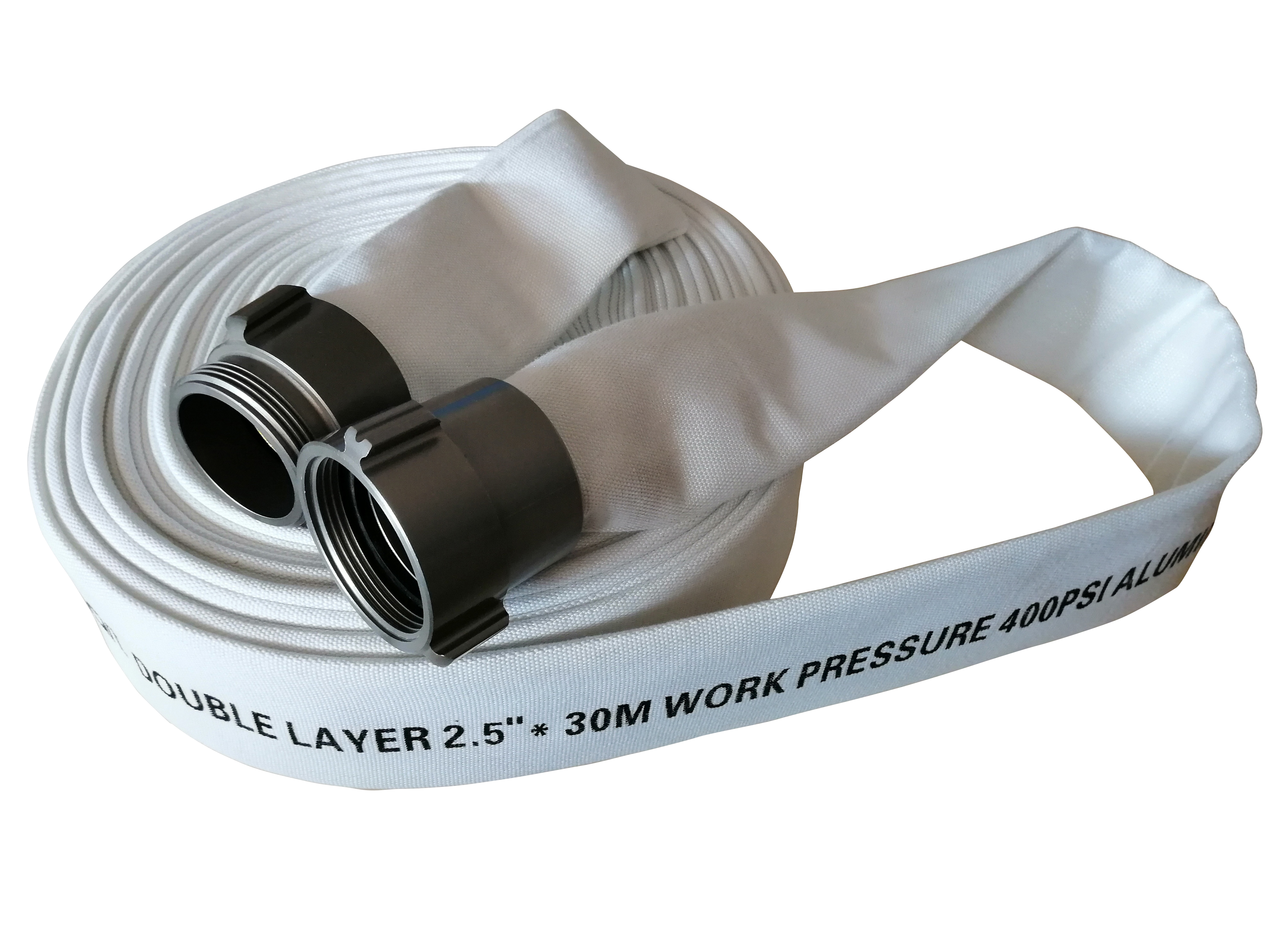
Understanding how hose surface texture influences handling and grip is essential for B2B buyers in industries ranging from firefighting to agriculture. Buyers must consider the impact of surface texture on usability, safety, and overall performance when selecting hoses. This article will explore the various aspects of hose surface texture, helping purchasing managers, engineers, and product managers make informed decisions about their hose requirements.
How Hose Surface Texture Impacts Handling and Grip
The surface texture of a hose plays a crucial role in its handling and grip characteristics. A hose with a smooth surface may be easier to slide through tight spaces but can be difficult to grip, especially under wet or slippery conditions. Conversely, a textured surface can enhance grip, reducing the risk of slippage during operation. For example, hoses designed with a ribbed or corrugated surface provide additional friction, making them more manageable for operators.
This aspect becomes particularly important in applications where safety is paramount, such as firefighting or industrial cleaning. A fire hose that is difficult to control can lead to accidents or inefficiencies. Therefore, understanding the interaction between hose texture and user handling is vital for ensuring both safety and operational effectiveness.
What to Consider When Comparing Hose Surface Textures
When comparing hose surface textures, several factors should be considered to ensure optimal performance for specific applications:
Material Compatibility: Different materials offer varying textures. For instance, rubber hoses may provide different grip capabilities than PVC hoses. Understanding the material's properties can help buyers select the right texture for their needs.
Application Environment: The operating conditions greatly impact the required hose texture. For instance, hoses used in wet or oily environments will benefit from a textured surface that enhances grip.
User Requirements: Understanding who will be using the hose and how they will handle it is essential. For example, if the hose will be operated by personnel wearing gloves, a more pronounced texture may be beneficial.
Performance Specifications: Buyers should evaluate how the surface texture affects the hose's performance under pressure, temperature, and chemical exposure. A suitable texture can enhance durability and resistance to wear, leading to longer service life.
By considering these factors, buyers can make informed decisions that align with their operational needs and safety standards.
Supplier Insights on Hose Surface Texture and Grip Quality
As a leading manufacturer, Jiangsu Nantong Longtao Fire-Hose Group Co., Ltd. understands the intricate relationship between hose surface texture and grip quality. Our experience in producing a wide range of hoses, including firefighting and agricultural hoses, highlights the importance of customizing surface textures to meet specific buyer requirements.
Quality control processes are vital in ensuring that the chosen texture meets performance needs. During production, we conduct thorough inspections to verify that textures provide the necessary grip while maintaining the flexibility and durability of the rubber fire hose. Buyers should ask suppliers about their quality assurance processes and how they test for grip and handling characteristics.
Additionally, it’s beneficial for buyers to request samples to evaluate the surface texture in real-world conditions. This step can help confirm that the hose will perform as expected, particularly in high-stakes environments.
Understanding Hose Texture Specifications for Optimal Performance
Hose texture specifications can vary widely based on the intended application and material used. Important specifications to consider include:
Surface Roughness: Measured in micrometers, surface roughness affects grip and handling. A higher roughness value typically indicates better grip.
Texture Pattern: The pattern of the texture, whether it be ribbed, smooth, or patterned, influences how the hose interacts with the operator's hands and equipment.
Thickness: The overall thickness of the hose can also impact how the surface texture performs under pressure. Thicker hoses may provide more durability, while thinner hoses can be lighter and easier to handle.
Coatings and Treatments: Some hoses may have additional surface treatments that enhance grip or resistance to environmental factors. Understanding these options can lead to better performance in specific applications.
Buyers should collaborate closely with manufacturers to ensure that texture specifications align with their operational requirements and safety standards.
Common Problems with Hose Grip and Their Surface Solutions
Buyers often encounter issues related to hose grip, which can lead to operational inefficiencies or safety hazards. Common problems include:
Slipping: A smooth surface can cause the hose to slip from the operator’s grip, particularly in wet conditions. Solutions include selecting fire hose reel with textured surfaces designed for enhanced grip.
Wear and Tear: Hoses that are frequently pulled or twisted can experience wear on their surfaces. Opting for hoses with robust surface textures can help mitigate this issue, extending the hose's lifespan.
Chemical Compatibility: Certain surface materials may degrade when exposed to specific chemicals, leading to compromised grip. Buyers should ensure that the selected hose material and texture are compatible with the intended chemicals.
Temperature Fluctuations: In extreme temperatures, surface textures can change, affecting grip. Buyers should confirm that the hose is designed to withstand the expected temperature ranges and that the surface texture remains effective.
By being aware of these common grip-related issues and discussing them with suppliers, buyers can make more informed decisions and choose hoses that will perform reliably in their specific applications.
Understanding how hose surface texture influences handling and grip is essential for making informed purchasing decisions. By considering factors such as material compatibility, application environment, and performance specifications, buyers can select hoses that not only meet their operational needs but also enhance safety and efficiency. As a trusted manufacturer, Jiangsu Nantong Longtao Fire-Hose Group Co., Ltd. is committed to providing high-quality water pump hose tailored to these requirements.
