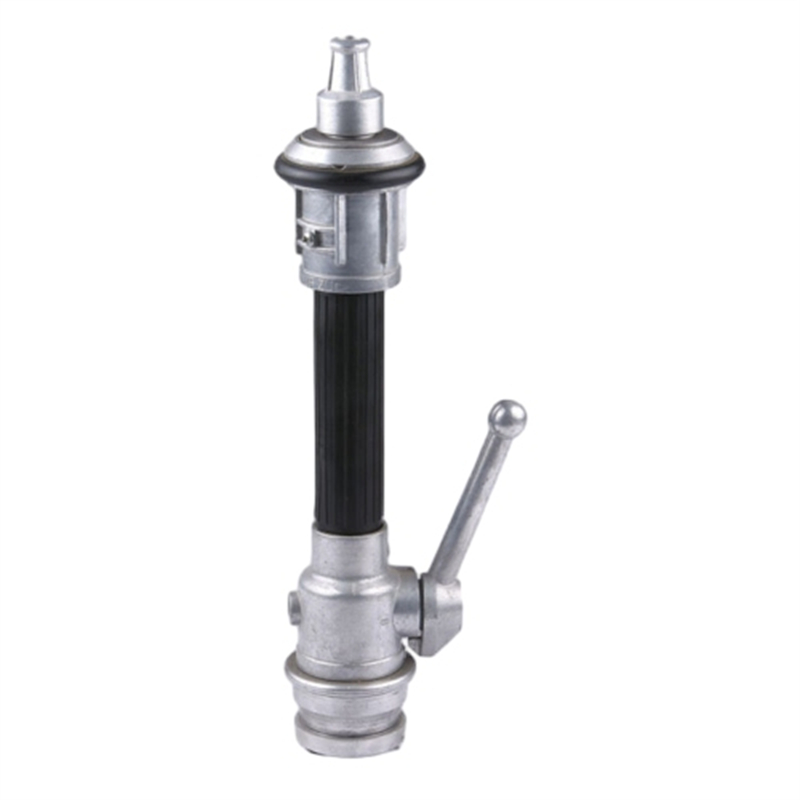
Water discharge hoses are essential components in various industrial and commercial applications, facilitating the safe and efficient transfer of water and other liquids. As a B2B buyer, you may have concerns regarding the quality, reliability, and compatibility of these hoses for your specific needs. This article will provide insights into finding reliable wholesale suppliers of water discharge hoses, key considerations for selection, common installation issues, an evaluation of pros and cons, and cost factors to keep in mind when making your purchasing decisions.
Finding a trustworthy supplier for water discharge hoses involves several steps. Start by researching manufacturers with a strong reputation in the industry, such as Jiangsu Nantong Longtao Fire-Hose Group Co., Ltd., known for its extensive range of hoses and custom fire equipment. Look for suppliers with experience in your specific market and those that export to regions like the US and Germany, as these markets often have stringent quality standards.
In addition to online research, attending industry trade shows and exhibitions can provide opportunities to meet suppliers, see their products firsthand, and discuss your needs directly. Furthermore, consider leveraging platforms that connect businesses where you can find verified suppliers and read reviews from other buyers. When evaluating potential suppliers, ensure they have the necessary certifications and quality control processes in place to meet your requirements.
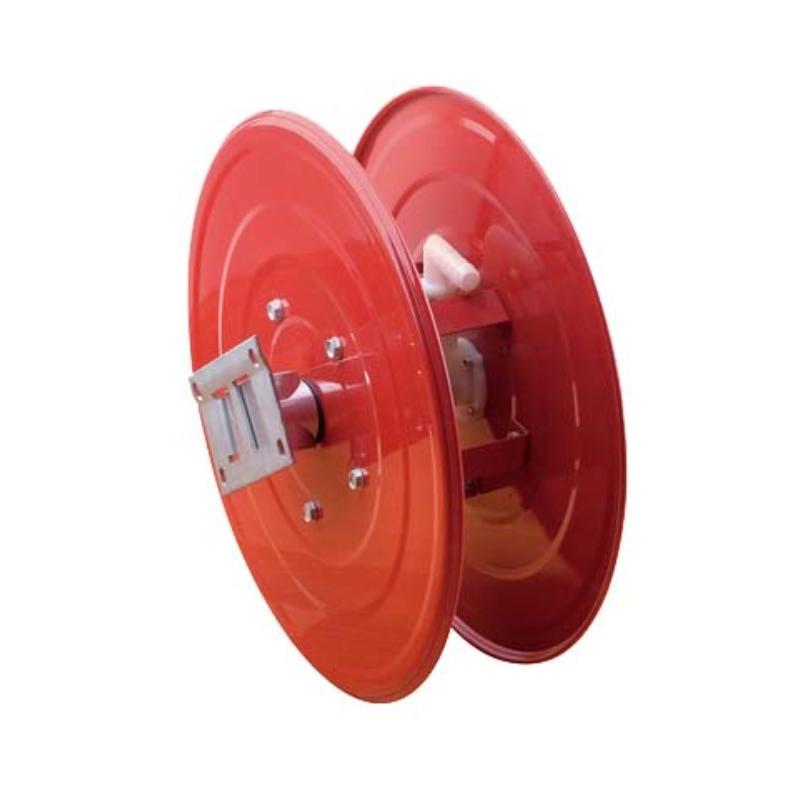
When selecting a water discharge hose, several critical factors should be taken into account:
Material: The hose material impacts durability, flexibility, and resistance to environmental factors. Common materials include PVC, rubber, and polyurethane. Choose a material that suits your operational conditions, such as temperature ranges and chemical exposure.
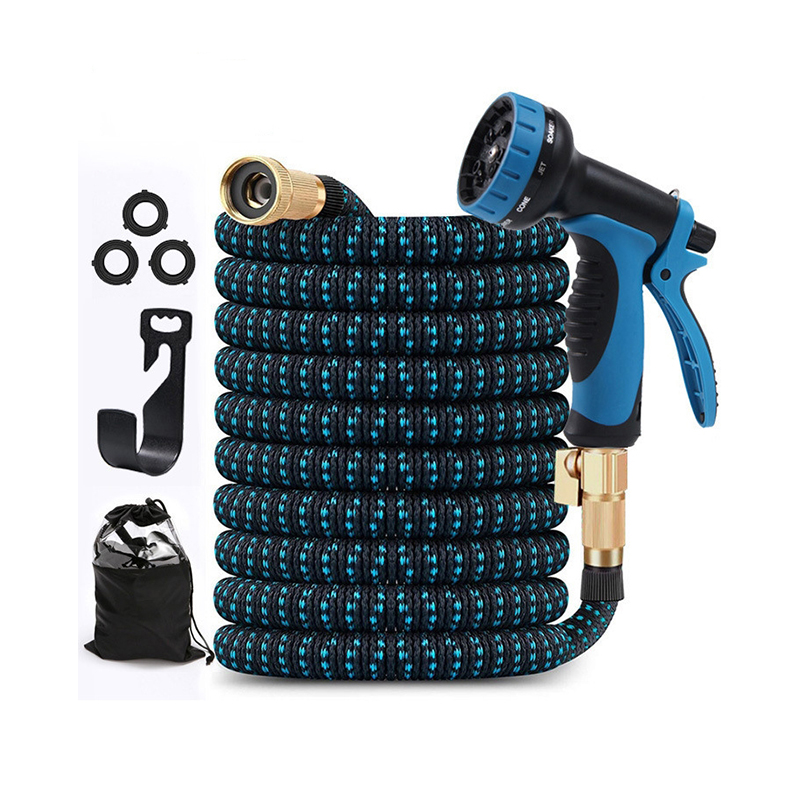
Diameter and Length: Ensure the diameter and length of the hose fit your application needs. A flex water hose that is too narrow may restrict flow, while one that is too wide could be cumbersome to handle.
Pressure Rating: The hose should be capable of withstanding the maximum pressure expected in your application. Check the manufacturer's specifications for pressure ratings and ensure they align with your system requirements.
Compatibility: Verify that the hose is compatible with the fluids it will be transporting. Some hoses may not hold up well against certain chemicals or temperatures, which could lead to premature failure.
Customization Options: If your application has unique requirements, consider suppliers that offer customization in terms of length, diameter, or fittings.
Quality Control: Ensure that the supplier adheres to rigorous quality control processes, including testing for performance and durability. A reliable supplier should provide documentation of quality assurance measures.
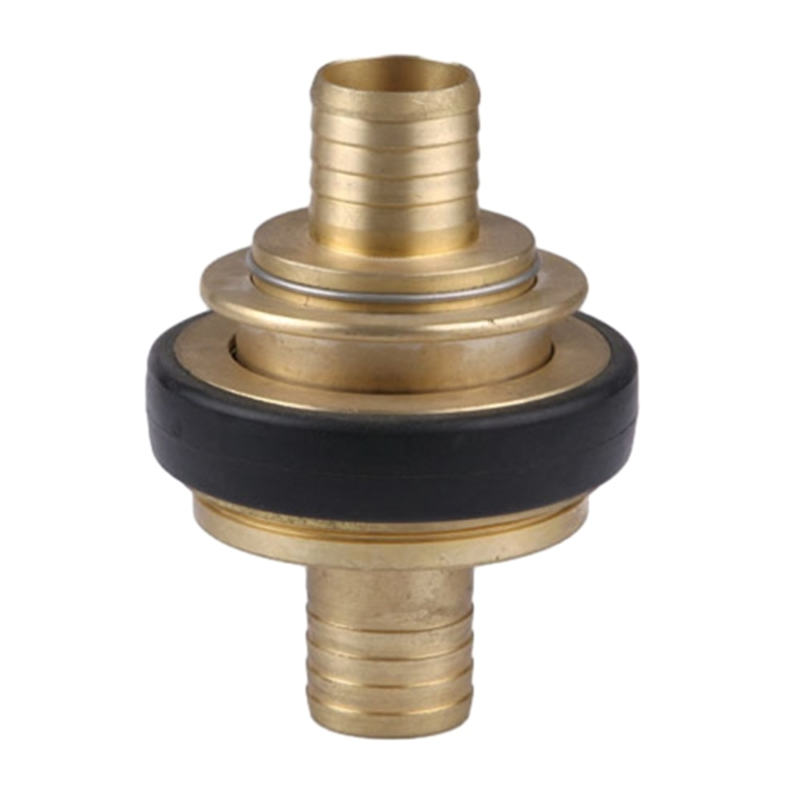
Installation of water discharge hoses can present several challenges. Common installation issues include:
Kinking: Hoses can kink during installation or use, restricting fluid flow. To prevent this, ensure that the hose is properly supported and routed, avoiding sharp bends.
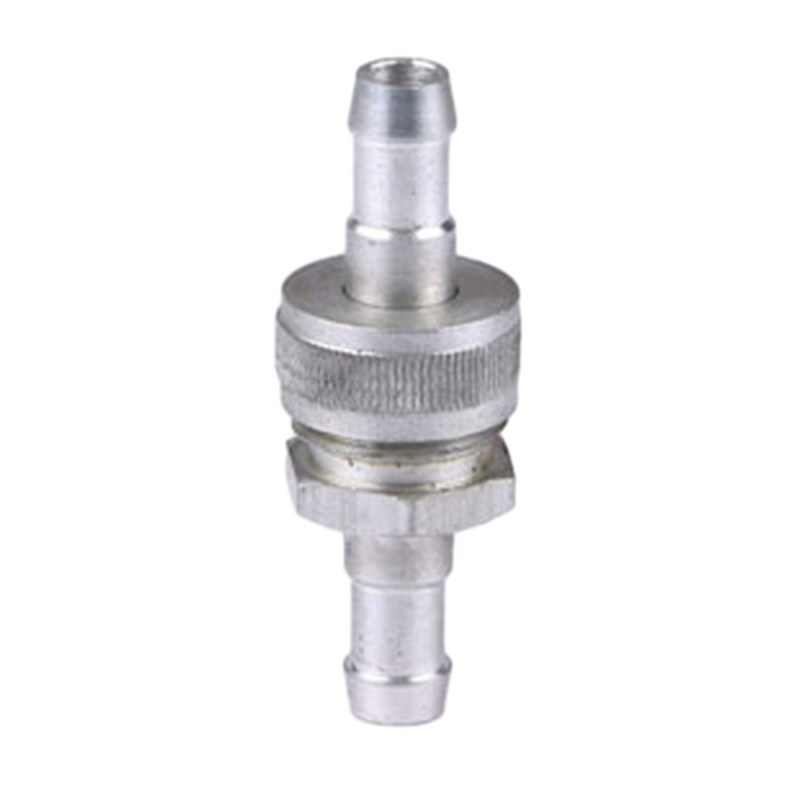
Improper Fittings: Using the wrong fittings can lead to leaks or hose failure. Verify that the fittings match the flexible water hose specifications and are suitable for the intended application.
Insufficient Support: Hoses should be adequately supported to avoid sagging, which can lead to wear and tear. Use brackets or guide rails to secure the hose along its length.
Temperature and Environmental Conditions: Extreme temperatures can affect hose flexibility and performance. Be aware of the operating environment and choose hoses designed for those conditions.
To address these issues, provide installation training for your team, and consult the manufacturer's guidelines for best practices. Also, consider conducting a trial installation to identify potential problems before full implementation.
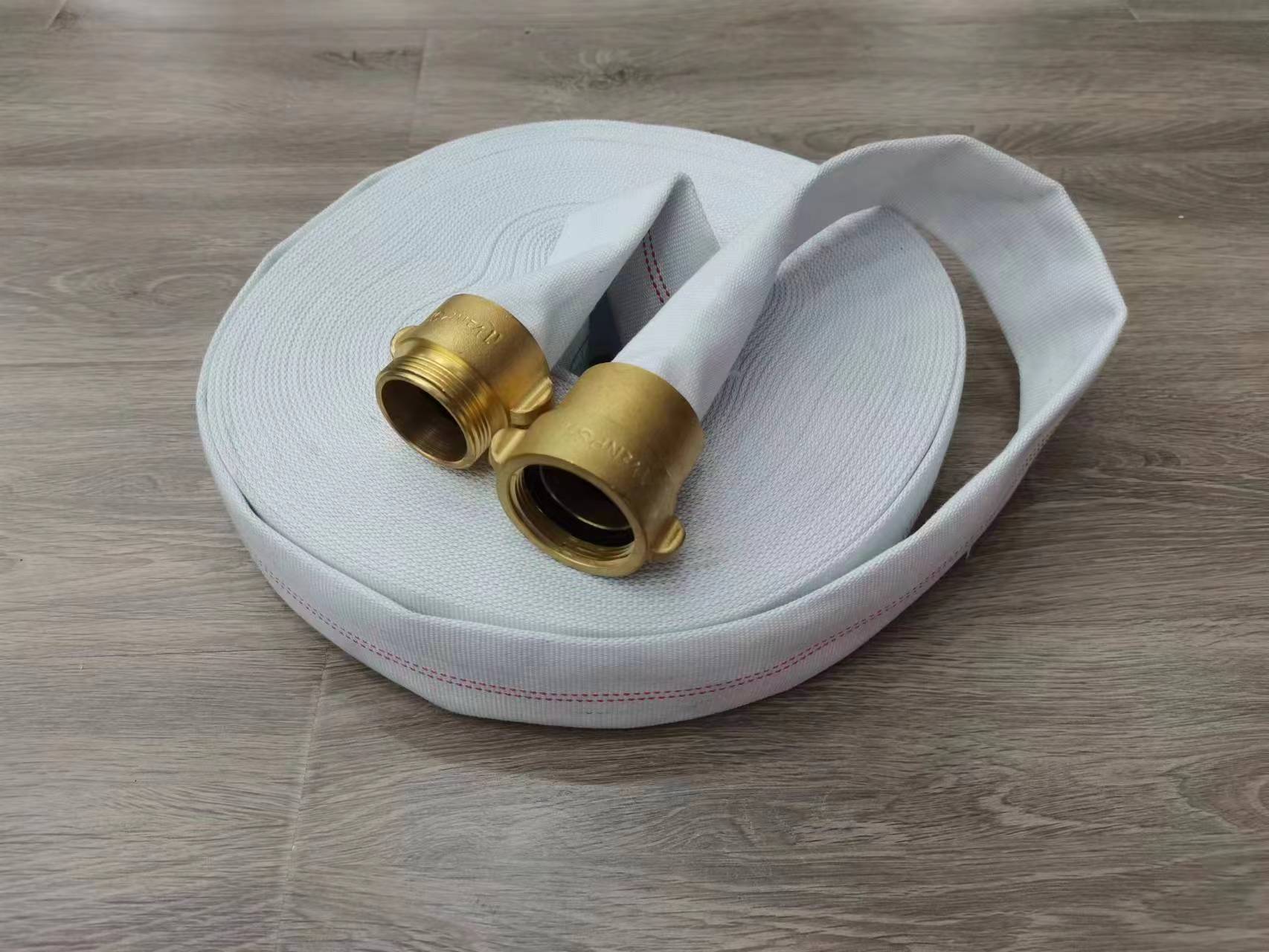
Versatility: Water discharge hoses can be used in various applications, including agriculture, construction, and firefighting.
Customizability: Many suppliers offer customization options, allowing you to tailor hoses to your specific needs.
Durability: High-quality hoses can withstand demanding conditions, ensuring long-term performance.
Initial Cost: Quality hoses may have a higher upfront cost, but the investment often pays off in reduced maintenance and replacement costs.
Handling: Depending on the material, some potable water hose can be heavy or less flexible, making them more challenging to handle.
Installation Complexity: Proper installation is crucial for optimal performance, and mistakes can lead to issues like leaks or reduced efficiency.
Jiangsu Nantong Longtao Fire-Hose Group Co., Ltd. has successfully exported its high-quality products to numerous countries, including the United States, Germany, Italy, Russia, South Korea, Japan, Vietnam, and the Middle East. The company adheres to a customer-first philosophy, offering high-quality, cost-effective products and services. Its commitment to honest cooperation and mutual benefit ensures long-term partnerships and a win-win situation for both the company and its clients. This global presence and customer-centric approach highlight the company's ability to compete and thrive in the international market.
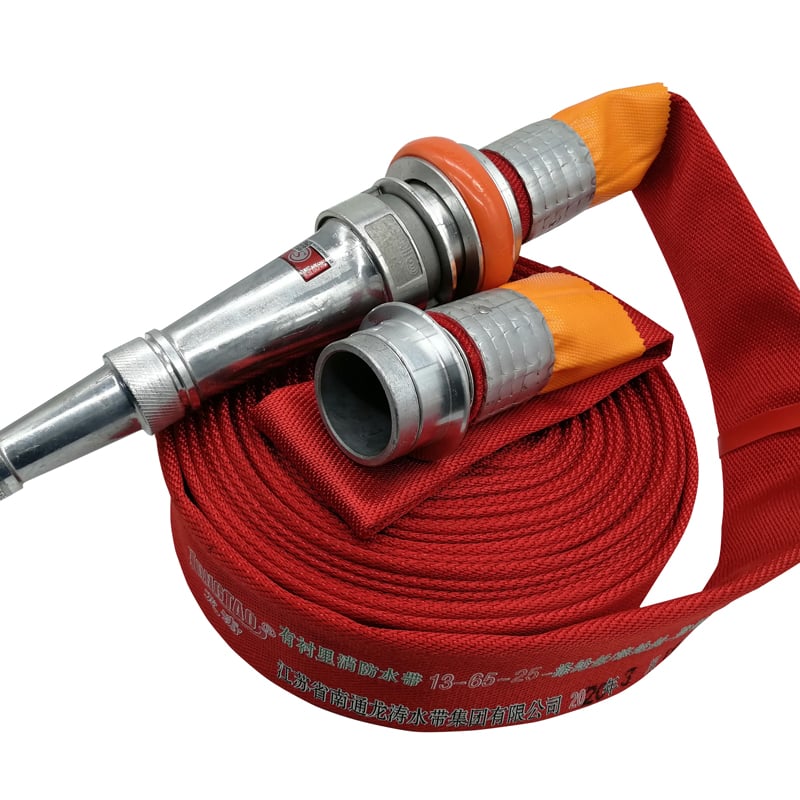
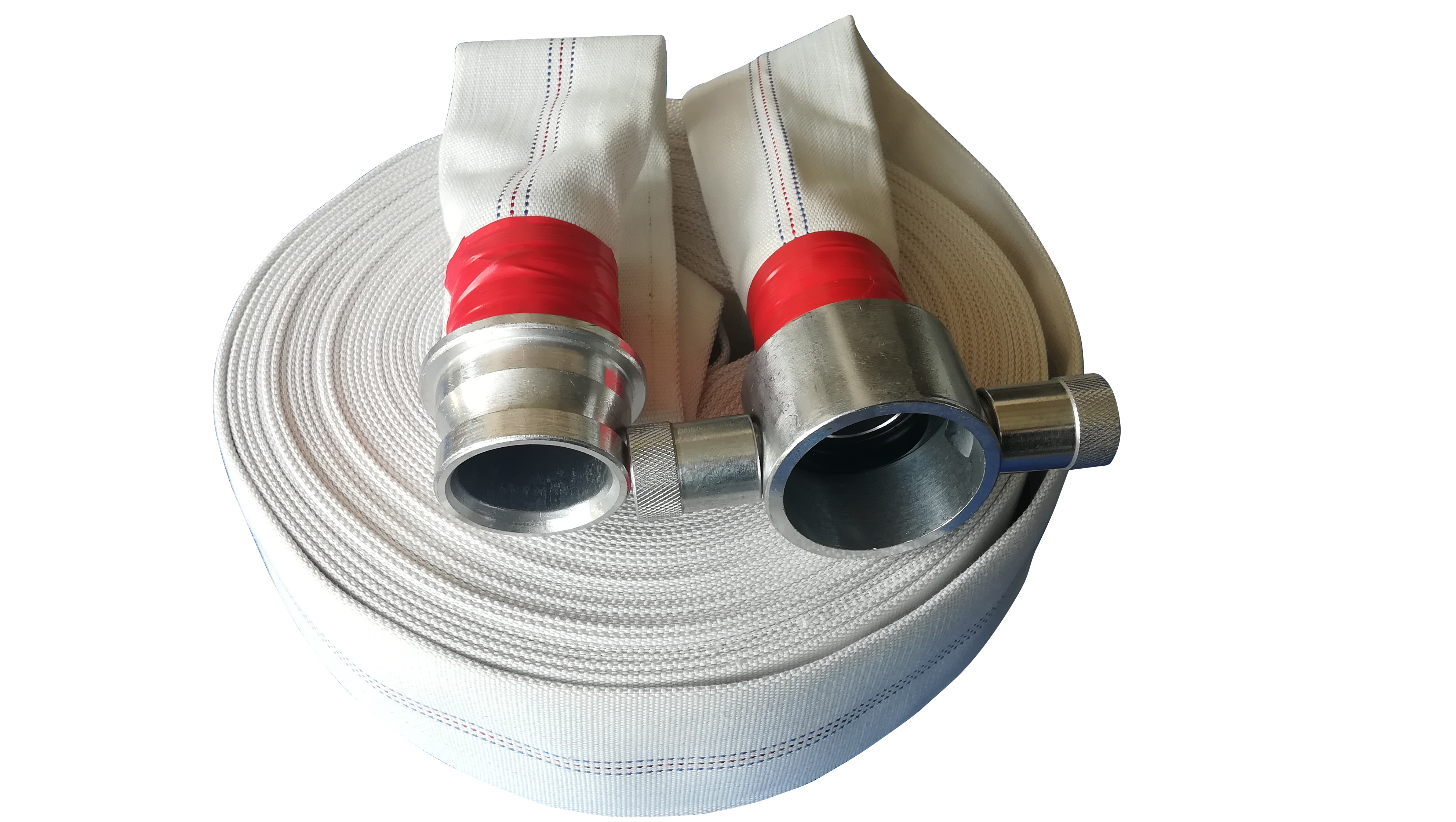
With an annual production capacity of 10 million meters of fire hose and 7,000 sets of fire hydrant boxes, the company demonstrates its ability to meet large-scale demands efficiently. The product range is extensive, including lined fire hoses (single and double jacket), double-coated fire hoses, fire hose reels, plastic-coated hoses, spray fire hoses, garden hoses, and specialized nozzles and couplings that meet various international standards. This diversity allows the company to cater to a wide array of customer needs across different markets.
The company places a strong emphasis on quality, which is fundamental to its survival and success. It is dedicated to the manufacturing, production, and research and development of fire-fighting equipment, including custom-made solutions for domestic and foreign professional fire brigades. The company holds multiple patent certificates for its independently developed intellectual property products, showcasing its innovative capabilities and commitment to advancing fire safety technology.
Jiangsu Nantong Longtao Fire-Hose Group Co., Ltd. is officially recognized by the Ministry of Public Security as a designated enterprise for the production of fire hoses, fire hydrants, and fire boxes. This designation underscores the company's compliance with stringent national standards and its commitment to producing high-quality fire safety equipment. Being a government-designated enterprise also reflects the company's reliability and trustworthiness in the industry.
When evaluating costs for water discharge hoses, several factors come into play:
Material: The choice of material significantly impacts cost. Rubber hoses tend to be more expensive but offer better durability and performance in harsh conditions compared to PVC hoses.
Length and Diameter: Longer and wider hoses generally cost more. Ensure that you specify the exact dimensions required for your application to avoid unnecessary expenses.
Customization: Custom hoses may incur additional charges for design and production. Discuss these options with your supplier to understand the pricing structure.
Quantity: Many suppliers have minimum order quantities (MOQ) that can influence pricing. Ordering in bulk may provide cost advantages but be mindful of your actual needs to avoid over-purchasing.
Certifications and Quality Standards: Hoses that meet specific industry standards or certifications may come at a premium. However, investing in certified products can mitigate risks related to performance and safety.
Shipping and Handling: Factor in shipping costs, which can vary based on distance and the size of the shipment. Confirm delivery lead times with suppliers to ensure they align with your project timelines.
By understanding these cost factors, you can make more informed decisions that align with your budget and application requirements.
In summary, selecting the right water discharge hose involves not just understanding your specific application requirements but also evaluating potential suppliers for reliability and quality assurance. By considering the factors discussed above, you will be better equipped to make informed purchasing decisions that enhance operational efficiency and safety.

Welcome to Jiangsu Nantong Longtao, we are a leading manufacturer specialize in fire hoses, fire hydrants and fire boxes.
No.888 Renmin South Road, Dayu Town,Rudong County, Nantong City, Jiansu Province
Copyright © EVERBRIGHT FIRE-FIGHTING EQUIPMENT(NANTONG)CO., LTD. All Rights Reserved
 EN
 AR
 FR
 DE
 KO
 CS
 DA
 NL
 FI
 EL
 IT
 JA
 NO
 PL
 PT
 RO
 RU
 ES
 SV
 TL
 IW
 ID
 LV
 LT
 SR
 SK
 SL
 UK
 SQ
 ET
 HU
 TH
 TR
 FA
 AF
 IS
 MK
 KA
 UR
 BN