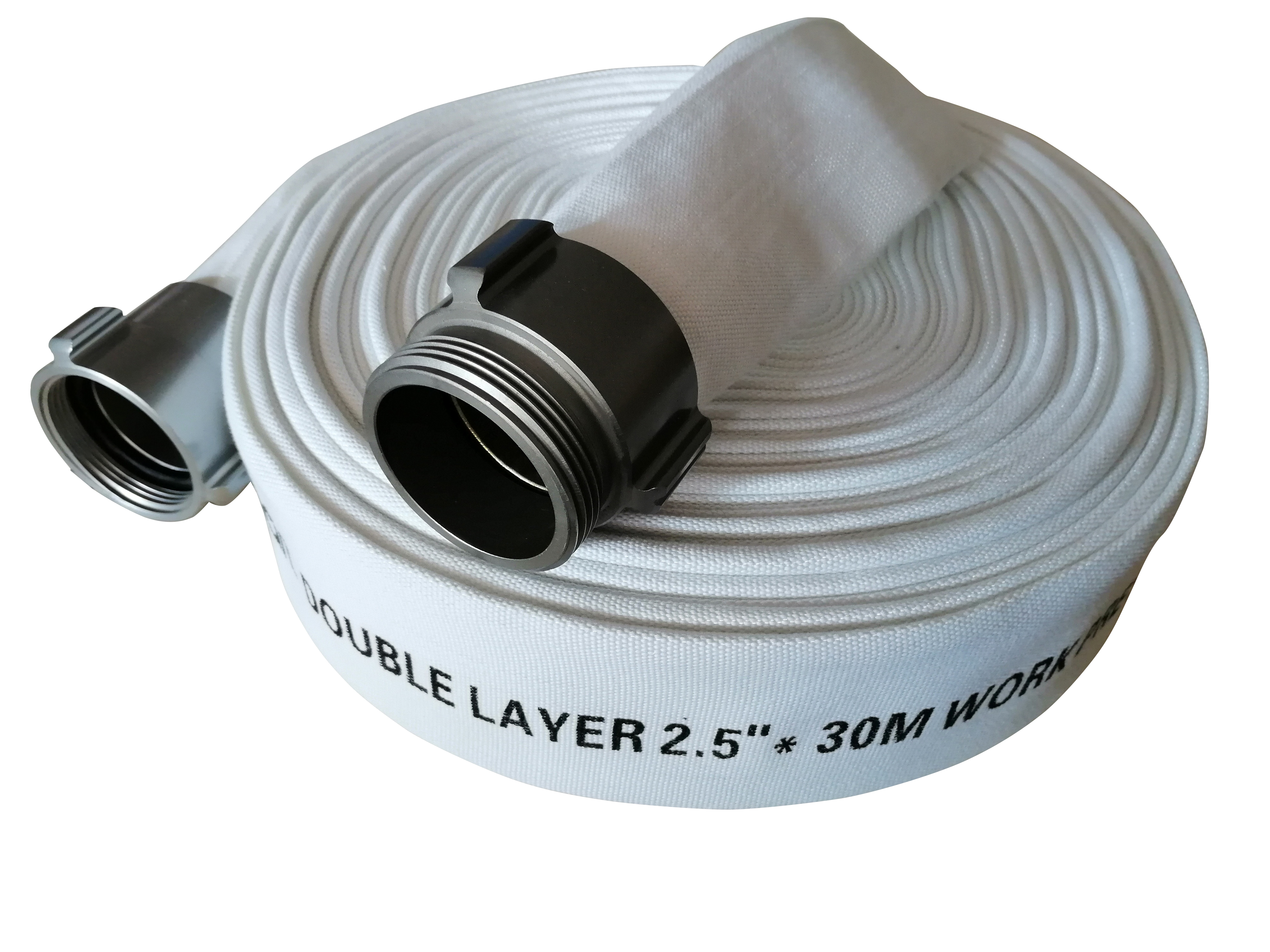
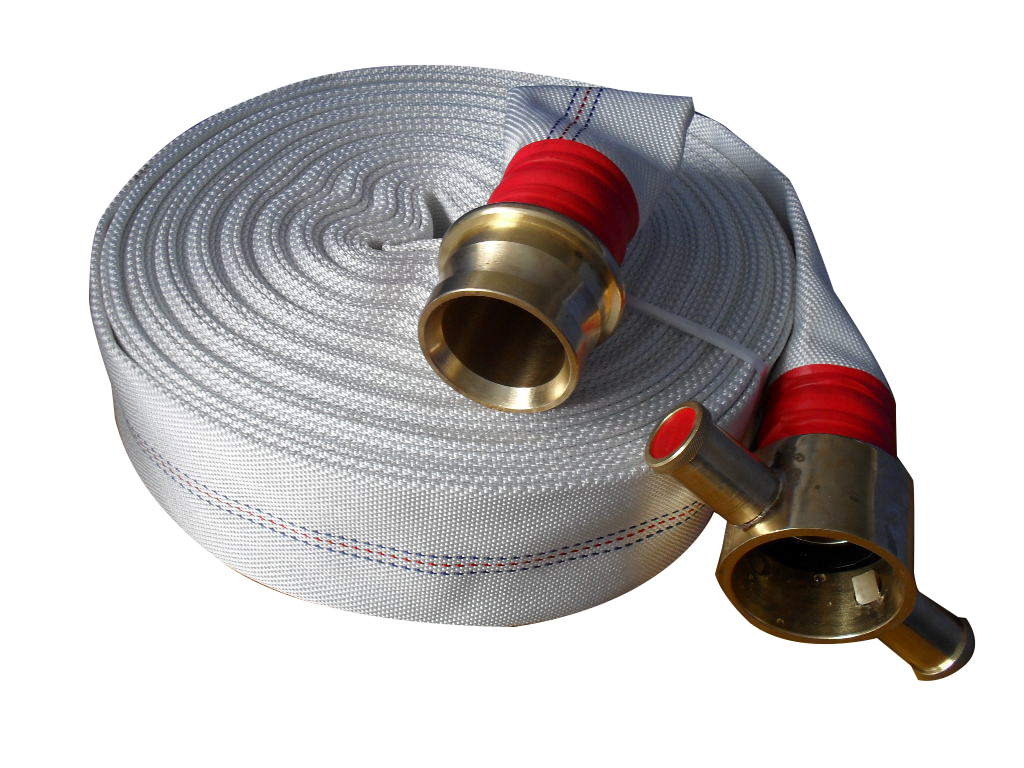
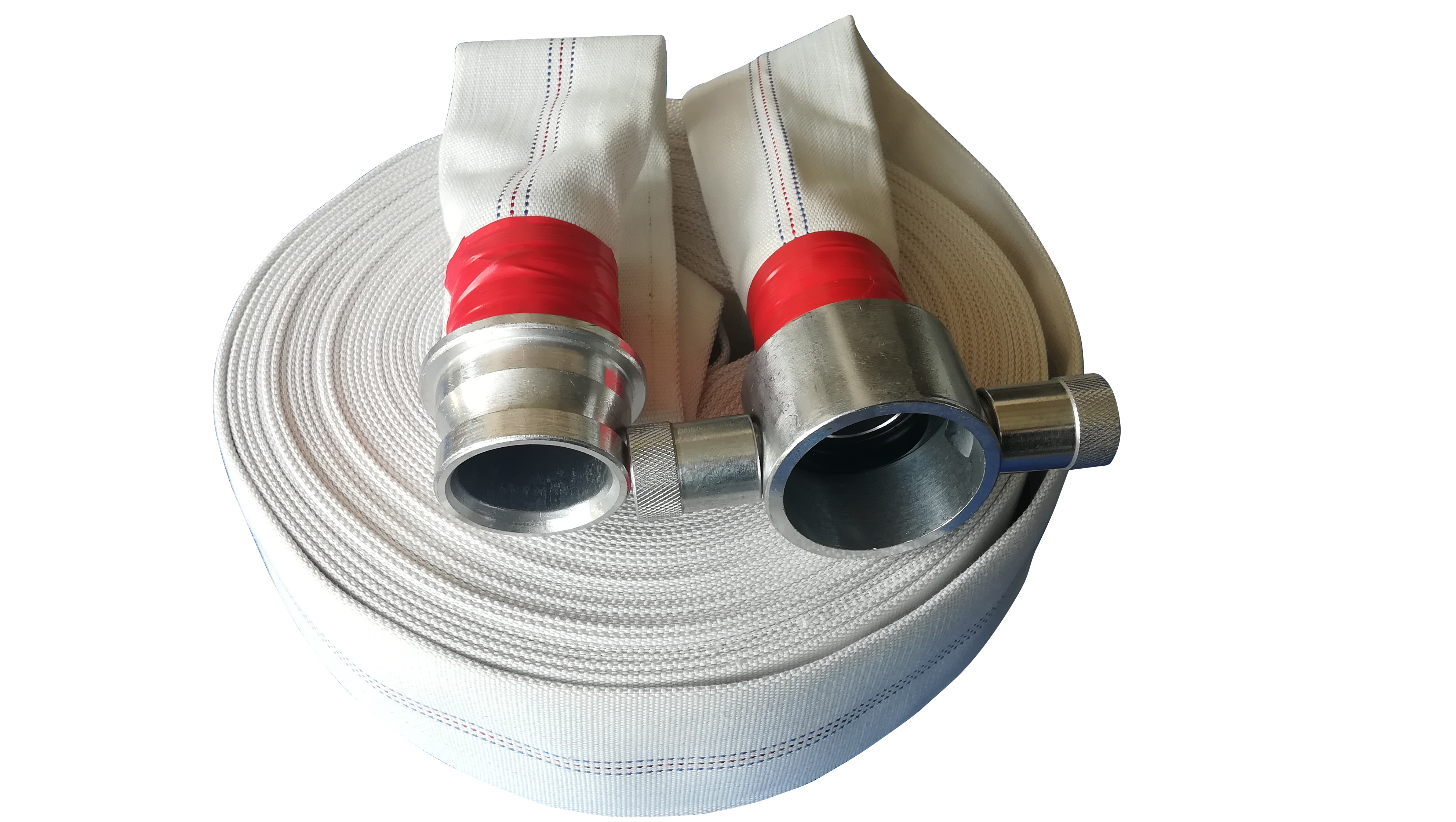
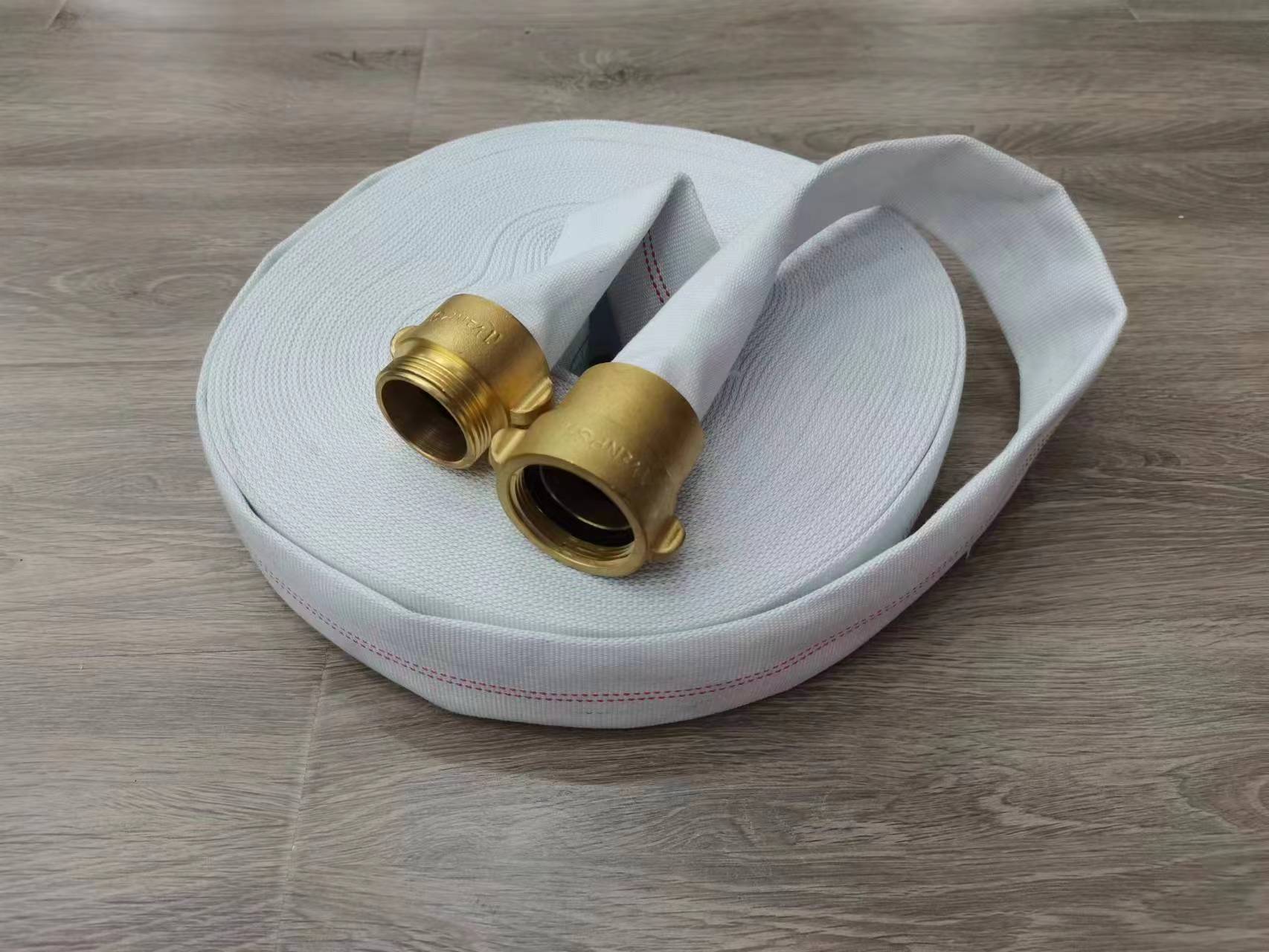
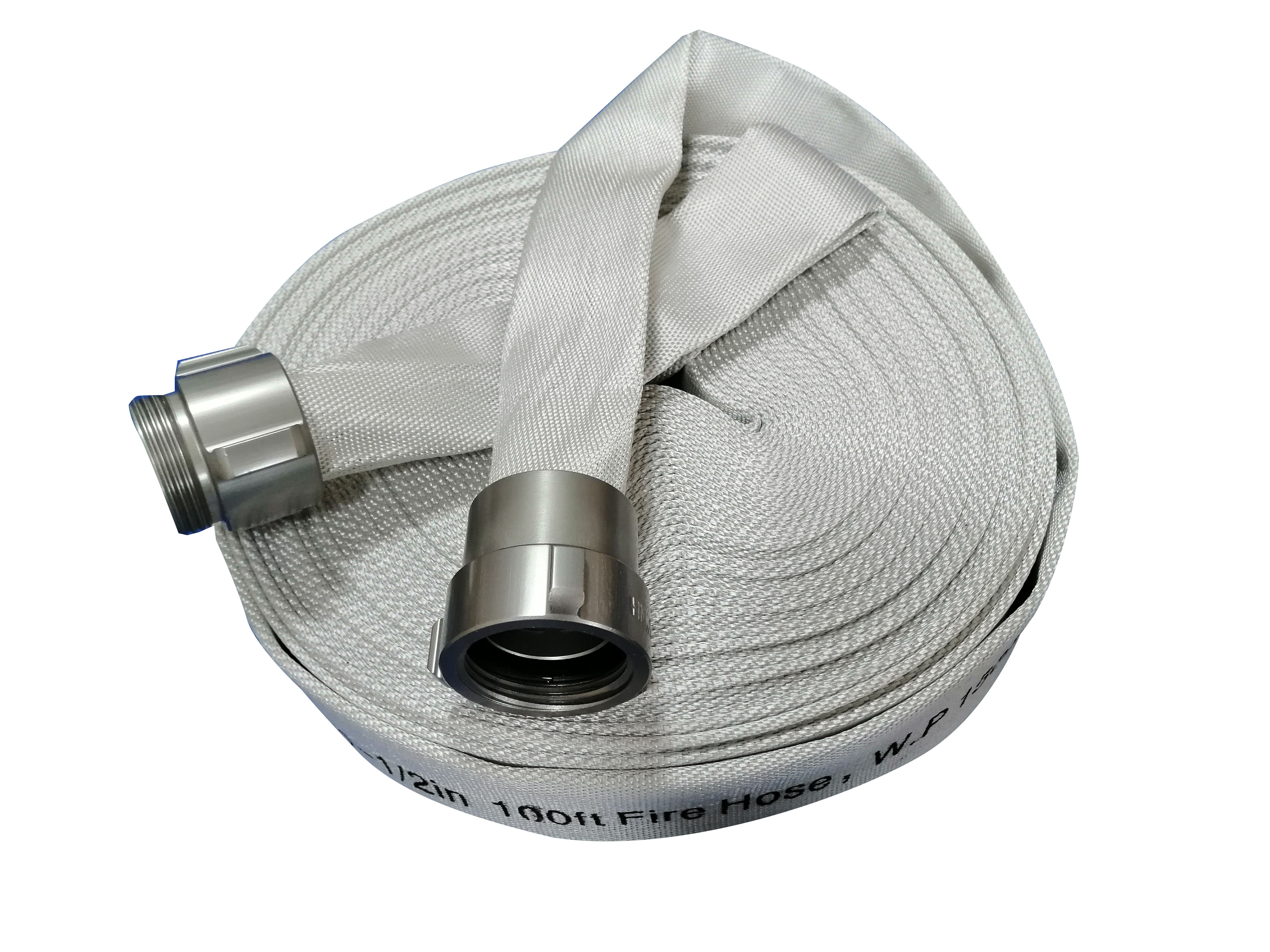
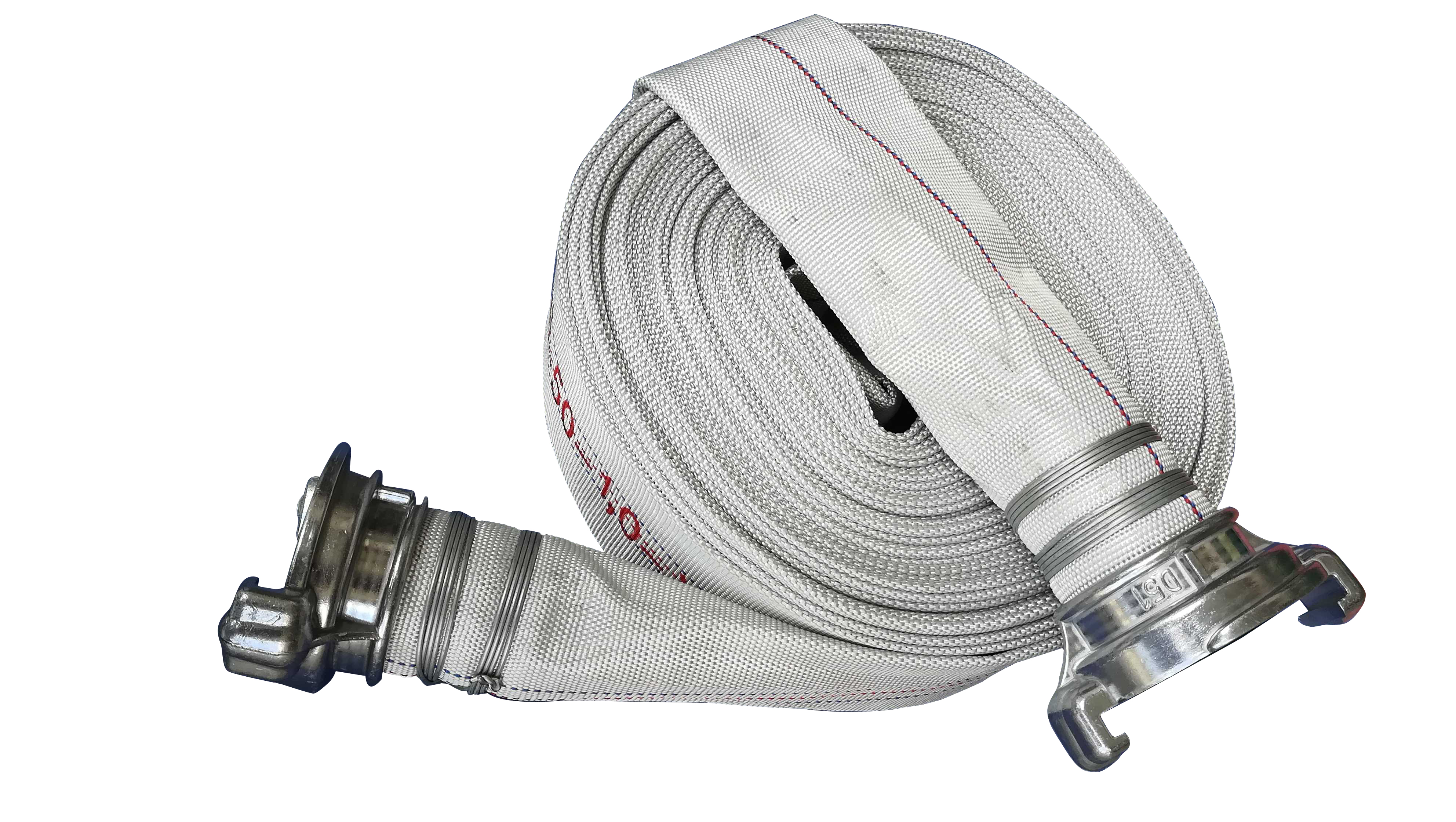
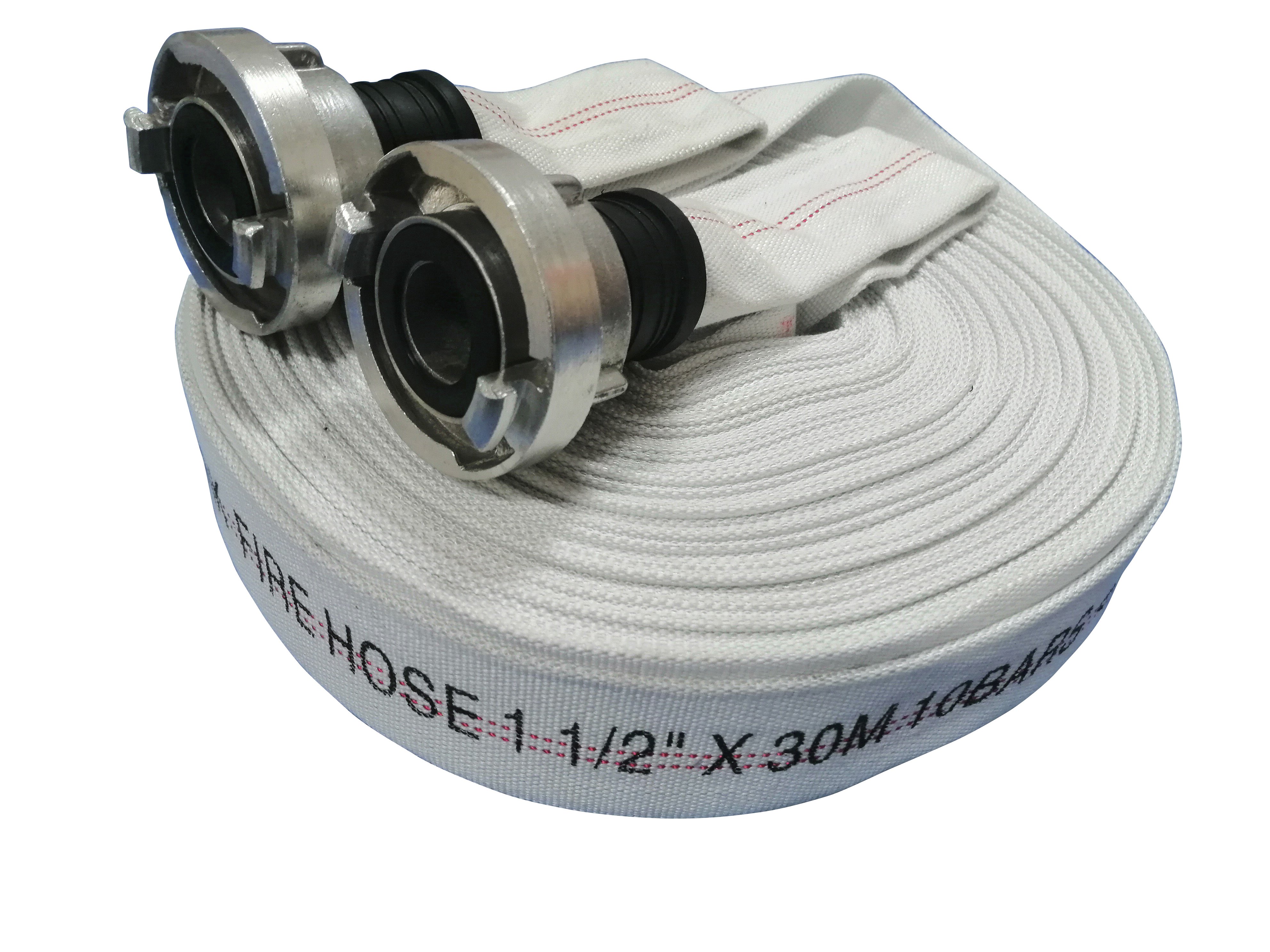
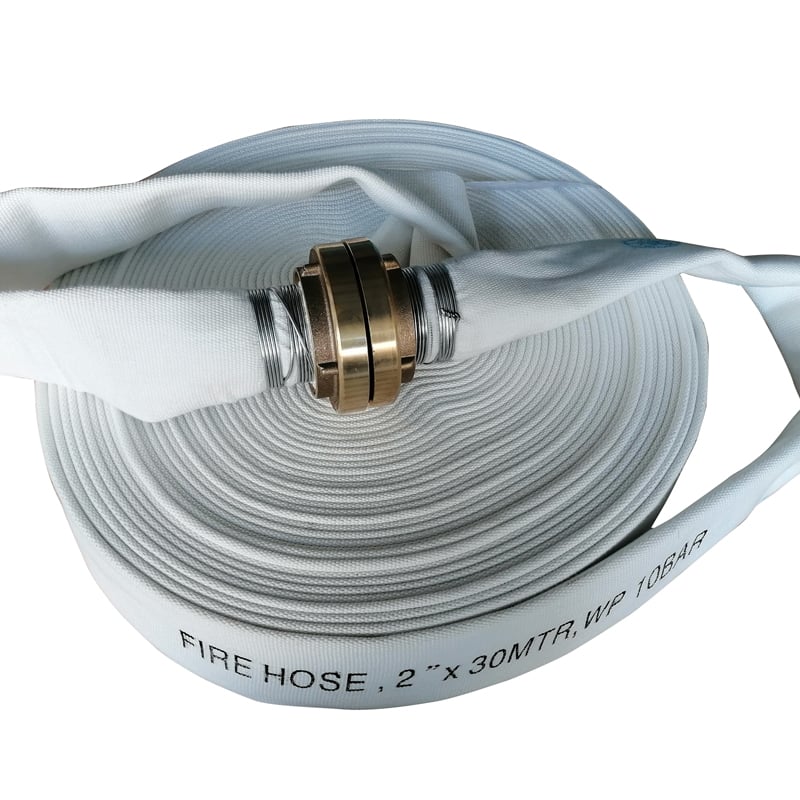
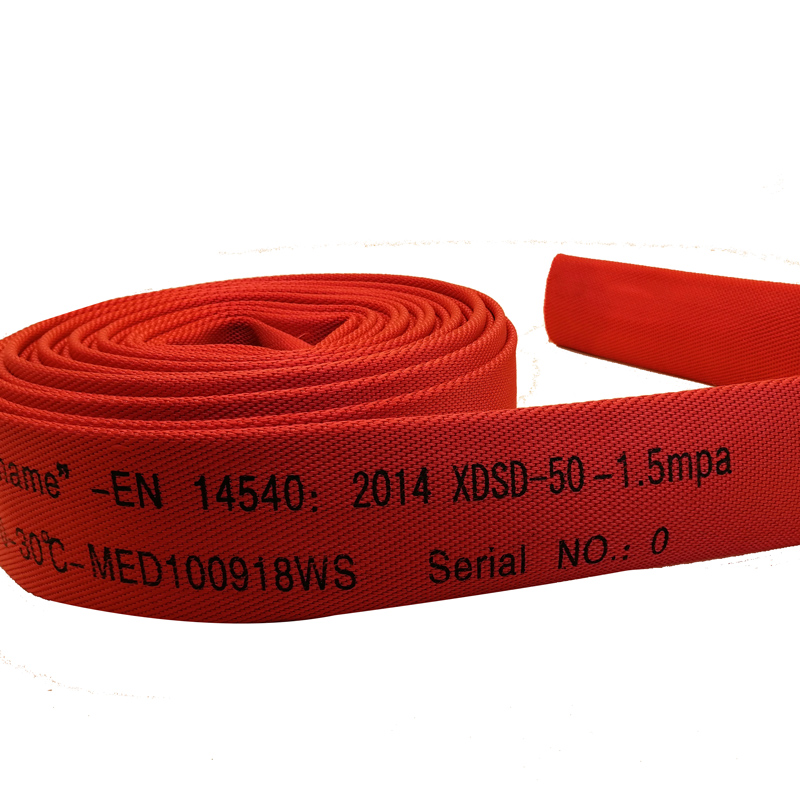
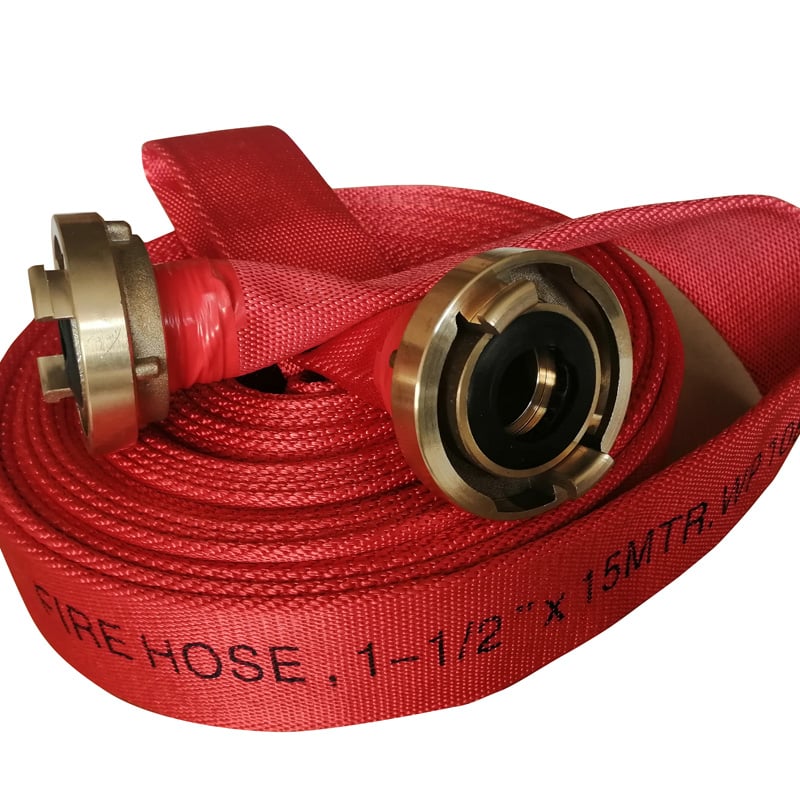
Choosing the right flexible water hose is crucial for businesses that rely on efficient water management in various applications, from firefighting to gardening. With many options available in the market, B2B buyers often face challenges such as material compatibility, durability, and supplier reliability. This article will guide you through essential considerations when selecting flexible water hoses, helping you make informed purchasing decisions.
When ordering flexible water hoses in bulk, several factors must be considered to ensure you receive a product that meets your specific needs. First, assess the intended application. Different extendable water hose are designed for distinct uses, such as firefighting, gardening, or industrial tasks. Understanding the required pressure and temperature ratings for your application is essential.
Next, consider the materials used in the hose construction. Common materials include PVC, rubber, and polyurethane, each offering unique properties in terms of flexibility, durability, and chemical resistance. For instance, rubber hoses tend to withstand higher temperatures and pressures, making them suitable for firefighting applications. On the other hand, PVC hoses may be more lightweight and easier to handle in garden settings.
Lastly, evaluate the customization options available from suppliers. Custom lengths, diameters, and fittings can significantly impact performance and compatibility with existing systems. Engaging in a dialogue with the manufacturer about your specific requirements can enhance the efficiency and effectiveness of your operation.
Understanding the key specifications of flexible water hoses is vital for making informed purchasing decisions. Key specifications to consider include:
Diameter and Length: The inner diameter affects flow rate and pressure loss, while hose length can impact the overall performance in specific applications. Ensure the dimensions align with your operational needs.
Working Pressure: This specification indicates the maximum pressure the hose can withstand during operation. It’s critical to select a flex water hose with a working pressure that exceeds the pressure it will encounter in use, especially in firefighting applications where the stakes are high.
Temperature Range: Different materials can handle varying temperature extremes. For instance, hoses designed for hot water applications must be made of materials that can tolerate high temperatures without degrading.
Chemical Resistance: If the hose will be exposed to chemicals or certain environmental conditions, confirming its resistance to those substances is crucial. This ensures longevity and reliability in demanding applications.
Coupling Types: The compatibility of couplings and fittings with existing systems can significantly affect usability. Verify that the couplings meet your connection requirements to avoid installation issues.
Sourcing reliable suppliers for flexible water hoses involves research and evaluation of potential manufacturers. Start by considering suppliers with proven experience in the industry, such as Jiangsu Nantong Longtao Fire-Hose Group Co., Ltd., known for its extensive production capabilities and commitment to quality.
Online platforms, industry trade shows, and professional networks are excellent resources for finding reputable suppliers. Look for companies that provide detailed product specifications, customization options, and transparent manufacturing processes. Establishing a relationship with suppliers who understand your requirements can help ensure timely delivery and consistent product quality.
Moreover, check for certifications or quality standards adhered to by the supplier, as these can be indicators of reliability and performance. Engaging in discussions about their quality control processes and production capabilities can provide insights into their operational efficiency and dedication to customer satisfaction.
While flexible water hoses are designed for durability, they can still encounter common issues that may affect performance. Here are some frequent problems and their solutions:
Kinks and Twists: These can cause blockages and reduce flow rates. To prevent this, ensure proper storage practices, such as coiling the hose without sharp bends and using hose reels for organization.
Leaking Fittings: Leaks often occur at coupling points due to inadequate sealing or incorrect fitting sizes. Regular inspections and maintenance can help identify leaks early. Ensure that fittings are compatible with the hose specifications and consider using thread sealant or tape to enhance sealing.
Abrasion and Damage: Hoses operating in rugged environments may suffer from abrasion. Choosing hoses with reinforced exteriors and proper protective covers can help mitigate this issue.
Chemical Degradation: Exposure to harsh chemicals can lead to hose deterioration. Always confirm the chemical compatibility of the hose material with the substances it will encounter in its application.
By being aware of these common issues and implementing preventive measures, buyers can extend the lifespan of their expandable water hose and maintain effective operations.
Jiangsu Nantong Longtao Fire-Hose Group Co., Ltd. has successfully exported its high-quality products to numerous countries, including the United States, Germany, Italy, Russia, South Korea, Japan, Vietnam, and the Middle East. The company adheres to a customer-first philosophy, offering high-quality, cost-effective products and services. Its commitment to honest cooperation and mutual benefit ensures long-term partnerships and a win-win situation for both the company and its clients. This global presence and customer-centric approach highlight the company's ability to compete and thrive in the international market.
The company places a strong emphasis on quality, which is fundamental to its survival and success. It is dedicated to the manufacturing, production, and research and development of fire-fighting equipment, including custom-made solutions for domestic and foreign professional fire brigades. The company holds multiple patent certificates for its independently developed intellectual property products, showcasing its innovative capabilities and commitment to advancing fire safety technology.
With an annual production capacity of 10 million meters of fire hose and 7,000 sets of fire hydrant boxes, the company demonstrates its ability to meet large-scale demands efficiently. The product range is extensive, including lined fire hoses (single and double jacket), double-coated fire hoses, fire hose reels, plastic-coated hoses, spray fire hoses, garden hoses, and specialized nozzles and couplings that meet various international standards. This diversity allows the company to cater to a wide array of customer needs across different markets.
Jiangsu Nantong Longtao Fire-Hose Group Co., Ltd. is officially recognized by the Ministry of Public Security as a designated enterprise for the production of fire hoses, fire hydrants, and fire boxes. This designation underscores the company's compliance with stringent national standards and its commitment to producing high-quality fire safety equipment. Being a government-designated enterprise also reflects the company's reliability and trustworthiness in the industry.
When purchasing flexible water hoses, understanding the cost factors involved can help you make a more informed investment. Key cost considerations include:
Material Costs: The type of material chosen significantly impacts the price. For instance, rubber hoses may be more expensive than PVC options but offer superior durability and performance for demanding applications.
Customization Costs: Custom lengths and specifications may incur additional charges. Communicate your requirements with suppliers to get accurate quotes and understand the cost implications of customization.
Order Quantity: Bulk purchases often lead to discounts, but it’s essential to balance quantity with actual needs to avoid excess inventory. Discuss minimum order quantities (MOQ) with suppliers to find a pricing structure that works for your budget.
Shipping and Handling: Transportation costs can add up, especially for large orders. Ensure you include these costs in your total budget and consider suppliers that offer competitive shipping options.
Long-term Value: While upfront costs are important, consider the long-term value of the hose. Investing in a higher-quality product may reduce replacement and maintenance costs in the future.
By keeping these cost factors in mind, you can make strategic purchasing decisions that align with your operational needs and budget constraints.

Welcome to Jiangsu Nantong Longtao, we are a leading manufacturer specialize in fire hoses, fire hydrants and fire boxes.
No.888 Renmin South Road, Dayu Town,Rudong County, Nantong City, Jiansu Province
Copyright © EVERBRIGHT FIRE-FIGHTING EQUIPMENT(NANTONG)CO., LTD. All Rights Reserved
 EN
 AR
 FR
 DE
 KO
 CS
 DA
 NL
 FI
 EL
 IT
 JA
 NO
 PL
 PT
 RO
 RU
 ES
 SV
 TL
 IW
 ID
 LV
 LT
 SR
 SK
 SL
 UK
 SQ
 ET
 HU
 TH
 TR
 FA
 AF
 IS
 MK
 KA
 UR
 BN