
 EN
EN
 AR
AR
 FR
FR
 DE
DE
 KO
KO
 CS
CS
 DA
DA
 NL
NL
 FI
FI
 EL
EL
 IT
IT
 JA
JA
 NO
NO
 PL
PL
 PT
PT
 RO
RO
 RU
RU
 ES
ES
 SV
SV
 TL
TL
 IW
IW
 ID
ID
 LV
LV
 LT
LT
 SR
SR
 SK
SK
 SL
SL
 UK
UK
 SQ
SQ
 ET
ET
 HU
HU
 TH
TH
 TR
TR
 FA
FA
 AF
AF
 IS
IS
 MK
MK
 KA
KA
 UR
UR
 BN
BN
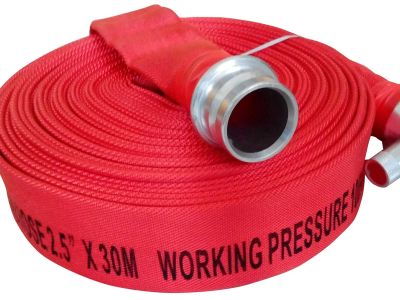
Understanding Inner Tube Extrusion Parameters That Define Fire Hose Performance
Fire hoses are critical components in firefighting equipment, engineered to withstand high-pressure conditions while delivering water effectively. The inner tube extrusion parameters play a vital role in determining the performance and reliability of fire hoses. This article will delve into the specifics of these parameters, helping purchasing managers and engineers understand what to look for when evaluating fire hose specifications. By grasping these technical aspects, buyers can make informed decisions that ensure optimal performance and safety in their firefighting operations.
Understanding Key Inner Tube Extrusion Specifications for Fire Hoses
Inner tube extrusion involves shaping raw materials into a continuous tube, which serves as the core of the fire hose. Several specifications are crucial in determining the performance characteristics of the inner tube:
Material Composition: The type of polymer used (such as PVC or rubber) affects flexibility, durability, and resistance to chemicals and heat. A higher quality polymer typically translates to better performance and longevity.
Thickness: The wall thickness of the inner tube directly impacts pressure resistance. Thicker walls can better withstand high pressures, which is essential for firefighting applications. Buyers should confirm the required thickness based on the operating pressure and intended use.
Diameter: The inner diameter must match standard fittings and ensure optimal water flow. A mismatch can lead to reduced effectiveness during emergencies. It’s essential to evaluate the diameter based on the specific firefighting applications and equipment compatibility.
Sealing and Bonding: The integrity of the bond between the inner tube and outer layers influences performance. Proper sealing prevents leaks and maintains pressure. Quality inspection processes should verify the bonding before mass production.
Surface Finish: A smooth interior surface reduces friction and improves water flow, while an exterior finish that resists abrasion enhances durability. This specification can impact the hose’s lifespan and maintenance needs.
How Inner Tube Extrusion Affects Fire Hose Performance and Reliability?
The extrusion parameters significantly influence a fire hose's overall performance and reliability.
Pressure Resistance: Hoses with optimally extruded inner tubes can handle higher working pressures without failure. This is critical for ensuring reliable water delivery during emergencies. Manufacturers should provide specific pressure ratings based on the extrusion method used.
Flexibility: The right material and thickness promote flexibility, allowing hoses to be maneuvered easily in tight spaces, which is often required during firefighting operations.
Durability: The combination of material choice and proper extrusion ensures resistance to wear and tear, especially in harsh environments. This reduces the frequency of replacements and repairs, ultimately saving costs for departments.
Temperature Tolerance: Understanding how fire canvas hose parameters affect temperature resistance is vital, especially in environments where hoses may be exposed to extreme heat or cold. Buyers should verify the temperature range suitable for their specific applications.
Choosing the Right Supplier for High-Performance Fire Hose Extrusions
When selecting a supplier for fire hose manufacturing, several factors should be evaluated to ensure high performance and reliability:
Experience and Expertise: Look for manufacturers like Jiangsu Nantong Longtao Fire-Hose Group Co., Ltd., which have a proven track record and specialized knowledge in fire hose production. Their experience can translate into higher quality products.
Customization Capabilities: A supplier that offers customization can better meet specific performance requirements, such as unique diameters or thicknesses tailored to particular applications.
Quality Control Processes: Ensure the supplier has stringent quality control measures in place. This includes material testing, extrusion monitoring, and final inspections to verify that all products meet required specifications.
Certifications: Check for relevant industry certifications that demonstrate adherence to safety and quality standards. These certifications can provide assurance of product reliability and performance.
Manufacturing Capacity: Confirm the supplier's production capacity to meet your needs, especially during peak demand periods. This includes understanding their minimum order quantities (MOQ) and lead times.
Common Problems with Inner Tube Extrusions and Effective Solutions
Despite advancements in manufacturing, several common problems can arise during the inner tube extrusion process:
Inconsistencies in Wall Thickness: Variability in wall thickness can lead to weak points in the hose. Buyers should request samples for testing to ensure consistent quality before placing a large order.
Poor Bonding: Insufficient adhesion between layers can cause delamination. Thorough inspection of the canvas fire hose process is critical, and buyers should ensure that the manufacturer conducts regular quality checks.
Surface Defects: Imperfections on the inner or outer surfaces can affect performance. Regular audits of the production line can help identify these issues early, ensuring that only high-quality hoses reach the end-user.
Material Degradation: Over time, exposure to environmental factors can degrade materials. Buyers should inquire about the expected lifespan of the hoses and any recommended maintenance procedures to prolong performance.
Focus on Inner Tube Extrusion Details
Attention to detail in the inner tube extrusion process is essential for producing high-quality fire hoses. Here are key aspects to focus on:
Selection of Raw Materials: Ensure that the polymers used are suitable for the intended application, considering factors like chemical exposure and temperature extremes.
Extrusion Temperature and Speed: The parameters during the extrusion process must be optimized for each material type. Incorrect temperatures can lead to defects or weak points.
Cooling and Handling: Proper cooling techniques must be employed post-canvas hoses to prevent warping or dimensional changes. The handling process should minimize mechanical stress on the hoses.
Final Inspection Protocols: Establish a detailed inspection protocol to evaluate each batch of hoses for compliance with specifications. This includes pressure testing and visual inspections to identify any defects.
By understanding these intricate details of inner tube extrusion, buyers can ensure they select the right fire hoses that meet their operational needs effectively. The investment in quality fire hoses not only enhances safety but also contributes to overall firefighting effectiveness, making it a crucial consideration for all fire safety professionals.
Table of Contents
- Understanding Key Inner Tube Extrusion Specifications for Fire Hoses
- How Inner Tube Extrusion Affects Fire Hose Performance and Reliability?
- Choosing the Right Supplier for High-Performance Fire Hose Extrusions
- Common Problems with Inner Tube Extrusions and Effective Solutions
- Focus on Inner Tube Extrusion Details
