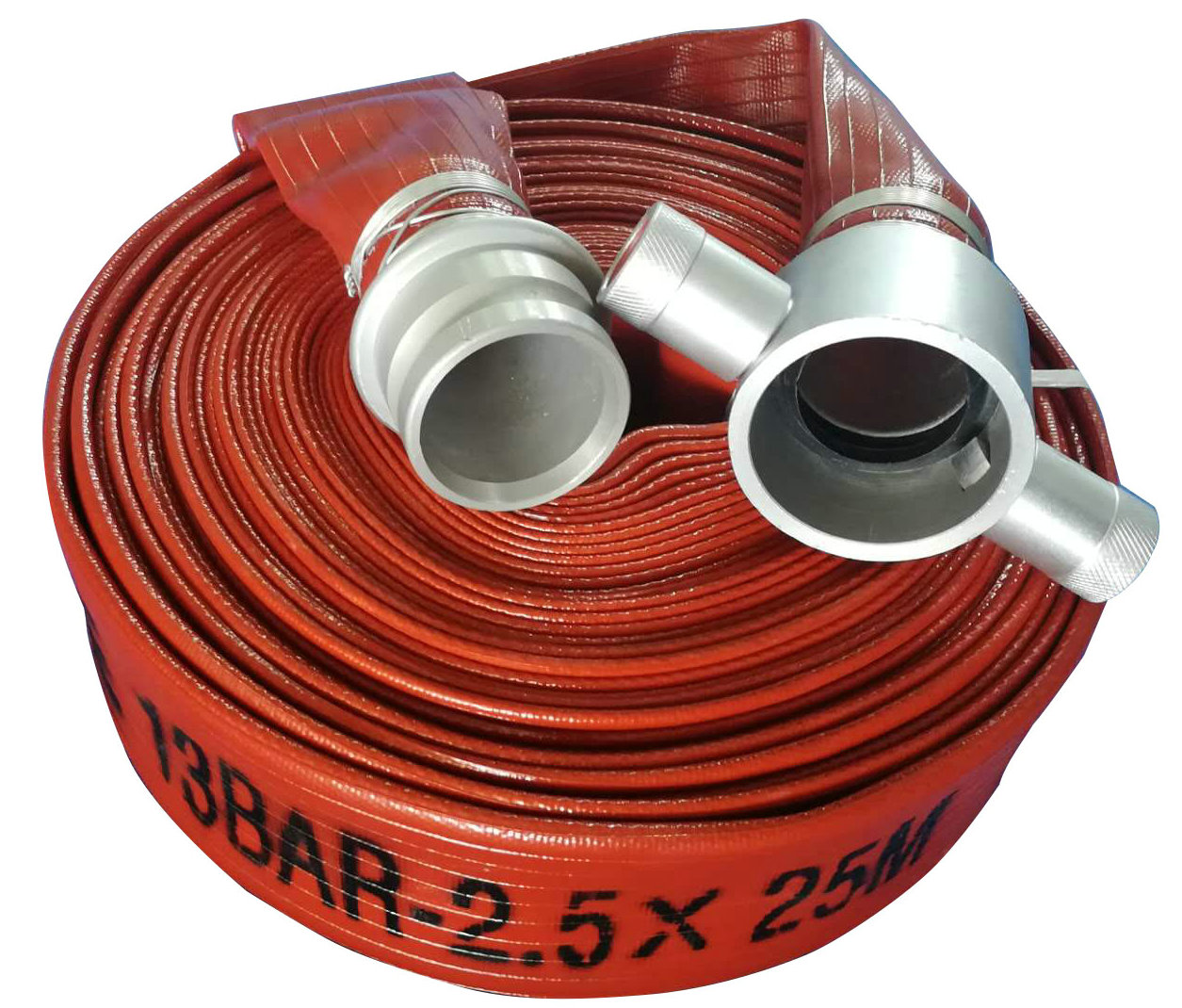
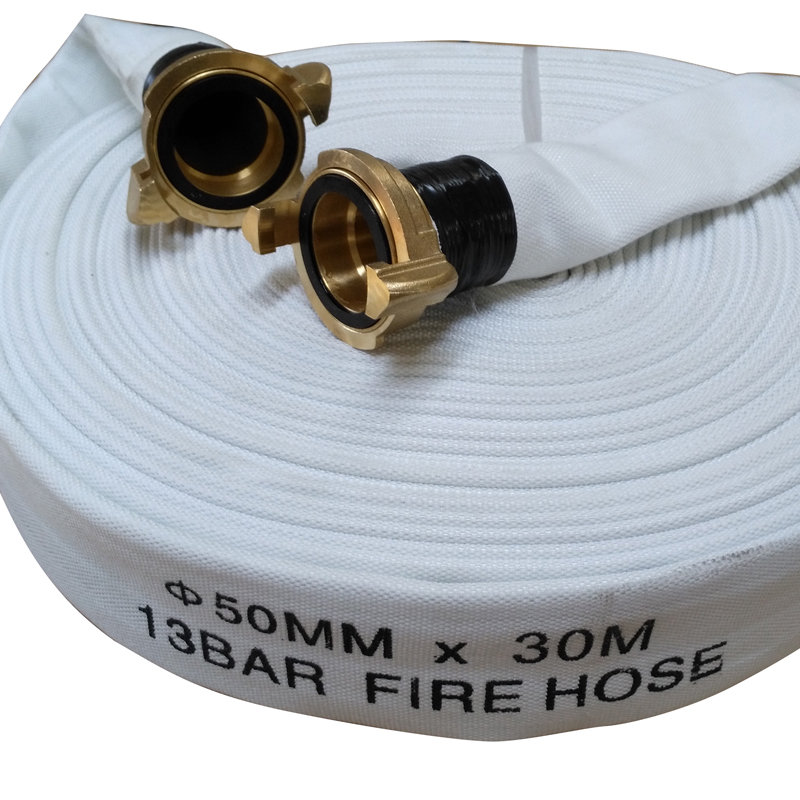
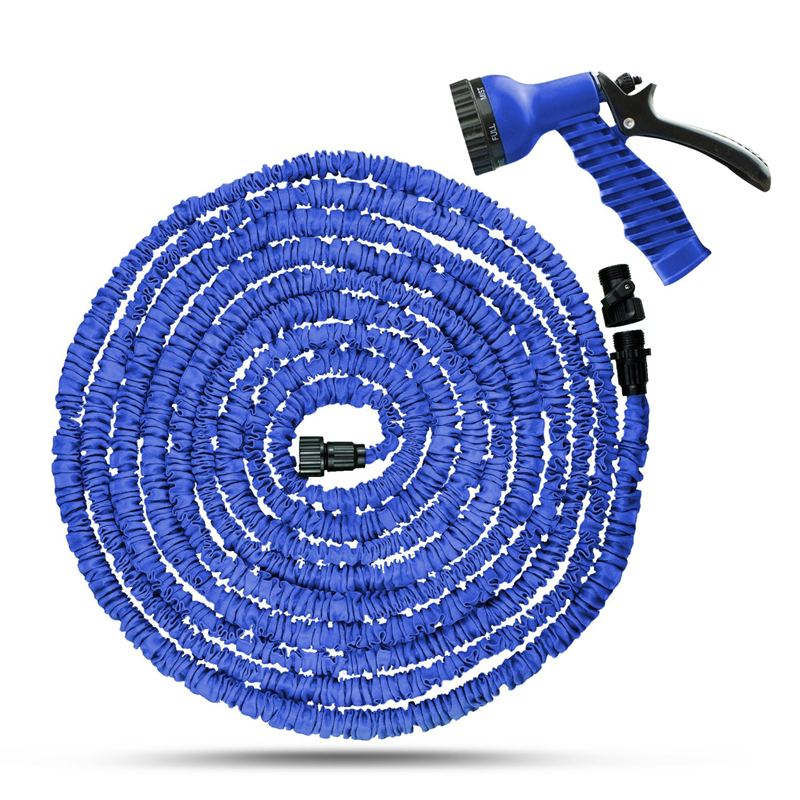
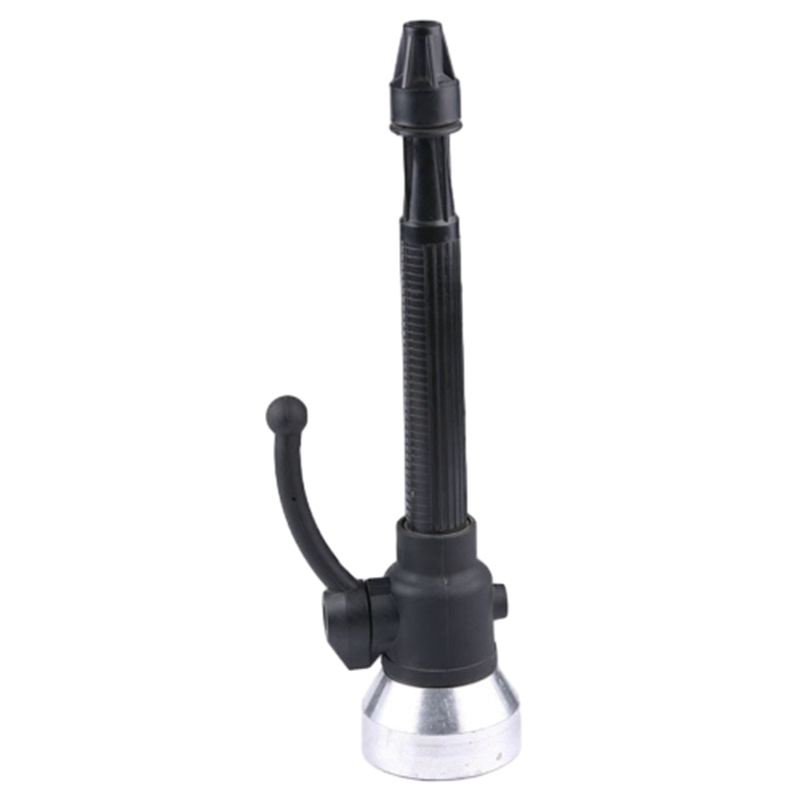
As a critical component for ensuring safe and clean water supply in recreational vehicles (RVs), the RV drinking water hose is designed to meet specific safety and performance standards. Buyers, such as purchasing managers, distributors, and engineers, often seek high-quality canvas water hose that comply with safety regulations, provide excellent durability, and offer flexibility for various applications. This article aims to provide insights into sourcing, specifications, reliability, installation guidance, and material advantages of RV drinking water hoses to help you make an informed purchasing decision.
When sourcing RV drinking water hoses, it's essential to evaluate potential suppliers based on their manufacturing capabilities, experience, and compliance with industry standards. Look for manufacturers that have a proven track record in producing hoses specifically designed for potable water applications. Jiangsu Nantong Longtao Fire-Hose Group Co., Ltd., for example, has established itself as a reliable manufacturer with an annual capacity of 10 million fire hose meters and a commitment to quality-first principles.
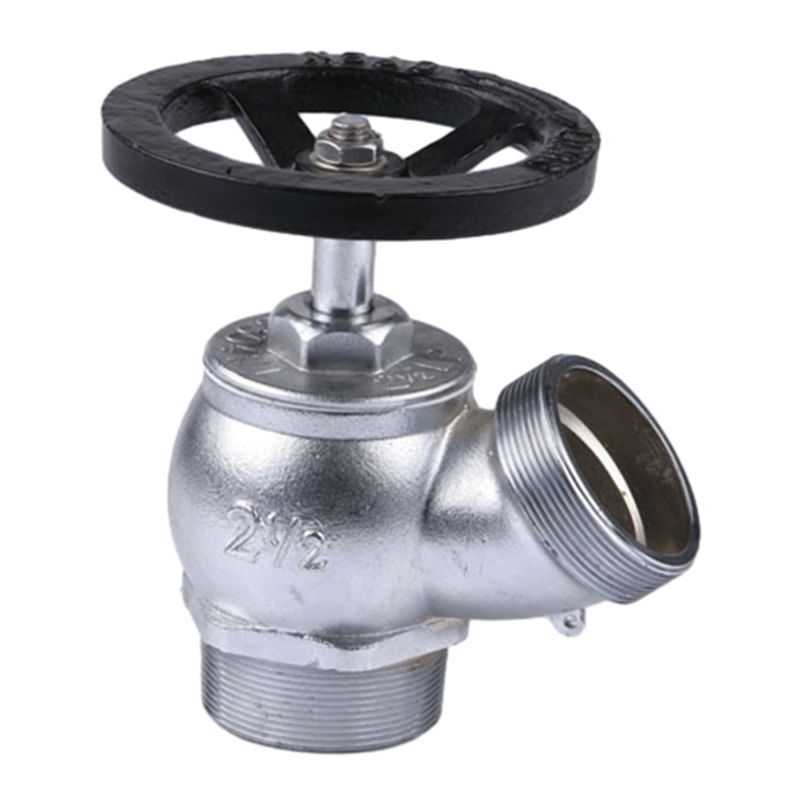
Consider suppliers who offer customization options to meet specific application requirements, as this can enhance the performance of the fire hydrant water hose. Additionally, check if the supplier has independent IP patents, as this may indicate innovation and a focus on developing unique products. Understanding the supplier’s export experience, especially to markets like the US and Germany, can also provide assurance of their adherence to international quality standards.
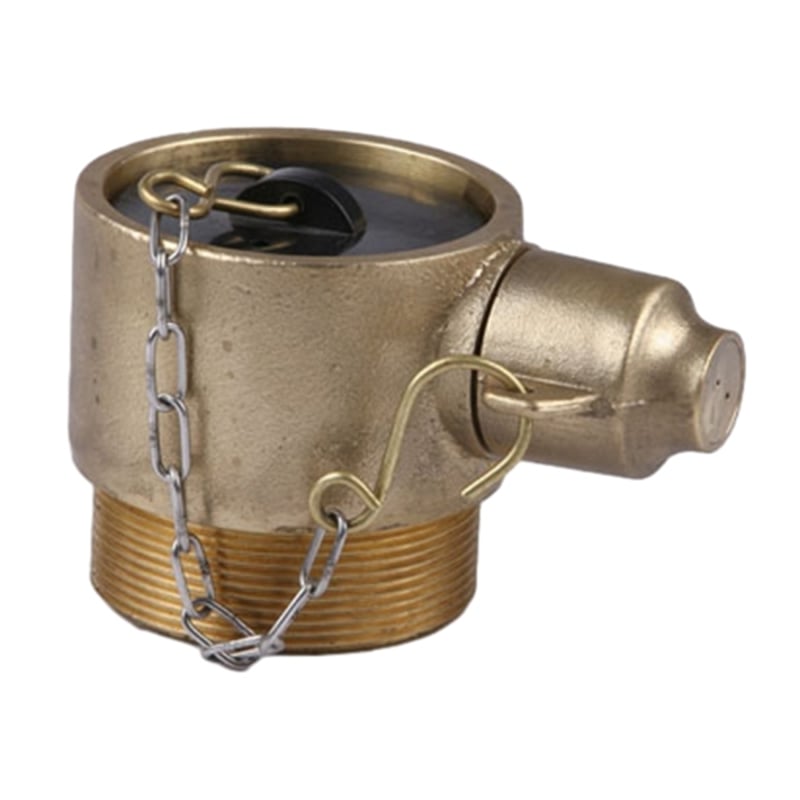
Selecting the right RV drinking water hose involves understanding key specifications that impact performance and safety. Key factors to consider include:
Material Type: Common materials include PVC, rubber, and polyurethane. Each material has its properties, such as flexibility and resistance to UV and ozone. Ensure the chosen material meets NSF/ANSI 61 standards for potable water.
Diameter and Length: Typically, RV drinking water hoses come in various diameters (usually 1/2" to 5/8") and lengths (up to 100 feet or more). The correct size ensures optimal flow rates and compatibility with RV fittings.
Pressure Rating: Check the working pressure rating of the hose. A higher pressure rating (usually around 150 psi) indicates that the hose can withstand more demanding applications, which is crucial for ensuring reliability.
Temperature Range: The hose should be able to operate effectively across a range of temperatures. Ensuring it can withstand both hot and cold conditions without degrading is essential for longevity.
Flexibility and Coil Memory: A hose that remains flexible in cold weather and has good coil memory will be easier to handle and store.
Buyers should confirm these specifications against their specific applications to ensure compatibility and performance.
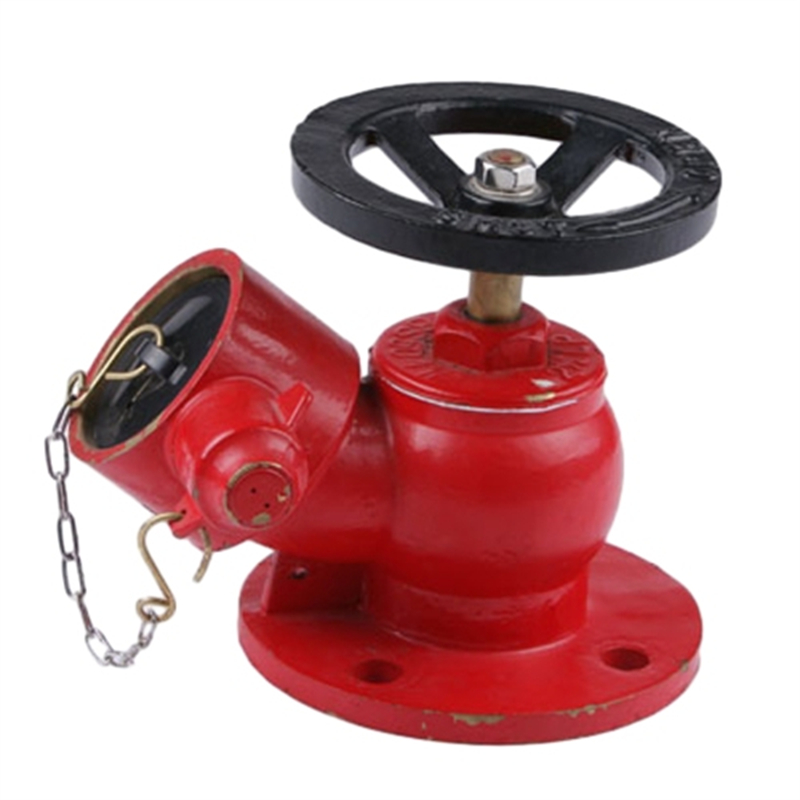
A reliable longtao RV drinking water hose should be free from harmful chemicals and designed for durability and flexibility. When evaluating hoses, consider the following aspects:
Chemical Resistance: Ensure the hose is constructed from materials that do not leach harmful substances into the water. Look for hoses that are labeled as drinking water safe and compliant with relevant safety standards.
Kink Resistance: A reliable hose should resist kinking to maintain water flow. Hoses with reinforced construction often provide better kink resistance and overall durability.
UV Protection: Since RVs are often exposed to sunlight, UV protection is crucial. Hoses that offer UV resistance will last longer and maintain their integrity over time.
Warranty and Certifications: A reputable supplier should offer a warranty and provide certifications regarding the hose's safety and performance. This gives buyers confidence in the product's reliability.
Customer Reviews and References: Checking customer feedback and asking for references can provide insight into the hose's performance in real-world applications.
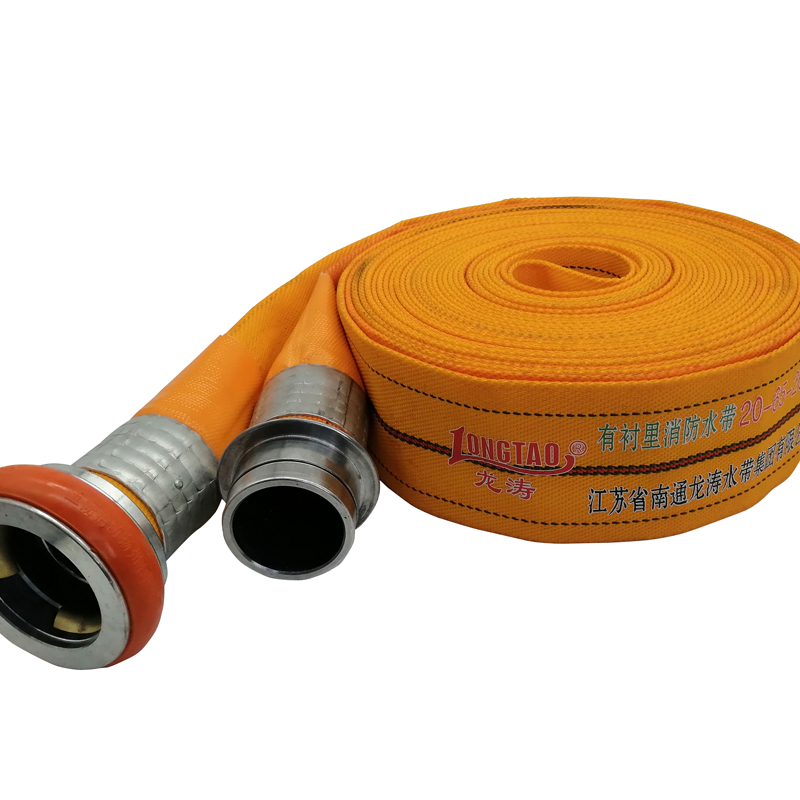
Installing an RV drinking water hose correctly is crucial for ensuring optimal performance and longevity. Here are some key steps to follow:
Inspect the Hose: Before installation, inspect the hose for any visible damage or defects. Check the fittings and connections to ensure they are clean and free of debris.
Connect Properly: Use appropriate fittings that match the hose diameter to prevent leaks. Ensure all connections are tight but avoid overtightening, which could damage the fittings.
Positioning: Route the hose away from sharp edges and hot surfaces. Avoid placing the hose in areas where it might be pinched or kinked during use.
Drain and Store Properly: After use, drain the garden water hose reel completely and store it in a cool, dry place. Avoid coiling too tightly, as this can cause memory issues and kinks.
Regular Maintenance: Periodically inspect the hose for wear and tear, especially after long trips. Replace any damaged sections promptly to maintain a safe water supply.
By adhering to these guidelines, users can ensure the safe and effective use of their RV drinking water hoses.
The company places a strong emphasis on quality, which is fundamental to its survival and success. It is dedicated to the manufacturing, production, and research and development of fire-fighting equipment, including custom-made solutions for domestic and foreign professional fire brigades. The company holds multiple patent certificates for its independently developed intellectual property products, showcasing its innovative capabilities and commitment to advancing fire safety technology.
Jiangsu Nantong Longtao Fire-Hose Group Co., Ltd. has successfully exported its high-quality products to numerous countries, including the United States, Germany, Italy, Russia, South Korea, Japan, Vietnam, and the Middle East. The company adheres to a customer-first philosophy, offering high-quality, cost-effective products and services. Its commitment to honest cooperation and mutual benefit ensures long-term partnerships and a win-win situation for both the company and its clients. This global presence and customer-centric approach highlight the company's ability to compete and thrive in the international market.
Jiangsu Nantong Longtao Fire-Hose Group Co., Ltd. is officially recognized by the Ministry of Public Security as a designated enterprise for the production of fire hoses, fire hydrants, and fire boxes. This designation underscores the company's compliance with stringent national standards and its commitment to producing high-quality fire safety equipment. Being a government-designated enterprise also reflects the company's reliability and trustworthiness in the industry.
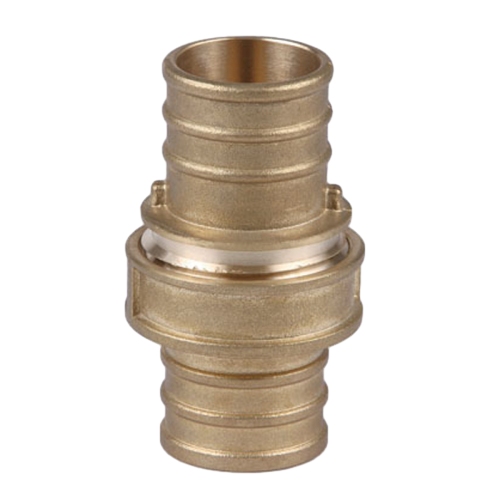
With an annual production capacity of 10 million meters of fire hose and 7,000 sets of fire hydrant boxes, the company demonstrates its ability to meet large-scale demands efficiently. The product range is extensive, including lined fire hoses (single and double jacket), double-coated fire hoses, fire hose reels, plastic-coated hoses, spray fire hoses, garden hoses, and specialized nozzles and couplings that meet various international standards. This diversity allows the company to cater to a wide array of customer needs across different markets.
The choice of material significantly impacts the performance and safety of longtao RV drinking water hoses. Here are some advantages of commonly used materials:
Polyvinyl Chloride (PVC): PVC hoses are lightweight, flexible, and resistant to abrasion. They are a cost-effective option for many users, but it's crucial to choose a high-quality PVC that meets safety standards.
Rubber: Rubber hoses tend to be more durable and resistant to temperature extremes. They offer excellent flexibility and kink resistance, making them suitable for various applications in RVs.
Polyurethane: This material is known for its superior flexibility and resistance to UV damage. Polyurethane hoses are often more expensive but can provide better longevity and performance in harsh environments.
Composite Materials: Some hoses are made from composite materials that combine the best properties of various materials. These hoses may offer enhanced durability, flexibility, and chemical resistance.
When selecting a hose, consider the specific advantages of each material type based on expected usage scenarios, environmental conditions, and compliance with safety standards.
By understanding these aspects of RV drinking water hoses, buyers can make informed decisions that prioritize safety, performance, and longevity.

Welcome to Jiangsu Nantong Longtao, we are a leading manufacturer specialize in fire hoses, fire hydrants and fire boxes.
No.888 Renmin South Road, Dayu Town,Rudong County, Nantong City, Jiansu Province
Copyright © EVERBRIGHT FIRE-FIGHTING EQUIPMENT(NANTONG)CO., LTD. All Rights Reserved
 EN
 AR
 FR
 DE
 KO
 CS
 DA
 NL
 FI
 EL
 IT
 JA
 NO
 PL
 PT
 RO
 RU
 ES
 SV
 TL
 IW
 ID
 LV
 LT
 SR
 SK
 SL
 UK
 SQ
 ET
 HU
 TH
 TR
 FA
 AF
 IS
 MK
 KA
 UR
 BN