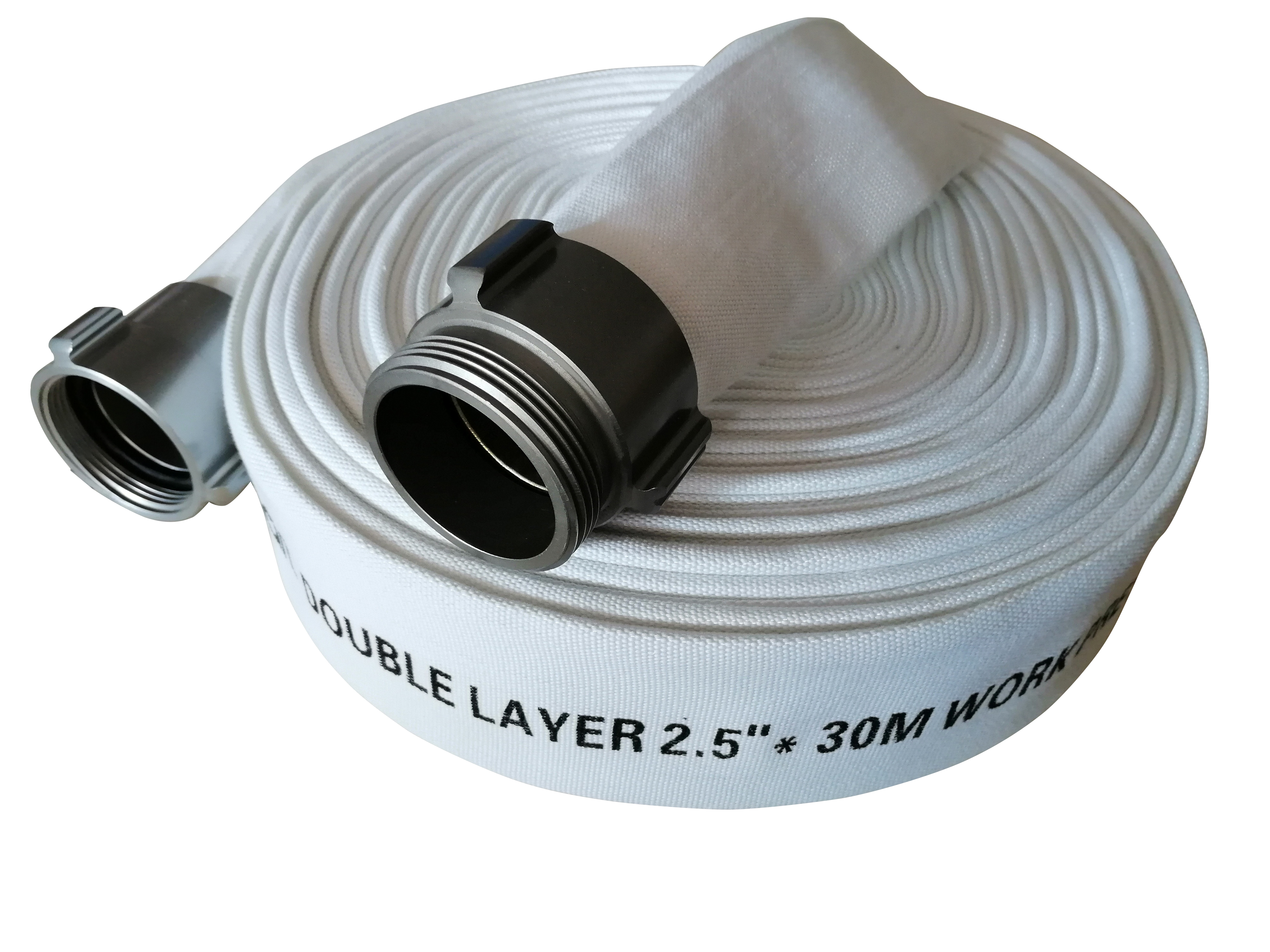
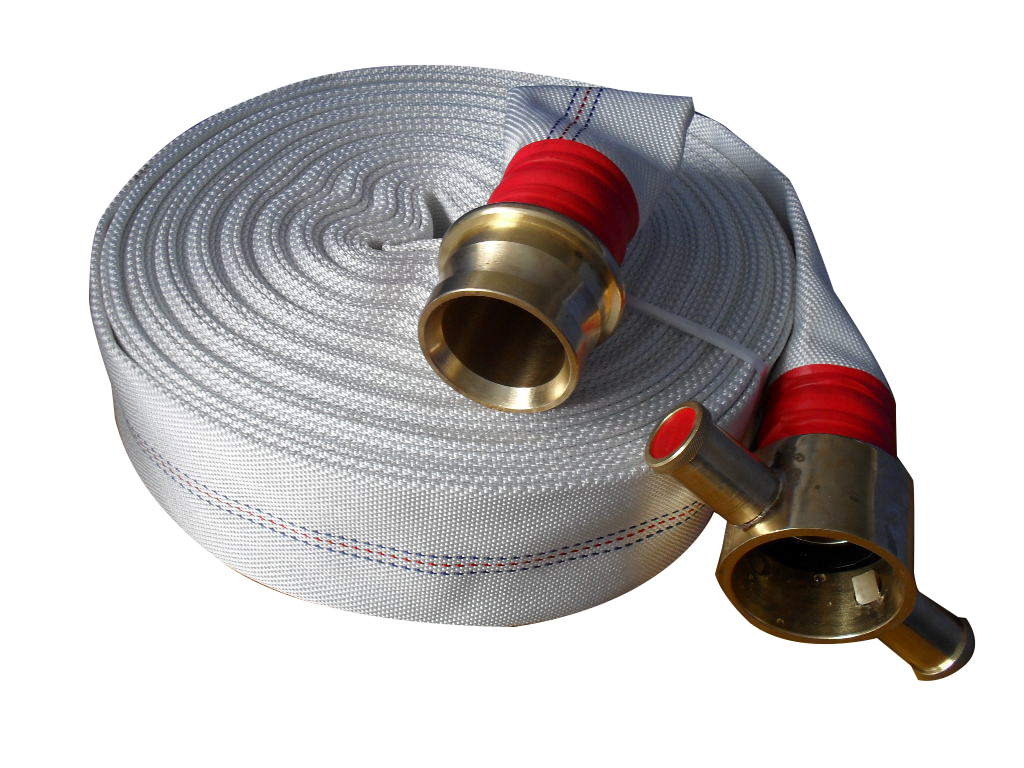
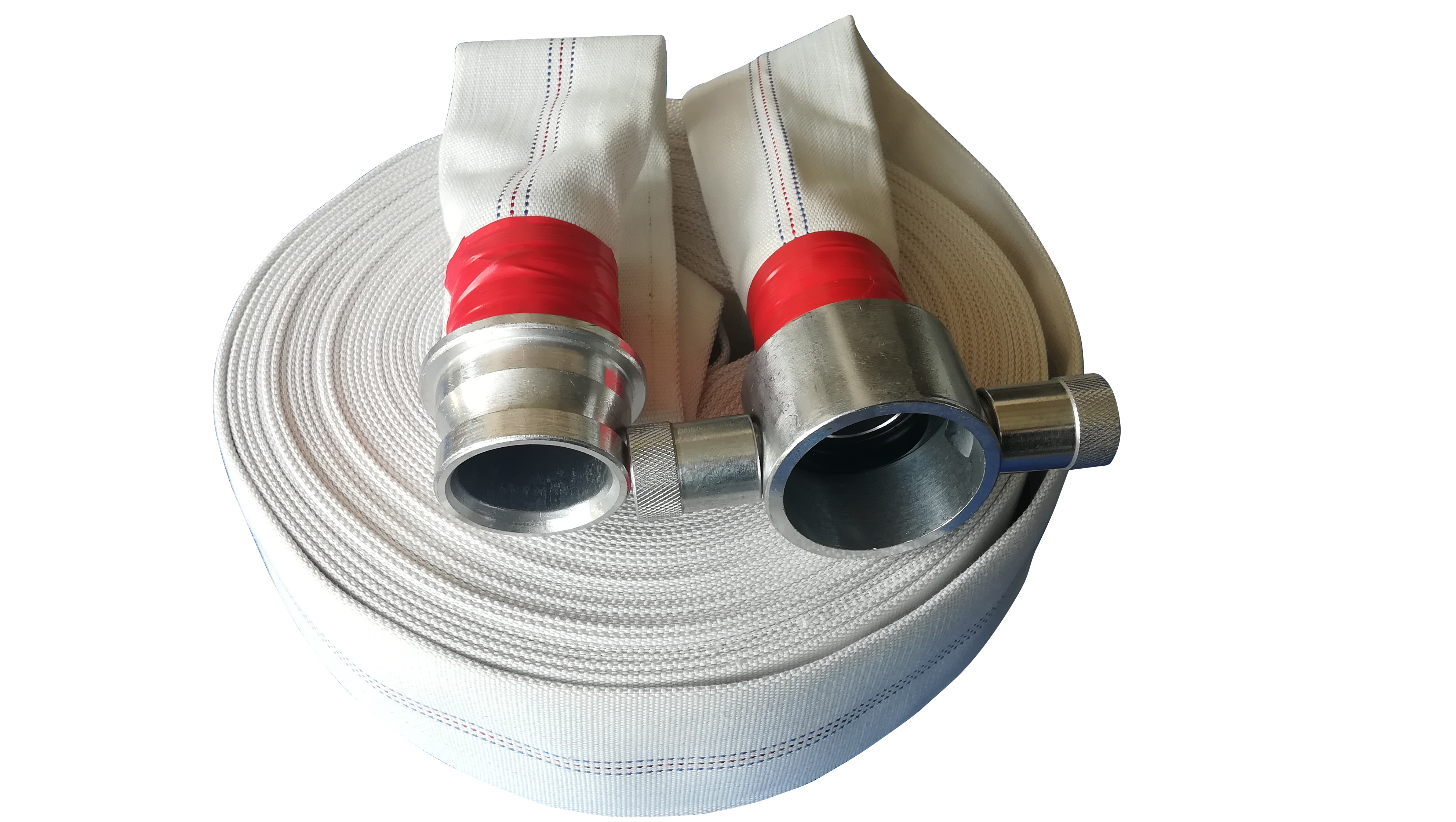
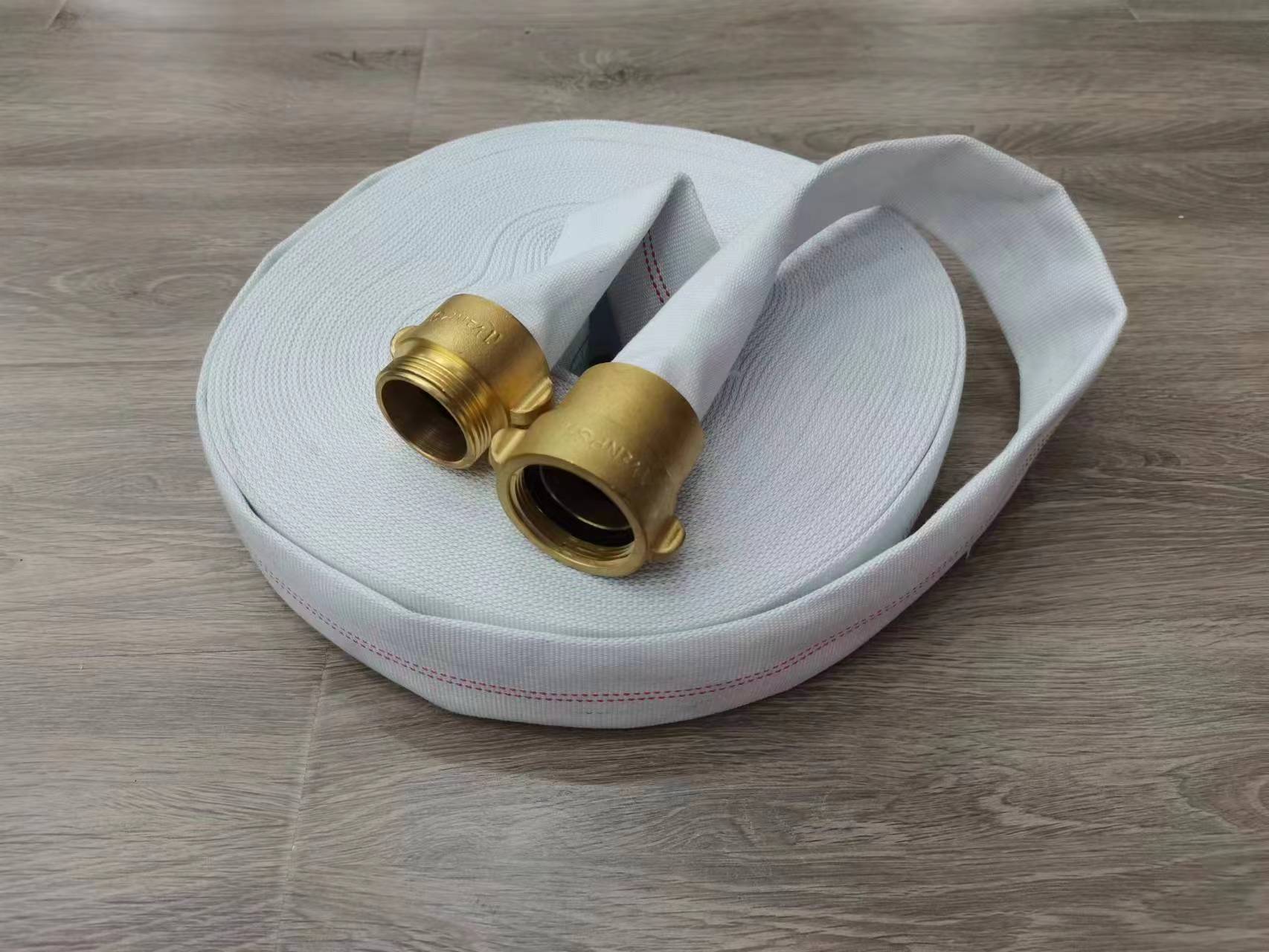
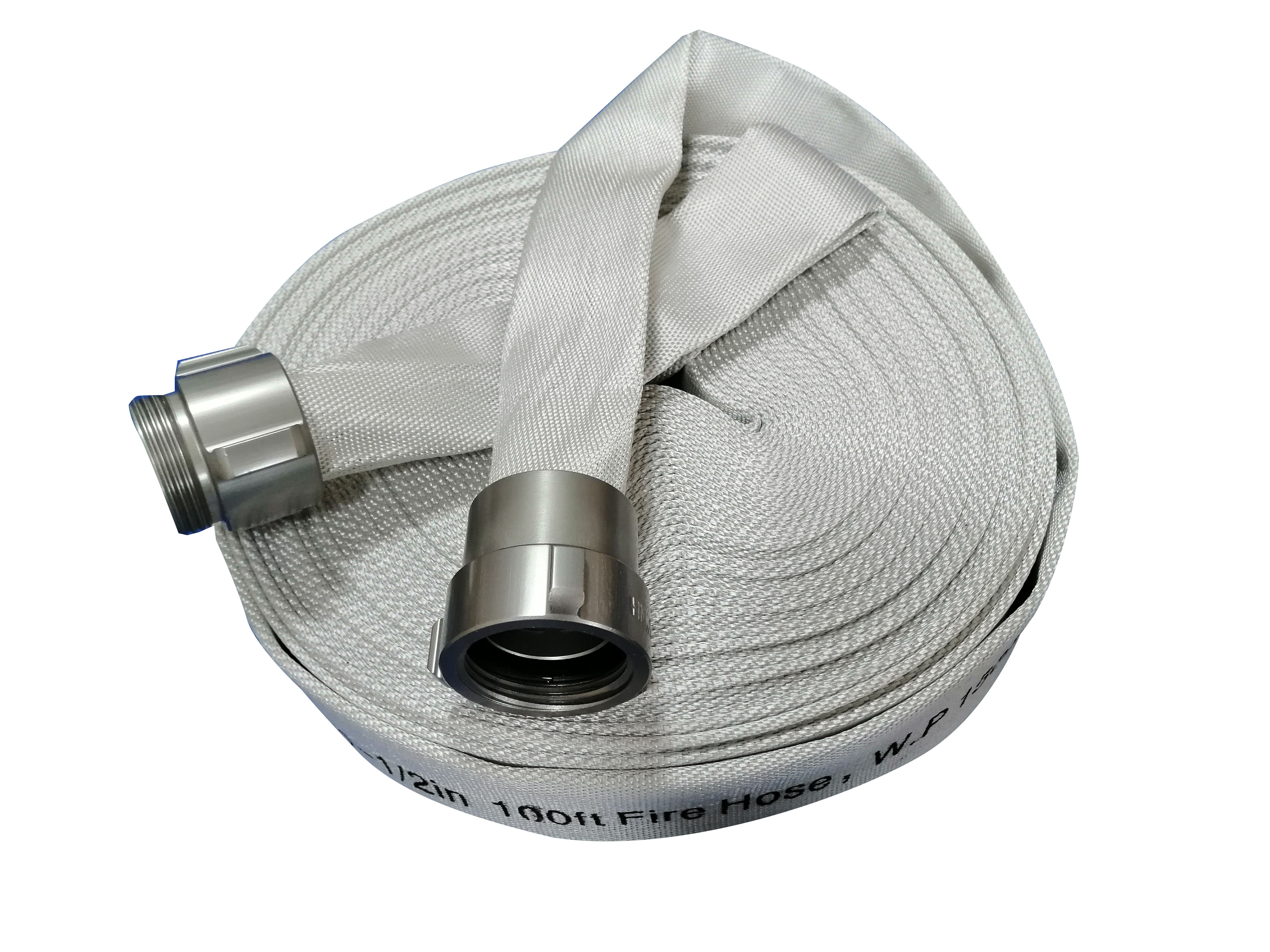
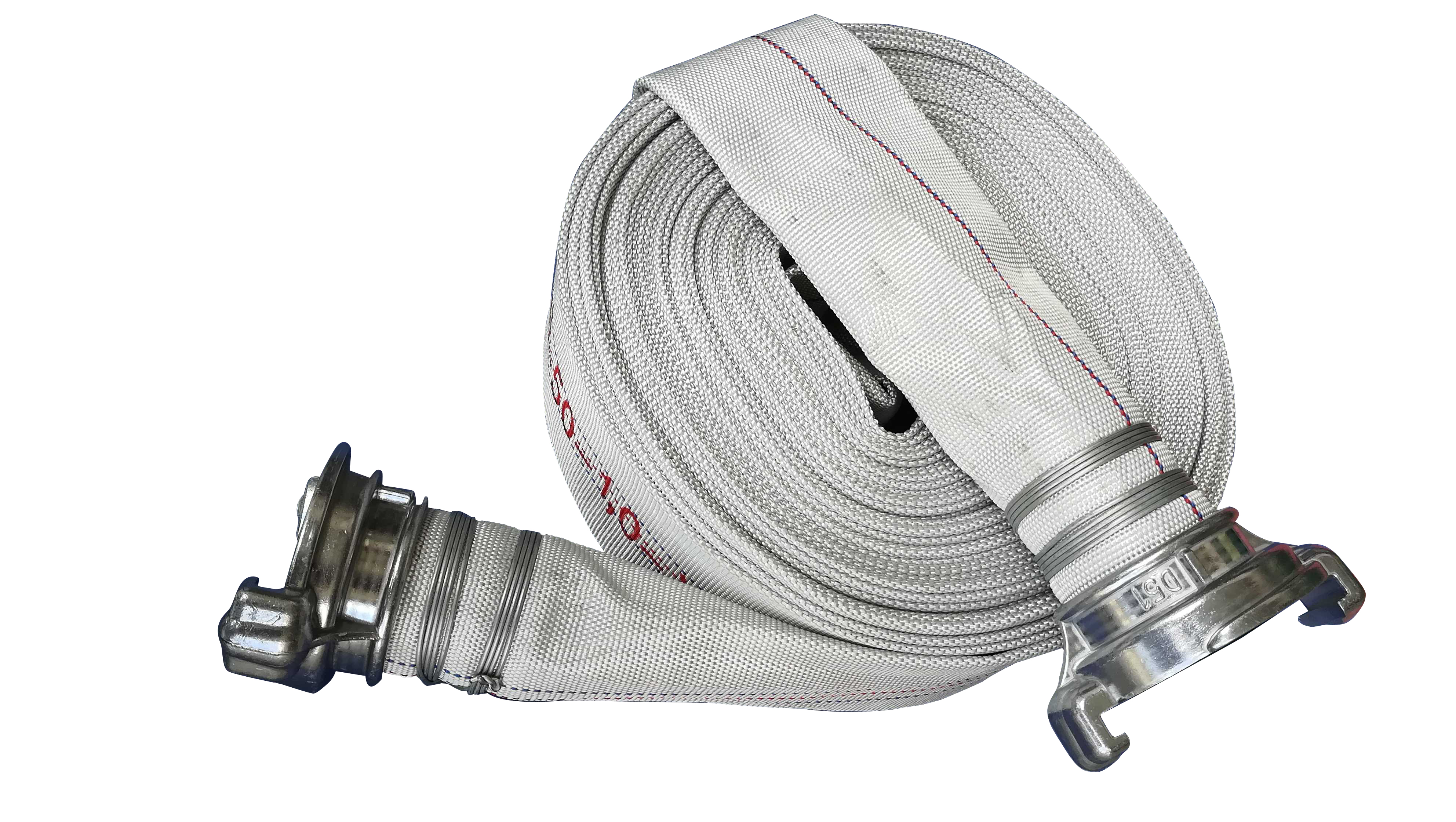
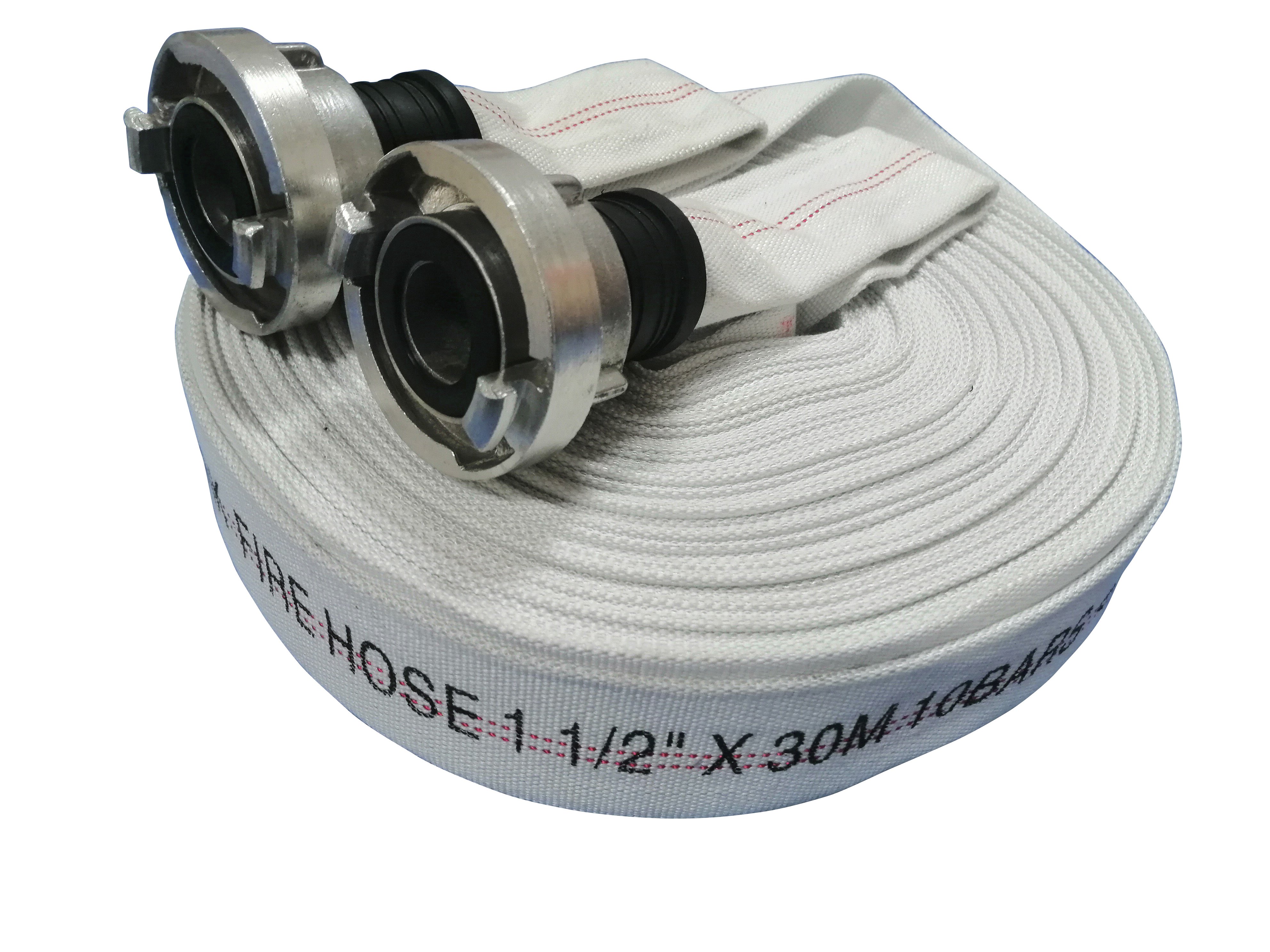
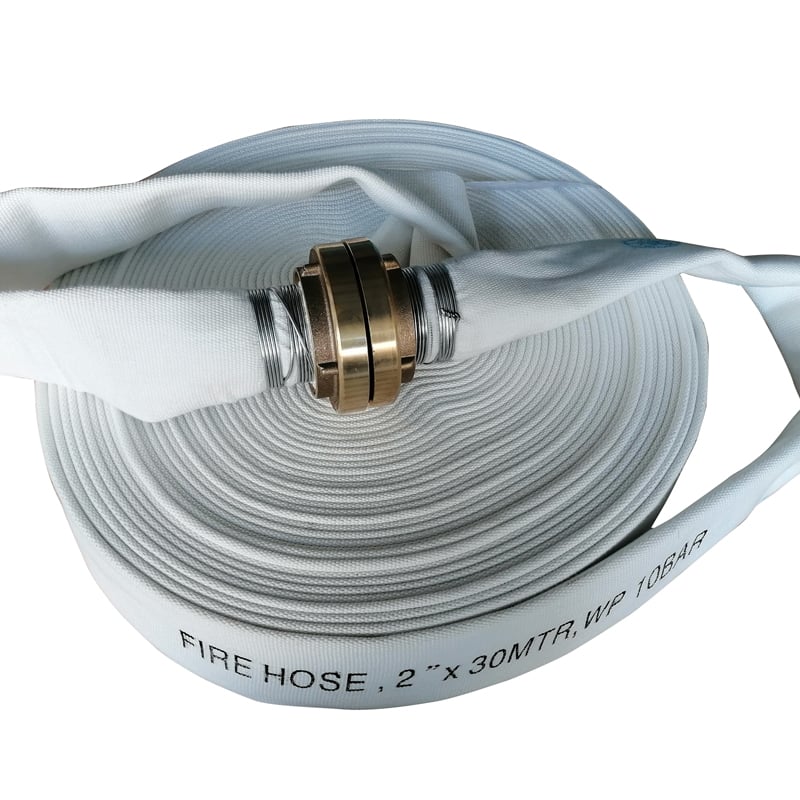
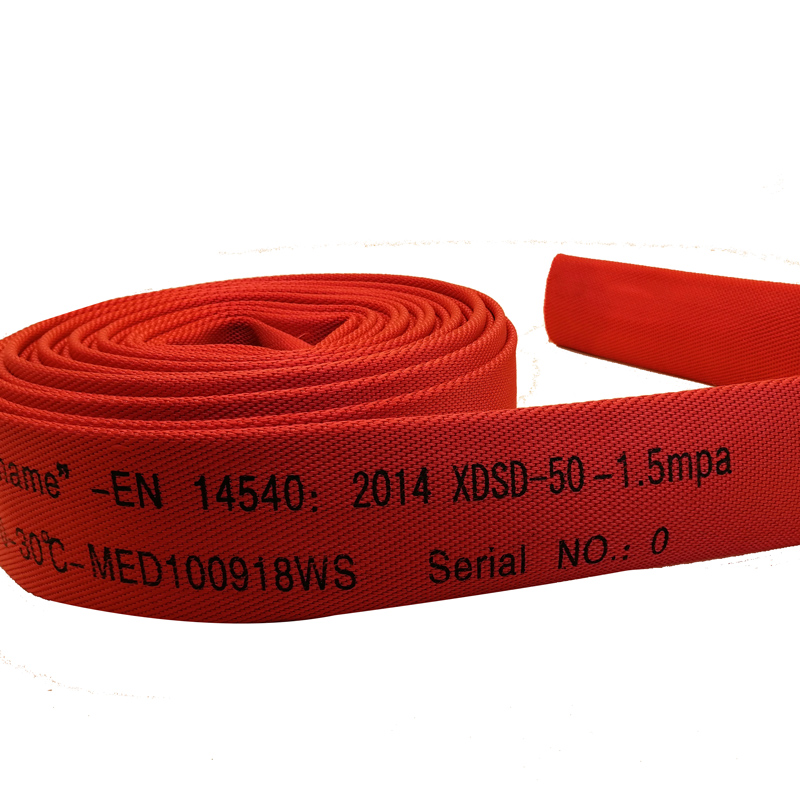
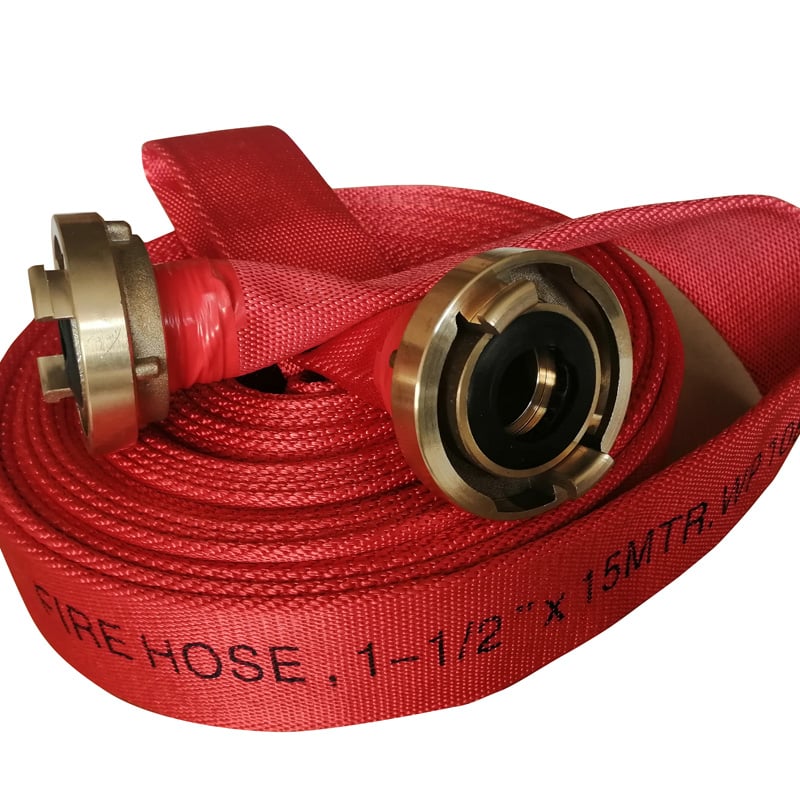
Fire hoses are critical tools for effective fire suppression, designed to spray water with precision and efficiency. In the realm of fire safety, understanding the quality and performance of fire hoses is paramount for B2B buyers, including purchasing managers and engineers. This article will guide you through evaluating the quality of rubber fire hose, addressing common installation challenges, exploring various industrial applications, comparing options for contractors, and understanding the material advantages in these essential products.
When assessing the quality of Longtao fire hose spraying water, several key specifications should be considered. First, the diameter of the hose is crucial, as it affects water flow rate and pressure. For instance, a 1.5-inch hose is suitable for residential use, while larger diameters, like 3 inches, are typically employed in industrial settings.
Next, the pressure rating indicates how much pressure the hose can withstand before failure. Standard fire hoses are usually rated between 150 to 300 psi. A higher rating ensures reliability under extreme conditions, making it essential for buyers to confirm this specification based on their application needs.
The material composition is another vital factor. Most fire hoses are made from synthetic woven fabrics reinforced with a rubber or PVC lining. This combination provides durability and flexibility while ensuring resistance to abrasion, chemicals, and environmental factors. Buyers should also inquire about certifications that ensure compliance with industry standards, such as NFPA or UL listings, which can indicate a product's reliability and performance.
Lastly, inspecting the hose for features such as couplings and nozzles can influence its effectiveness. Couplings should provide a secure fit without leaks, while nozzles should offer adjustable spray patterns for different firefighting scenarios.
Installing fire hose spraying water systems can present several challenges. One common issue is ensuring proper placement of hose reels and hydrants. Positioning these components too far apart can lead to inadequate water pressure at the nozzle, compromising firefighting efforts.
Moreover, the layout of the installation area must be taken into account. Obstacles such as walls, equipment, or uneven terrain can hinder hose deployment. Buyers should consider conducting a thorough site assessment to identify potential installation problems early in the planning process.
Compatibility is another concern, especially when connecting hoses to hydrants or other firefighting equipment. Ensuring that couplings match and that the hoses are of appropriate length can save time and prevent costly delays. It is advisable for purchasing managers to consult with suppliers regarding the specific requirements for their installation environment.
Fire hose spraying water finds applications across multiple industries, each with unique requirements. In the construction sector, for instance, hoses are used to manage dust suppression and to protect structures from fire during building processes. Fire hoses are often equipped with nozzles that can create a fine mist, which is effective in controlling airborne particulates.
In the manufacturing sector, fire hoses are essential for cooling equipment and controlling potential fire hazards. Industries that handle flammable materials, such as chemical manufacturing, require hoses that can withstand corrosive substances, making material selection critical.
Additionally, the agricultural industry employs double jacket fire hose for irrigation and pest control. Here, the hoses must be durable enough to handle exposure to various weather conditions and chemicals. Customization options from manufacturers like Jiangsu Nantong Longtao Fire-Hose Group Co., Ltd. can cater to these diverse applications, ensuring that the right specifications and materials are utilized.
For contractors, selecting the appropriate fire hose spraying water system involves comparing various options based on specific project needs. Key factors include the hose type—whether lined, double-coated, or specialized for garden or flyboard applications.
Contractors should also evaluate the production capabilities of suppliers. For instance, Jiangsu Nantong Longtao Fire-Hose Group Co., Ltd. boasts an annual capacity of 10 million fire hose meters, enabling them to meet large-scale demand efficiently. Understanding each supplier’s production processes and lead times can significantly impact project timelines.
Another consideration is pricing. Factors such as material quality, customization level, and order quantity (MOQ) will influence costs. Contractors should prepare detailed specifications and requirements when requesting quotations to ensure accurate pricing and avoid unexpected expenses.
Lastly, reviewing previous client feedback and case studies can provide insight into the reliability and performance of the hoses offered by different manufacturers. This due diligence helps contractors make informed decisions that align with their project goals.
With an annual production capacity of 10 million meters of fire hose and 7,000 sets of fire hydrant boxes, the company demonstrates its ability to meet large-scale demands efficiently. The product range is extensive, including lined fire hoses (single and double jacket), double-coated fire hoses, fire hose reels, plastic-coated hoses, spray fire hoses, garden hoses, and specialized nozzles and couplings that meet various international standards. This diversity allows the company to cater to a wide array of customer needs across different markets.
The company places a strong emphasis on quality, which is fundamental to its survival and success. It is dedicated to the manufacturing, production, and research and development of fire-fighting equipment, including custom-made solutions for domestic and foreign professional fire brigades. The company holds multiple patent certificates for its independently developed intellectual property products, showcasing its innovative capabilities and commitment to advancing fire safety technology.
Jiangsu Nantong Longtao Fire-Hose Group Co., Ltd. has successfully exported its high-quality products to numerous countries, including the United States, Germany, Italy, Russia, South Korea, Japan, Vietnam, and the Middle East. The company adheres to a customer-first philosophy, offering high-quality, cost-effective products and services. Its commitment to honest cooperation and mutual benefit ensures long-term partnerships and a win-win situation for both the company and its clients. This global presence and customer-centric approach highlight the company's ability to compete and thrive in the international market.
Jiangsu Nantong Longtao Fire-Hose Group Co., Ltd. is officially recognized by the Ministry of Public Security as a designated enterprise for the production of fire hoses, fire hydrants, and fire boxes. This designation underscores the company's compliance with stringent national standards and its commitment to producing high-quality fire safety equipment. Being a government-designated enterprise also reflects the company's reliability and trustworthiness in the industry.
The materials used in fire hose spraying water products greatly affect their performance and longevity. Synthetic woven fabrics are favored for their strength and flexibility, while linings made of rubber or PVC enhance durability and environmental resistance.
For instance, double-coated hoses offer additional protection against wear and tear, making them suitable for rigorous industrial applications. Buyers should consider the specific environmental conditions the hoses will face, such as exposure to chemicals, UV light, or extreme temperatures, to select the most appropriate material.
Moreover, advancements in manufacturing technology have led to the development of lightweight yet durable hoses. This innovation allows for easier handling and deployment, which can be especially beneficial in emergency situations where quick action is necessary. Buyers should consult with manufacturers to understand how different materials affect performance specifications, ensuring that their chosen hoses meet the demands of their intended applications.
When selecting brass fire hose nozzle, it’s essential for B2B buyers to evaluate quality, installation challenges, applications, and material advantages. By understanding these factors, purchasing managers and contractors can make informed decisions that enhance safety and efficiency in fire suppression efforts.

Welcome to Jiangsu Nantong Longtao, we are a leading manufacturer specialize in fire hoses, fire hydrants and fire boxes.
No.888 Renmin South Road, Dayu Town,Rudong County, Nantong City, Jiansu Province
Copyright © EVERBRIGHT FIRE-FIGHTING EQUIPMENT(NANTONG)CO., LTD. All Rights Reserved
 EN
 AR
 FR
 DE
 KO
 CS
 DA
 NL
 FI
 EL
 IT
 JA
 NO
 PL
 PT
 RO
 RU
 ES
 SV
 TL
 IW
 ID
 LV
 LT
 SR
 SK
 SL
 UK
 SQ
 ET
 HU
 TH
 TR
 FA
 AF
 IS
 MK
 KA
 UR
 BN