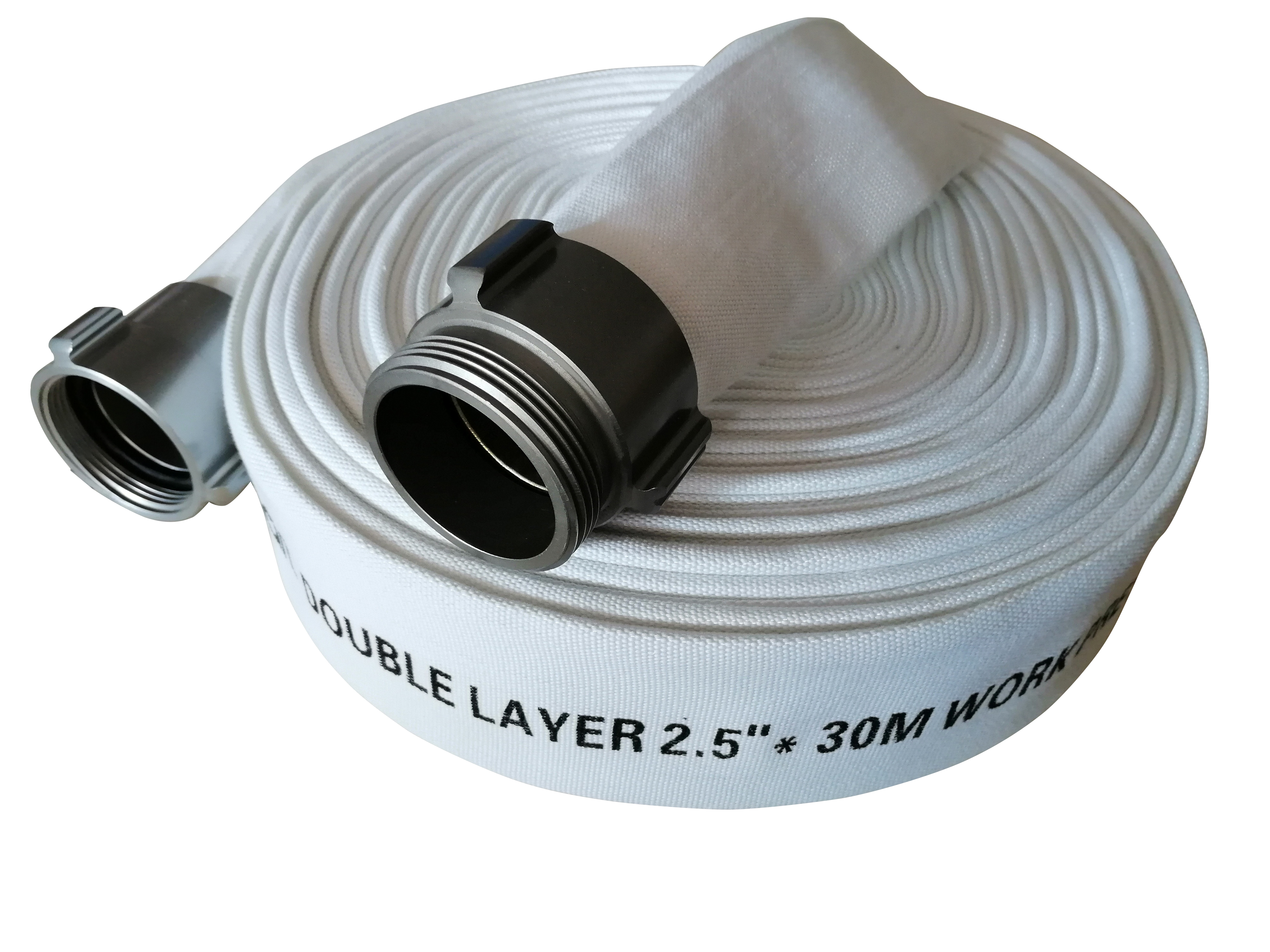
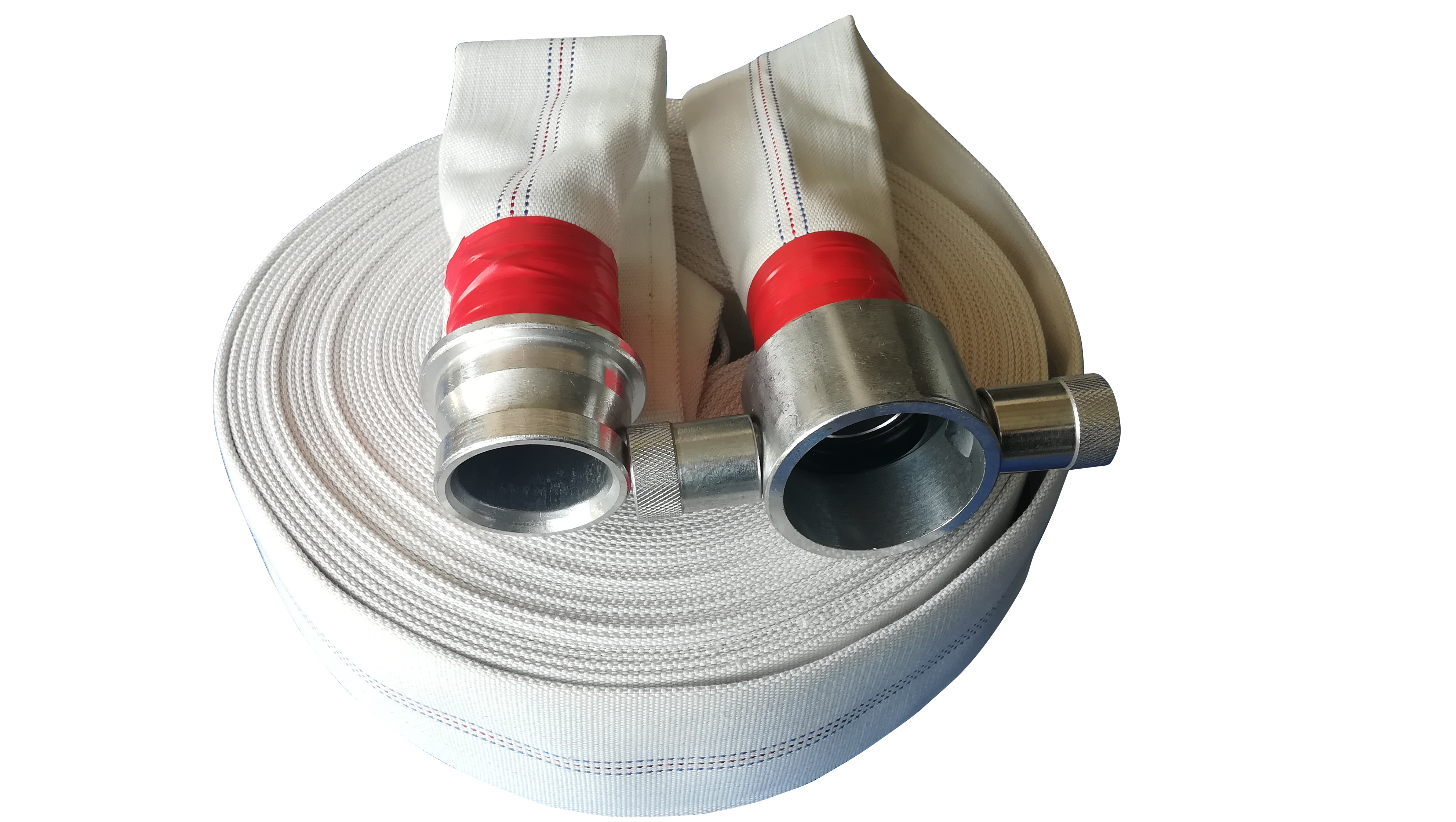
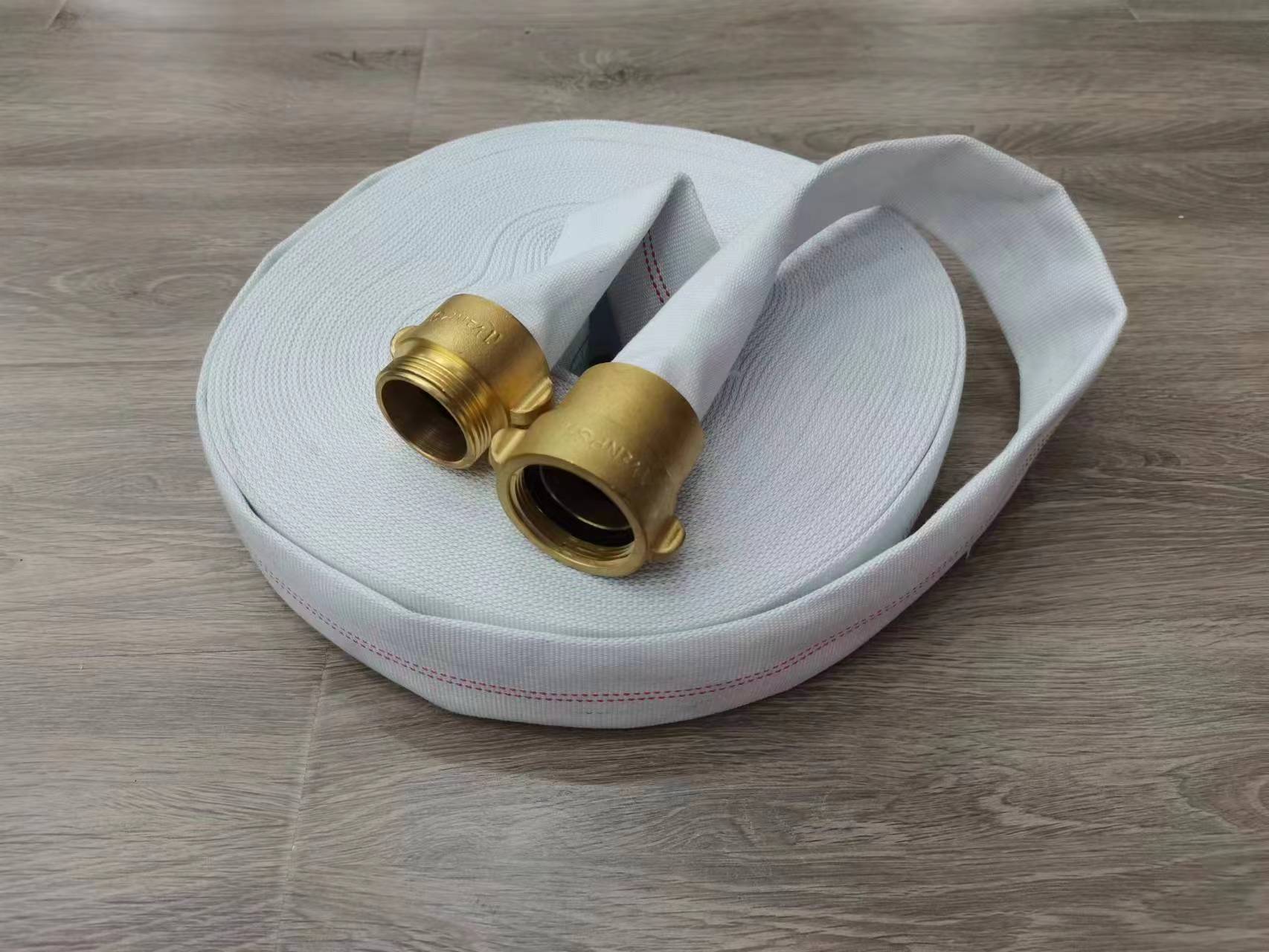
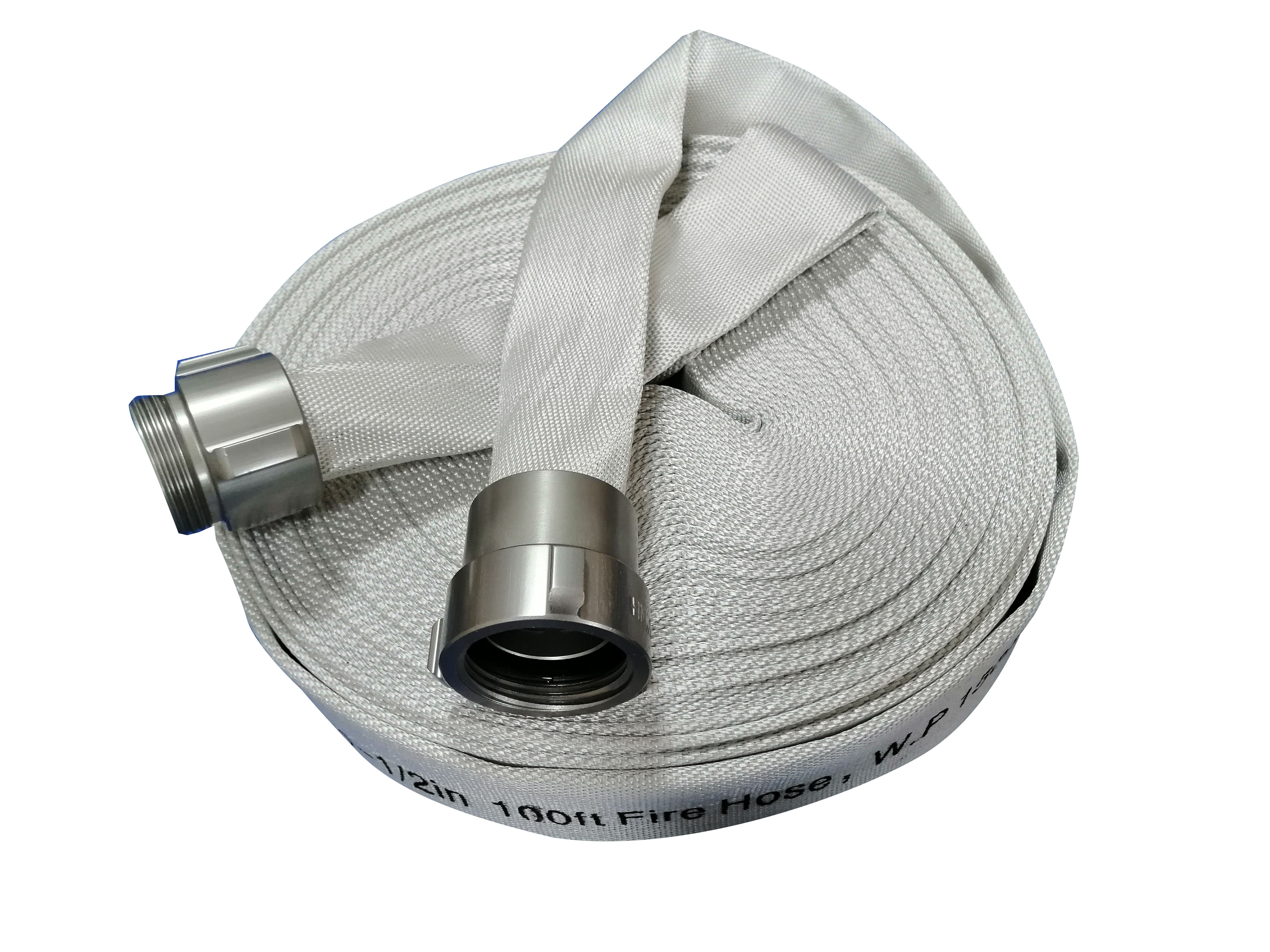
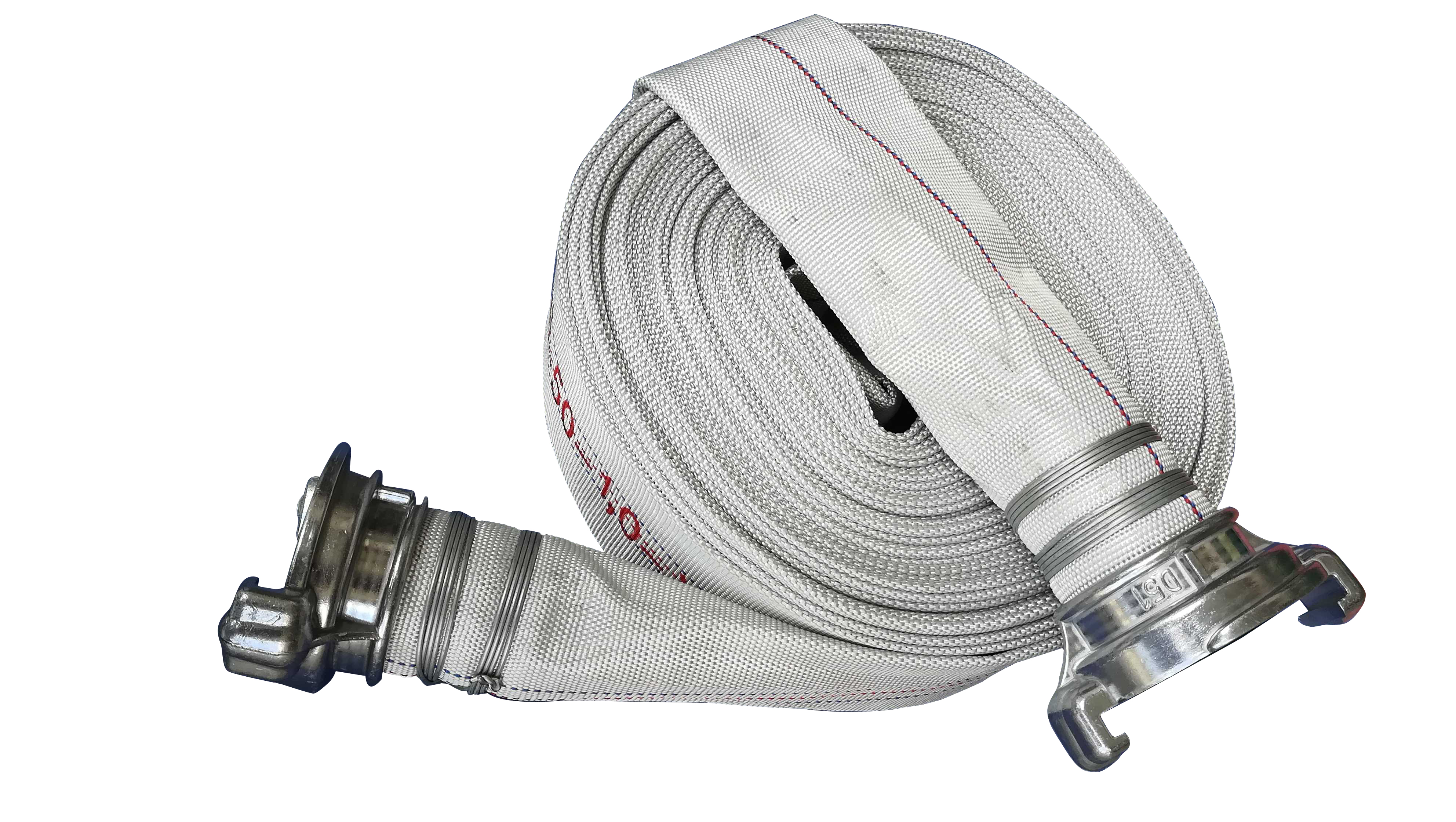
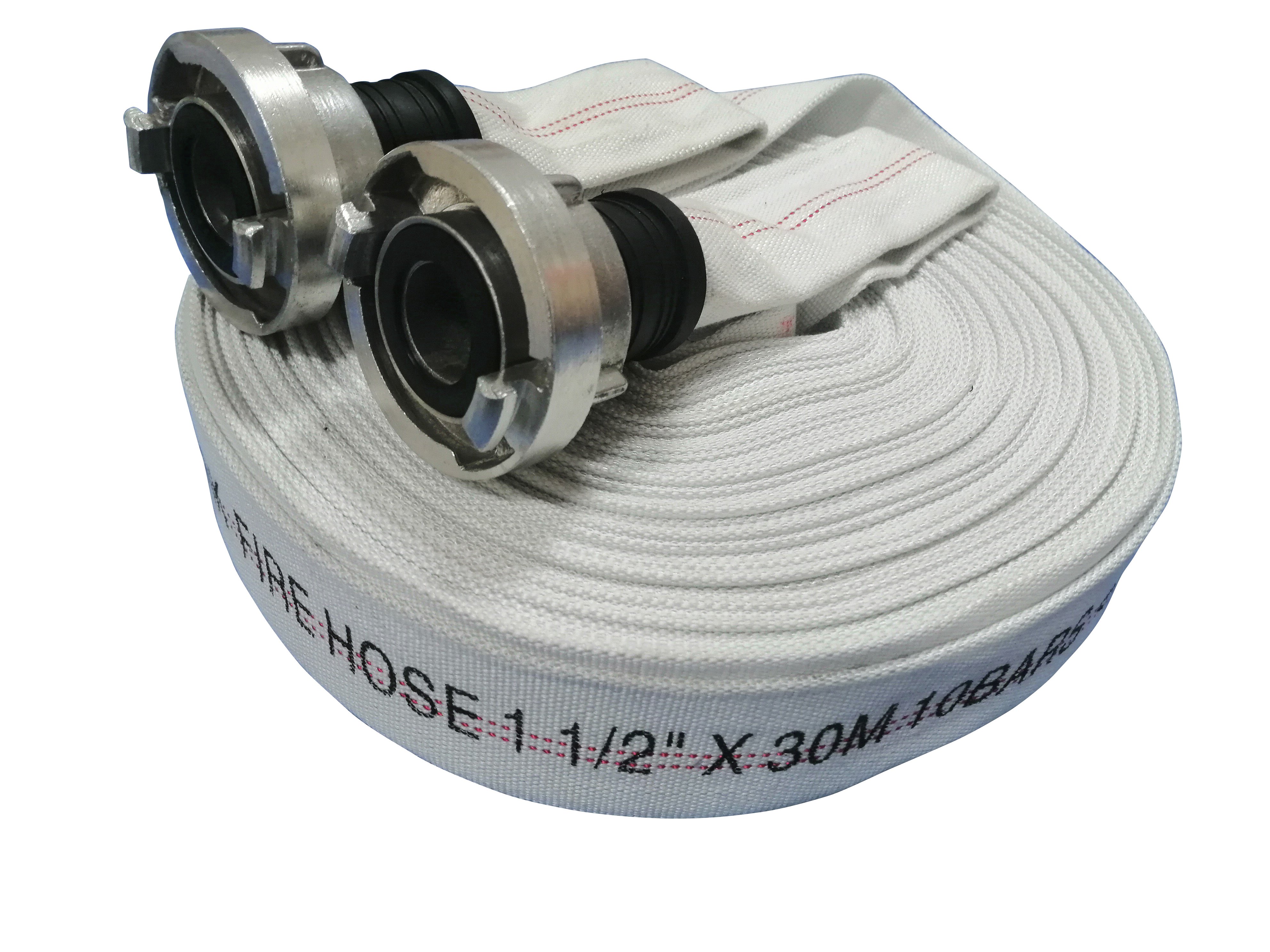
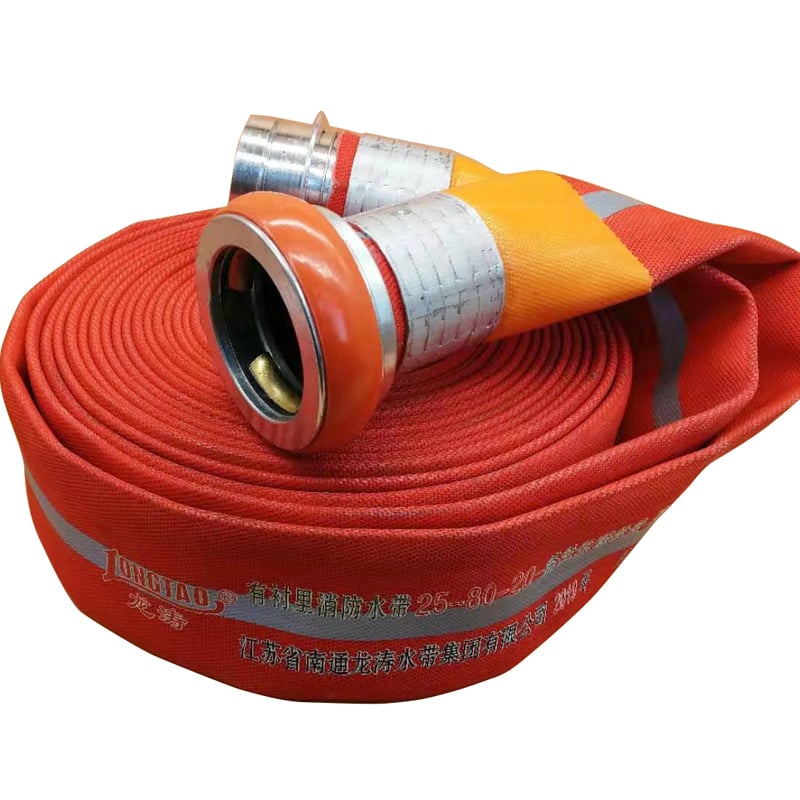
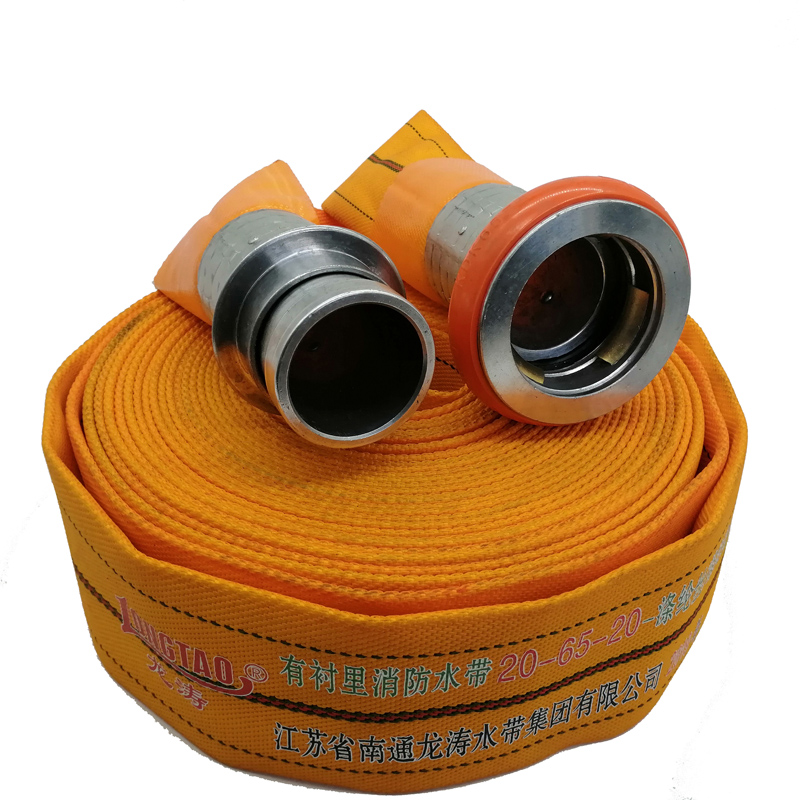
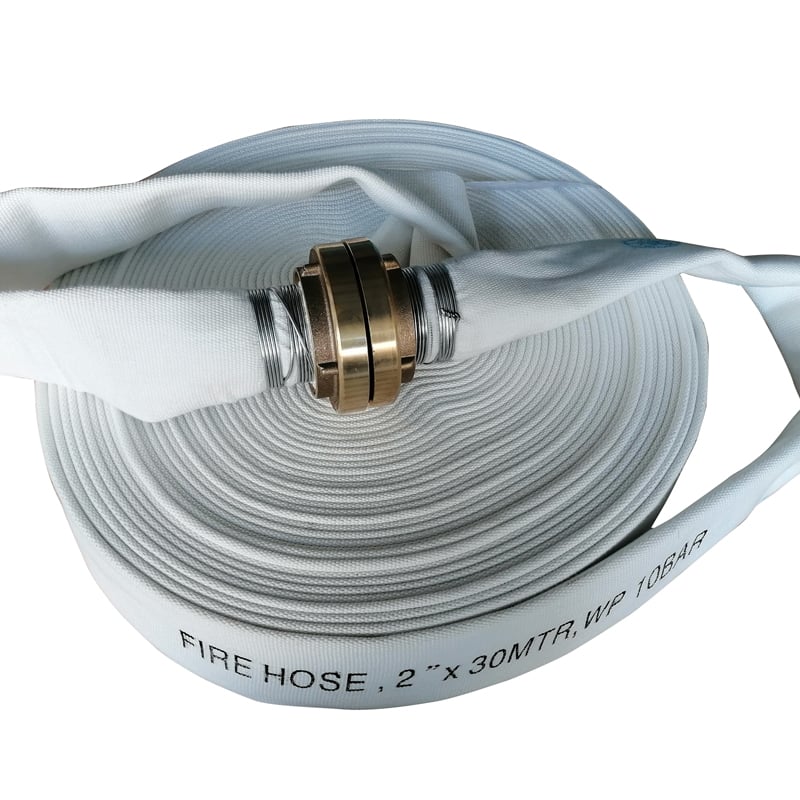
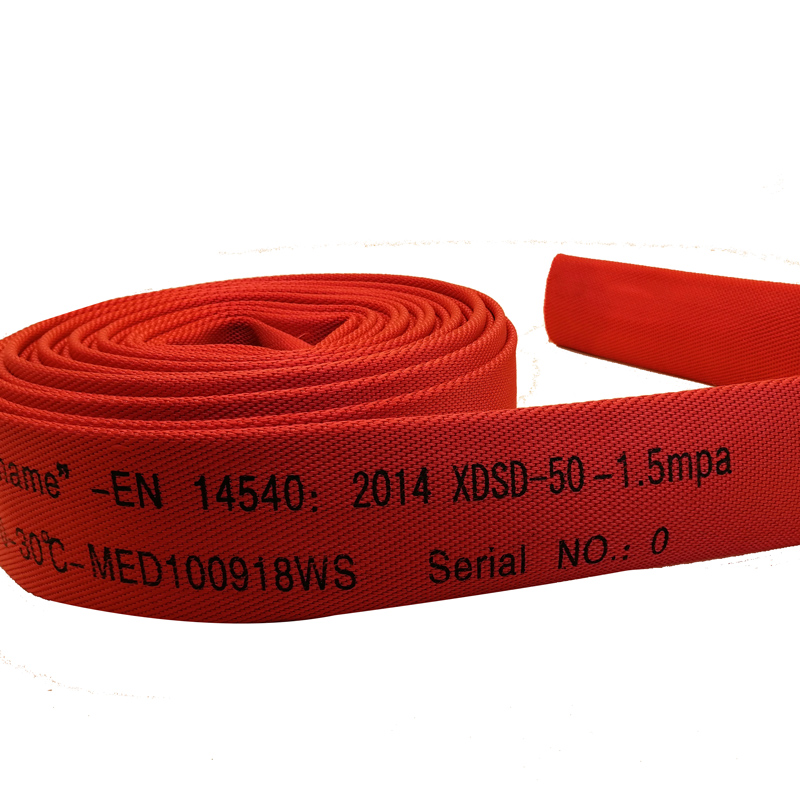
Pump hoses are essential components in various industrial applications, facilitating the transfer of liquids and other materials. For purchasing managers, distributors, and engineers, selecting the right longtao pump water hose involves understanding specifications, material compatibility, and quality assurance. This article will guide you through key considerations when sourcing pump hoses, ensuring you make informed decisions that align with your specific operational needs.
When selecting a pump hose, several key specifications should be evaluated to ensure optimal performance. These include:
Diameter and Length: The diameter of longtao garden water hose pump affects the flow rate, while the length impacts pressure loss during liquid transfer. It’s crucial to determine the appropriate size based on the pump’s capacity and the application requirements.
Material: Different materials offer varying levels of flexibility, chemical resistance, and durability. Common materials include PVC, rubber, and polyurethane. The material choice should reflect the fluid being transported, as certain chemicals can degrade specific hose types.
Pressure Rating: This specification indicates the maximum pressure the hose can withstand. Ensure that the pressure rating exceeds the operational requirements to prevent failures during use.
Temperature Range: The hose material of longtao garden hose pump must be suitable for the temperature of the fluids being transported to avoid deformation or degradation.
Reinforcement: Hoses may be reinforced with materials like polyester or steel to enhance strength and prevent kinking under pressure. Assess the level of reinforcement needed based on the application demands.
Understanding these specifications will help you select a pump hose that meets your operational needs while ensuring safety and efficiency.
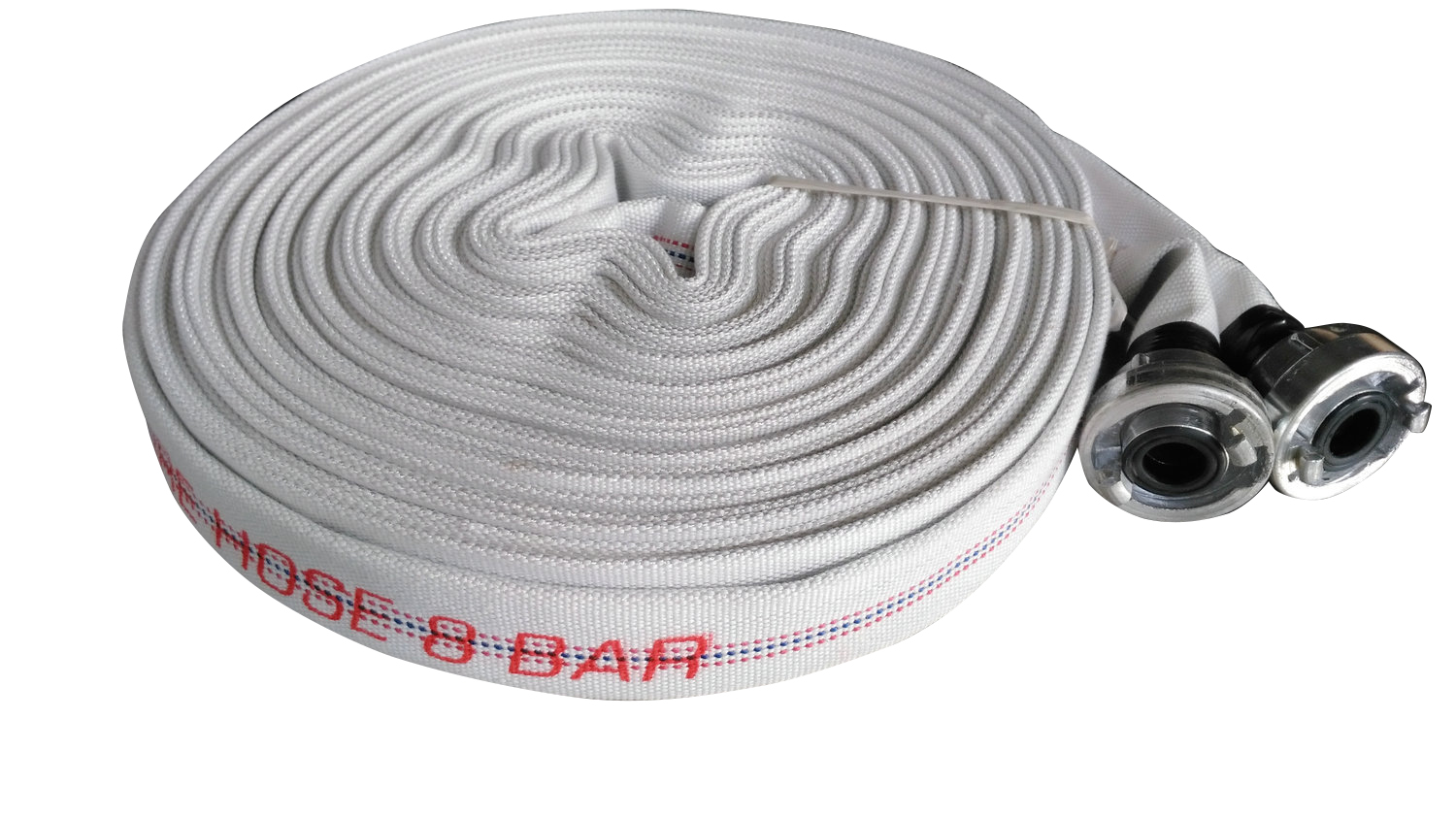
Sourcing quality pump hoses for wholesale purchase can significantly impact your operational efficiency and costs. Here are some avenues to consider:
Direct Manufacturers: Working with manufacturers, such as Jiangsu Nantong Longtao Fire-Hose Group Co., Ltd., allows for tailored solutions and direct access to product expertise. Manufacturers often offer competitive pricing for bulk orders and customization options, which can be crucial for specific applications.
Industry Trade Shows: Attending trade shows in the manufacturing and industrial sectors can provide direct interactions with suppliers. This setting allows for hands-on product evaluations and discussions about specifications, pricing, and delivery timelines.
Online Marketplaces: B2B platforms can connect you with multiple suppliers. When using these platforms, ensure to check supplier ratings and reviews to gauge reliability and product quality.
Local Distributors: Partnering with local distributors can facilitate quicker delivery times and easier communication. They often have established relationships with manufacturers and can provide insights into product performance.
When sourcing, ask for samples or product data sheets to verify quality and compatibility before committing to larger orders.
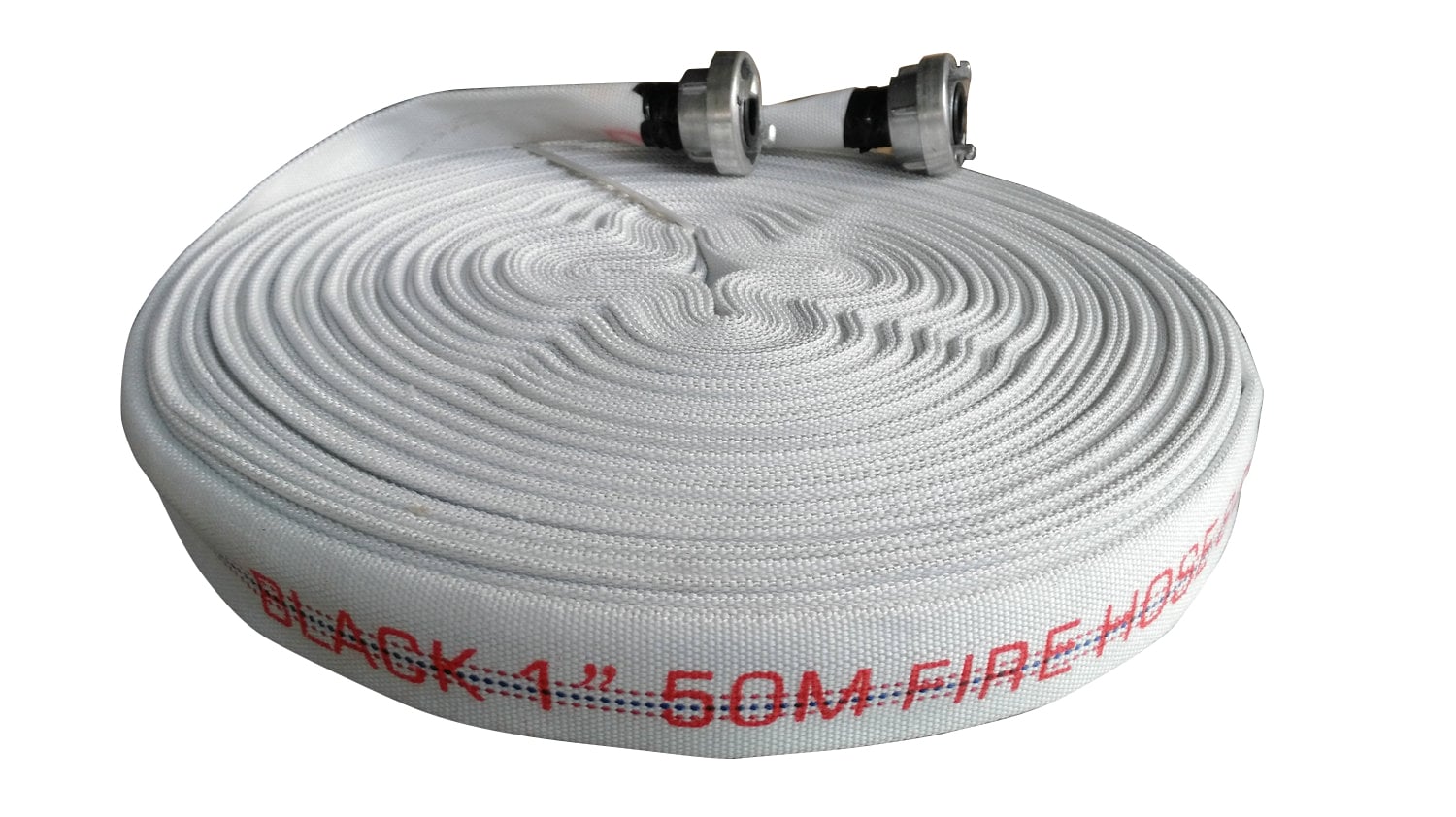
Quality evaluation of pump hoses is critical to ensure they meet the demands of your specific projects. Consider the following factors:
Material Integrity: Verify the material used in the hose construction. Ensure it is suitable for your application, especially if exposed to chemicals or extreme temperatures. Request certification of material properties if necessary.
Manufacturing Standards: Check if the manufacturer adheres to industry standards, such as ISO certifications, which indicate a commitment to quality management systems.
Performance Testing: Inquire if the hoses undergo rigorous performance testing, including pressure and temperature tests. This testing ensures that the hoses can withstand operational conditions without failure.
Customer Feedback: Seek feedback from other customers who have used the hoses in similar applications. Their experiences can provide insights into long-term performance and reliability.
Warranty and Support: A solid warranty and responsive customer support can reflect the manufacturer’s confidence in their product. Ensure that support is available for troubleshooting and maintenance.
By systematically evaluating these aspects, you can ensure that the pump hoses you select will perform reliably in your applications.
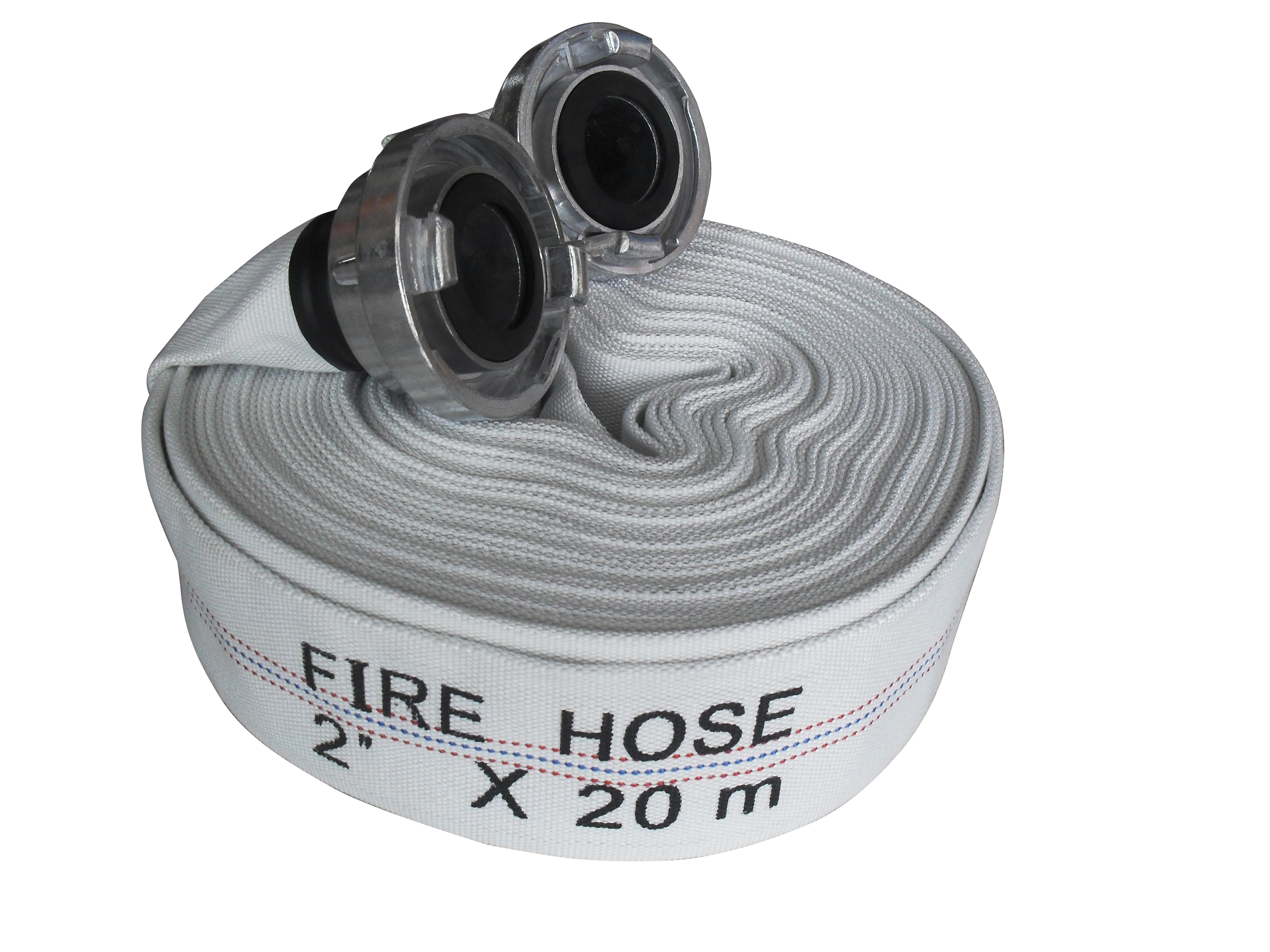
Despite their robustness, pump hoses can encounter issues that may affect their performance. Here are some common problems and solutions:
Kinking: This occurs when the hose bends sharply, restricting flow. To mitigate this, use hoses with adequate reinforcement or proper bends in the installation to maintain a smooth flow path.
Leaking: Leaks can arise from improper connections or damaged material. Regularly inspect hose fittings and connections for wear. Ensure that couplings are compatible and securely fastened to prevent leaks.
Abrasion and Wear: Hoses can suffer from abrasion due to contact with rough surfaces. Protect hoses by using guards or selecting hoses with abrasion-resistant covers based on the application environment.
Chemical Degradation: Exposure to harsh chemicals can weaken hose materials. Always verify chemical compatibility with the manufacturer to select the right material for your specific application.
Pressure Loss: Insufficient pressure can result from improper hose diameter or excessive length. Calculate the required specifications based on the pump performance to avoid pressure drops.
Addressing these common issues proactively can enhance the lifespan and efficiency of your pump hoses.
Jiangsu Nantong Longtao Fire-Hose Group Co., Ltd. has successfully exported its high-quality products to numerous countries, including the United States, Germany, Italy, Russia, South Korea, Japan, Vietnam, and the Middle East. The company adheres to a customer-first philosophy, offering high-quality, cost-effective products and services. Its commitment to honest cooperation and mutual benefit ensures long-term partnerships and a win-win situation for both the company and its clients. This global presence and customer-centric approach highlight the company's ability to compete and thrive in the international market.
With an annual production capacity of 10 million meters of fire hose and 7,000 sets of fire hydrant boxes, the company demonstrates its ability to meet large-scale demands efficiently. The product range is extensive, including lined fire hoses (single and double jacket), double-coated fire hoses, fire hose reels, plastic-coated hoses, spray fire hoses, garden hoses, and specialized nozzles and couplings that meet various international standards. This diversity allows the company to cater to a wide array of customer needs across different markets.
Jiangsu Nantong Longtao Fire-Hose Group Co., Ltd. is officially recognized by the Ministry of Public Security as a designated enterprise for the production of fire hoses, fire hydrants, and fire boxes. This designation underscores the company's compliance with stringent national standards and its commitment to producing high-quality fire safety equipment. Being a government-designated enterprise also reflects the company's reliability and trustworthiness in the industry.
The company places a strong emphasis on quality, which is fundamental to its survival and success. It is dedicated to the manufacturing, production, and research and development of fire-fighting equipment, including custom-made solutions for domestic and foreign professional fire brigades. The company holds multiple patent certificates for its independently developed intellectual property products, showcasing its innovative capabilities and commitment to advancing fire safety technology.
Different materials used in pump hoses offer distinct advantages and disadvantages. Understanding these can aid in making an informed selection:
PVC (Polyvinyl Chloride): Lightweight and flexible, PVC hoses are well-suited for low-pressure applications. They are resistant to corrosion but may not withstand extreme temperatures or pressures.
Rubber: Known for its durability and flexibility, rubber hoses are ideal for heavy-duty applications. They handle high pressures and temperatures effectively but can be heavier and more expensive than alternatives.
Polyurethane: This material boasts excellent abrasion resistance and flexibility, making it suitable for demanding applications. Polyurethane hoses can also handle a wide range of temperatures and chemicals.
Silicone: While not commonly used for high-pressure applications, silicone hoses are ideal for high-temperature uses due to their heat resistance and flexibility.
When selecting a material, consider the specific application requirements, including the type of fluid being transported, temperature ranges, and pressure conditions. Consulting with a knowledgeable supplier can provide further guidance on the best material for your needs.
By understanding the specifications, sourcing strategies, quality evaluations, common problems, and material comparisons, you can confidently select pump hoses that meet your operational requirements and ensure smooth and efficient operations.

Welcome to Jiangsu Nantong Longtao, we are a leading manufacturer specialize in fire hoses, fire hydrants and fire boxes.
No.888 Renmin South Road, Dayu Town,Rudong County, Nantong City, Jiansu Province
Copyright © EVERBRIGHT FIRE-FIGHTING EQUIPMENT(NANTONG)CO., LTD. All Rights Reserved
 EN
 AR
 FR
 DE
 KO
 CS
 DA
 NL
 FI
 EL
 IT
 JA
 NO
 PL
 PT
 RO
 RU
 ES
 SV
 TL
 IW
 ID
 LV
 LT
 SR
 SK
 SL
 UK
 SQ
 ET
 HU
 TH
 TR
 FA
 AF
 IS
 MK
 KA
 UR
 BN