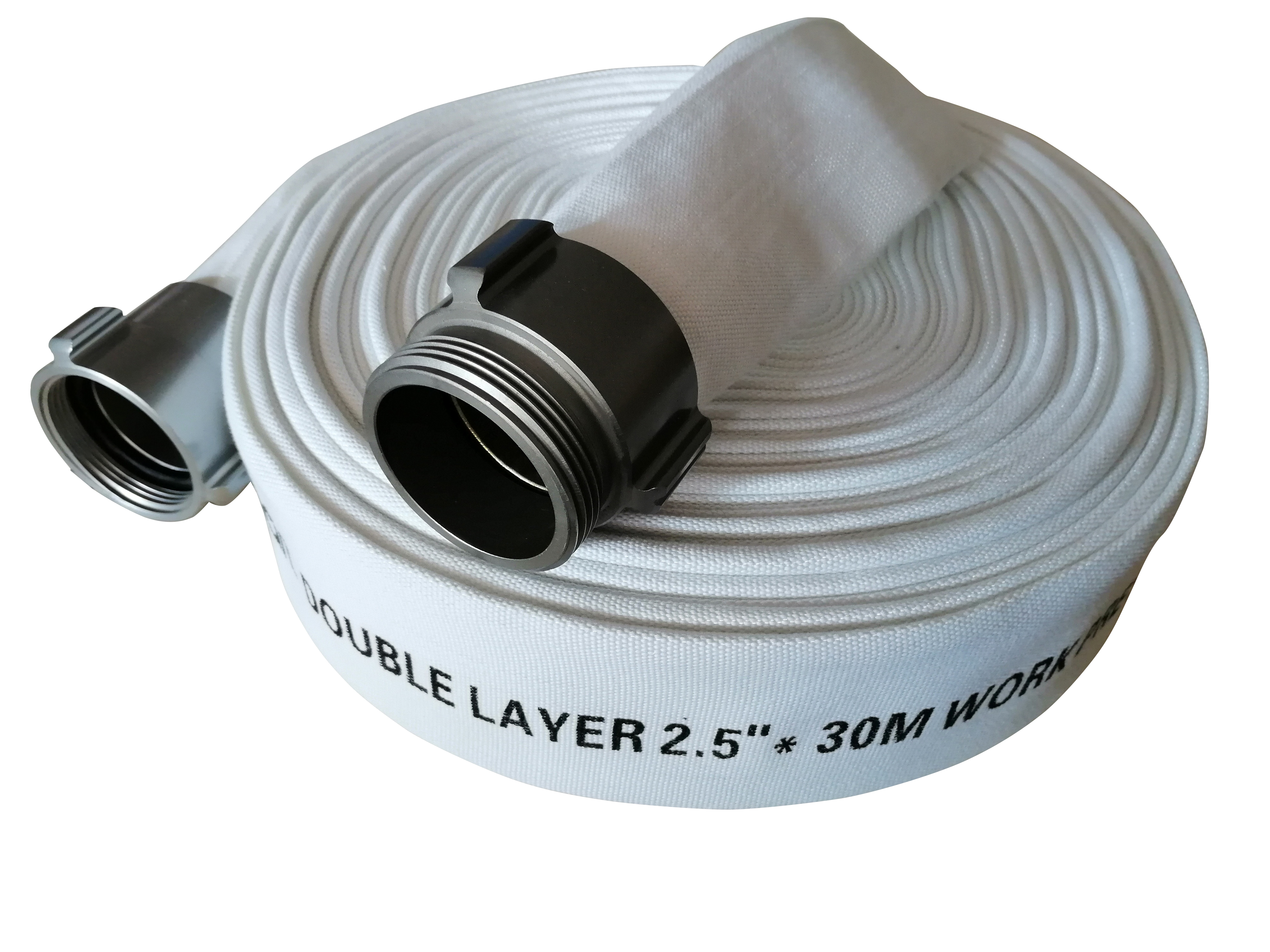
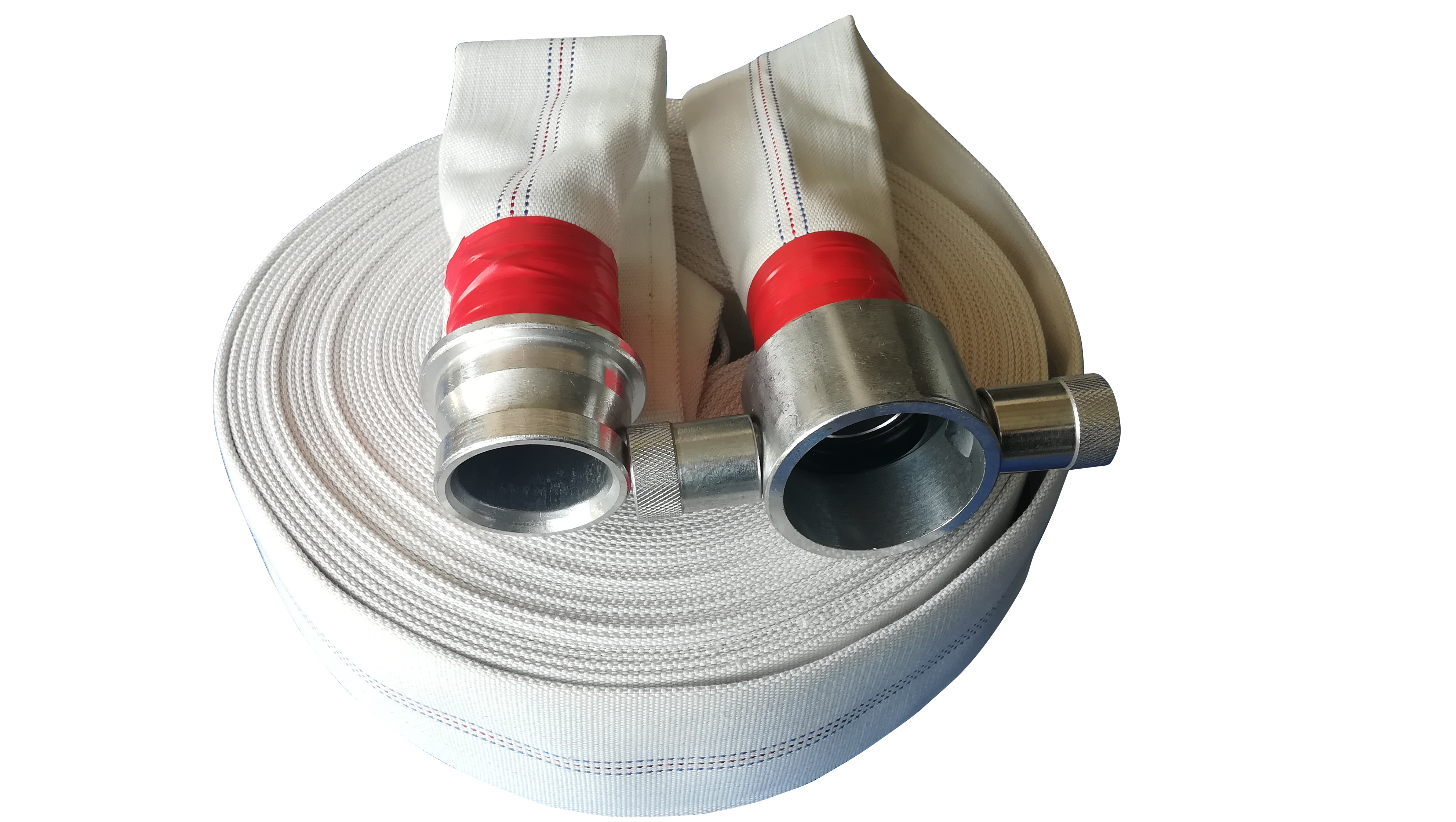
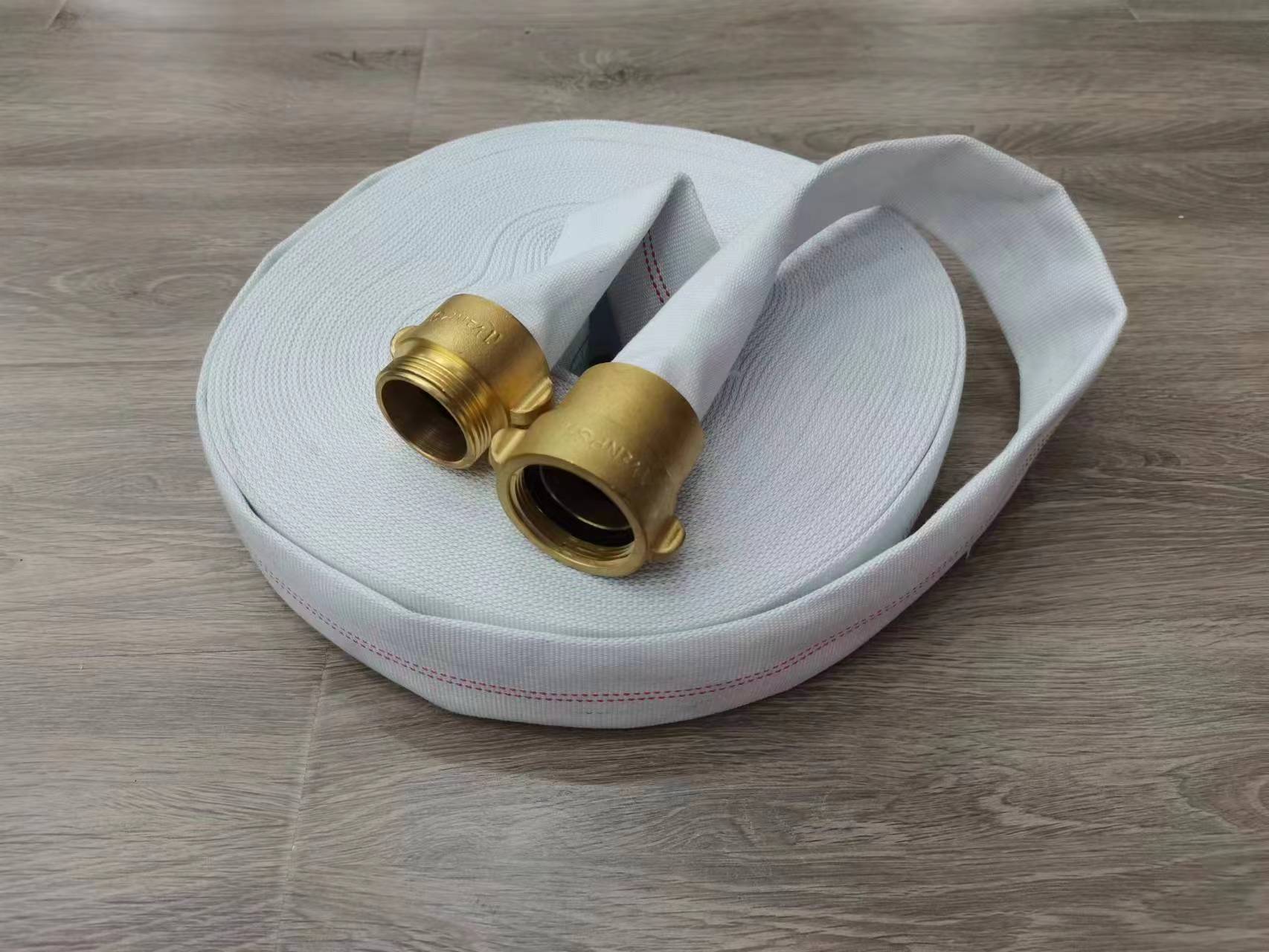
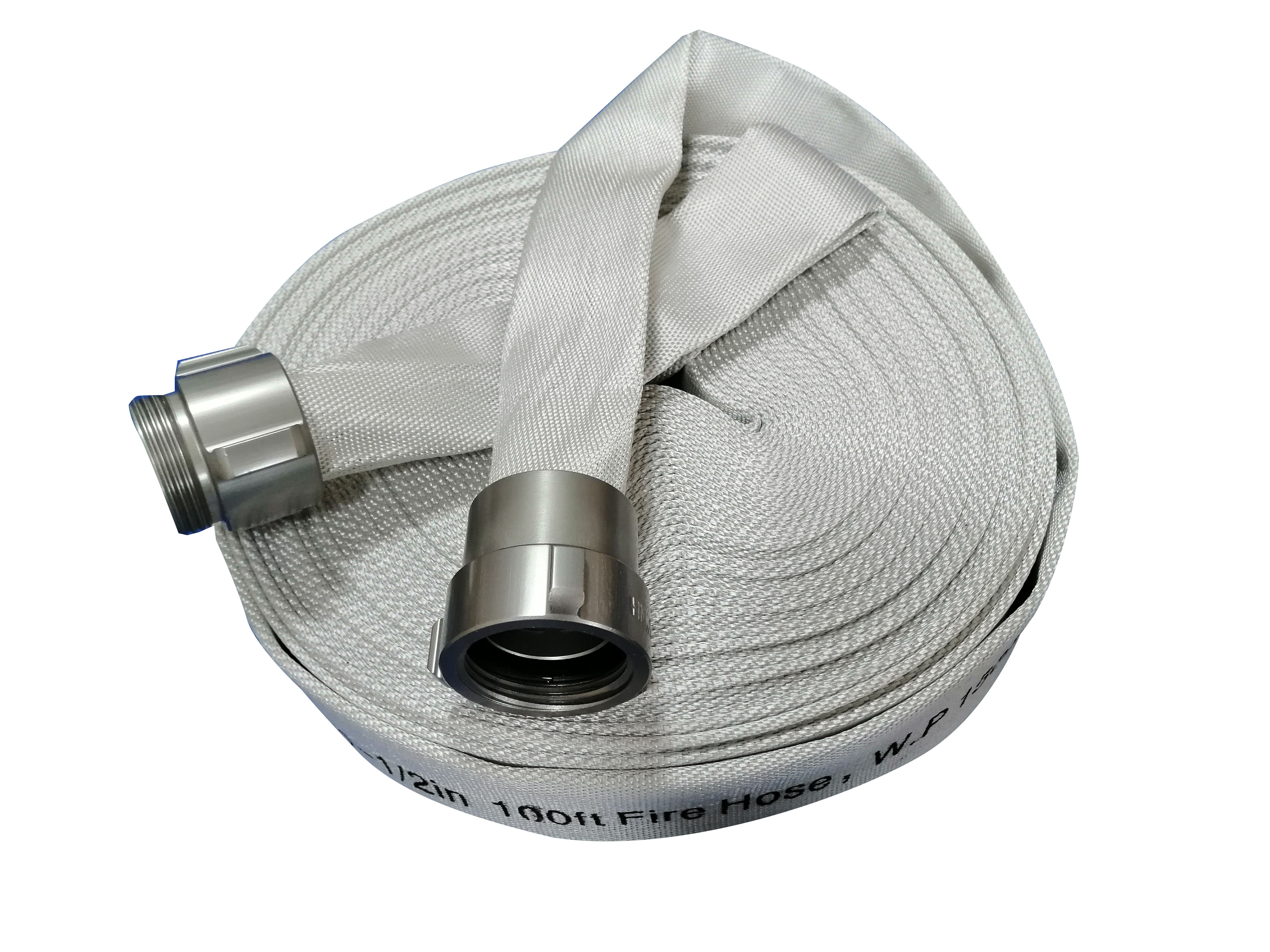
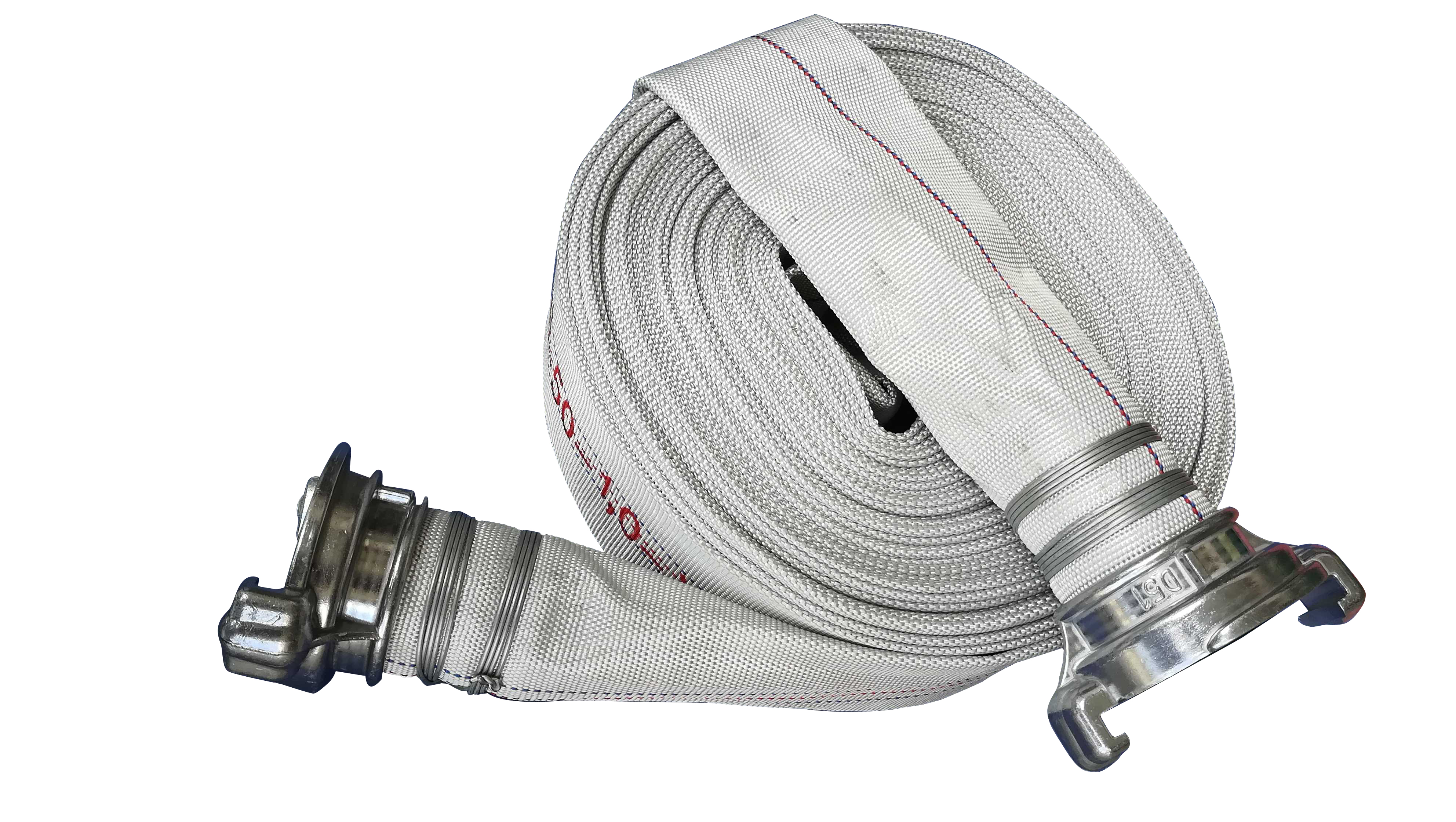
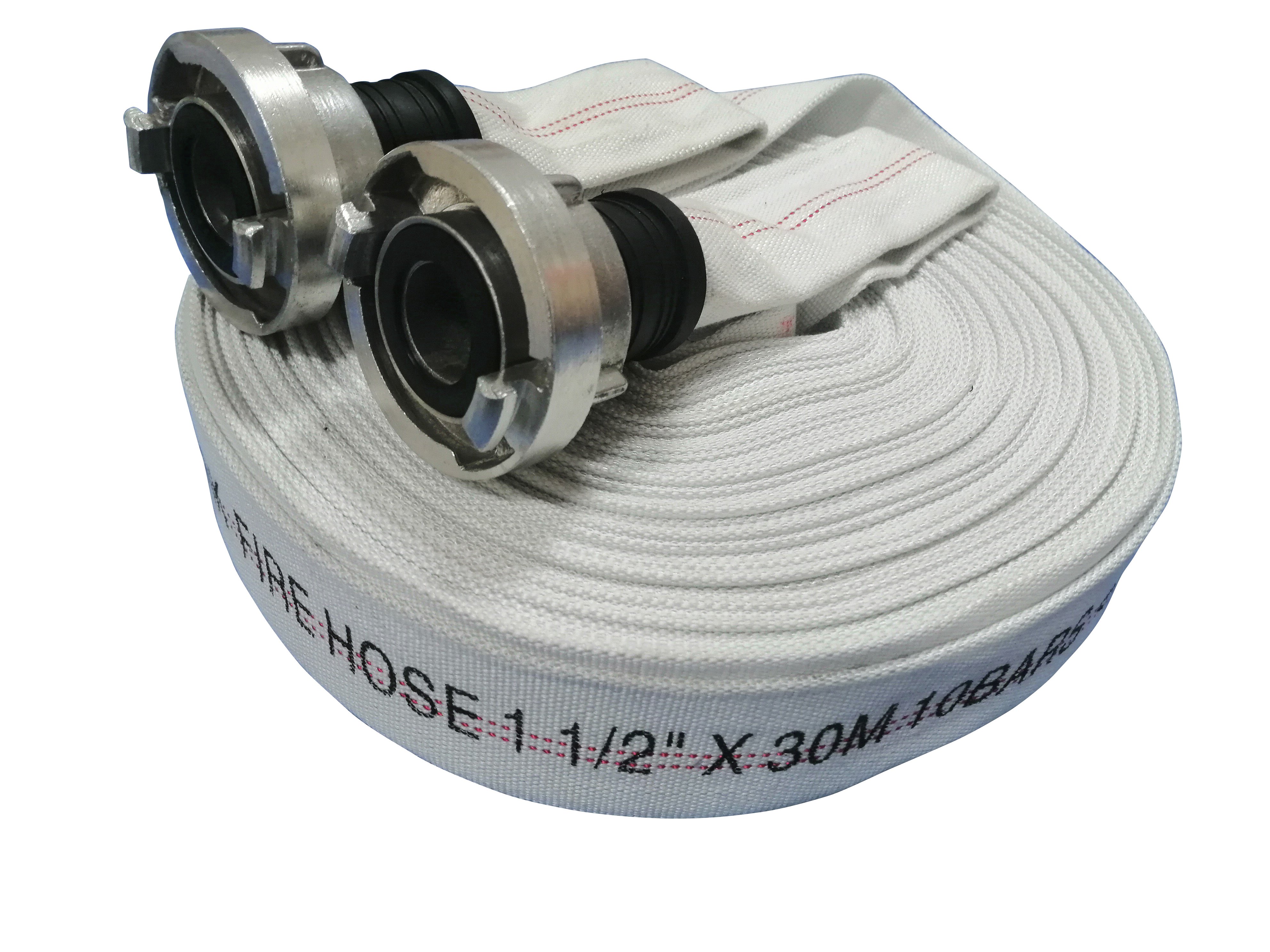
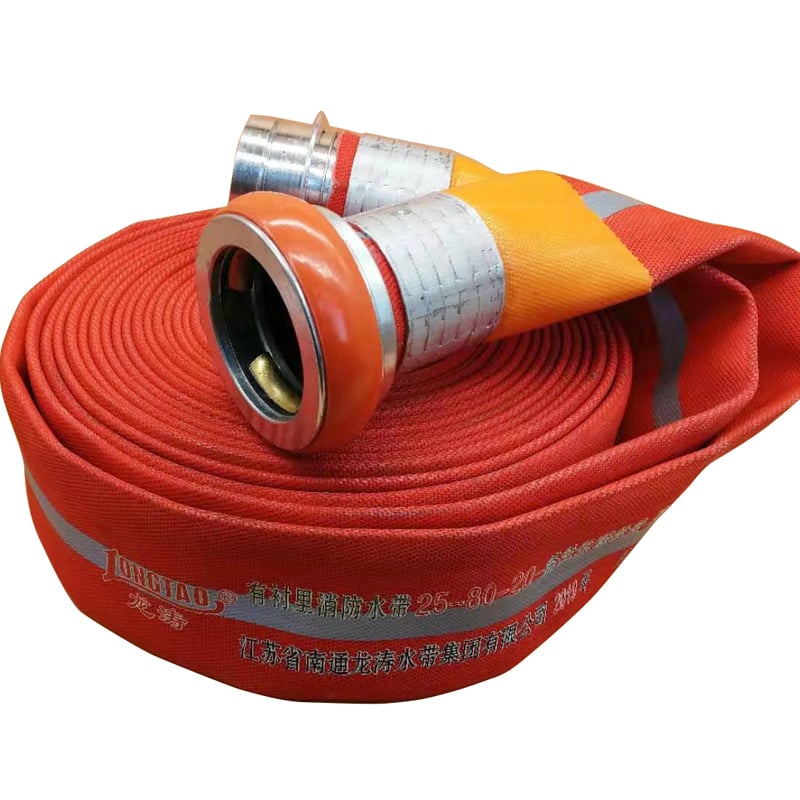
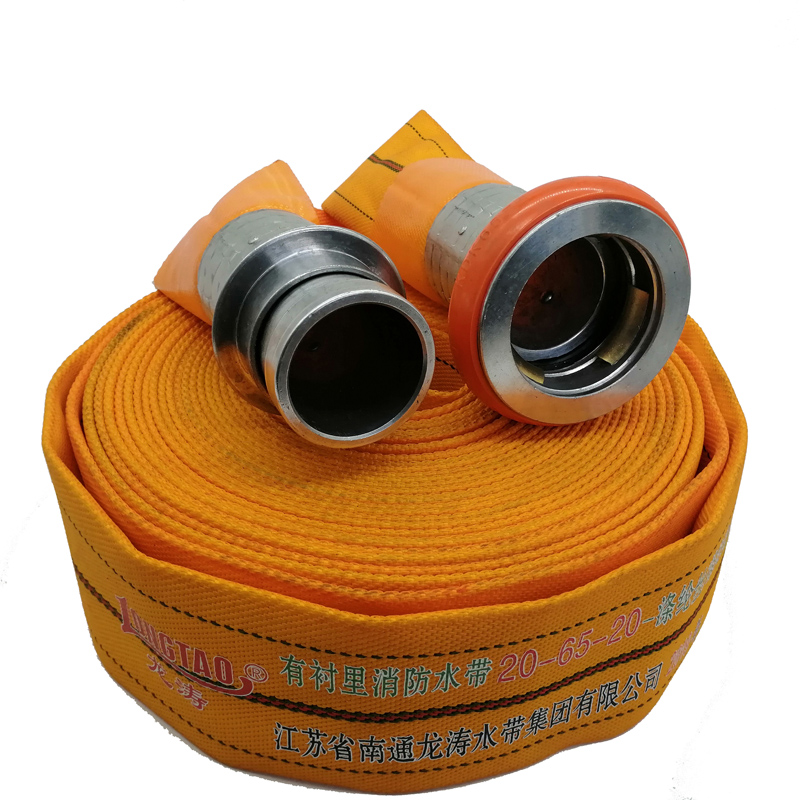
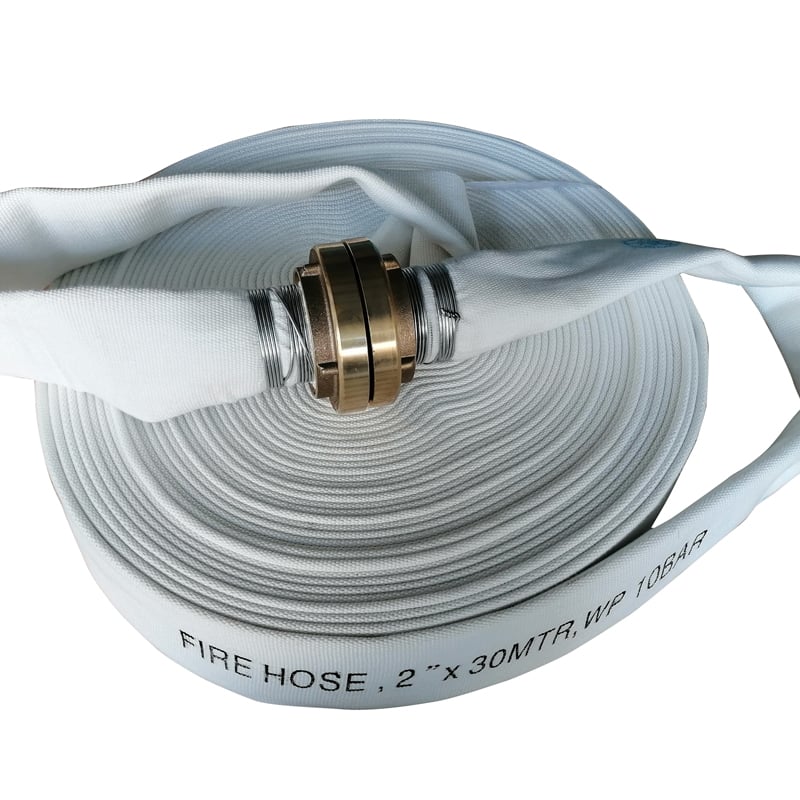
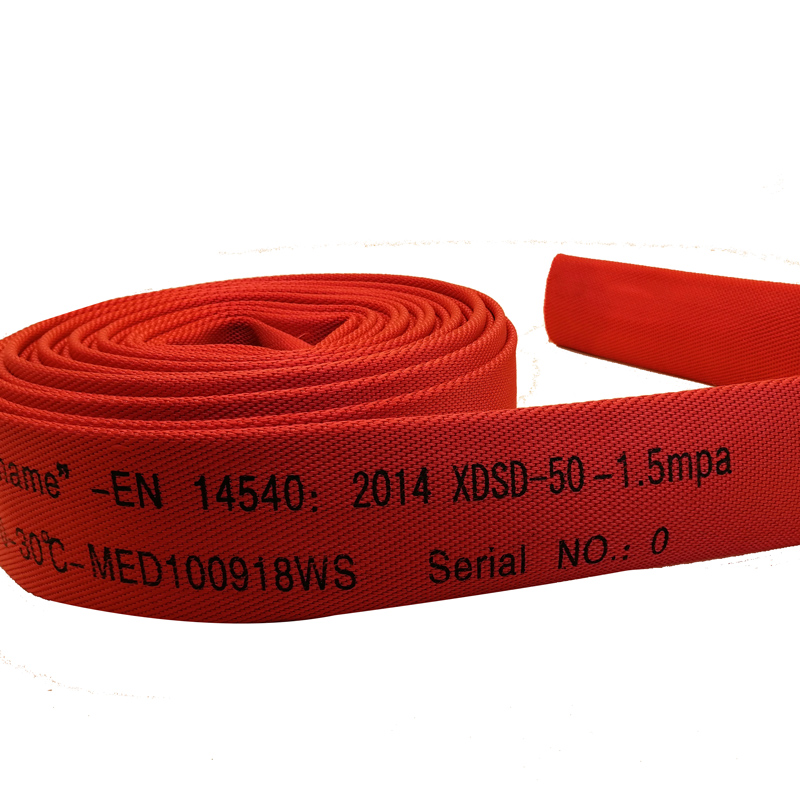
Understanding male and female coupling fire hoses is crucial for ensuring effective firefighting operations and equipment compatibility. These couplings, essential in connecting brass fire hose nozzle to hydrants and nozzles, come with various specifications and materials that affect performance and usability. This article aims to address the main concerns of purchasing managers and engineers, providing insights into selecting the right couplings, purchasing guidelines, common issues, material advantages, and installation considerations.
Selecting the appropriate male and female coupling for fire hoses involves considering several critical factors. First, compatibility with your existing fire hose and equipment is paramount. Couplings must fit securely to prevent leaks and ensure efficient water flow. Look for couplings that meet standardized dimensions, such as those defined by the National Fire Protection Association (NFPA).
Next, consider the material construction of the couplings. Common materials include aluminum, brass, and plastic, each offering specific advantages. For instance, aluminum is lightweight and resistant to corrosion, making it suitable for various environments. Brass, while heavier, provides excellent durability and pressure resistance. Plastic couplings can be beneficial for lower-pressure applications but may not withstand extreme conditions.
Finally, assess the operating conditions, including temperature and pressure ratings. Ensure that the selected coupling can handle the maximum anticipated pressure and temperature without failure. Consulting with manufacturers, like Jiangsu Nantong Longtao Fire-Hose Group Co., Ltd., can provide insights into which couplings align best with your operational needs.
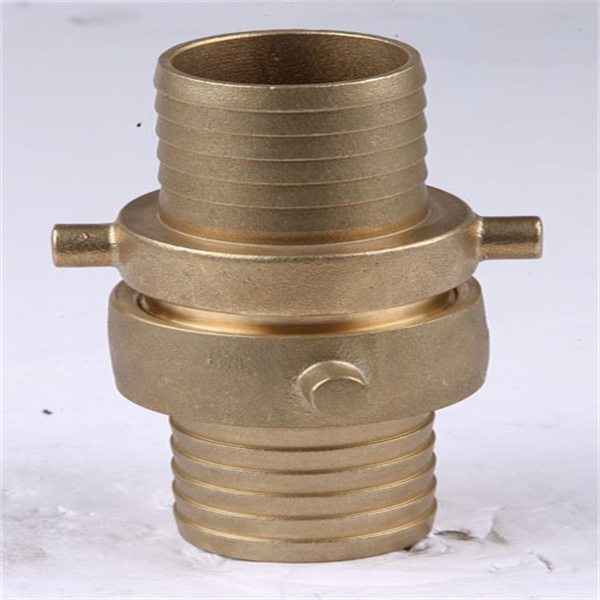
When purchasing male and female coupling fire hoses wholesale, buyers should prepare specific information to streamline the process. Start by determining the required quantity, as many manufacturers have minimum order quantities (MOQ) that can affect pricing. Jiangsu Nantong Longtao Fire-Hose Group Co., Ltd. typically handles bulk orders efficiently, with an annual capacity of up to 10 million fire hose meters.
Next, provide detailed specifications when requesting quotes, including coupling type, size, material, and any customization needs. Customization may involve specific dimensions or finishes tailored to your operational requirements. Always inquire about lead times, as this can vary based on the complexity of your order and the manufacturer's production schedule.
Additionally, consider the packaging options available. Proper packaging is crucial to protect couplings during transit and storage. Discussing these details upfront can prevent misunderstandings and ensure that your order arrives in optimal condition.
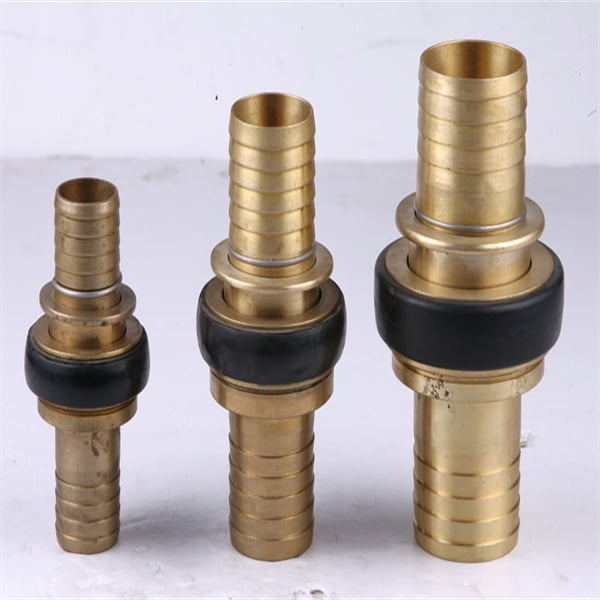
Fire hose couplings can experience several common issues that may hinder their performance. One frequent problem is leakage at the connection points, often caused by improper installation or wear and tear. To mitigate this, ensure that couplings are regularly inspected and maintained. Implementing a routine maintenance schedule can help identify worn gaskets or seals that may require replacement.
Another issue is difficulty in coupling and uncoupling hoses, which can be exacerbated by corrosion or debris buildup. To address this, consider using couplings with a smoother surface finish or those that incorporate anti-corrosive materials. Regular cleaning and lubrication of threads can also facilitate easier operation.
Lastly, incorrect sizing can lead to compatibility issues between coupling for fire hose. Ensure that all equipment follows standardized dimensions and that compatibility is verified before purchase. If in doubt, consult with manufacturers who can provide guidance based on their product offerings.
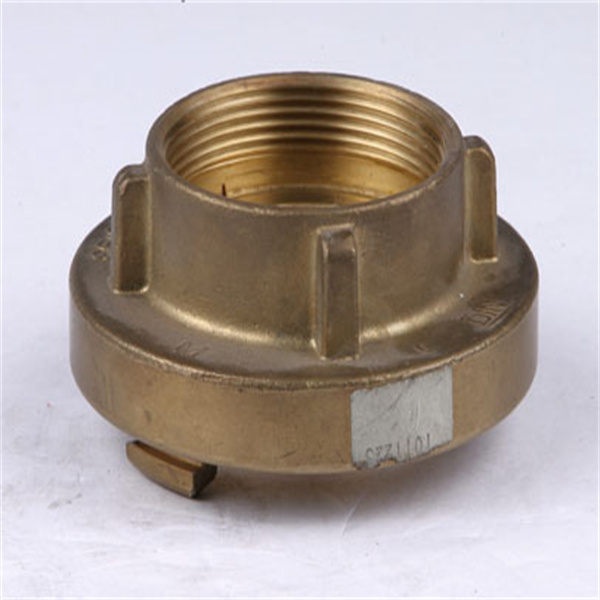
The material of male and female couplings significantly impacts their performance and lifespan. Each material has distinct properties that cater to different firefighting scenarios.
Aluminum: Lightweight and resistant to corrosion, aluminum couplings are ideal for portable firefighting equipment. They can withstand various environmental conditions, making them a popular choice among firefighters.
Brass: Known for its durability, brass is suitable for high-pressure applications and offers excellent resistance to wear. However, its weight may be a consideration for mobile firefighting units.
Plastic: While not as robust as metal options, plastic couplings are advantageous for lower-pressure systems and environments where weight is a concern. They are resistant to corrosion but may not handle extreme temperatures as effectively as metals.
When selecting materials, consider the specific application and environmental conditions the coupling will face. Engaging with experienced manufacturers like Jiangsu Nantong Longtao Fire-Hose Group Co., Ltd. can provide crucial insights into which materials will perform best under your specific operational conditions.
The company places a strong emphasis on quality, which is fundamental to its survival and success. It is dedicated to the manufacturing, production, and research and development of fire-fighting equipment, including custom-made solutions for domestic and foreign professional fire brigades. The company holds multiple patent certificates for its independently developed intellectual property products, showcasing its innovative capabilities and commitment to advancing fire safety technology.
Jiangsu Nantong Longtao Fire-Hose Group Co., Ltd. is officially recognized by the Ministry of Public Security as a designated enterprise for the production of fire hoses, fire hydrants, and fire boxes. This designation underscores the company's compliance with stringent national standards and its commitment to producing high-quality fire safety equipment. Being a government-designated enterprise also reflects the company's reliability and trustworthiness in the industry.
Jiangsu Nantong Longtao Fire-Hose Group Co., Ltd. has successfully exported its high-quality products to numerous countries, including the United States, Germany, Italy, Russia, South Korea, Japan, Vietnam, and the Middle East. The company adheres to a customer-first philosophy, offering high-quality, cost-effective products and services. Its commitment to honest cooperation and mutual benefit ensures long-term partnerships and a win-win situation for both the company and its clients. This global presence and customer-centric approach highlight the company's ability to compete and thrive in the international market.
With an annual production capacity of 10 million meters of fire hose and 7,000 sets of fire hydrant boxes, the company demonstrates its ability to meet large-scale demands efficiently. The product range is extensive, including lined fire hoses (single and double jacket), double-coated fire hoses, fire hose reels, plastic-coated hoses, spray fire hoses, garden hoses, and specialized nozzles and couplings that meet various international standards. This diversity allows the company to cater to a wide array of customer needs across different markets.
Proper installation of male and female fire hose couplings is essential for optimal performance. Begin by ensuring that both the male and female ends are clean and free from debris. Any particles can cause misalignment and lead to leaks.
During installation, align the couplings carefully and twist them together smoothly. Avoid using excessive force, as this can damage threads or create misalignment. When dealing with larger couplings, consider using a wrench, but ensure it's designed for the specific coupling type to prevent damage.
After installation, conduct a pressure test to ensure there are no leaks. This step is critical, especially for new installations or after maintenance. Regular checks and maintenance should be part of your operational protocol. If any issues arise, consult the manufacturer's guidelines for troubleshooting or consider reaching out to experts for assistance.
By focusing on these key areas, you can ensure that your fire hose connector perform reliably in critical firefighting situations, thus enhancing your operational efficiency and safety.

Welcome to Jiangsu Nantong Longtao, we are a leading manufacturer specialize in fire hoses, fire hydrants and fire boxes.
No.888 Renmin South Road, Dayu Town,Rudong County, Nantong City, Jiansu Province
Copyright © EVERBRIGHT FIRE-FIGHTING EQUIPMENT(NANTONG)CO., LTD. All Rights Reserved

 EN
 AR
 FR
 DE
 KO
 CS
 DA
 NL
 FI
 EL
 IT
 JA
 NO
 PL
 PT
 RO
 RU
 ES
 SV
 TL
 IW
 ID
 LV
 LT
 SR
 SK
 SL
 UK
 SQ
 ET
 HU
 TH
 TR
 FA
 AF
 IS
 MK
 KA
 UR
 BN