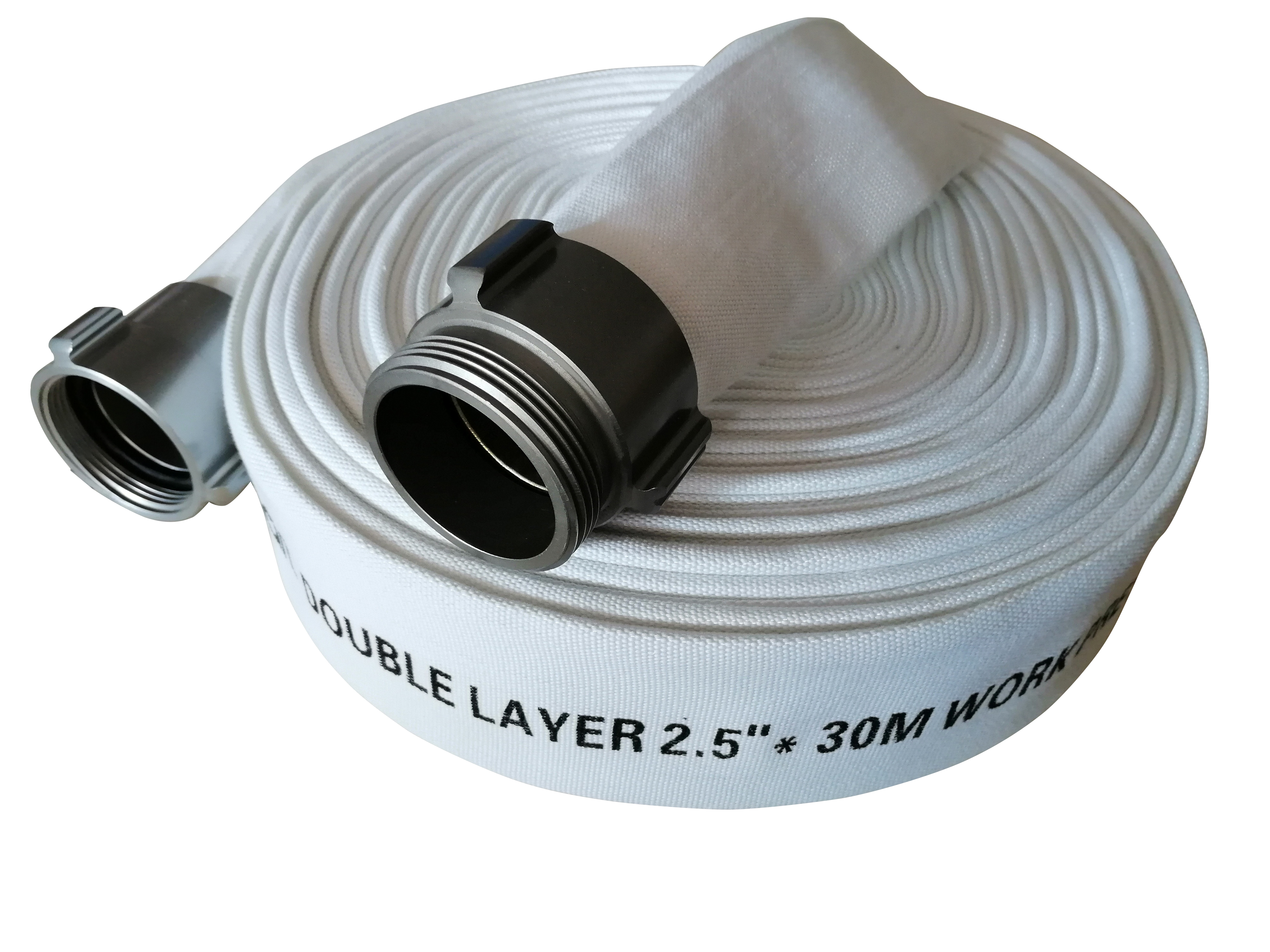
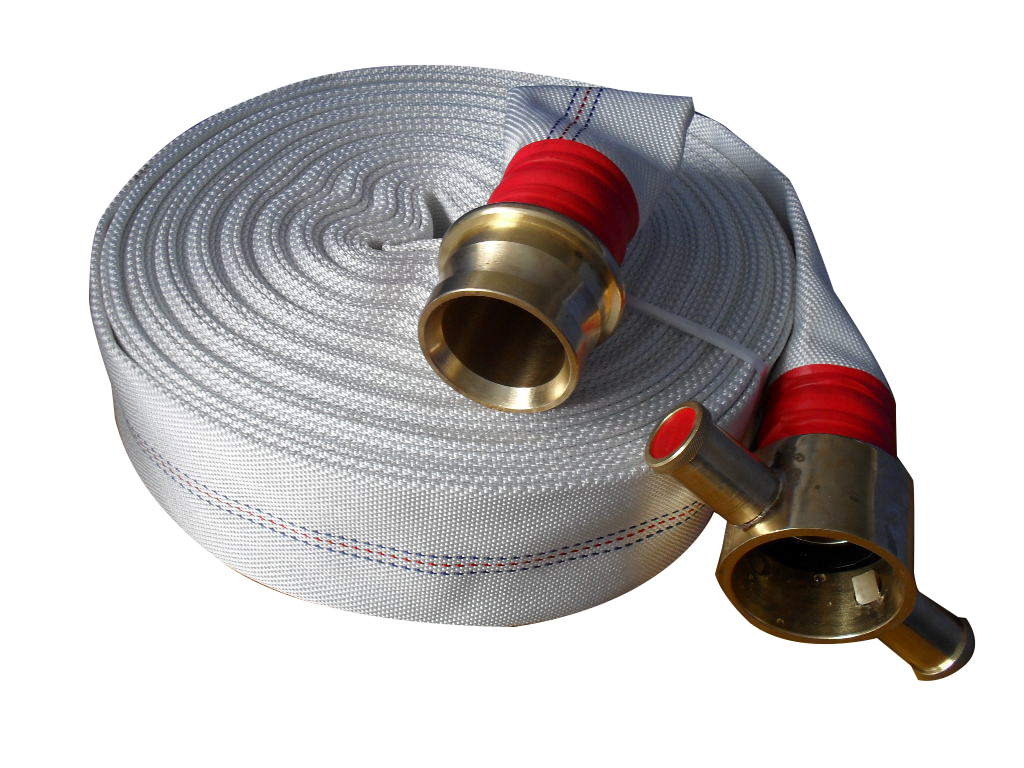
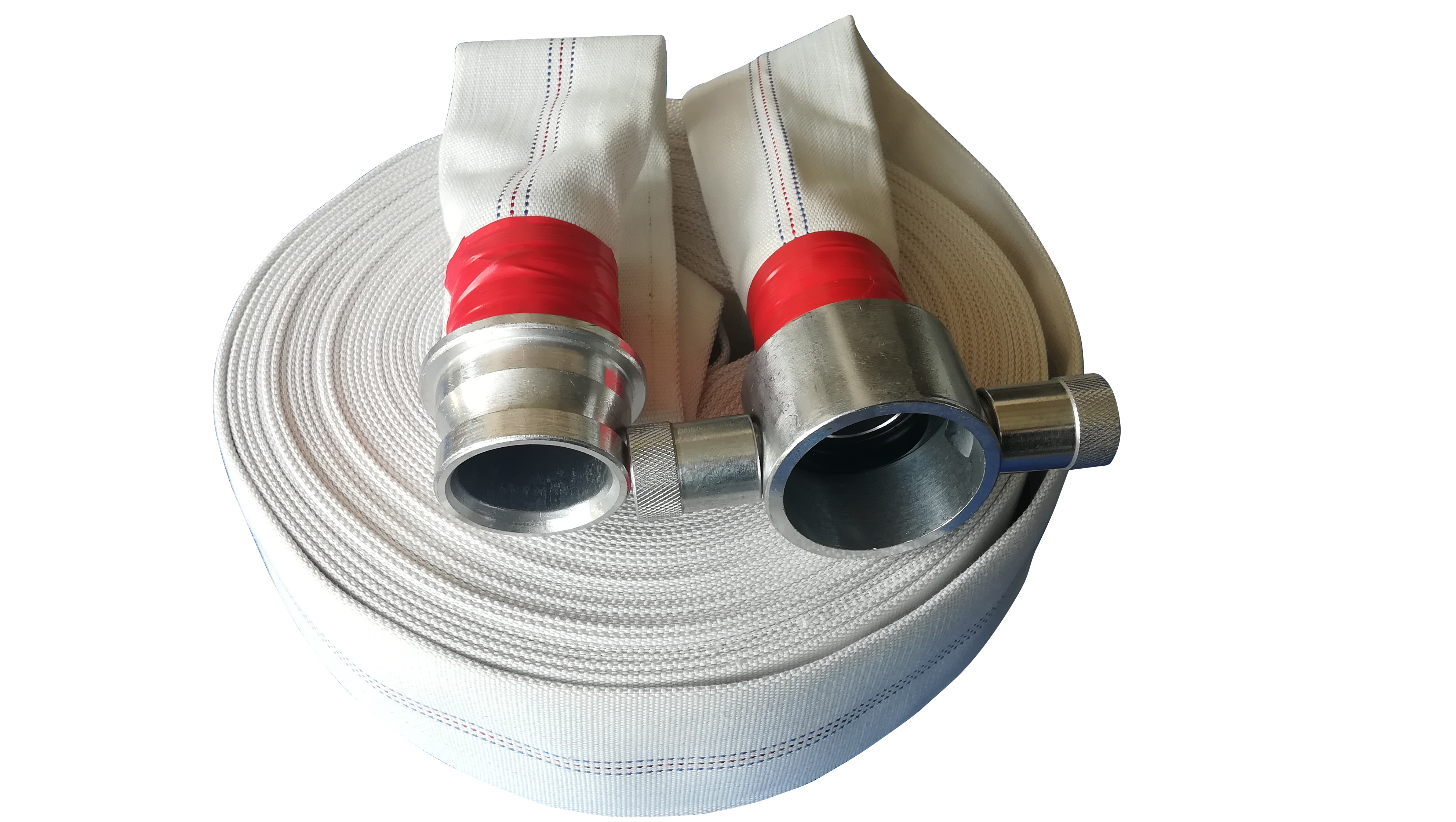
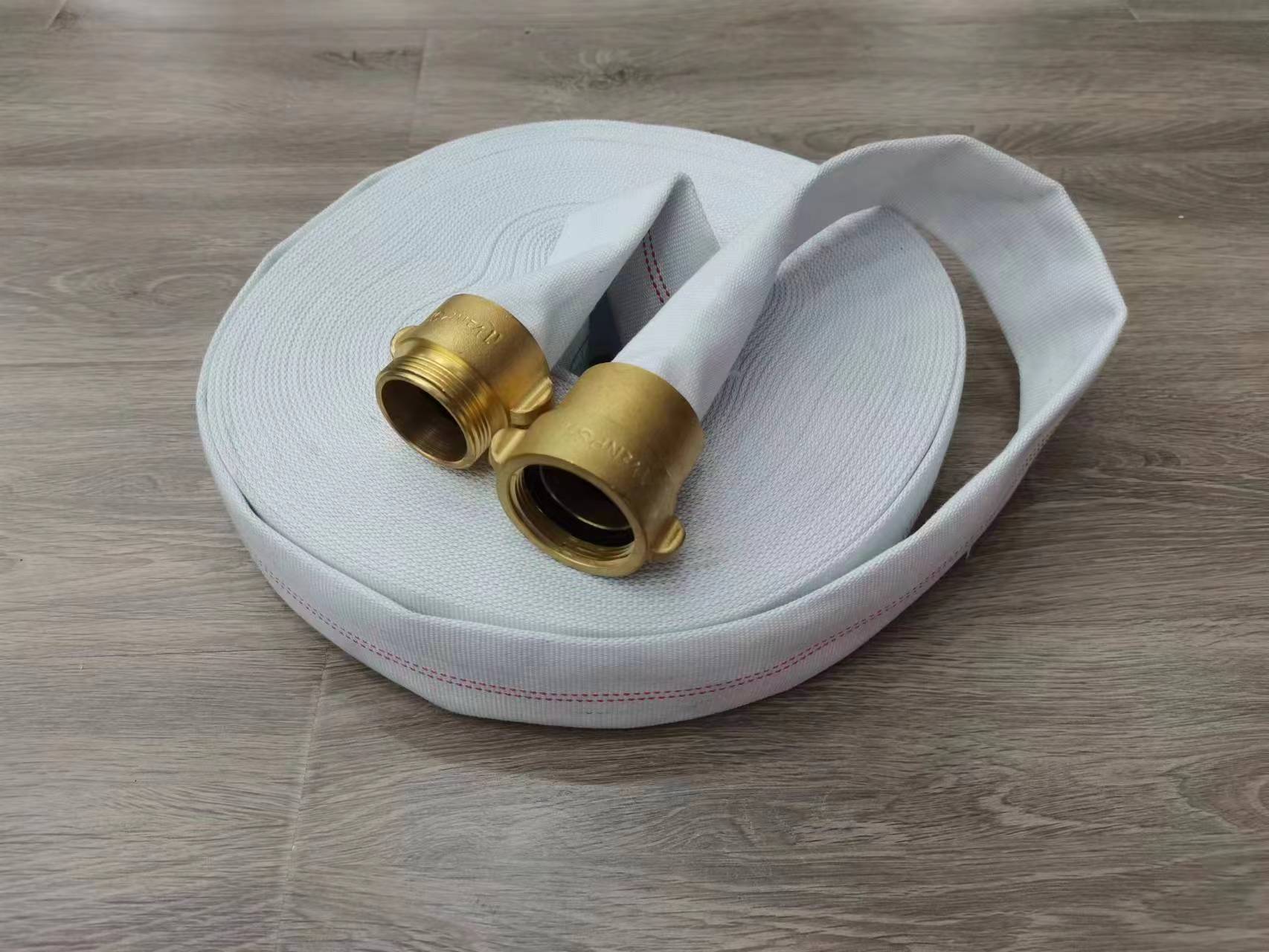
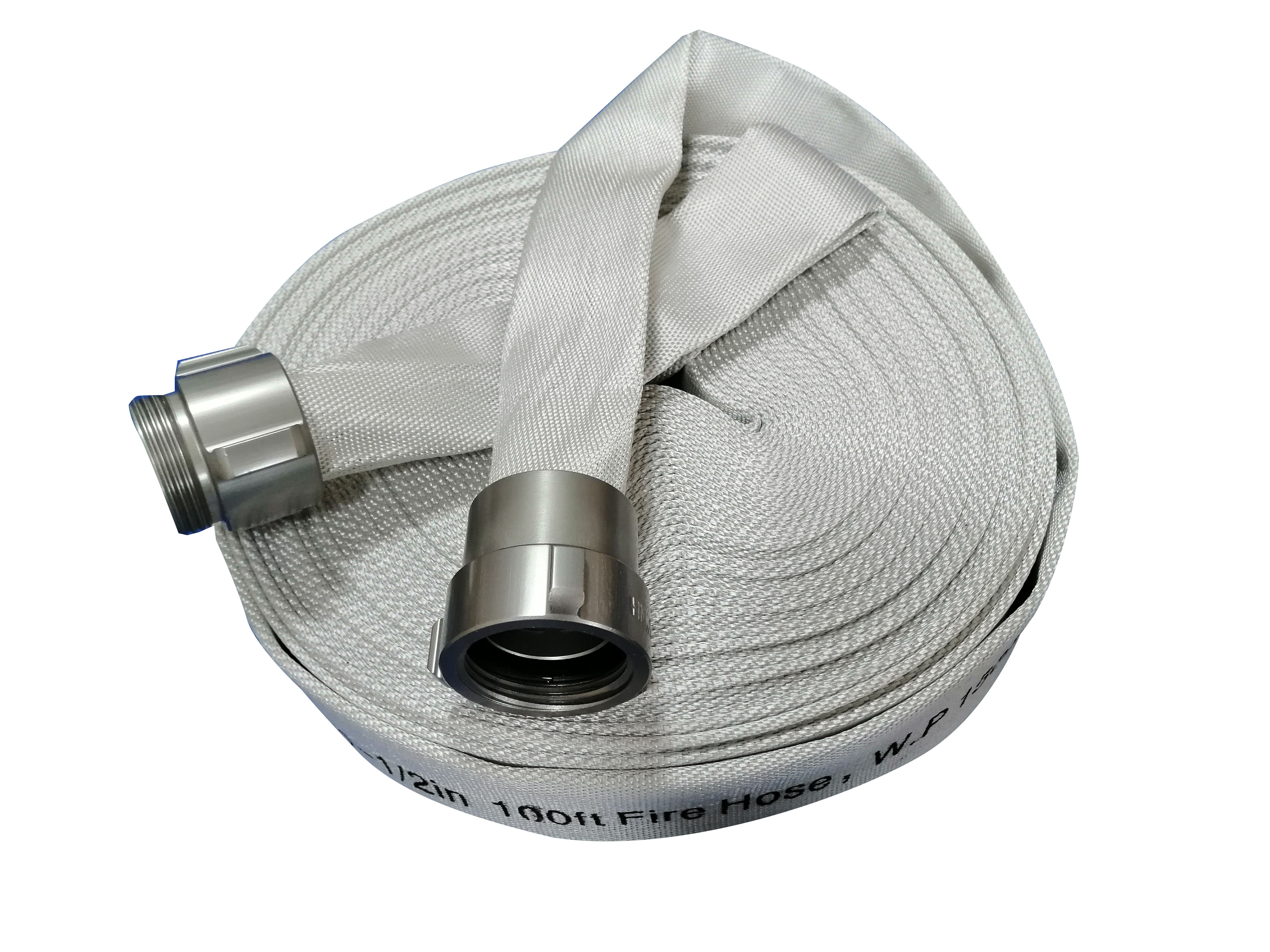
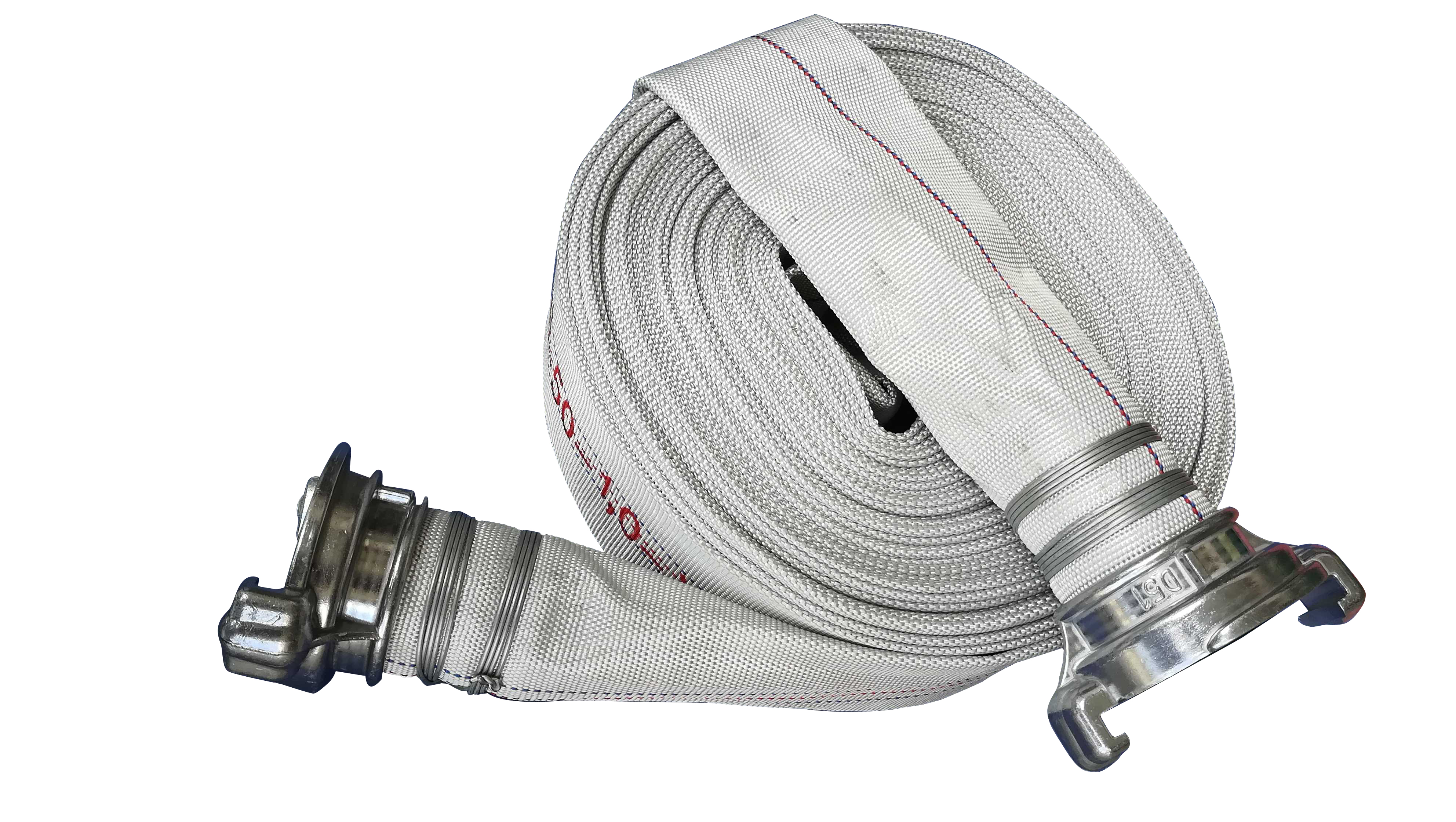
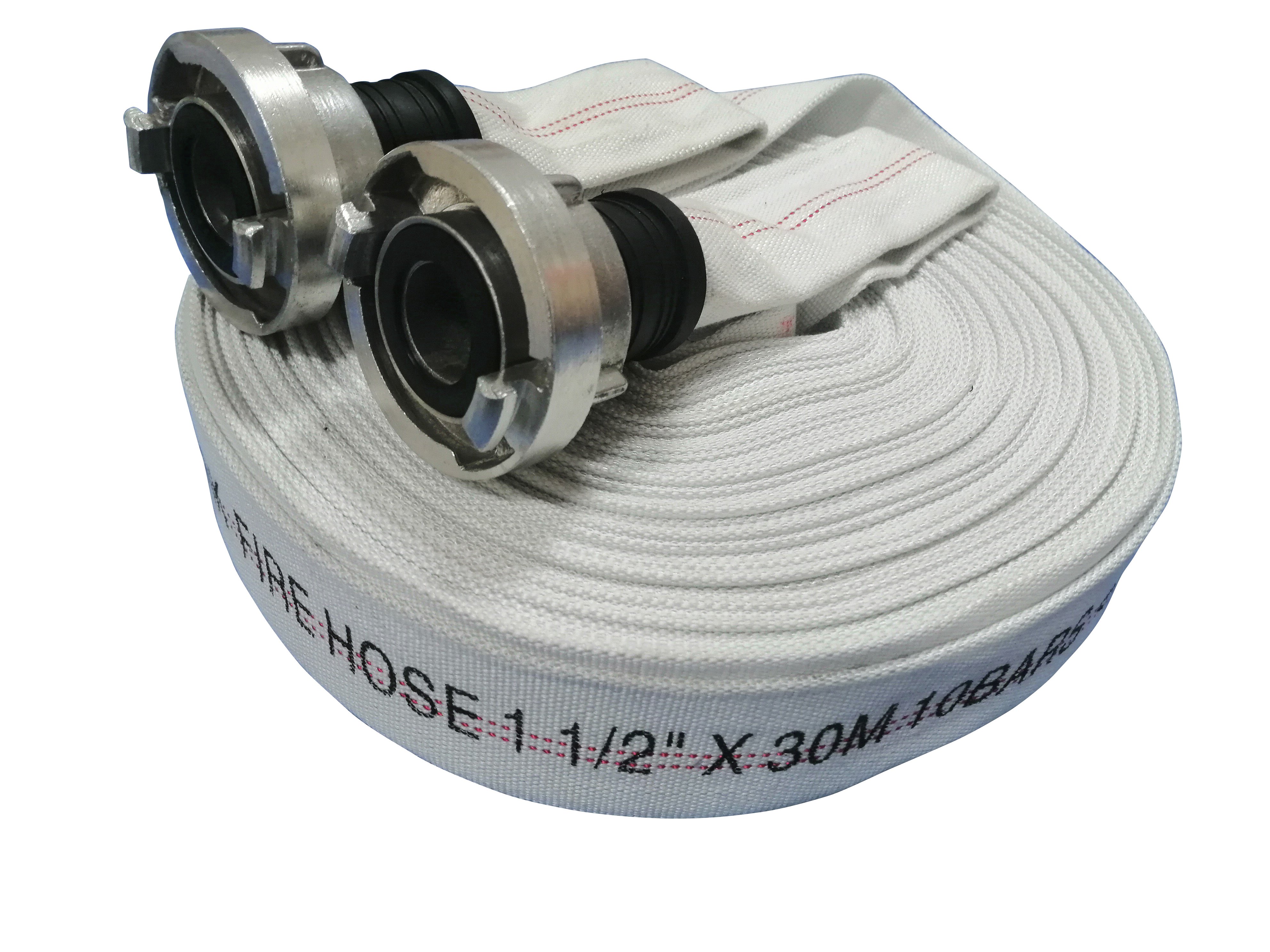
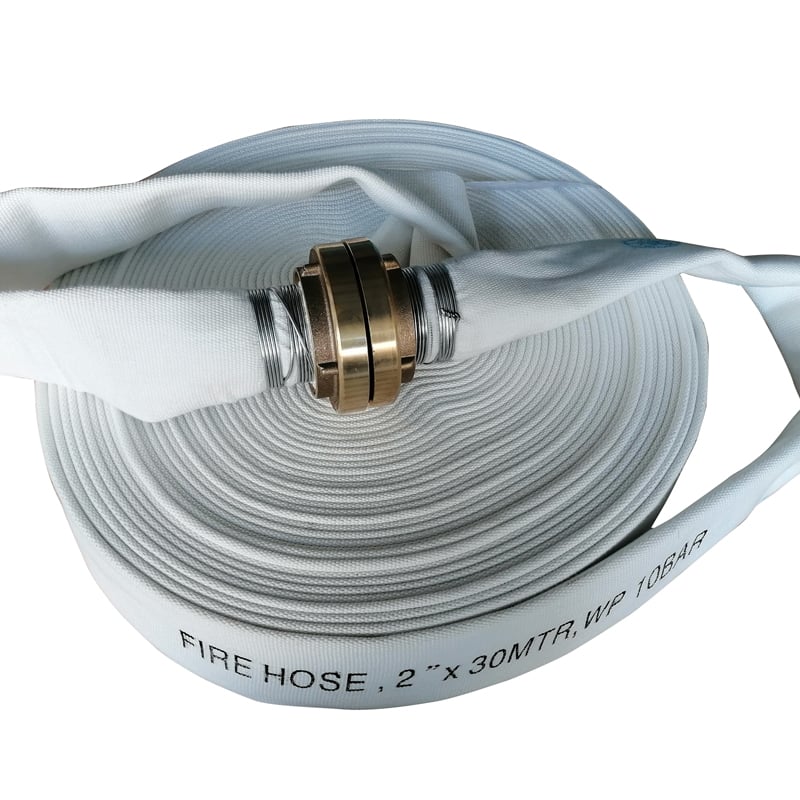
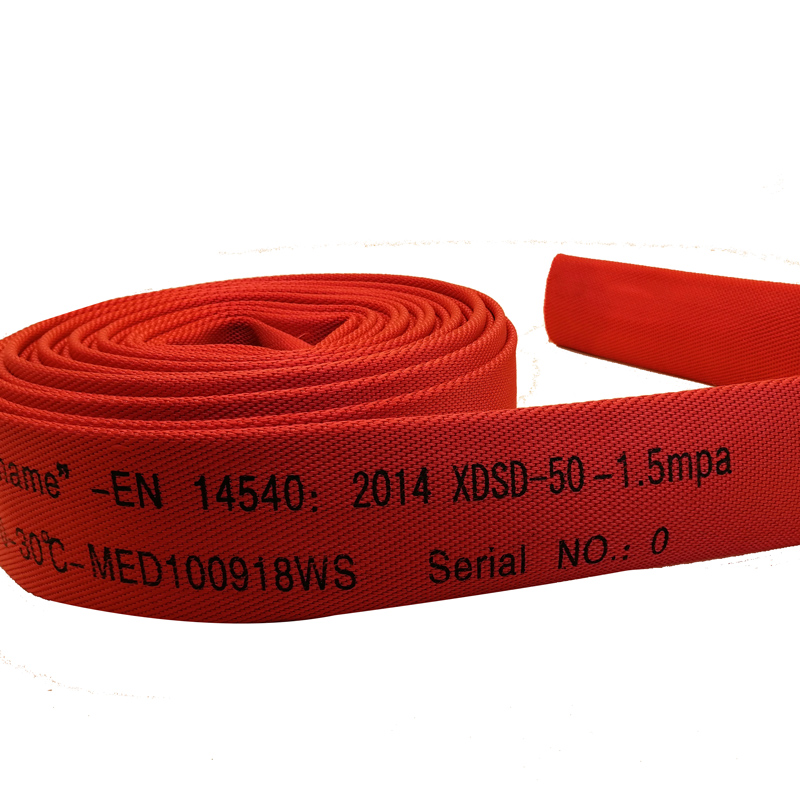
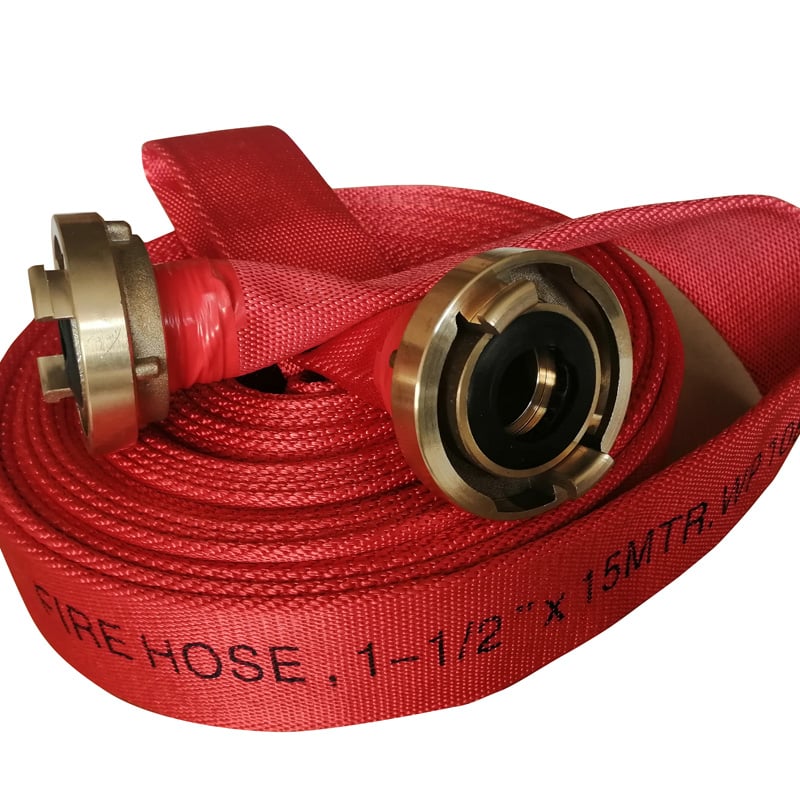
Hydrant hose cabinets are essential components in fire safety systems, designed to store fire hoses securely while ensuring quick access during emergencies. As a purchasing manager or engineer, understanding the specifications, materials, and common issues associated with hydrant hose cabinets is vital for making informed decisions. This article will guide you through sourcing reliable products, addressing common problems, evaluating costs, and comparing material options to help you procure the right fire hose cabinets for your needs.
When sourcing hydrant hose cabinets for bulk orders, it is essential to select a reputable manufacturer with a proven track record in the fire safety industry. Companies like Jiangsu Nantong Longtao Fire-Hose Group Co., Ltd., known for their extensive experience and capacity to produce up to 7,000 hydrant boxes annually, are a reliable choice. Look for manufacturers that offer customization options, ensuring the cabinets meet specific requirements for size, material, and design.
Additionally, consider suppliers that export to established markets like the US and Germany, as this often indicates adherence to international quality standards. Request product samples to evaluate the build quality and compatibility with your existing fire safety infrastructure. Engaging with manufacturers that have independent IP patents can also provide assurance of product uniqueness and innovation.
When ordering hydrant hose cabinets, follow these steps to ensure a smooth procurement process:
Define Specifications: Identify your specific needs, including cabinet size, hose length, and mounting requirements. Consider the environment where the cabinet will be installed, as this may influence material selection.
Request Quotations: Contact several manufacturers with your specifications. Provide details such as the quantity required, desired materials, and any customization needed. This will help you compare pricing accurately.
Evaluate Samples: Before finalizing your order, request samples to assess quality, durability, and fit. Testing samples under actual operating conditions can help verify their suitability.
Confirm Certifications: Ensure the cabinets meet relevant safety and quality certifications. This can include ISO certifications or compliance with local fire safety regulations.
Review Terms: Check the terms of delivery, including lead times, shipping costs, and payment terms. Understanding these factors will help you avoid unexpected delays or expenses.
Place Order: Once satisfied with samples and terms, place your bulk order. Ensure that you maintain clear communication with the manufacturer throughout the process to address any questions or concerns.
Hydrant hose cabinets can encounter several common issues that may affect their performance and longevity. Below are some typical problems and their solutions:
Corrosion: Cabinets made from inferior materials may corrode over time, especially in humid or coastal environments. To mitigate this, select cabinets constructed from high-quality stainless steel or powder-coated materials that resist rust.
Poor Accessibility: Cabinets that are not designed for easy access can delay response times during emergencies. Ensure that the fire hose cabinet standard design allows for quick opening and retrieval of hoses, and consider features like clear labeling and ergonomic handles.
Size Mismatches: It's crucial that the cabinet dimensions match the hoses intended for storage. Before finalizing your order, confirm the dimensions and compatibility with your existing hoses to avoid installation issues.
Inadequate Ventilation: Lack of ventilation can lead to moisture buildup, potentially damaging the hoses stored inside. Choose cabinets with ventilation holes or designs that allow for air circulation.
Locking Mechanisms Malfunction: A malfunctioning lock can compromise safety and accessibility. Regularly inspect and maintain locking mechanisms to ensure they function properly.
When evaluating the costs of hydrant hose cabinets, consider the following factors that can influence pricing:
Material Type: The choice of material significantly affects cost. Options like stainless steel, mild steel, or fiberglass come with different price points. Stainless steel is generally more expensive but offers superior durability and corrosion resistance.
Customization Needs: Custom features, such as color, size, or specialized locking mechanisms, may increase the overall cost. Clearly outline your requirements when requesting quotes to receive accurate pricing.
Order Volume: Bulk purchases often come with discounts. Determine your needs and negotiate prices based on larger order quantities to achieve cost savings.
Shipping and Handling: Factor in shipping costs, especially if ordering from international suppliers. Shipping fees can vary significantly based on distance and shipping method.
Quality Assurance: Investing in cabinets that comply with higher quality standards may result in higher upfront costs but can lead to long-term savings through reduced maintenance and replacement needs.
Jiangsu Nantong Longtao Fire-Hose Group Co., Ltd. is officially recognized by the Ministry of Public Security as a designated enterprise for the production of fire hoses, fire hydrants, and fire boxes. This designation underscores the company's compliance with stringent national standards and its commitment to producing high-quality fire safety equipment. Being a government-designated enterprise also reflects the company's reliability and trustworthiness in the industry.
Jiangsu Nantong Longtao Fire-Hose Group Co., Ltd. has successfully exported its high-quality products to numerous countries, including the United States, Germany, Italy, Russia, South Korea, Japan, Vietnam, and the Middle East. The company adheres to a customer-first philosophy, offering high-quality, cost-effective products and services. Its commitment to honest cooperation and mutual benefit ensures long-term partnerships and a win-win situation for both the company and its clients. This global presence and customer-centric approach highlight the company's ability to compete and thrive in the international market.
With an annual production capacity of 10 million meters of fire hose and 7,000 sets of fire hydrant boxes, the company demonstrates its ability to meet large-scale demands efficiently. The product range is extensive, including lined fire hoses (single and double jacket), double-coated fire hoses, fire hose reels, plastic-coated hoses, spray fire hoses, garden hoses, and specialized nozzles and couplings that meet various international standards. This diversity allows the company to cater to a wide array of customer needs across different markets.
The company places a strong emphasis on quality, which is fundamental to its survival and success. It is dedicated to the manufacturing, production, and research and development of fire-fighting equipment, including custom-made solutions for domestic and foreign professional fire brigades. The company holds multiple patent certificates for its independently developed intellectual property products, showcasing its innovative capabilities and commitment to advancing fire safety technology.
Selecting the appropriate material for hydrant hose cabinets is critical for performance and longevity. Here’s a comparison of common materials used in their construction:
Stainless Steel:
Benefits: Highly resistant to corrosion, durable, and easy to clean. Ideal for outdoor or humid environments.
Considerations: Higher initial cost compared to other materials.
Mild Steel:
Benefits: Cost-effective and readily available. Suitable for indoor applications where exposure to moisture is minimal.
Considerations: Prone to rust if not properly treated or coated.
Fiberglass:
Benefits: Lightweight, corrosion-resistant, and versatile in design. Suitable for areas with stringent weight restrictions.
Considerations: May not be as durable as metal options under high-impact conditions.
Aluminum:
Benefits: Lightweight and resistant to rust. Offers a good balance between durability and weight.
Considerations: Can be less robust than stainless steel, making it less suitable for high-traffic areas.
When selecting a material, consider the cabinet's intended location, environmental conditions, and required durability to ensure optimal performance and longevity.
By understanding these factors and following the outlined guidelines, B2B buyers can make informed decisions when procuring fire hydrant hose cabinets, ensuring they meet operational needs and maintain safety standards.

Welcome to Jiangsu Nantong Longtao, we are a leading manufacturer specialize in fire hoses, fire hydrants and fire boxes.
No.888 Renmin South Road, Dayu Town,Rudong County, Nantong City, Jiansu Province
Copyright © EVERBRIGHT FIRE-FIGHTING EQUIPMENT(NANTONG)CO., LTD. All Rights Reserved
 EN
 AR
 FR
 DE
 KO
 CS
 DA
 NL
 FI
 EL
 IT
 JA
 NO
 PL
 PT
 RO
 RU
 ES
 SV
 TL
 IW
 ID
 LV
 LT
 SR
 SK
 SL
 UK
 SQ
 ET
 HU
 TH
 TR
 FA
 AF
 IS
 MK
 KA
 UR
 BN