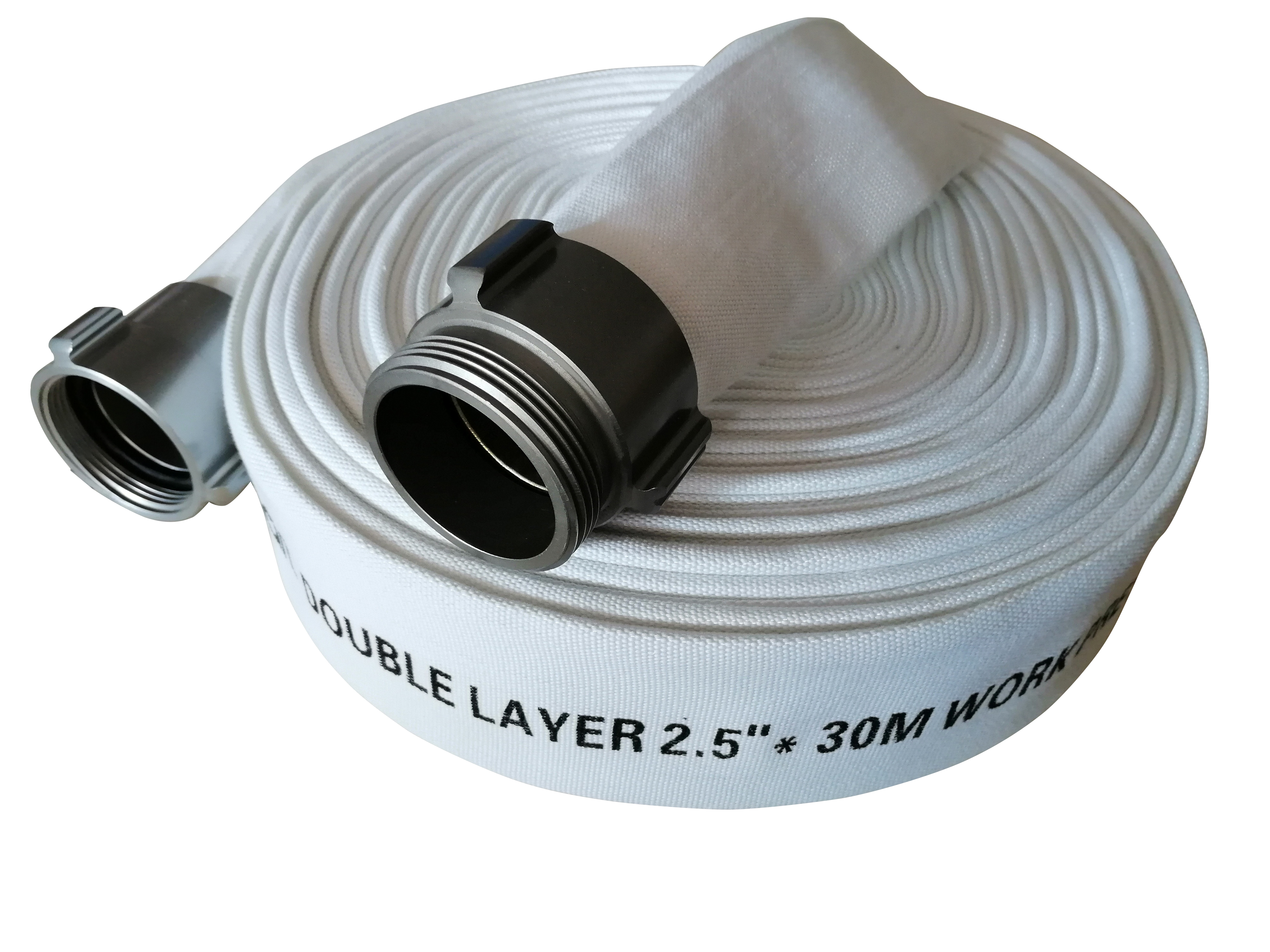
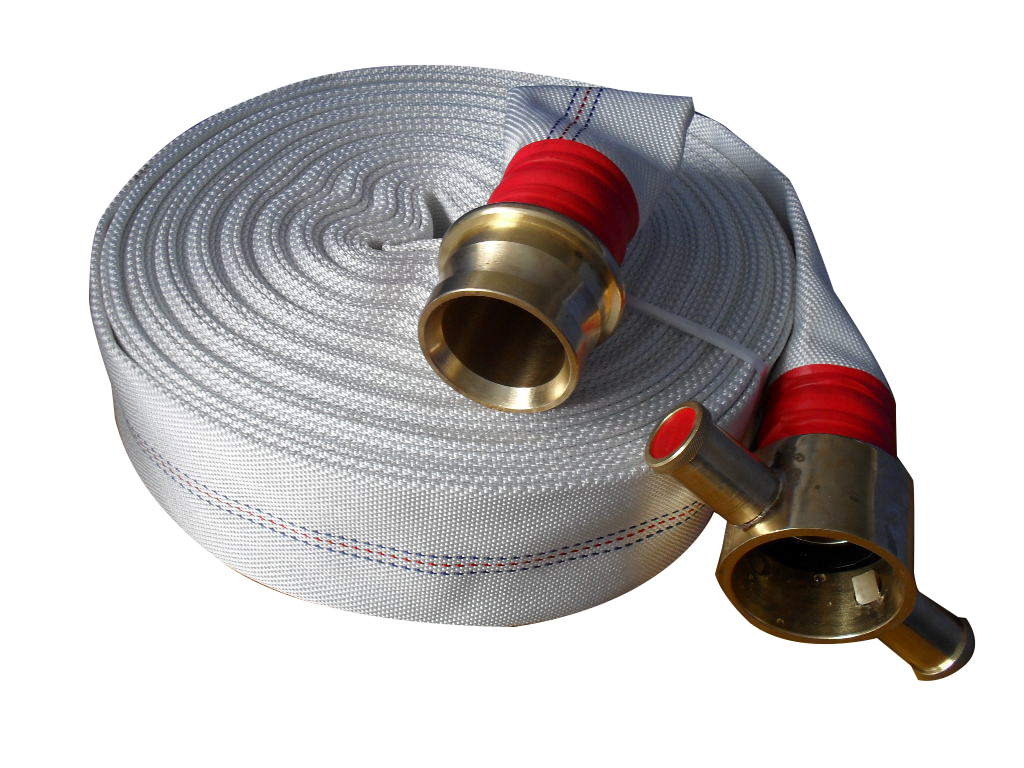
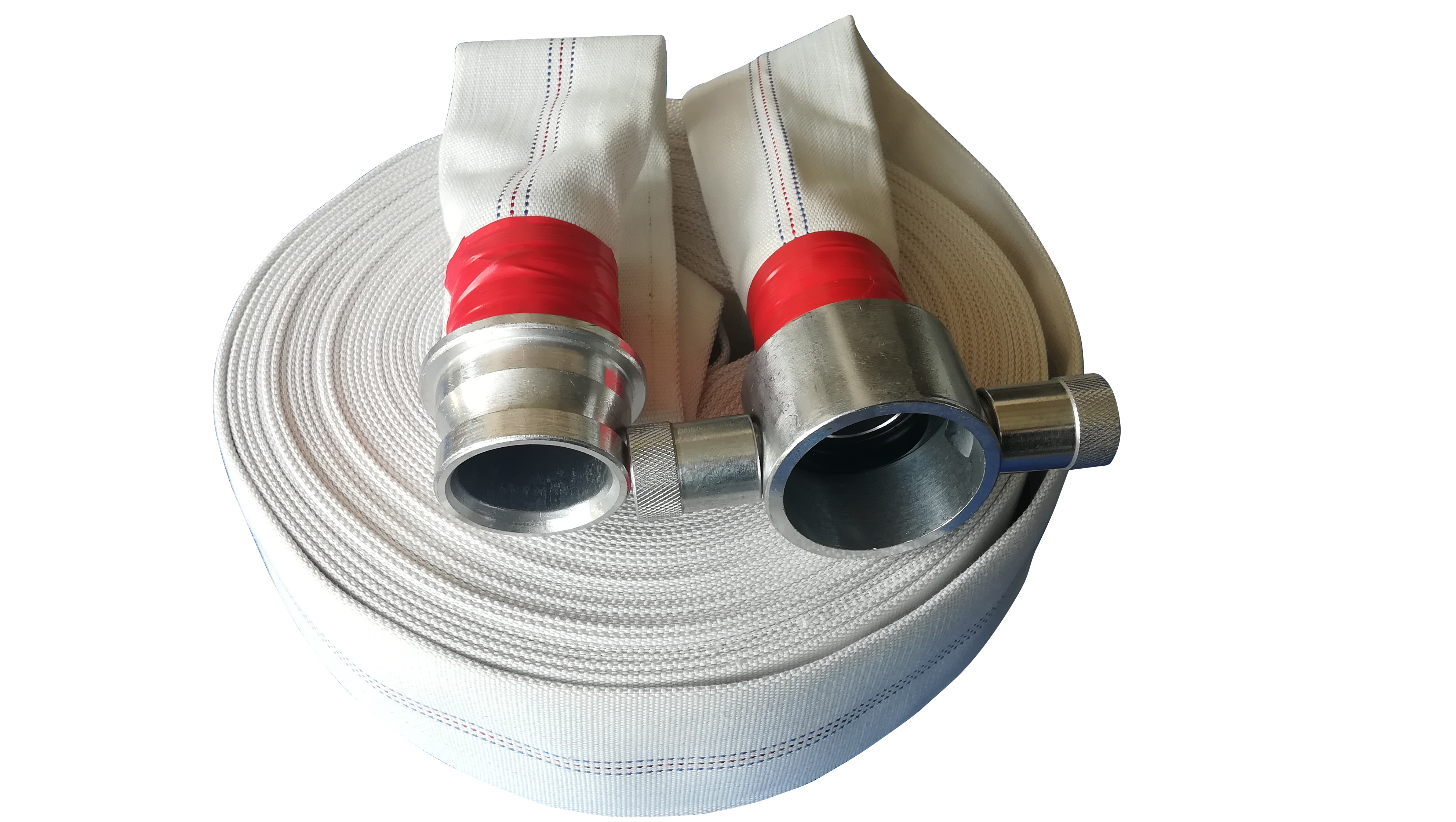
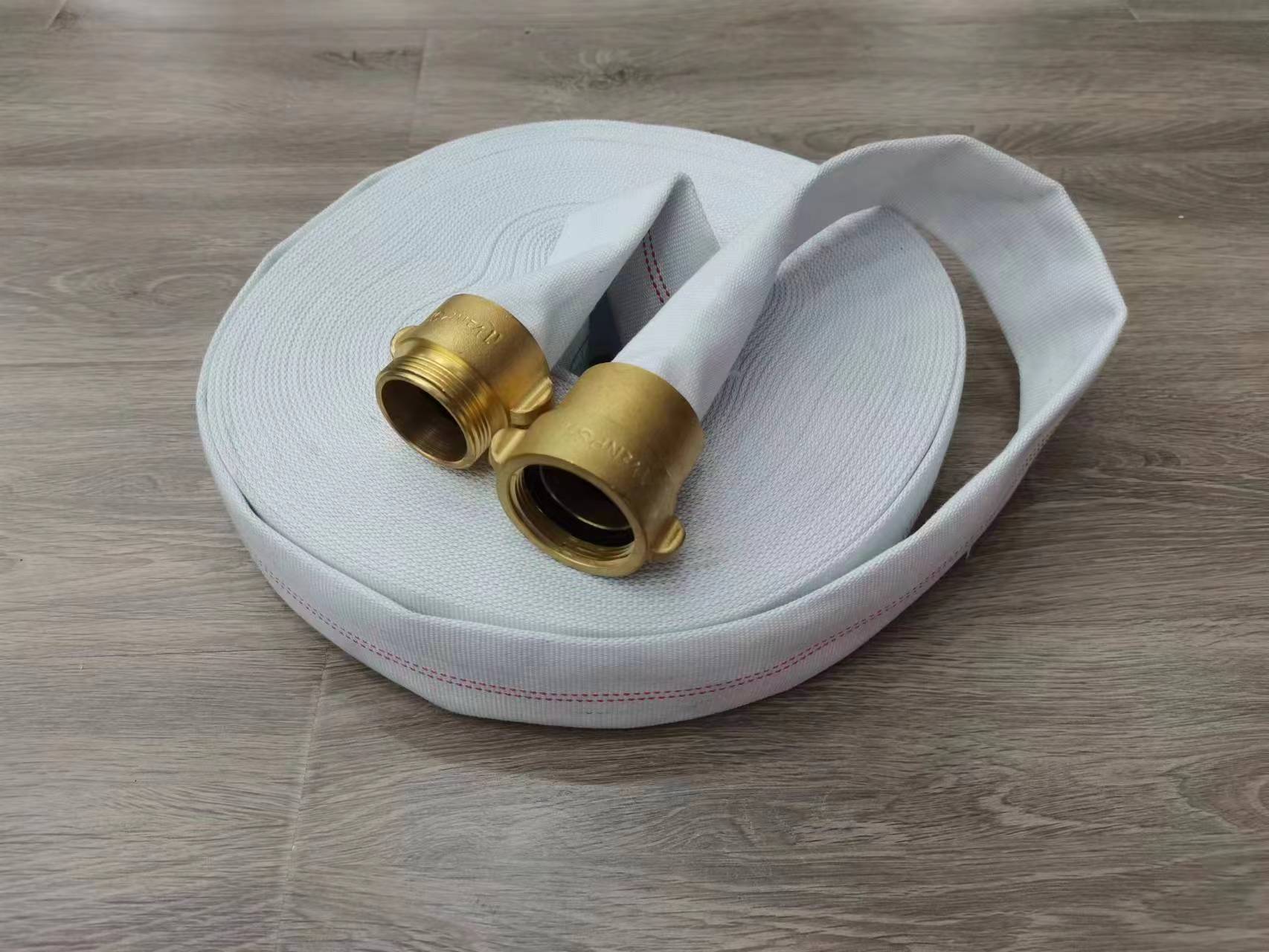
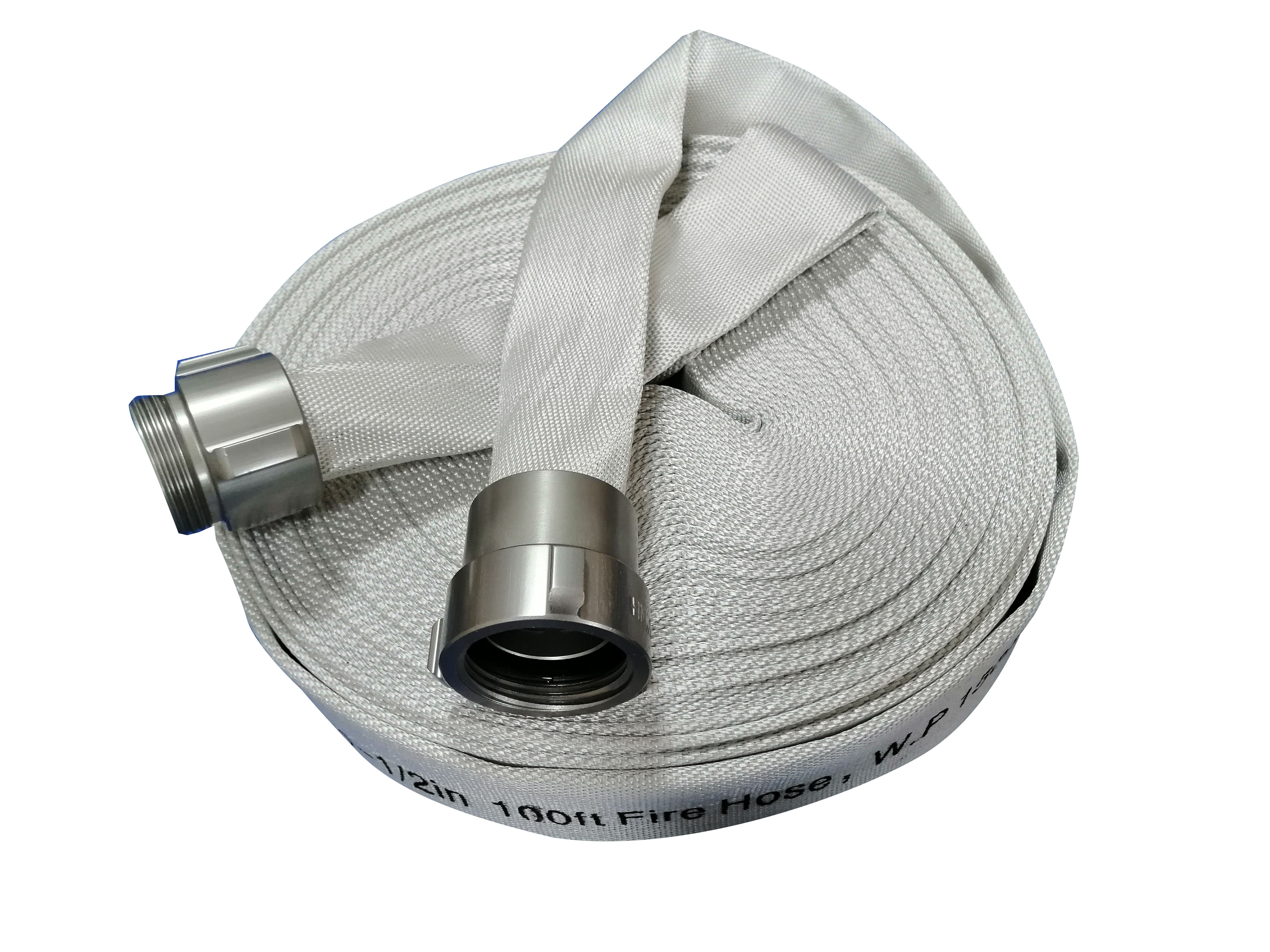
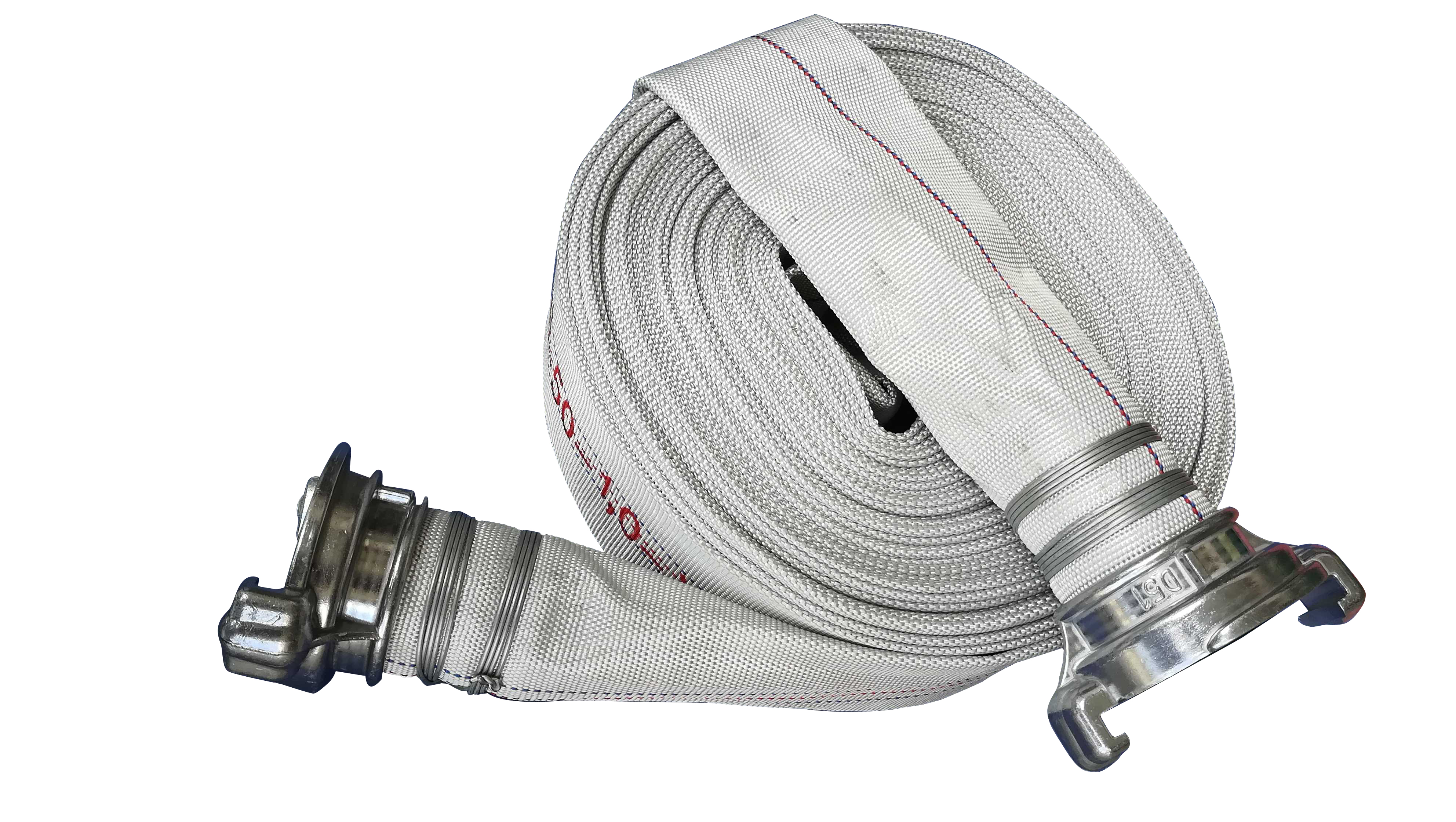
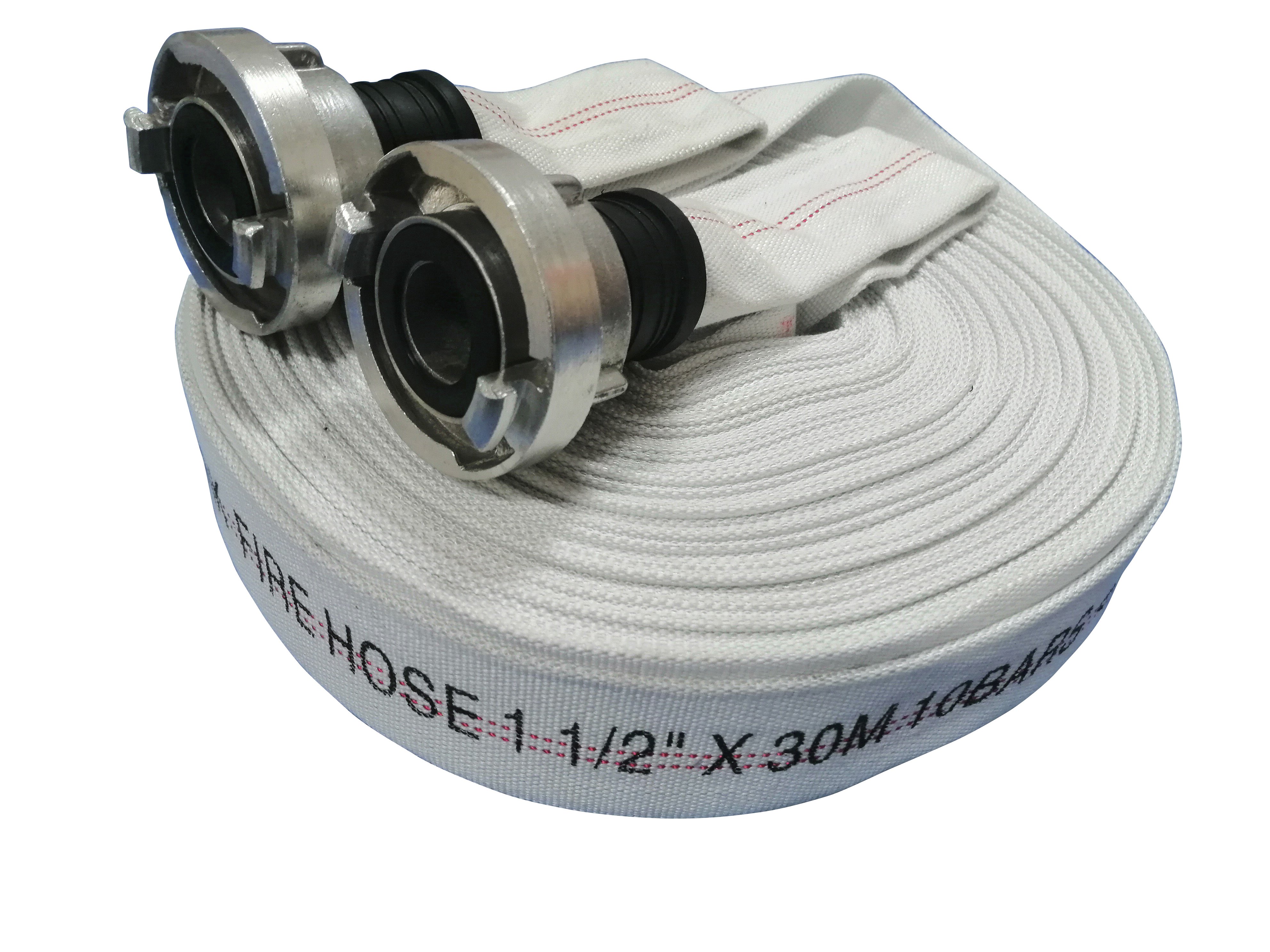
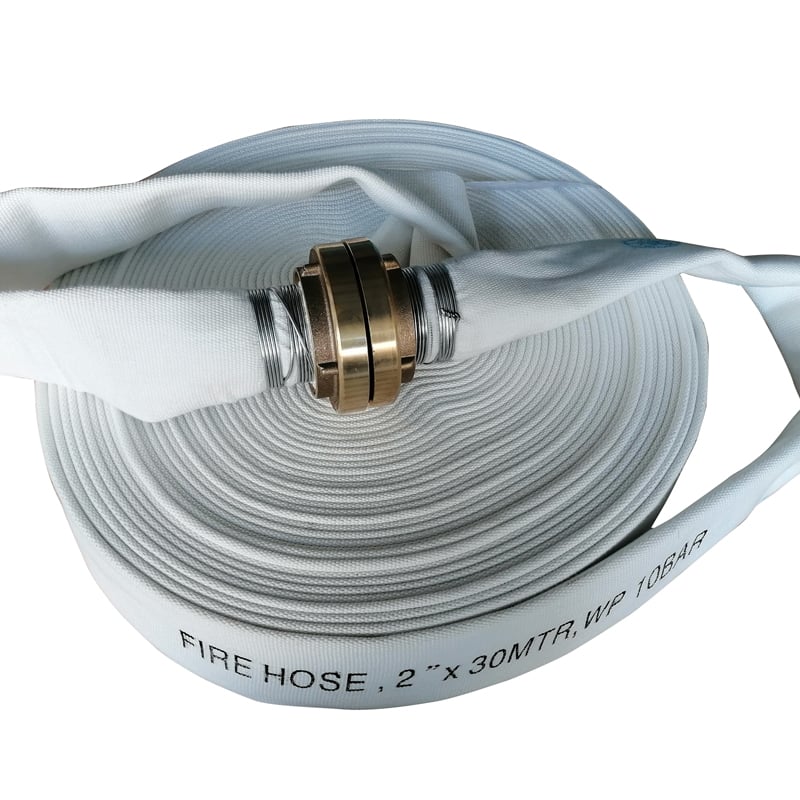
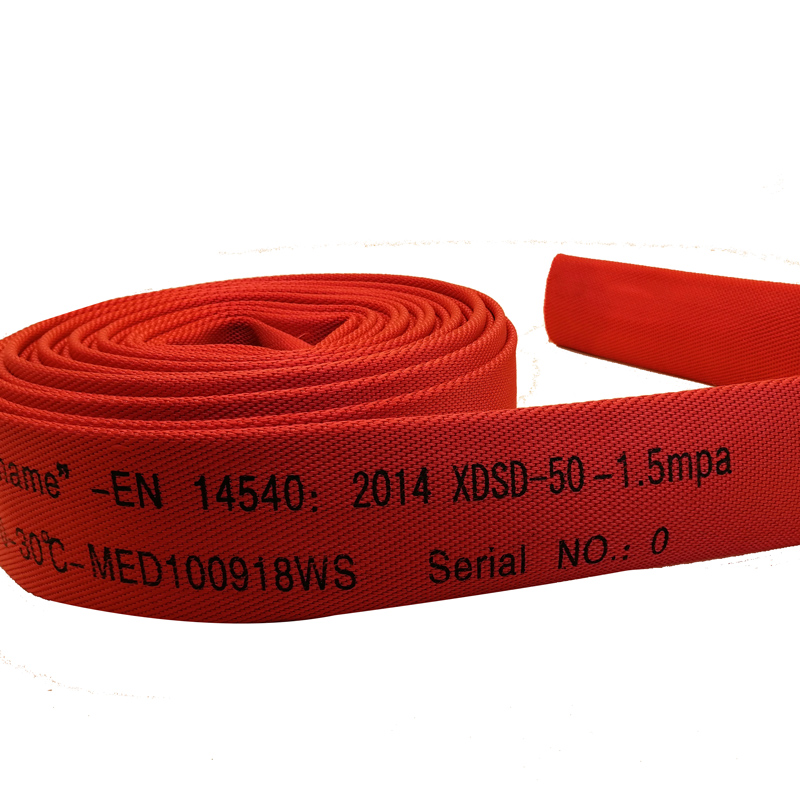
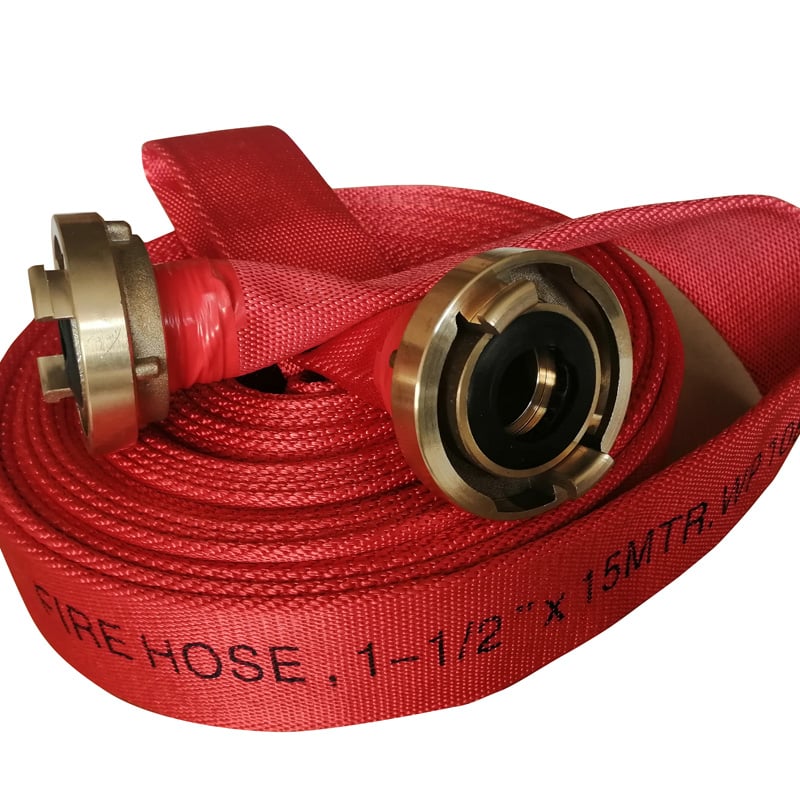
Fire trucks are critical components of emergency response, equipped with specialized hose systems to deliver water effectively during firefighting operations. Understanding the intricacies of fire truck hose components is crucial for purchasing managers, engineers, and other stakeholders involved in procurement. This article will guide you through evaluating the quality of hose fire truck components, common challenges during installation, material considerations, and cost factors. By providing detailed insights, we aim to enhance your purchasing decisions and ensure you select the best equipment for your needs.
When selecting hose fire truck components, quality assessment should focus on several critical factors: material durability, pressure ratings, and manufacturing standards:
Material Durability: The fire hose should be constructed from high-quality materials that can withstand extreme conditions. For instance, double-coated hoses made from synthetic materials offer excellent resistance to abrasion, heat, and chemicals, ensuring longevity and reliability in harsh firefighting environments
Pressure Ratings: It is essential to verify the pressure ratings of the hoses, as they determine the operational capacity under stress. Components should meet or exceed the required pressure standards for firefighting applications, often specified in psi (pounds per square inch). This ensures that the hoses can deliver sufficient water flow without risk of bursting
Manufacturing Standards: Look for components that comply with national or international standards, such as those set by the National Fire Protection Association (NFPA) or similar regulatory bodies. Certifications indicate adherence to quality control processes and production reliability
By focusing on these aspects, buyers can better ensure that the hose fire truck components will perform effectively in emergencies.
Understanding the operational requirements and specifications of hose fire trucks is vital for making informed purchasing decisions. Here are key points to consider:
Hose Types: Familiarize yourself with different types of hoses, such as lined, double-coated, or spray hoses, each designed for specific firefighting needs. For example, lined hoses are ideal for high-pressure applications, while garden hoses may be suitable for lower-pressure situations
Customization Options: Many manufacturers, including Jiangsu Nantong Longtao Fire-Hose Group Co., Ltd., offer customization options to meet specific application requirements. Custom lengths, diameters, and coupling types can significantly impact performance and compatibility
Testing Procedures: Inquire about the testing procedures for hoses before they are approved for use. Reliable manufacturers conduct rigorous testing to ensure that the hoses meet performance criteria under various conditions, which is crucial for emergency preparedness
Supplier Reputation: Evaluate the manufacturer's reputation and experience in the industry. A well-established manufacturer with a track record of supplying high-quality fire equipment can provide greater assurance in product performance
By keeping these considerations in mind, buyers can make informed choices that align with their operational needs.
Installation of hose fire truck components often presents various challenges. Understanding these issues and their solutions can streamline the process:
Compatibility Issues: Ensuring that all components fit together seamlessly is crucial. During installation, discrepancies in hose diameter or coupling types can lead to leaks or inefficiencies. To mitigate this, confirm all specifications with the manufacturer before ordering and consider using standardized fittings whenever possible
Environmental Conditions: Installation may be affected by environmental factors such as temperature extremes or moisture. Using hoses designed with materials that can withstand these conditions will enhance longevity and performance. For instance, hoses with UV-resistant coatings can prevent degradation from sun exposure
Training Requirements: Proper installation often requires trained personnel who understand the specific requirements of hose fire truck systems. Providing adequate training and resources can help mitigate installation errors and ensure optimal performance
By anticipating these challenges and implementing effective solutions, buyers can enhance the installation process and improve operational reliability.
The choice of materials used in hose fire truck components significantly affects their performance. Here’s a breakdown of common materials and their pros and cons:
Polyester: Known for its strength and durability, polyester hoses are resistant to abrasion and chemicals. Their lightweight nature makes them easy to handle, but they may have lower temperature resistance compared to other materials
Nylon: Nylon hoses offer excellent flexibility and resistance to kinking. However, they can be more susceptible to UV degradation if not properly treated, which may limit their outdoor applications
Rubber: Rubber hoses provide excellent heat resistance and durability. They are often preferred for high-pressure applications, but they can be heavier and less flexible than synthetic alternatives
PVC: PVC hoses are cost-effective and resistant to chemicals. However, they may not perform well under extreme temperatures and are generally less durable than rubber or polyester options
When selecting materials, consider the intended application, budget, and environmental conditions to ensure optimal hose performance.
The company places a strong emphasis on quality, which is fundamental to its survival and success. It is dedicated to the manufacturing, production, and research and development of fire-fighting equipment, including custom-made solutions for domestic and foreign professional fire brigades. The company holds multiple patent certificates for its independently developed intellectual property products, showcasing its innovative capabilities and commitment to advancing fire safety technology.
With an annual production capacity of 10 million meters of fire hose and 7,000 sets of fire hydrant boxes, the company demonstrates its ability to meet large-scale demands efficiently. The product range is extensive, including lined fire hoses (single and double jacket), double-coated fire hoses, fire hose reels, plastic-coated hoses, spray fire hoses, garden hoses, and specialized nozzles and couplings that meet various international standards. This diversity allows the company to cater to a wide array of customer needs across different markets.
Jiangsu Nantong Longtao Fire-Hose Group Co., Ltd. is officially recognized by the Ministry of Public Security as a designated enterprise for the production of fire hoses, fire hydrants, and fire boxes. This designation underscores the company's compliance with stringent national standards and its commitment to producing high-quality fire safety equipment. Being a government-designated enterprise also reflects the company's reliability and trustworthiness in the industry.
Jiangsu Nantong Longtao Fire-Hose Group Co., Ltd. has successfully exported its high-quality products to numerous countries, including the United States, Germany, Italy, Russia, South Korea, Japan, Vietnam, and the Middle East. The company adheres to a customer-first philosophy, offering high-quality, cost-effective products and services. Its commitment to honest cooperation and mutual benefit ensures long-term partnerships and a win-win situation for both the company and its clients. This global presence and customer-centric approach highlight the company's ability to compete and thrive in the international market.
Cost is a significant factor when purchasing hose fire truck components, and understanding the various elements that influence pricing can aid in making informed decisions:
Material Selection: The choice of material directly impacts the cost. High-quality materials with superior performance characteristics typically come at a higher price but may offer better longevity and reliability in critical situations
Customization: Custom components can increase costs due to additional manufacturing processes. However, the value of tailored solutions that meet specific operational requirements can justify the investment
Order Quantity: Bulk orders often come with discounts, which can be beneficial for organizations looking to procure multiple units. Be sure to inquire about minimum order quantities (MOQ) and potential price breaks for larger orders
Shipping and Handling: Consideration of shipping costs and delivery times is essential, especially for international orders. Ensure that these factors are included in your overall budget to avoid unexpected expenses
Supplier Warranty and Support: Evaluate the warranty and support offered by the manufacturer. A more comprehensive warranty may come with a higher initial cost but can save significant money in the long run through reduced maintenance and replacement needs
By understanding these cost factors, buyers can better navigate the financial aspects of purchasing hose fire truck components and make strategic decisions that align with their budget and operational needs.

Welcome to Jiangsu Nantong Longtao, we are a leading manufacturer specialize in fire hoses, fire hydrants and fire boxes.
No.888 Renmin South Road, Dayu Town,Rudong County, Nantong City, Jiansu Province
Copyright © EVERBRIGHT FIRE-FIGHTING EQUIPMENT(NANTONG)CO., LTD. All Rights Reserved
 EN
 AR
 FR
 DE
 KO
 CS
 DA
 NL
 FI
 EL
 IT
 JA
 NO
 PL
 PT
 RO
 RU
 ES
 SV
 TL
 IW
 ID
 LV
 LT
 SR
 SK
 SL
 UK
 SQ
 ET
 HU
 TH
 TR
 FA
 AF
 IS
 MK
 KA
 UR
 BN