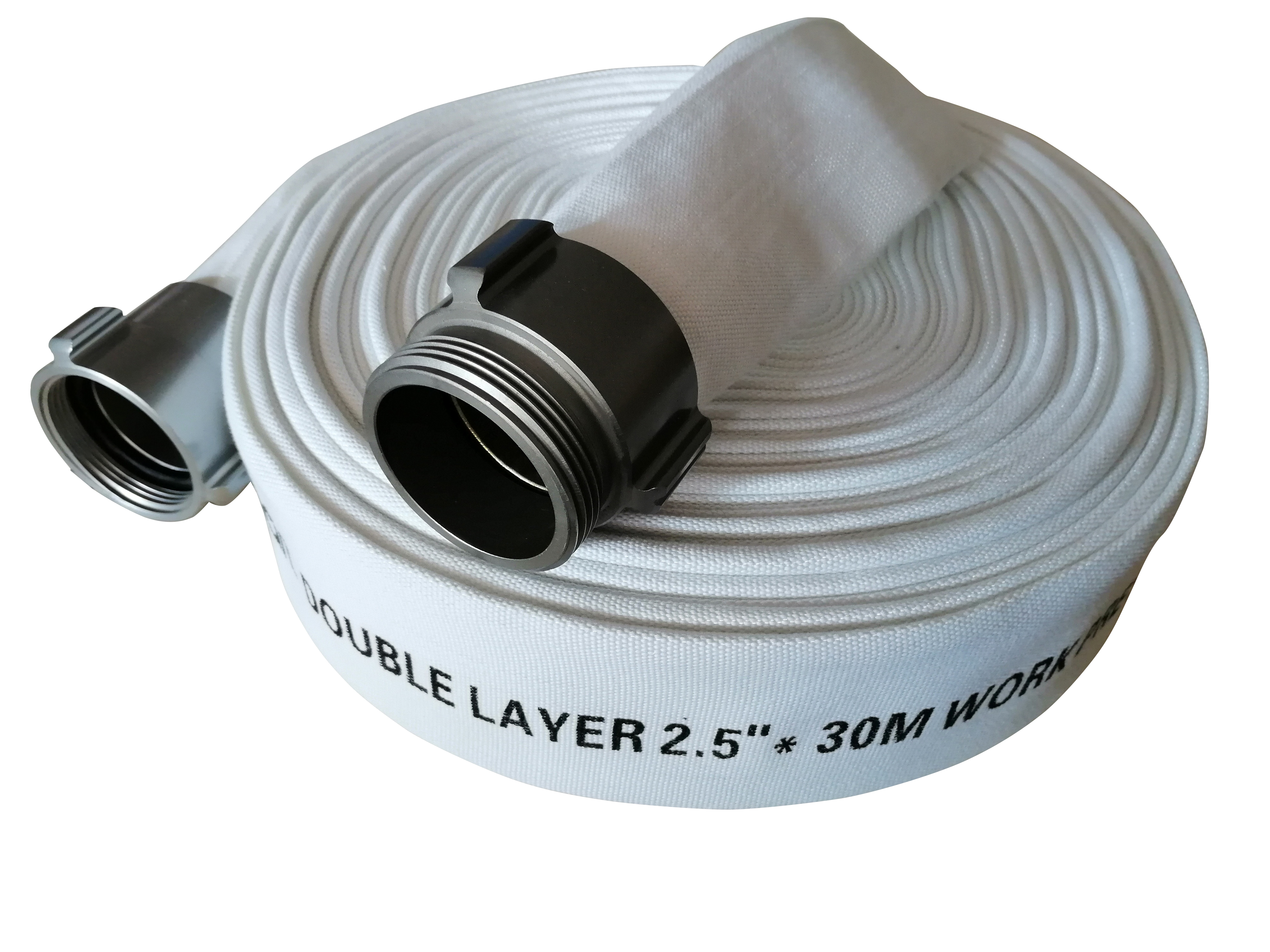
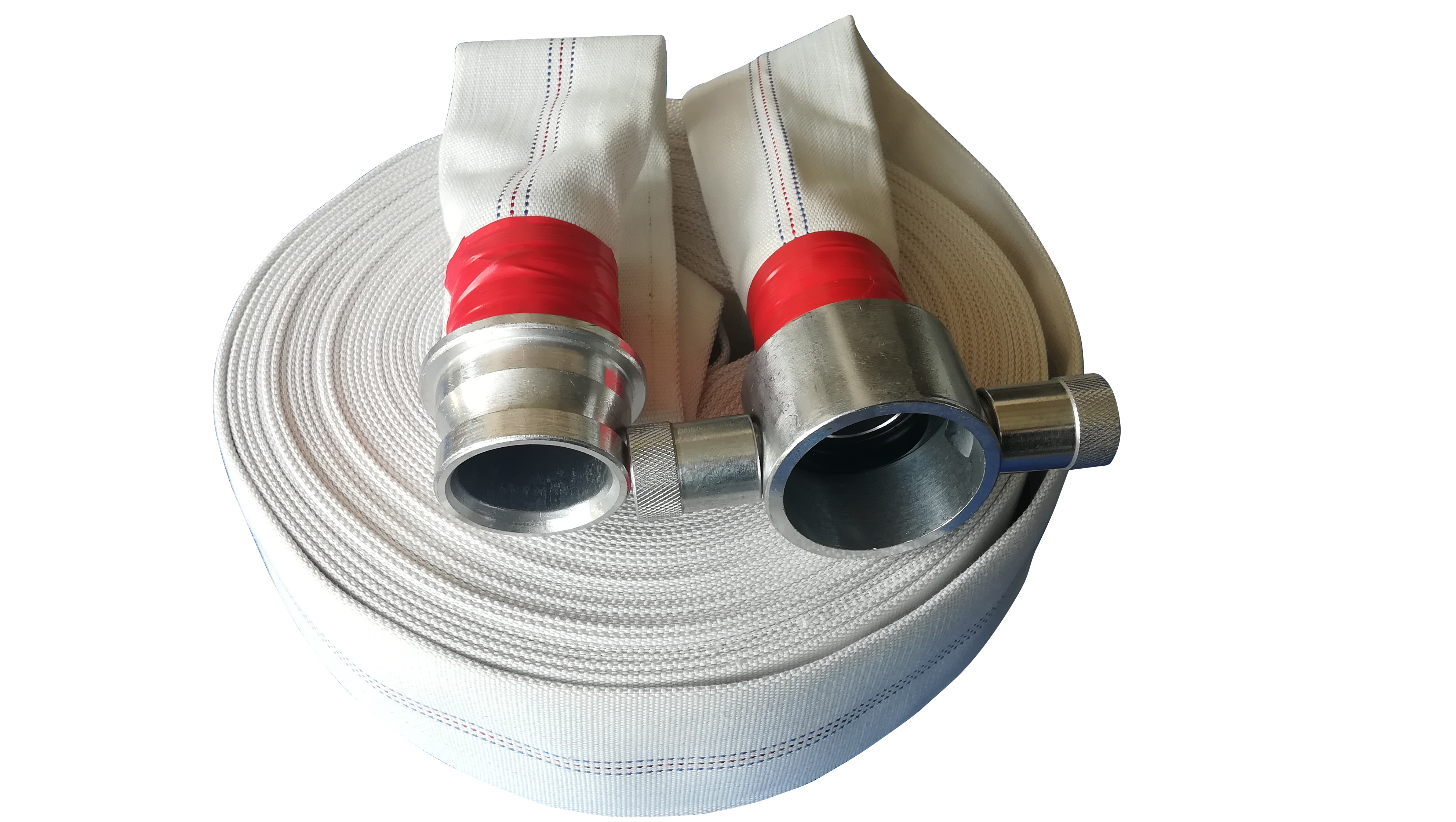
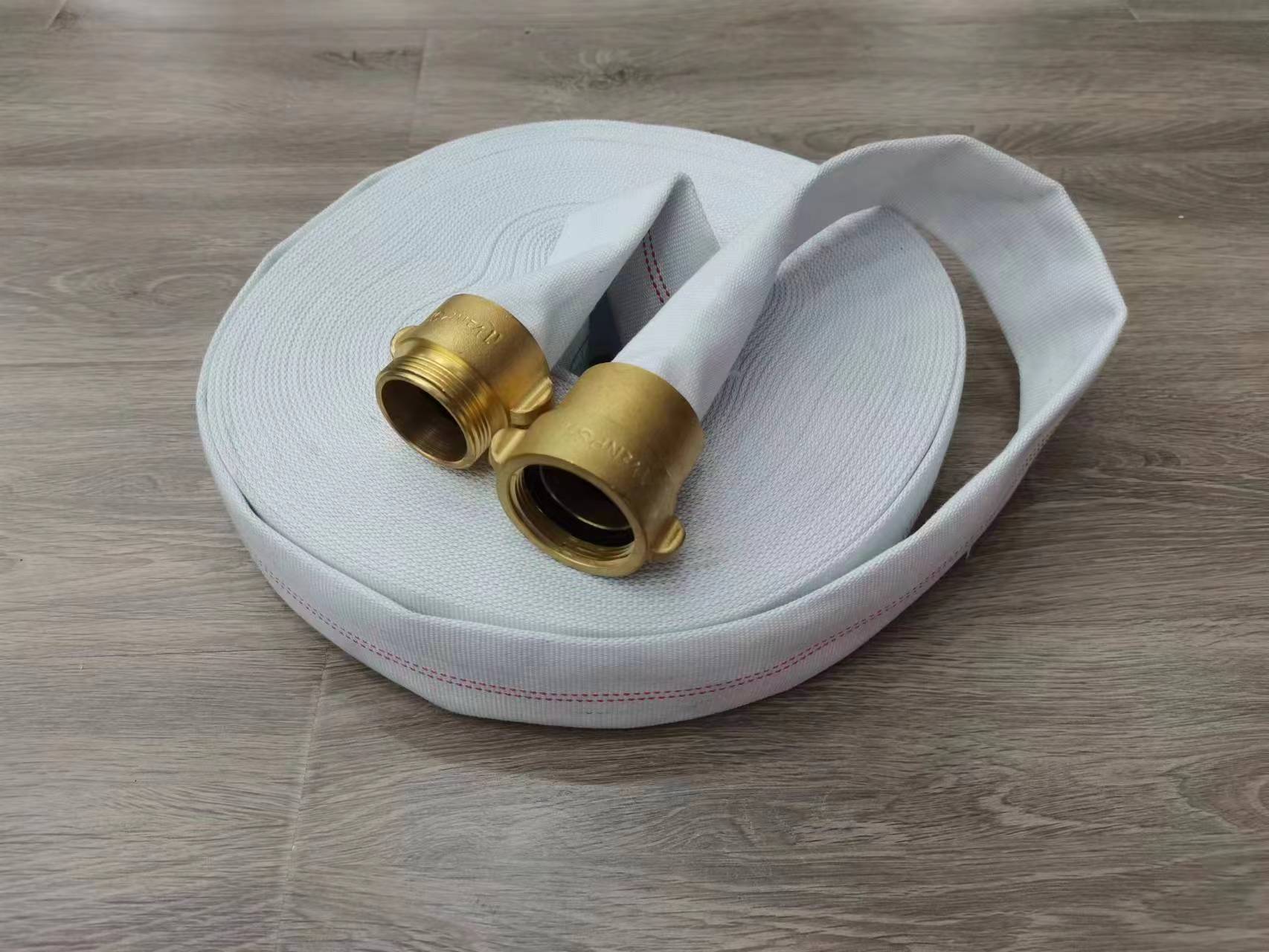
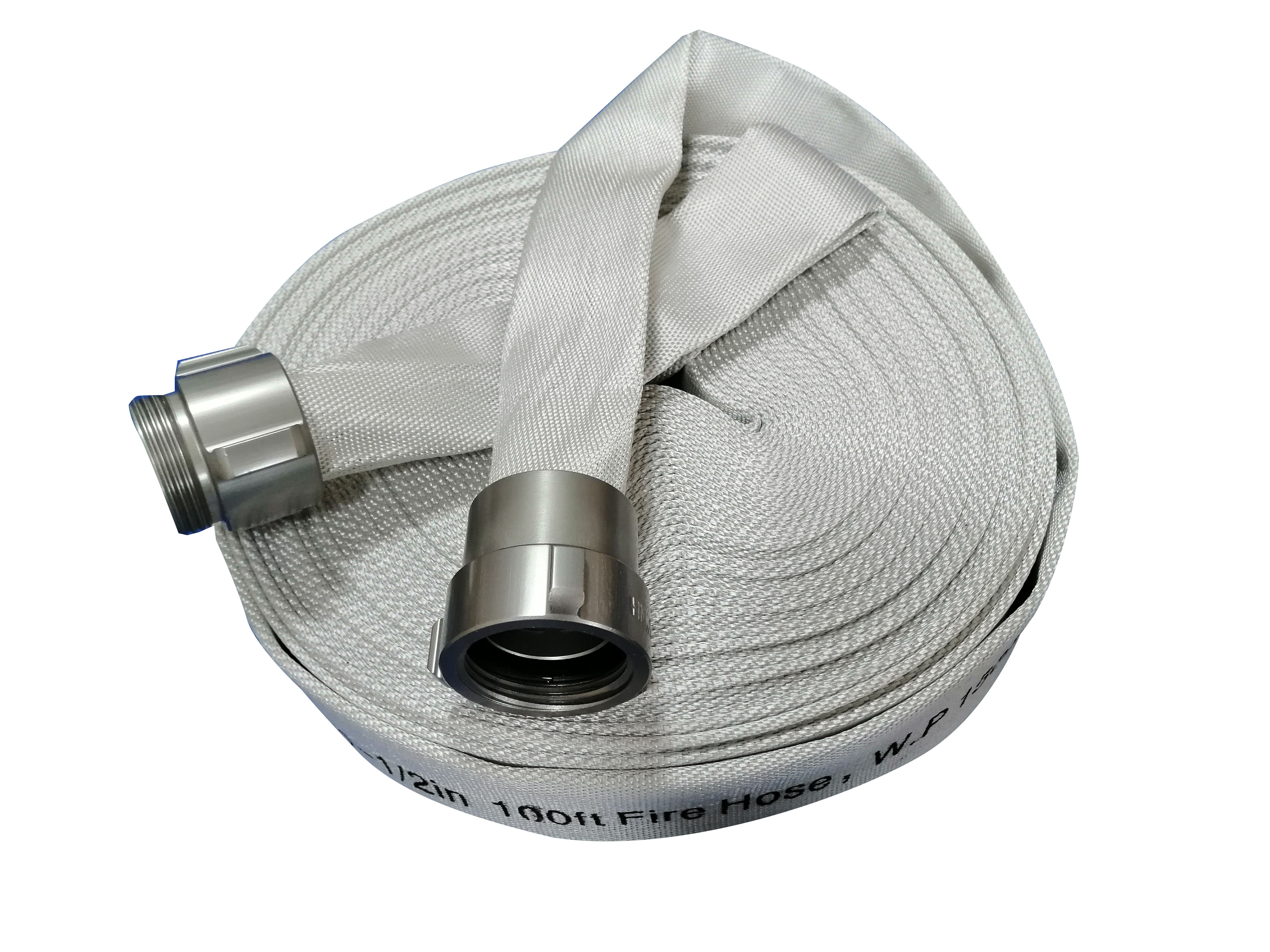
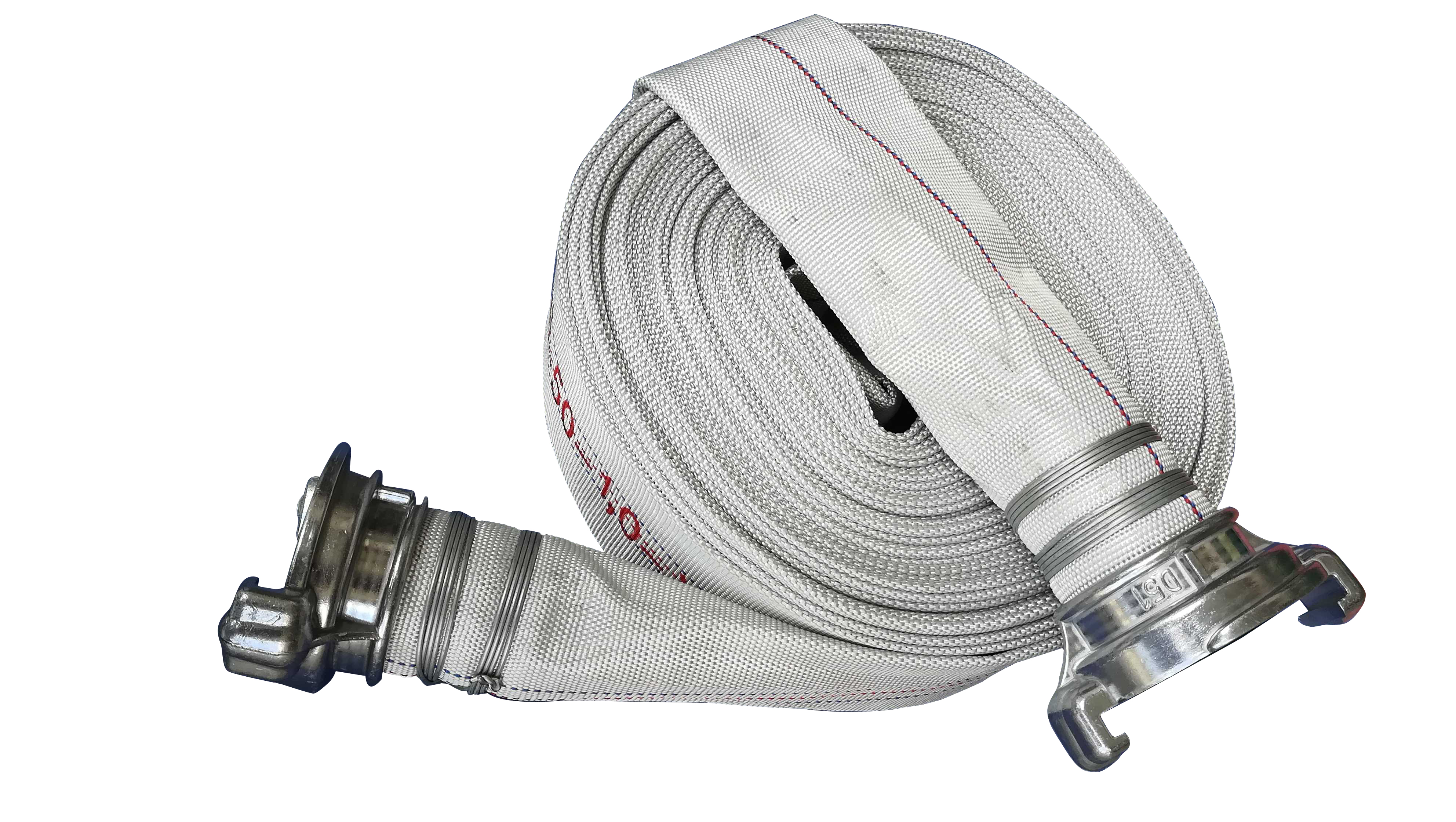
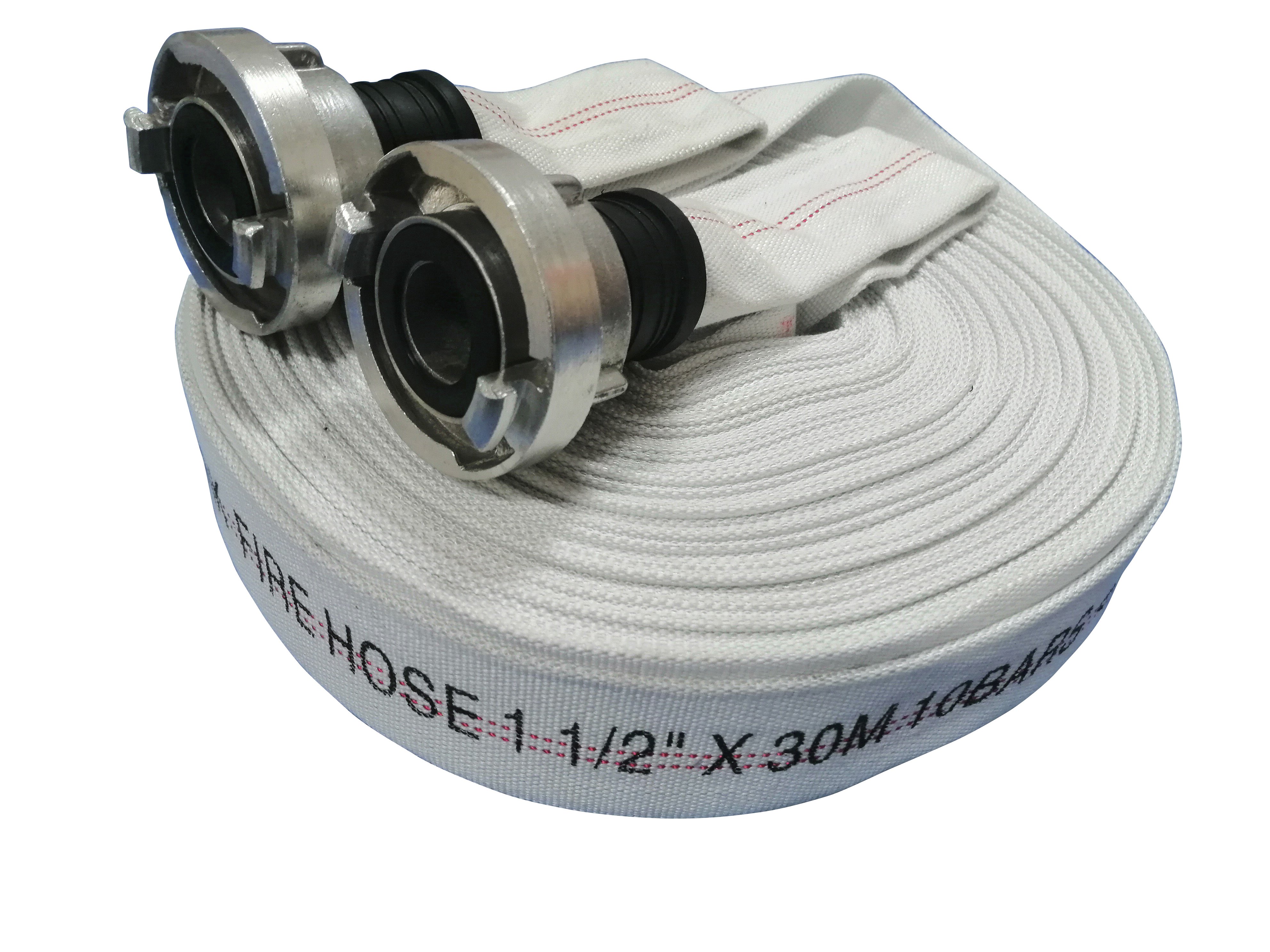
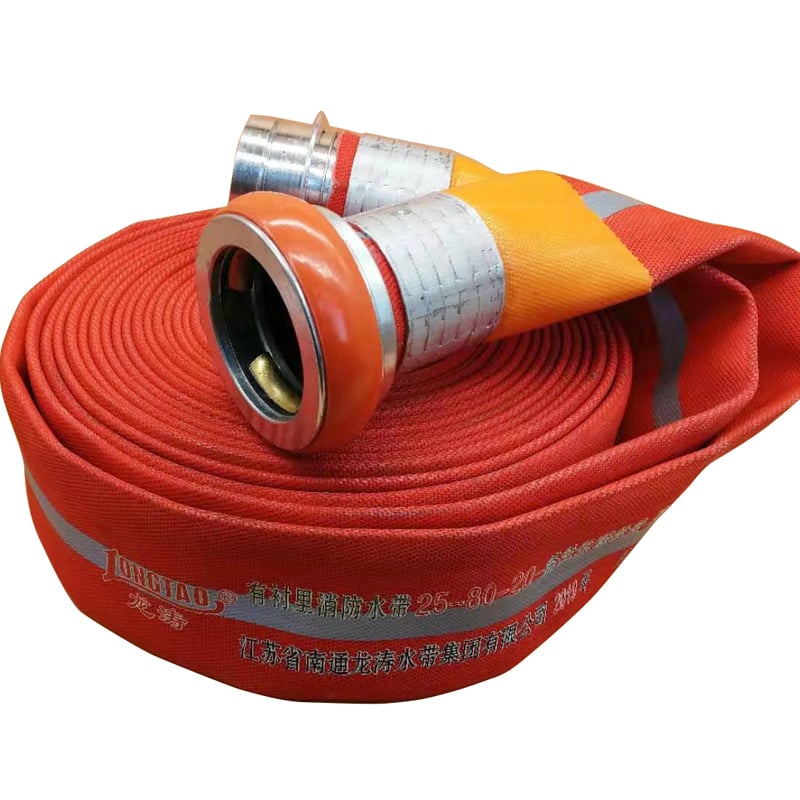
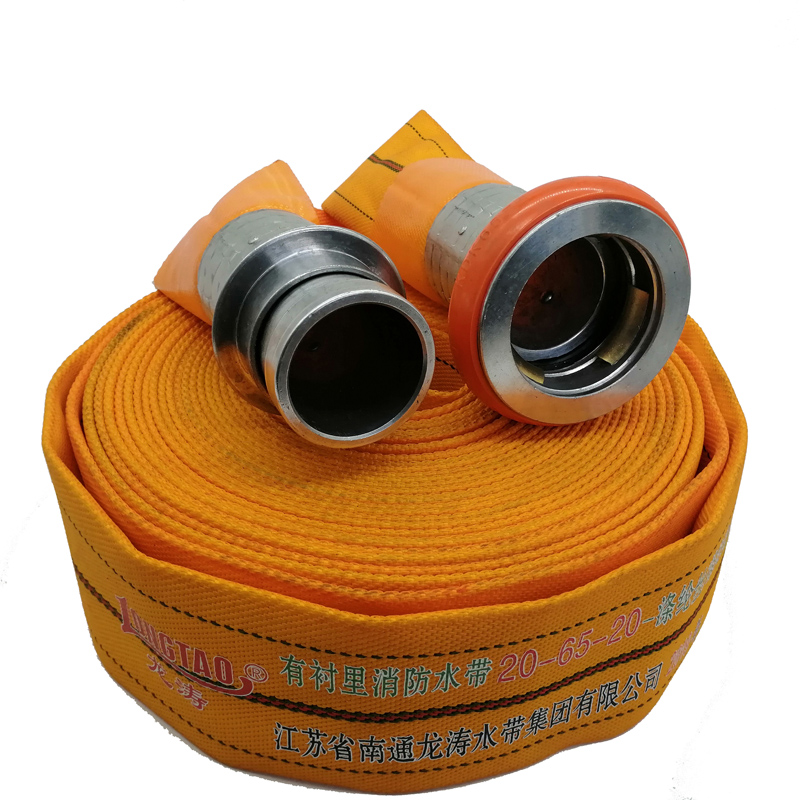
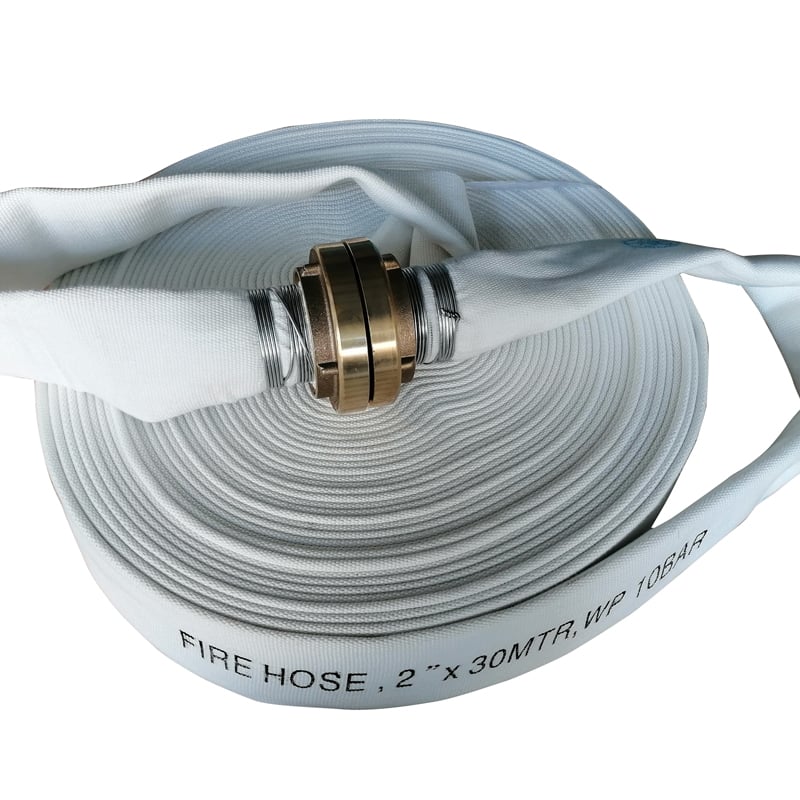
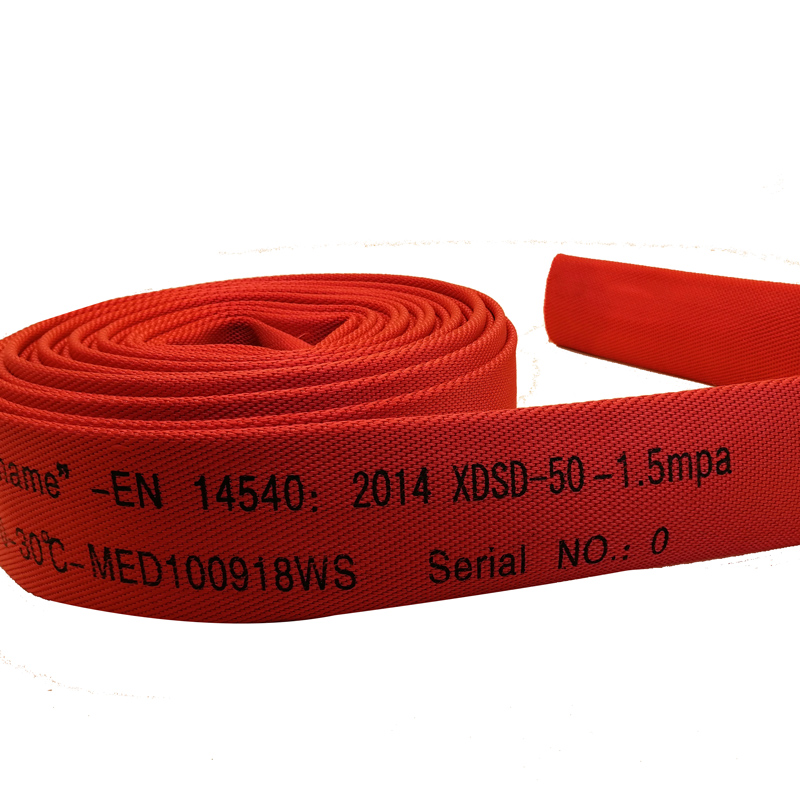
Hose fire hydrants are critical components in fire safety systems, providing quick access to water in emergencies. For B2B buyers, especially purchasing managers and facility engineers, understanding the specifications, quality control processes, and installation challenges associated with suction hose fire hydrants is essential for making informed decisions. This article will cover the quality control process, cost factors, common installation challenges, optimal performance, and applications of hose fire hydrants in commercial and industrial settings.
Quality control is vital in the manufacturing of hose fire hydrants to ensure reliability and performance during critical situations. The quality control process typically involves several stages, including material selection, production inspection, and final testing.
At Jiangsu Nantong Longtao Fire-Hose Group Co., Ltd., quality begins at the sourcing of raw materials, where only certified suppliers are utilized. Each batch of materials is subjected to canvas garden hose rigorous testing to confirm compliance with industry standards. During production, skilled technicians monitor the manufacturing process, checking for any variations that could impact product performance, such as dimensional accuracy and material integrity.
Final inspection includes a comprehensive assessment of the hydrants, where they undergo pressure testing to ensure they can withstand operational conditions. Buyers should inquire about the specific quality control measures employed and request documentation, such as inspection reports or test certificates, to verify compliance before making a purchase.
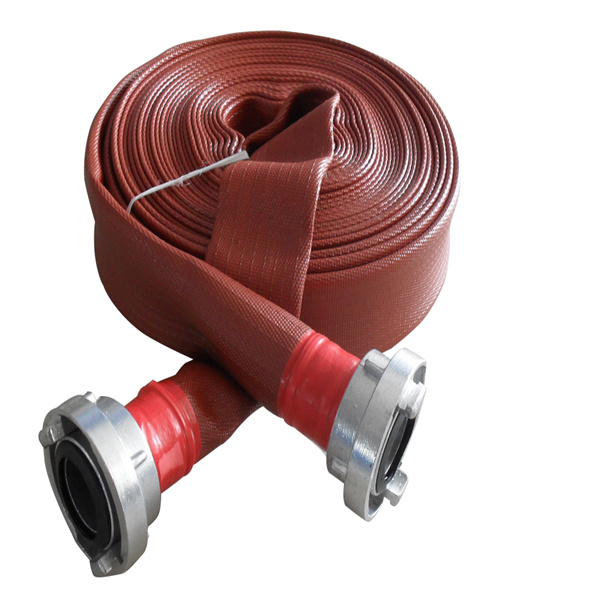
When evaluating costs for hose fire hydrants, several factors must be considered. The primary cost elements include material type, manufacturing processes, and order volume.
Material Types: The choice of materials—such as rubber, PVC, or specialized composites—can significantly affect pricing. Higher-quality materials typically offer better durability and resistance to environmental conditions but come at a premium. Buyers should assess their specific requirements against material costs to determine the best value.
Manufacturing Processes: Different production methods, including extrusion and molding, influence both cost and lead time. Understanding the manufacturing capabilities of your supplier, including their production equipment and technology, can help you gauge the cost-effectiveness of your purchase.
Order Volume: Bulk purchasing often leads to discounts, but buyers should also consider minimum order quantities (MOQs). It is advisable to discuss your needs with the supplier to find a balance between cost savings and inventory management.
By analyzing these cost factors, buyers can make more informed decisions that align with their budget and operational needs.
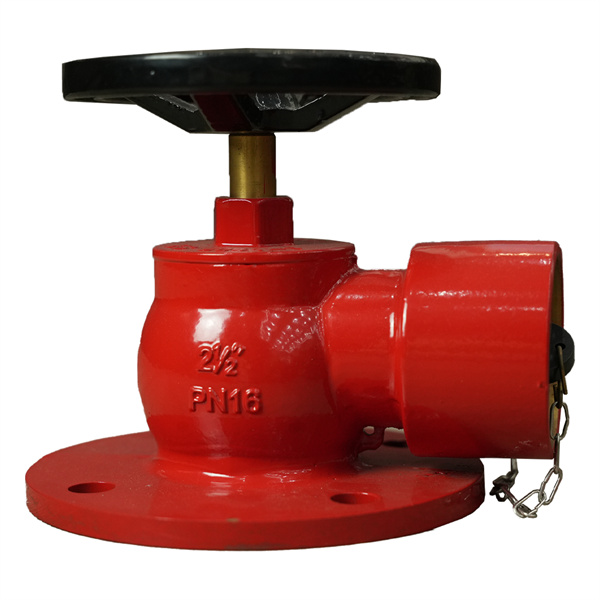
Installing hose fire hydrants can present various challenges that may affect their functionality and accessibility. Some common issues include:
Site Assessment: Improper site selection can lead to accessibility problems. It is important to assess the installation site for potential obstacles, such as landscaping or structural features, that could hinder access during an emergency.
Alignment and Leveling: Ensuring that hydrants are installed at the canvas water hose correct height and alignment is crucial for user convenience and operational effectiveness. Misalignment can lead to difficulties in connecting hoses, particularly under stress during emergencies. Using precise leveling tools and following manufacturer guidelines can mitigate this issue.
Connection to Water Supply: The compatibility of the hydrant with existing water supply systems is another critical consideration. Buyers should confirm that the hydrant's inlet size and pressure specifications align with their infrastructure. Consulting with engineers during the design phase can help avoid future complications.
By proactively addressing these installation challenges, organizations can ensure their hose fire hydrants are set up for optimal performance in emergencies.
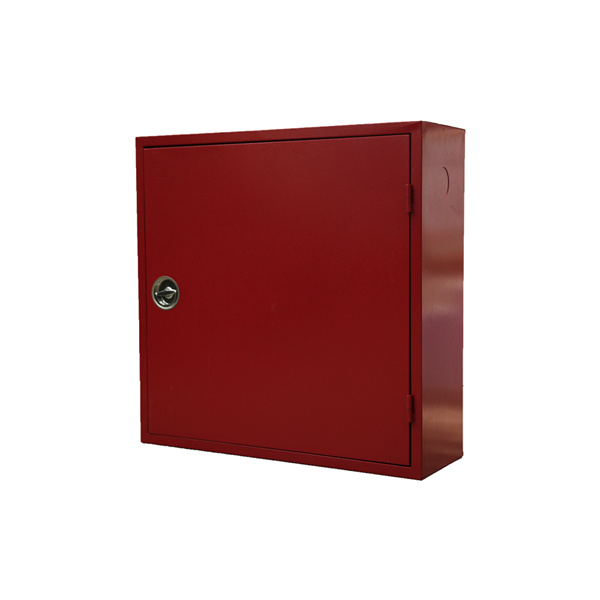
To ensure hose fire hydrants operate effectively throughout their service life, regular maintenance and inspections are necessary. Buyers should establish a maintenance schedule that includes:
Periodic Testing: Regular pressure tests can identify leaks or weaknesses in the system. It is advisable to document these tests as part of an ongoing maintenance record.
Visual Inspections: Conducting visual inspections for wear and corrosion can help catch issues early on. Any signs of damage should prompt immediate action, including potential replacement.
Operational Drills: Conducting drills that incorporate the use of hydrants helps ensure that staff are familiar with their operation and can efficiently respond in real situations.
Understanding these maintenance practices allows buyers to preserve the functionality and reliability of hose fire hydrants, ultimately enhancing safety.
With an annual production capacity of 10 million meters of fire hose and 7,000 sets of fire hydrant boxes, the company demonstrates its ability to meet large-scale demands efficiently. The product range is extensive, including lined fire hoses (single and double jacket), double-coated fire hoses, fire hose reels, plastic-coated hoses, spray fire hoses, garden hoses, and specialized nozzles and couplings that meet various international standards. This diversity allows the company to cater to a wide array of customer needs across different markets.
Jiangsu Nantong Longtao Fire-Hose Group Co., Ltd. is officially recognized by the Ministry of Public Security as a designated enterprise for the production of fire hoses, fire hydrants, and fire boxes. This designation underscores the company's compliance with stringent national standards and its commitment to producing high-quality fire safety equipment. Being a government-designated enterprise also reflects the company's reliability and trustworthiness in the industry.
Jiangsu Nantong Longtao Fire-Hose Group Co., Ltd. has successfully exported its high-quality products to numerous countries, including the United States, Germany, Italy, Russia, South Korea, Japan, Vietnam, and the Middle East. The company adheres to a customer-first philosophy, offering high-quality, cost-effective products and services. Its commitment to honest cooperation and mutual benefit ensures long-term partnerships and a win-win situation for both the company and its clients. This global presence and customer-centric approach highlight the company's ability to compete and thrive in the international market.
The company places a strong emphasis on quality, which is fundamental to its survival and success. It is dedicated to the manufacturing, production, and research and development of fire-fighting equipment, including custom-made solutions for domestic and foreign professional fire brigades. The company holds multiple patent certificates for its independently developed intellectual property products, showcasing its innovative capabilities and commitment to advancing fire safety technology.
Hose fire hydrants are versatile and can be applied in various commercial and industrial settings, including:
Manufacturing Facilities: In environments where flammable materials are present, reliable access to water is critical. Hose fire hydrants provide immediate access for rapid response to fires, minimizing damage and ensuring safety.
Shopping Centers: Large retail spaces benefit from strategically placed hydrants to facilitate quick access to water for emergency responders, helping to protect both shoppers and property.
Construction Sites: Temporary installations of hose fire hydrants at construction sites are essential for managing fire risks associated with building activities. They provide a straightforward solution for fire protection in areas where permanent infrastructure may not yet exist.
By understanding the specific applications of hose fire hydrants, buyers can better assess their needs and choose the right solutions tailored to their operational environments.
hose fire hydrants are essential for ensuring fire safety in various settings. By comprehensively understanding the quality control processes, cost factors, installation challenges, performance maintenance, and applications, B2B buyers can make informed decisions that enhance safety and efficiency in their organizations.

Welcome to Jiangsu Nantong Longtao, we are a leading manufacturer specialize in fire hoses, fire hydrants and fire boxes.
No.888 Renmin South Road, Dayu Town,Rudong County, Nantong City, Jiansu Province
Copyright © EVERBRIGHT FIRE-FIGHTING EQUIPMENT(NANTONG)CO., LTD. All Rights Reserved
 EN
 AR
 FR
 DE
 KO
 CS
 DA
 NL
 FI
 EL
 IT
 JA
 NO
 PL
 PT
 RO
 RU
 ES
 SV
 TL
 IW
 ID
 LV
 LT
 SR
 SK
 SL
 UK
 SQ
 ET
 HU
 TH
 TR
 FA
 AF
 IS
 MK
 KA
 UR
 BN