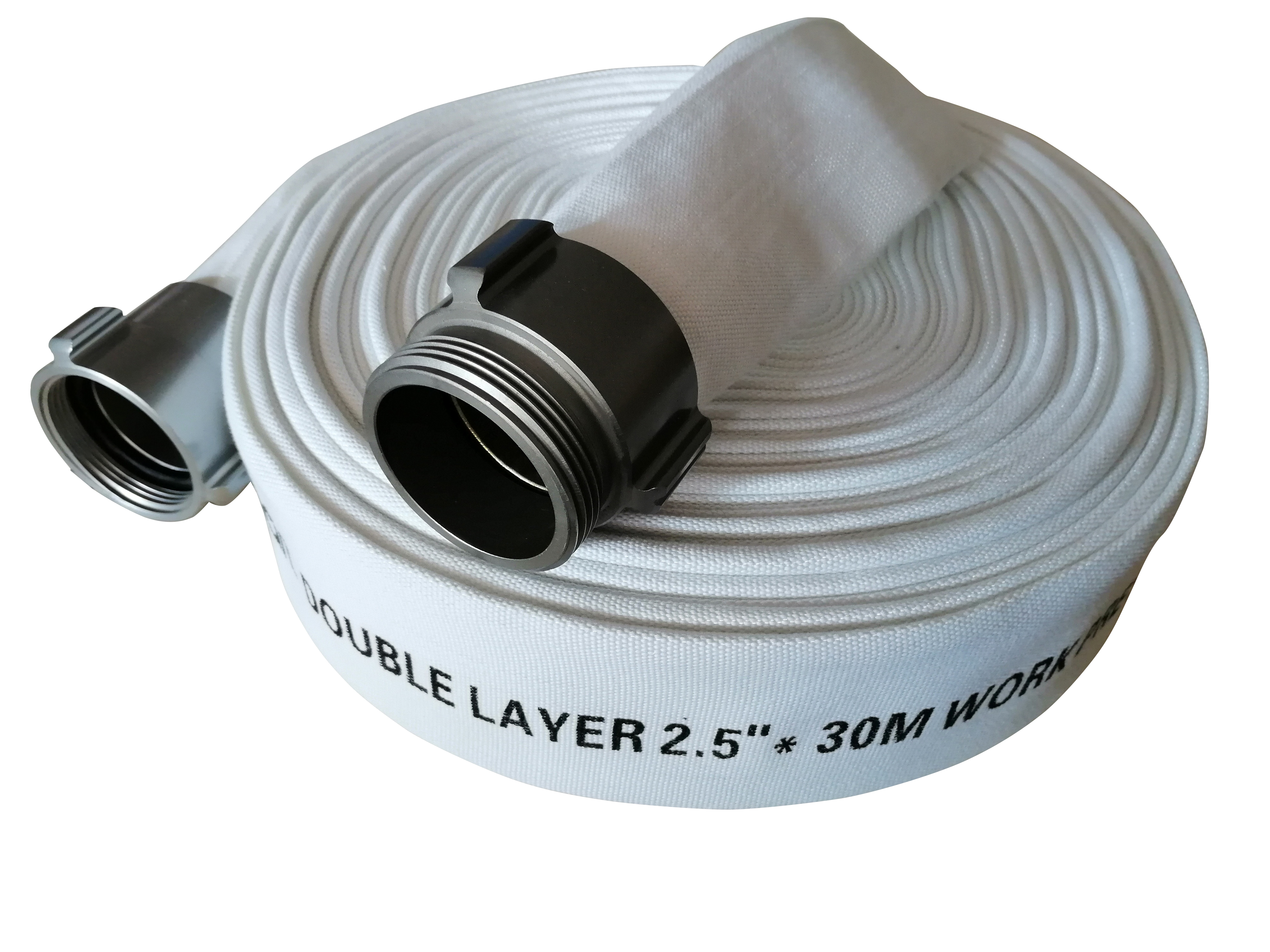
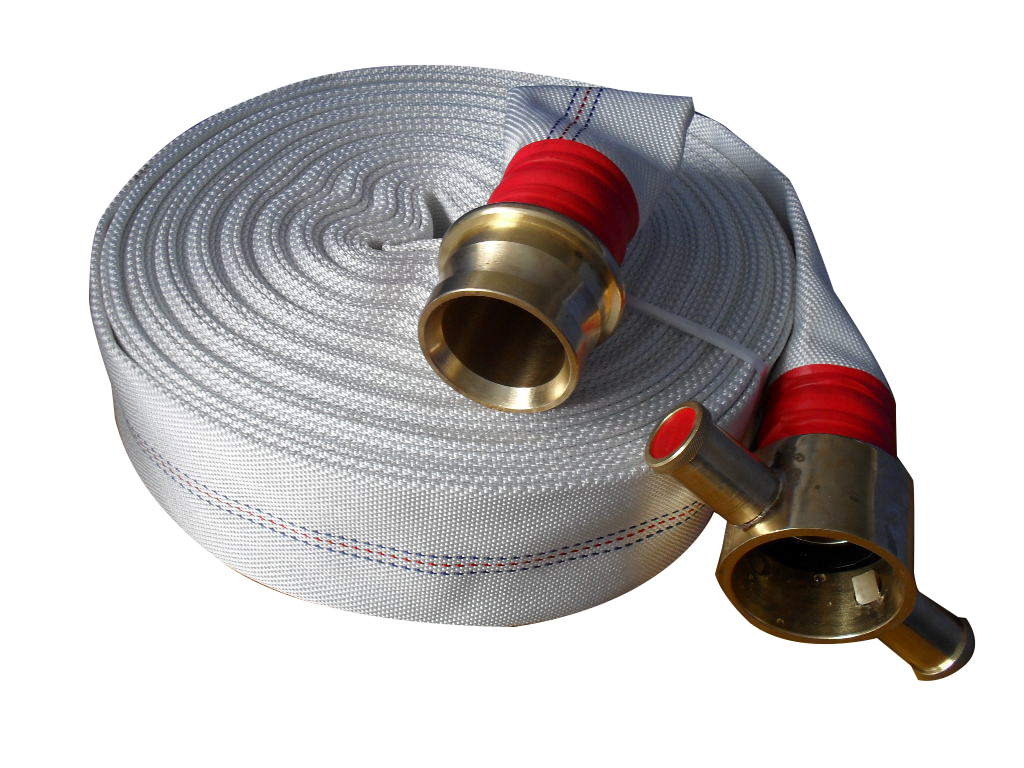
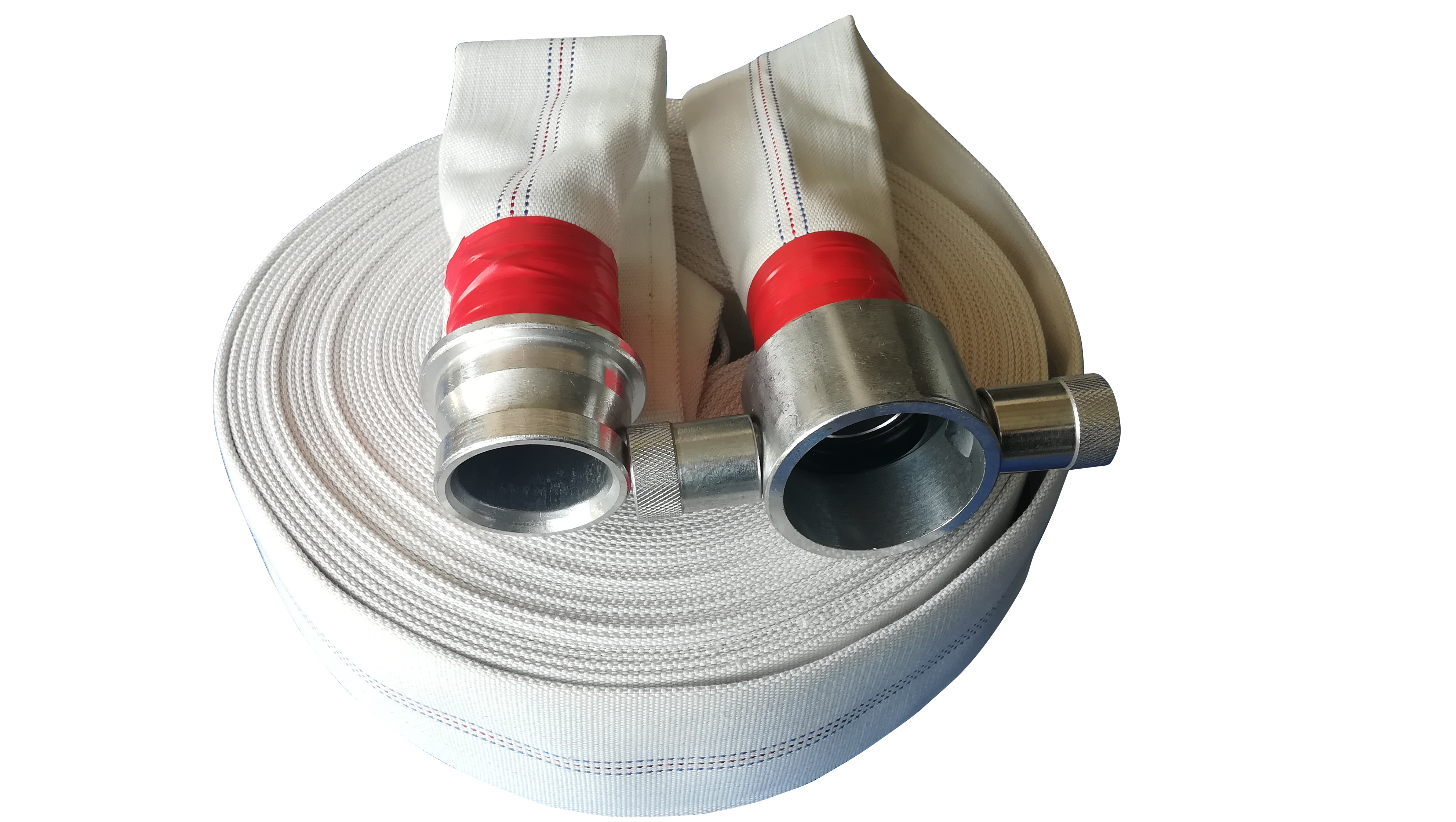
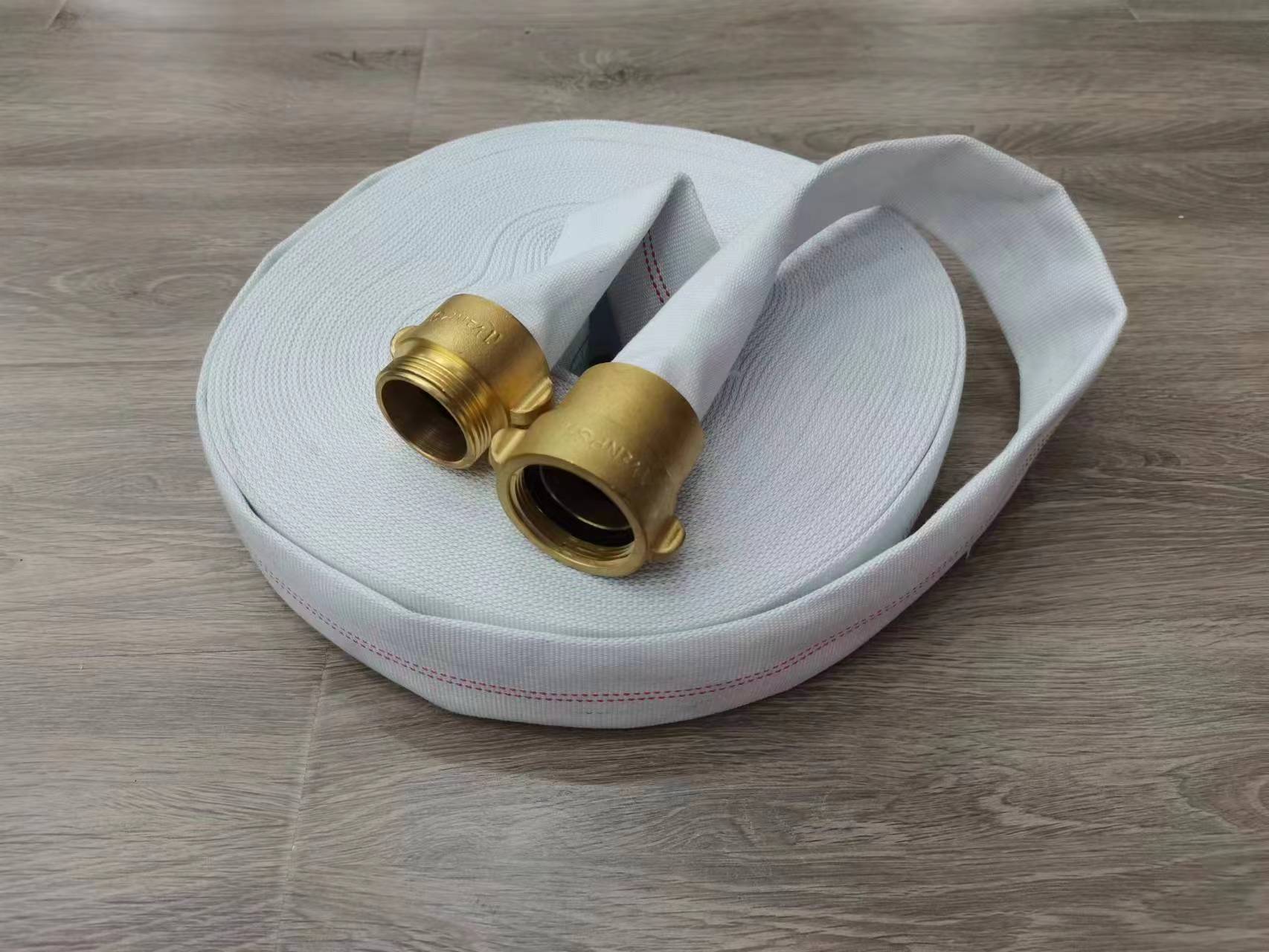
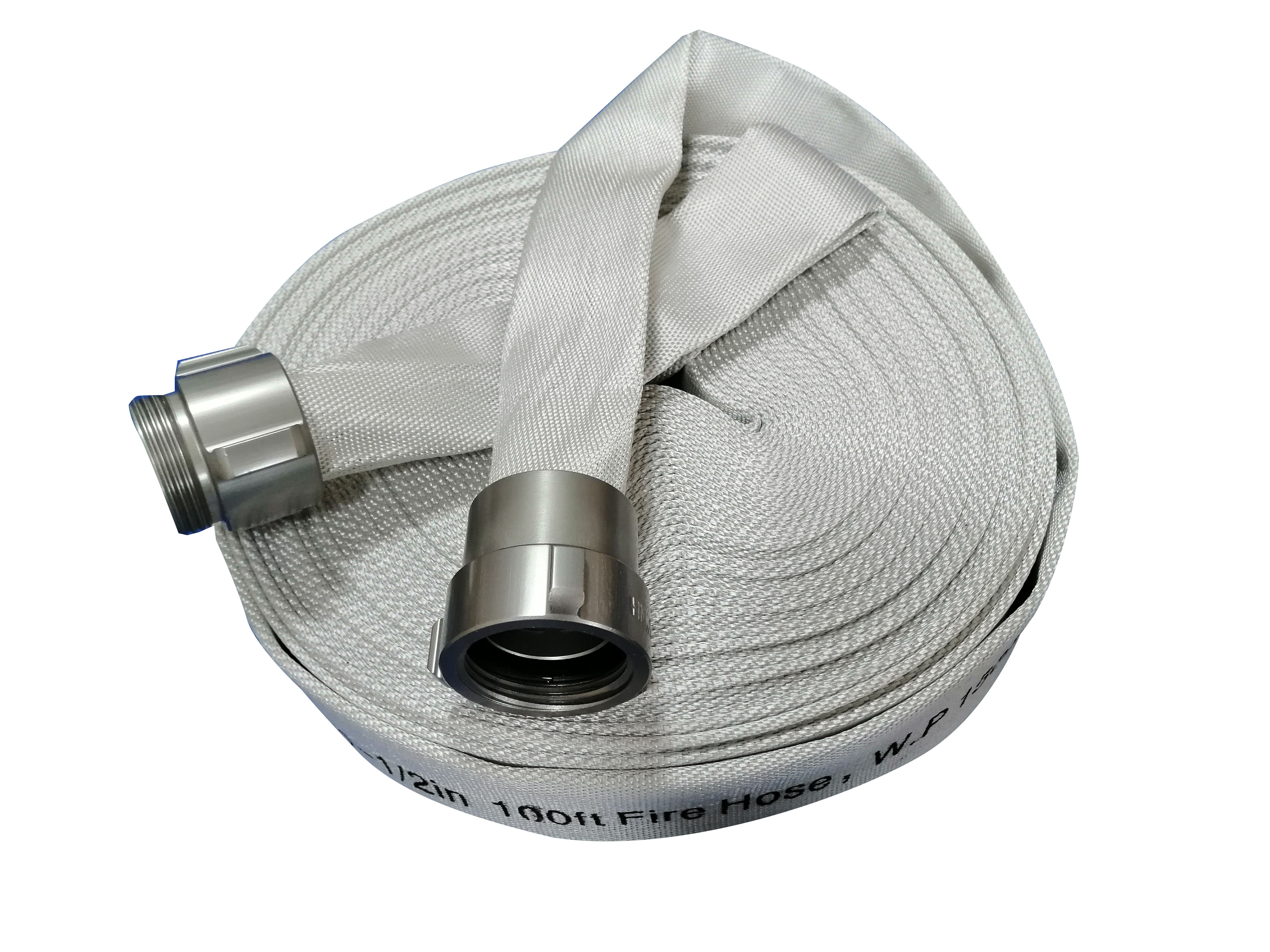
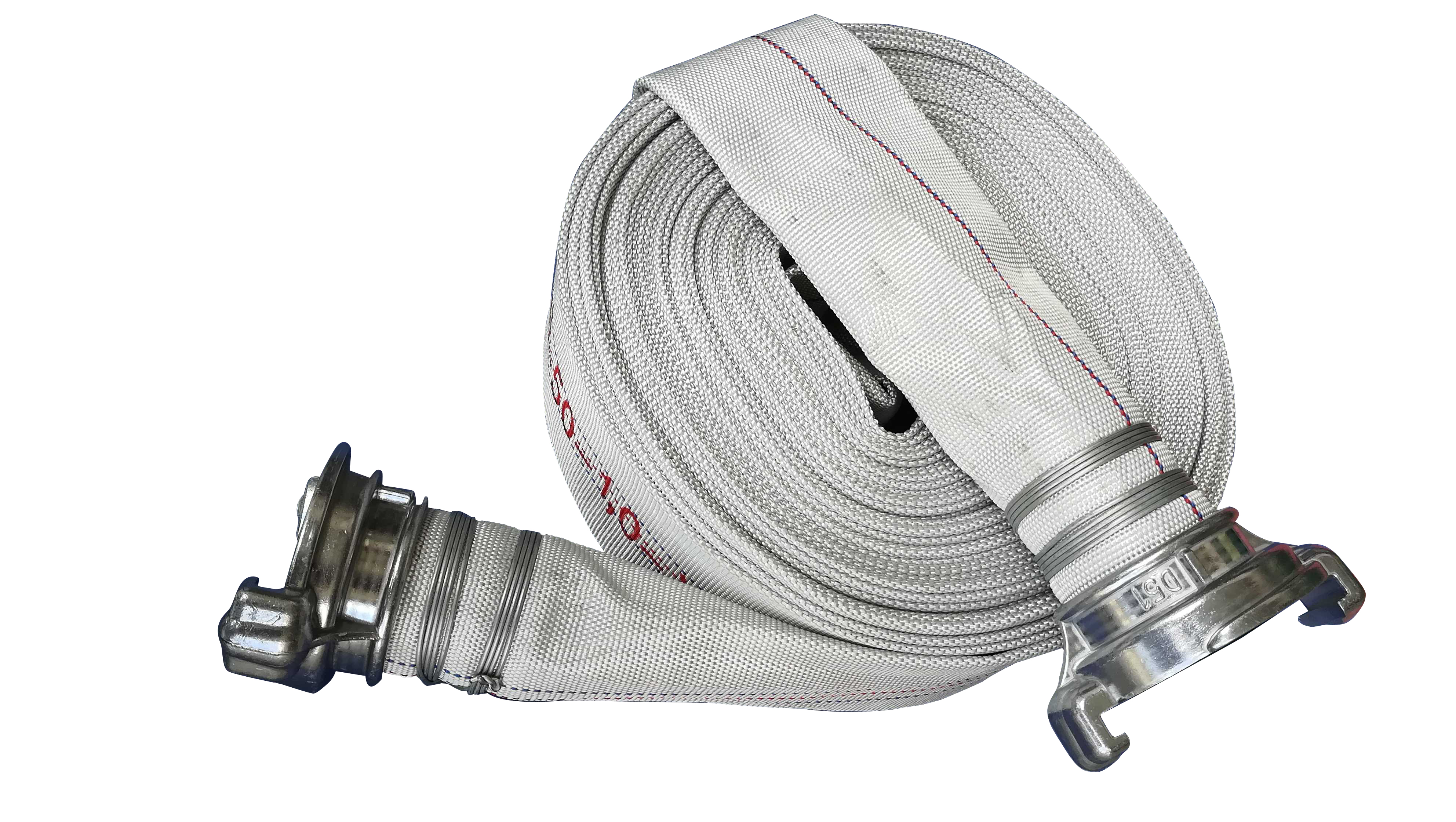
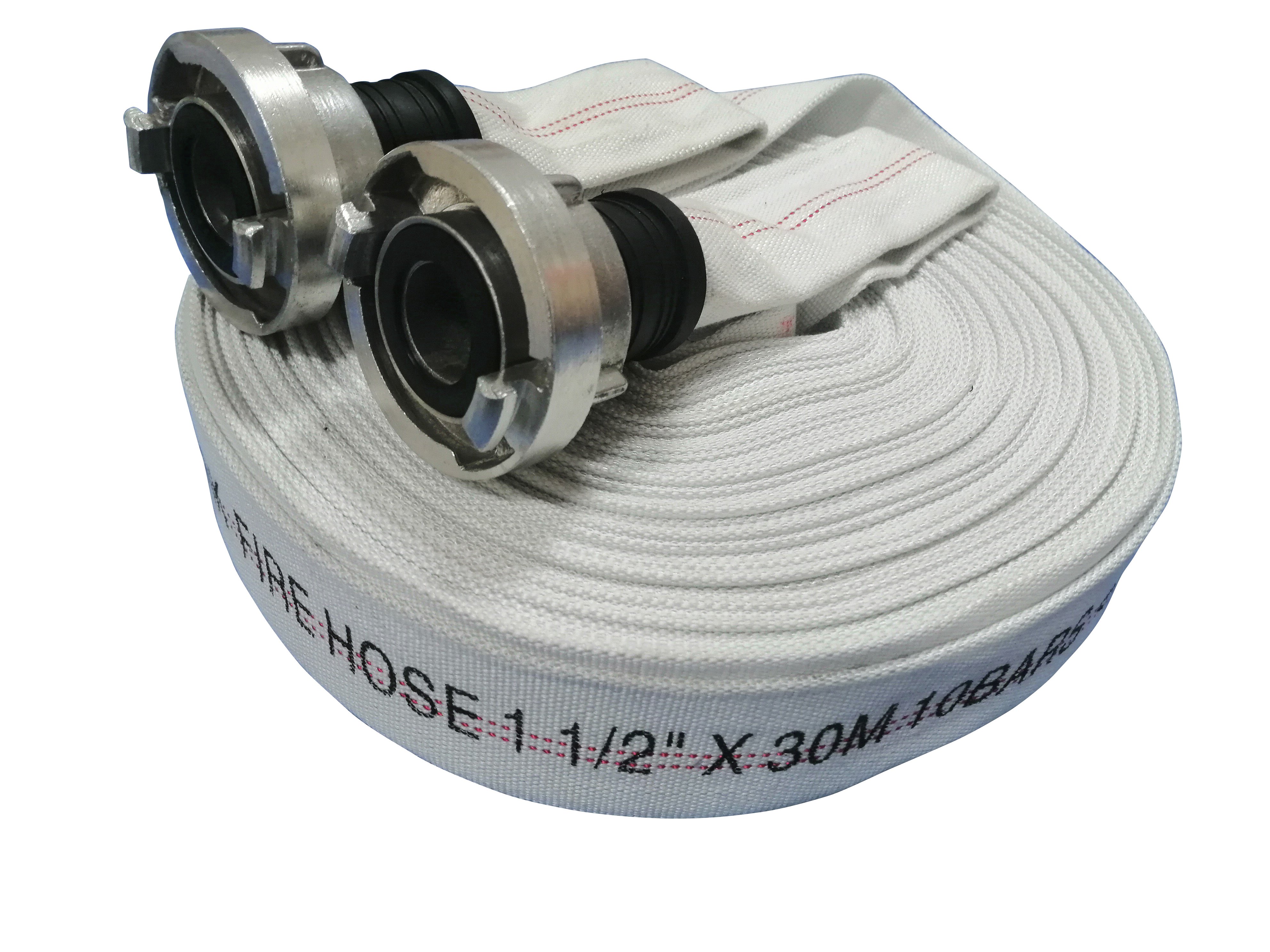
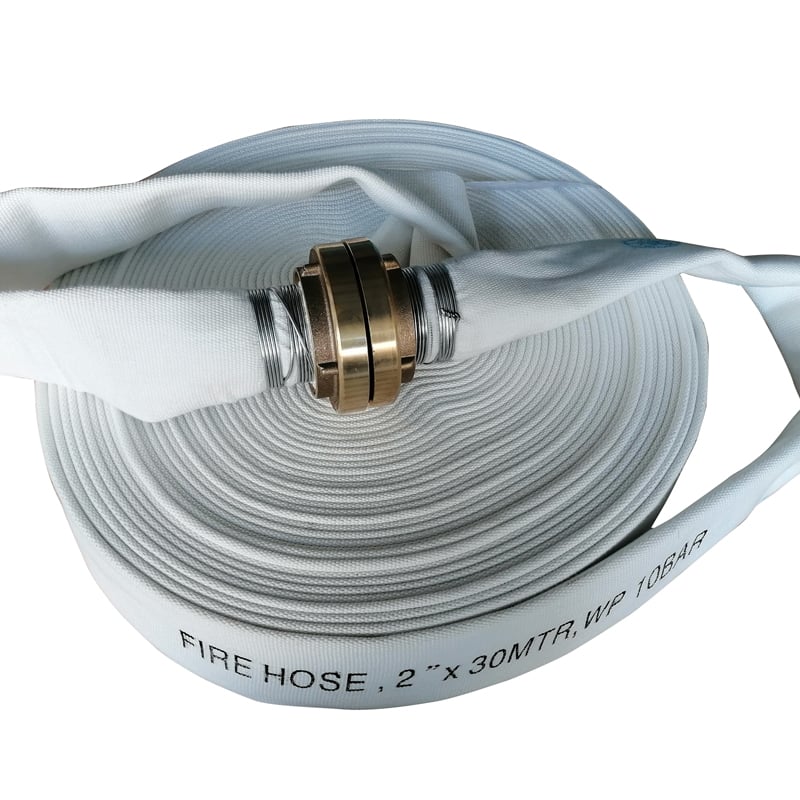
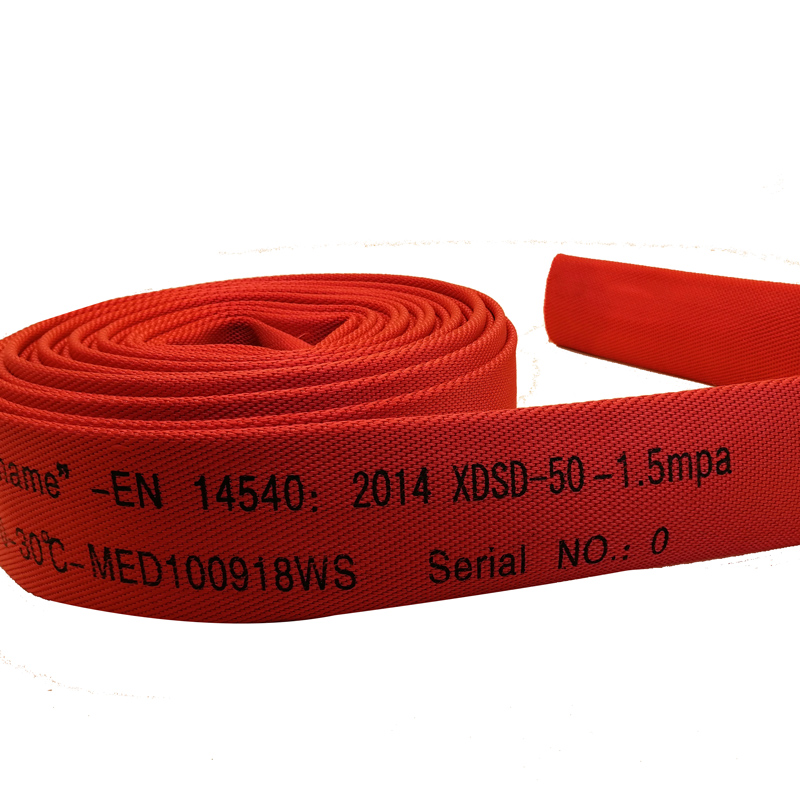
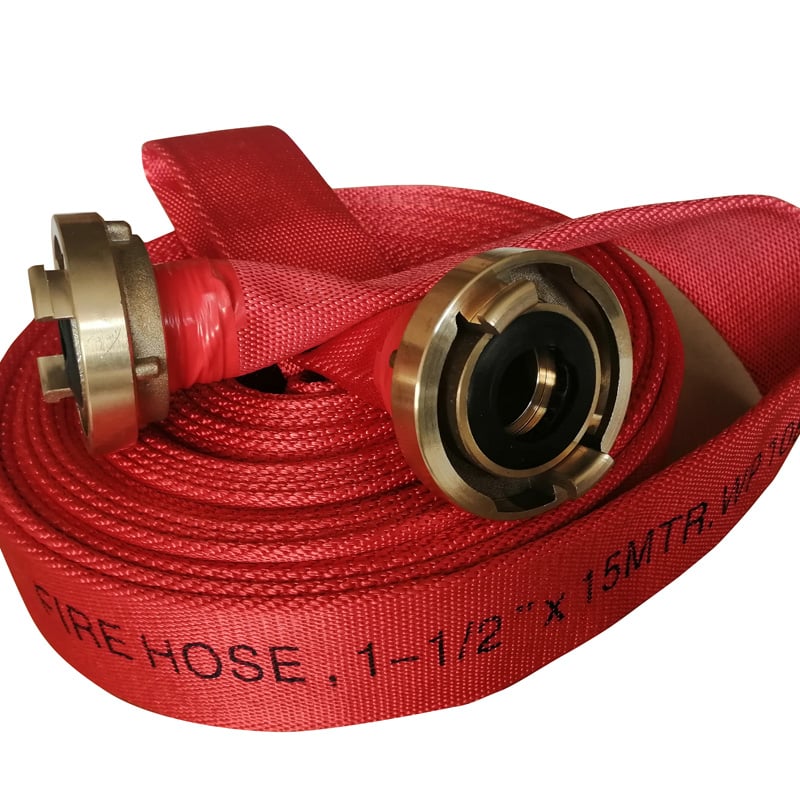
Firefighter water hoses are essential tools in the emergency response industry, designed to deliver high volumes of water under pressure for firefighting operations. Selecting the right hose involves understanding various specifications and features that meet specific operational needs. This article will guide purchasing managers, distributors, and engineers through key considerations when choosing firefighter fire hose, helping them make informed decisions to ensure safety and efficiency in their firefighting capabilities.
When selecting a firefighter water hose, key factors to consider include the hose's material, diameter, length, and pressure rating. Firefighter hoses are typically made from synthetic materials that offer durability and resistance to abrasions and chemical exposure. For example, double-coated hoses provide an extra layer of protection, while lined hoses ensure better water flow and pressure retention
The diameter of the hose affects both its flow rate and maneuverability. A larger diameter allows for increased water flow, which can be crucial in firefighting situations, while a smaller diameter may be easier to handle in tight spaces. Length is another critical consideration; longer hoses can reach farther but may be heavier and more challenging to manage
Pressure ratings, often expressed in pounds per square inch (PSI), indicate the maximum pressure the hose can withstand. It's essential to choose a hose with a pressure rating that matches or exceeds the expected operating conditions. Failure to do so could result in hose rupture or decreased firefighting effectiveness.
Working with a reputable supplier like Jiangsu Nantong Longtao Fire-Hose Group Co., Ltd. can significantly impact the quality and reliability of the hoses. When evaluating potential suppliers, consider their manufacturing capabilities, quality control processes, and certifications
A supplier should have robust quality assurance protocols in place, including material inspections and performance testing, to ensure that each hose meets industry standards. Additionally, inquire about the supplier's production capacity and lead times, as these factors can affect the timely delivery of critical firefighting equipment
Customization capabilities are also essential. Many organizations have specific requirements based on their operational needs. A supplier that offers tailored solutions can provide hoses designed to meet unique specifications, such as length, diameter, or pressure rating.
Buyers should have a clear understanding of their operational requirements before purchasing firefighter water hoses. Essential information includes the intended application, expected pressure levels, and environmental conditions. For instance, hoses exposed to harsh weather or chemicals require specific materials to ensure longevity and performance
Additionally, buyers should verify the manufacturer's credentials. This includes checking for relevant certifications that indicate adherence to industry standards and quality benchmarks. Understanding the manufacturer's reputation in the market can also provide insights into the reliability and performance of their products
When requesting a quotation, providing detailed specifications, such as hose type, dimensions, and required performance characteristics, will help suppliers offer accurate pricing and recommendations.
To effectively purchase firefighter water hoses, consider the following steps:
Identify Needs: Assess the specific applications for which the hoses will be used, including flow rates, pressure requirements, and environmental factors
Research Suppliers: Look for manufacturers with a proven track record in producing firefighter hoses. Reviews and industry feedback can provide valuable insights
Request Samples: Before placing a bulk order, request samples of the hoses. This allows for evaluation under actual operational conditions to verify performance and compatibility
Confirm Specifications: Ensure that all specifications meet the operational requirements. This includes verifying material choices and pressure ratings
Review Terms: Understand the supplier's terms regarding minimum order quantities (MOQ), lead times, and warranty policies
Plan for Quality Checks: Establish quality inspection protocols that will be implemented upon delivery. This ensures that the hoses meet expected standards before being put into service.
Jiangsu Nantong Longtao Fire-Hose Group Co., Ltd. is officially recognized by the Ministry of Public Security as a designated enterprise for the production of fire hoses, fire hydrants, and fire boxes. This designation underscores the company's compliance with stringent national standards and its commitment to producing high-quality fire safety equipment. Being a government-designated enterprise also reflects the company's reliability and trustworthiness in the industry.
With an annual production capacity of 10 million meters of fire hose and 7,000 sets of fire hydrant boxes, the company demonstrates its ability to meet large-scale demands efficiently. The product range is extensive, including lined fire hoses (single and double jacket), double-coated fire hoses, fire hose reels, plastic-coated hoses, spray fire hoses, garden hoses, and specialized nozzles and couplings that meet various international standards. This diversity allows the company to cater to a wide array of customer needs across different markets.
Jiangsu Nantong Longtao Fire-Hose Group Co., Ltd. has successfully exported its high-quality products to numerous countries, including the United States, Germany, Italy, Russia, South Korea, Japan, Vietnam, and the Middle East. The company adheres to a customer-first philosophy, offering high-quality, cost-effective products and services. Its commitment to honest cooperation and mutual benefit ensures long-term partnerships and a win-win situation for both the company and its clients. This global presence and customer-centric approach highlight the company's ability to compete and thrive in the international market.
The company places a strong emphasis on quality, which is fundamental to its survival and success. It is dedicated to the manufacturing, production, and research and development of fire-fighting equipment, including custom-made solutions for domestic and foreign professional fire brigades. The company holds multiple patent certificates for its independently developed intellectual property products, showcasing its innovative capabilities and commitment to advancing fire safety technology.
When comparing different types of firefighter water hoses, focus on the following aspects to make an informed decision:
Material Composition: The choice of material affects the hose's flexibility, weight, and resistance to abrasion and chemicals. For example, polyurethane hoses are lightweight but may not be as durable as rubber hoses in certain conditions
Pressure Ratings: Compare the maximum operating pressures of each hose type. Ensure that the hose can withstand the demands of your firefighting applications
Flow Rate: Evaluate the flow rate capabilities of different hoses. This is crucial when assessing the hose's effectiveness in delivering water quickly during emergencies
Maintenance Requirements: Some fire hose require more maintenance than others. Consider the ease of cleaning and storage, as well as any specific care instructions from the manufacturer
Cost Factors: While price is an important consideration, it should not be the sole factor. Analyze the total cost of ownership, including durability and expected lifespan, to determine the best value
By understanding these factors and conducting a thorough comparison, buyers can select the most suitable firefighter water hose for their operational needs, ensuring both safety and efficiency in their firefighting efforts.

Welcome to Jiangsu Nantong Longtao, we are a leading manufacturer specialize in fire hoses, fire hydrants and fire boxes.
No.888 Renmin South Road, Dayu Town,Rudong County, Nantong City, Jiansu Province
Copyright © EVERBRIGHT FIRE-FIGHTING EQUIPMENT(NANTONG)CO., LTD. All Rights Reserved
 EN
 AR
 FR
 DE
 KO
 CS
 DA
 NL
 FI
 EL
 IT
 JA
 NO
 PL
 PT
 RO
 RU
 ES
 SV
 TL
 IW
 ID
 LV
 LT
 SR
 SK
 SL
 UK
 SQ
 ET
 HU
 TH
 TR
 FA
 AF
 IS
 MK
 KA
 UR
 BN