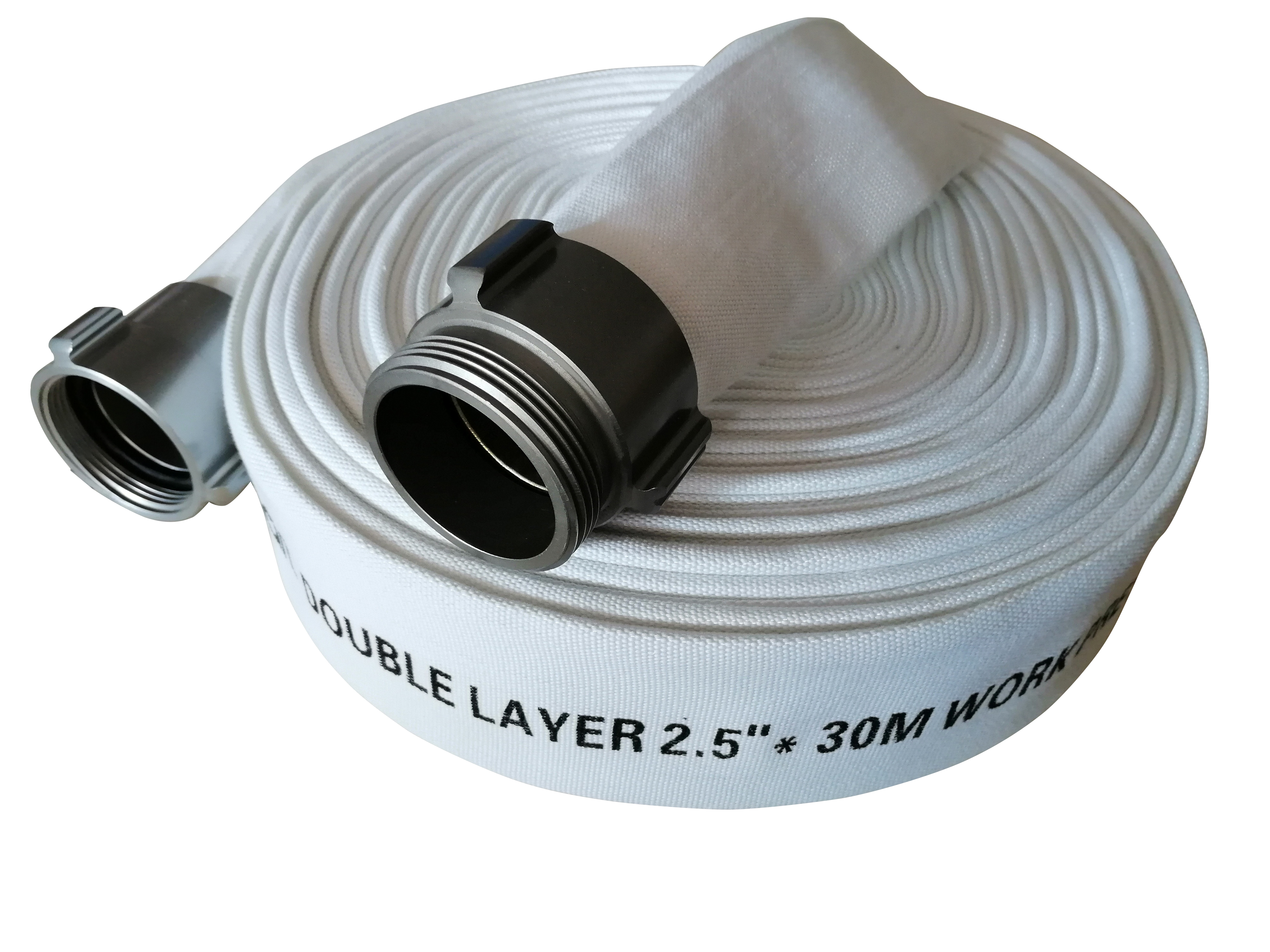
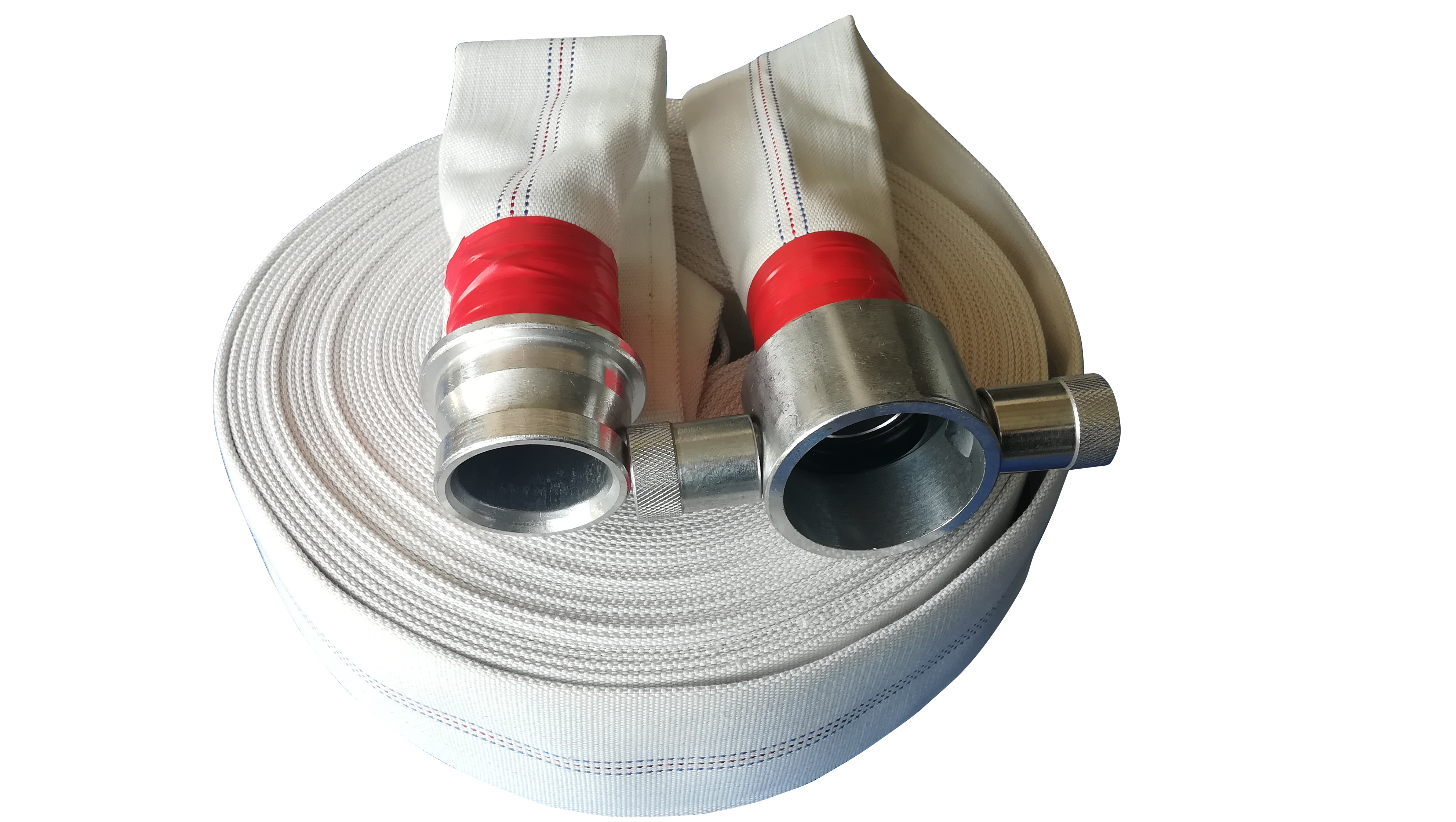
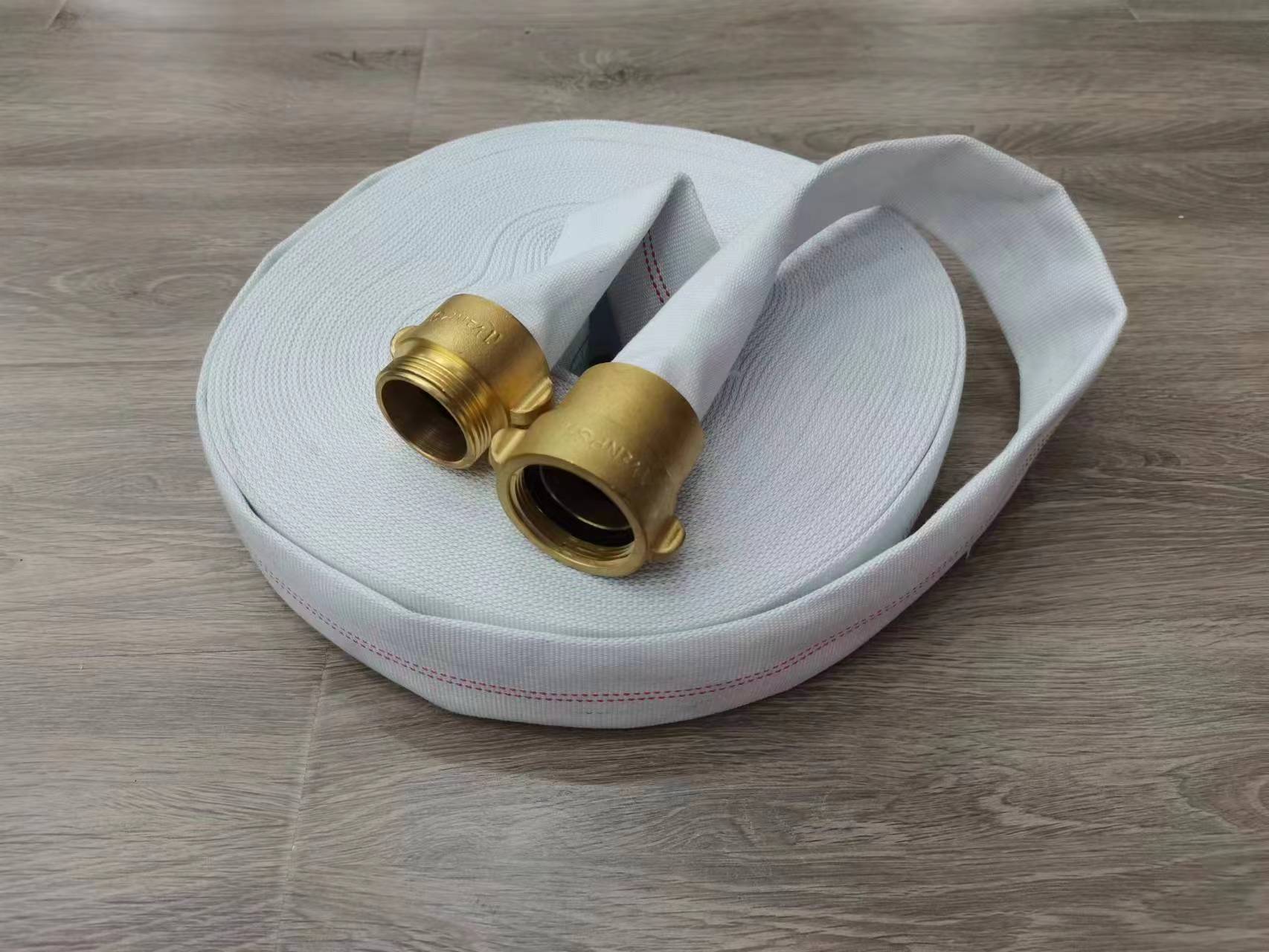
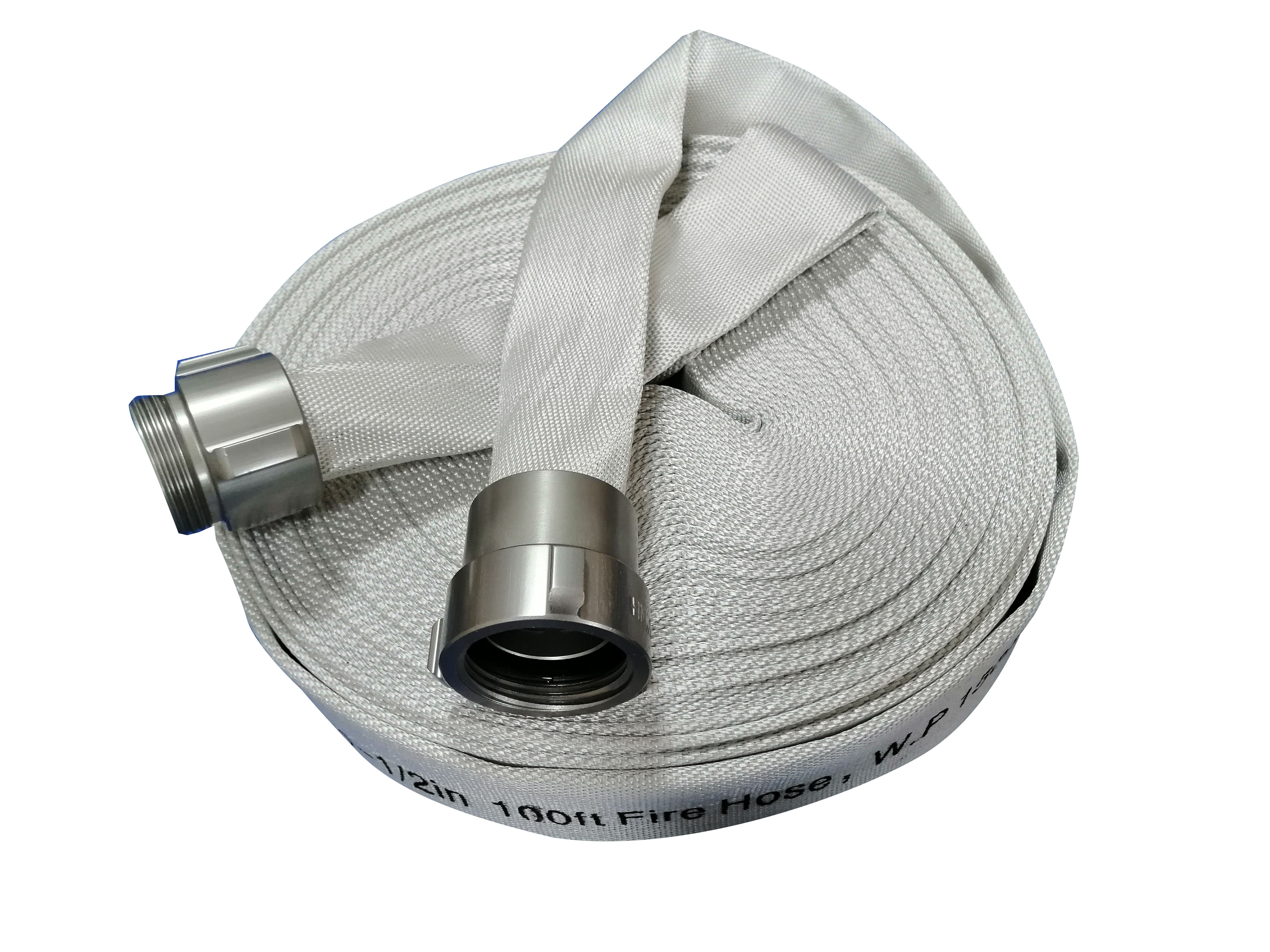
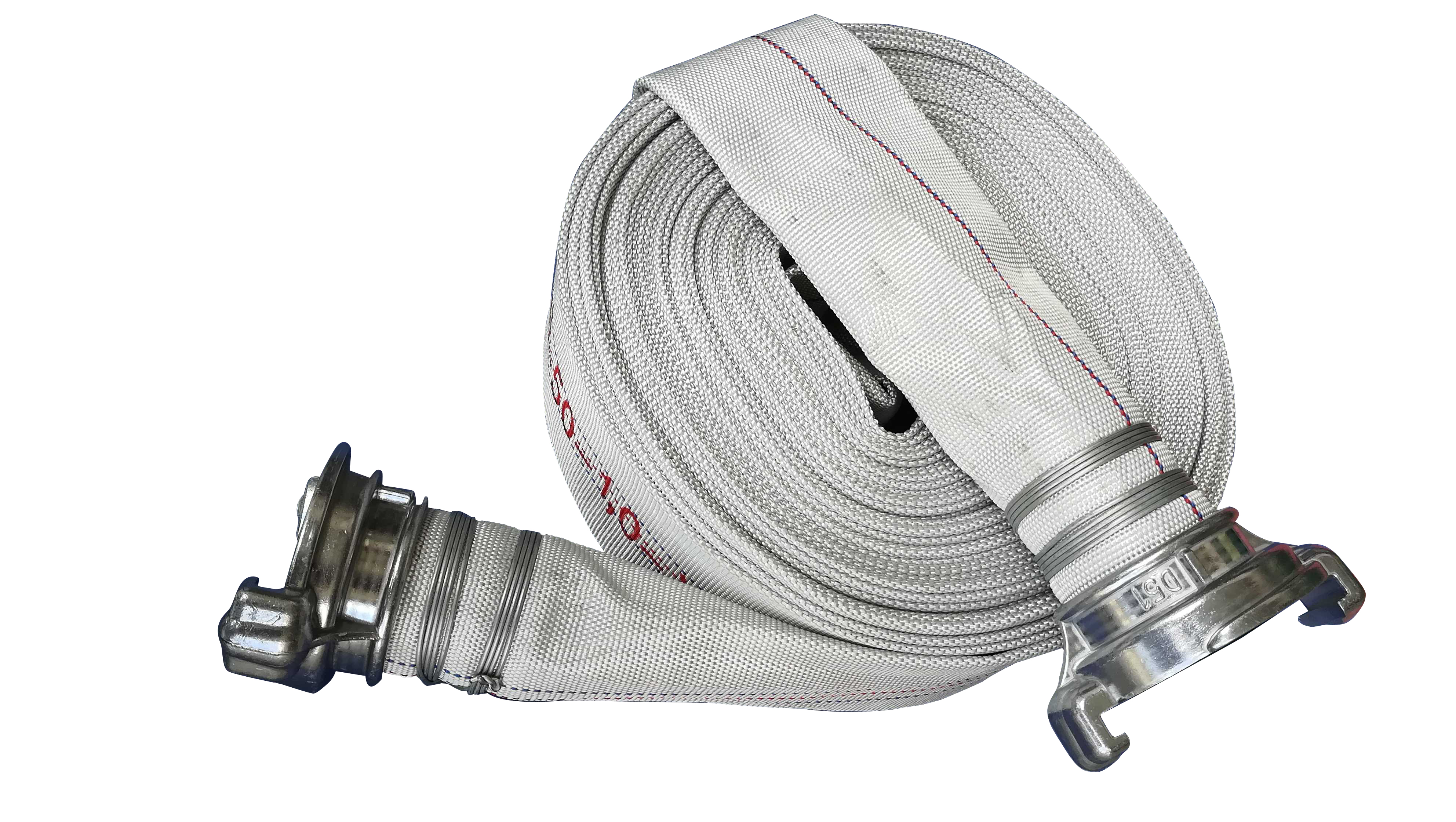
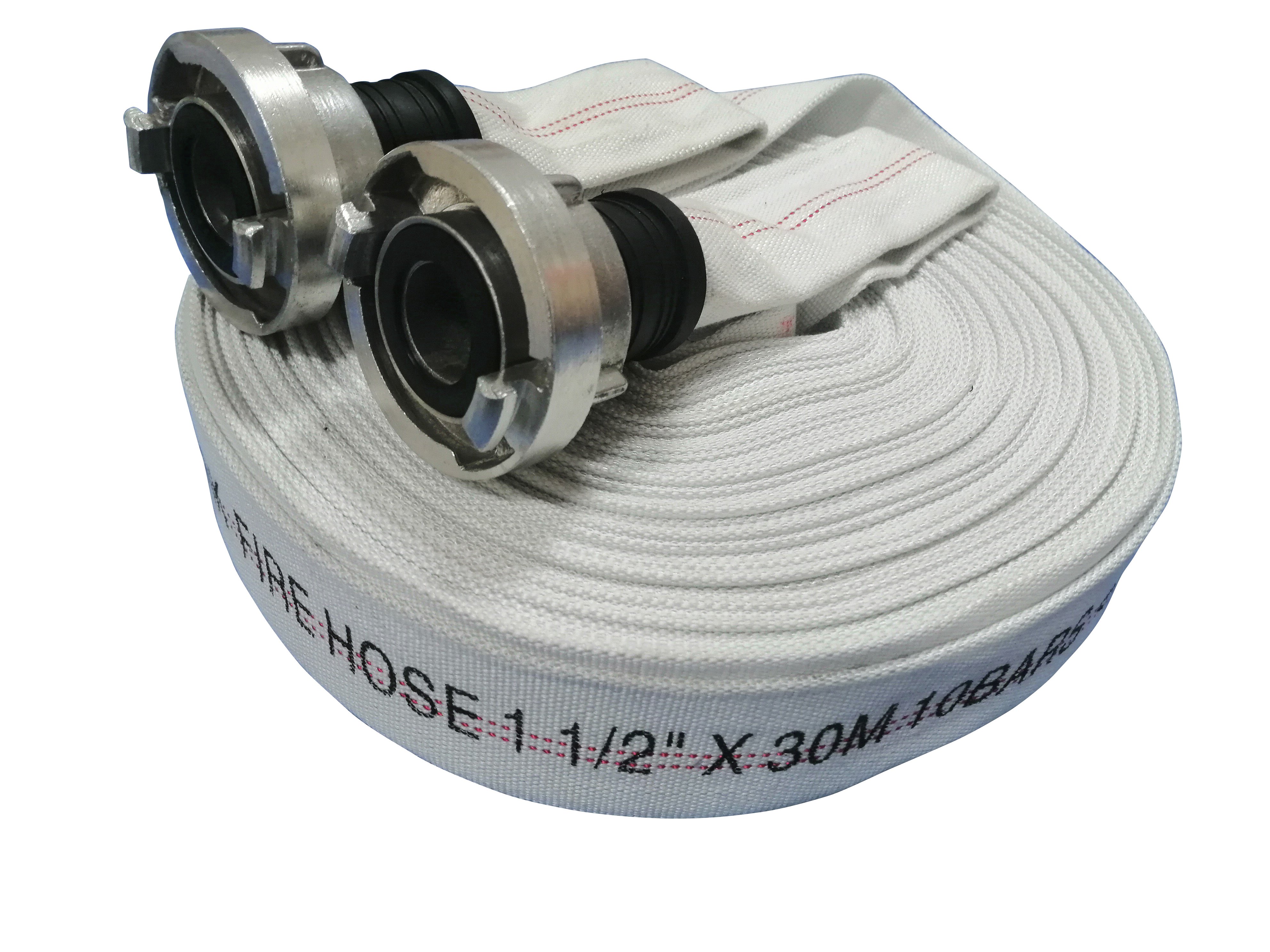
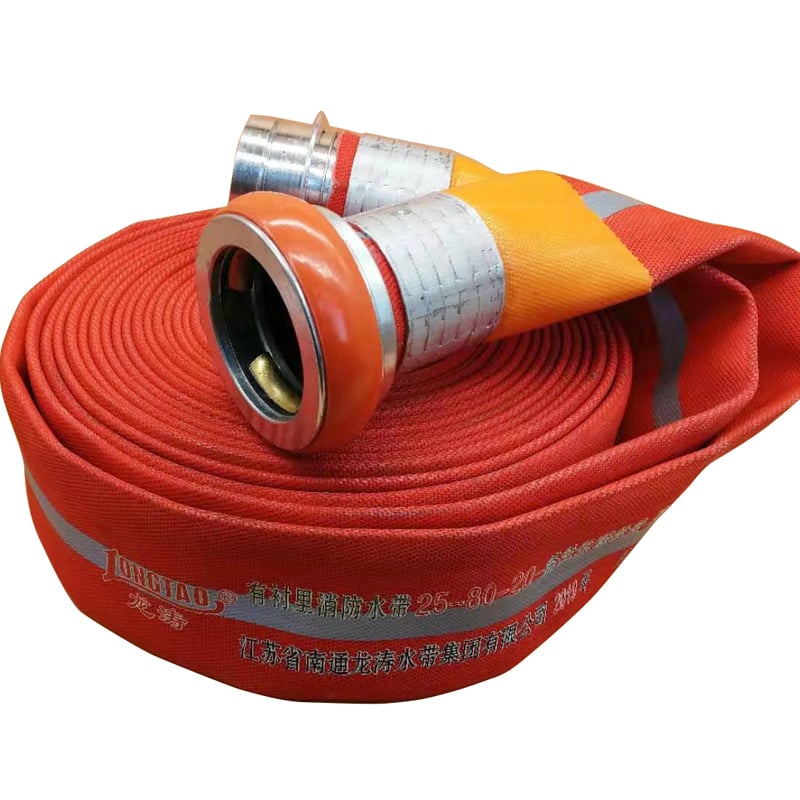
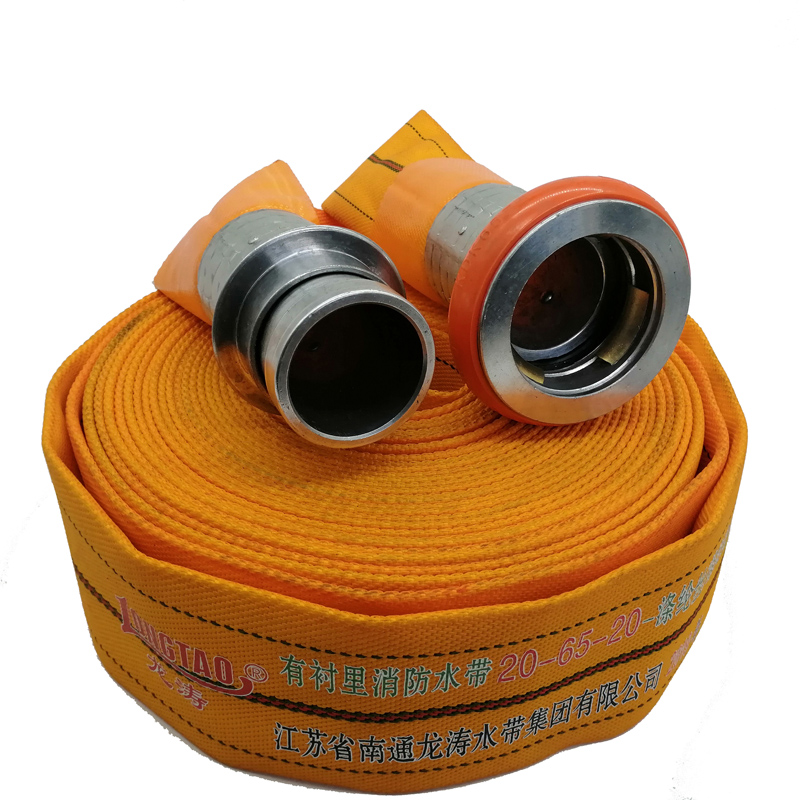
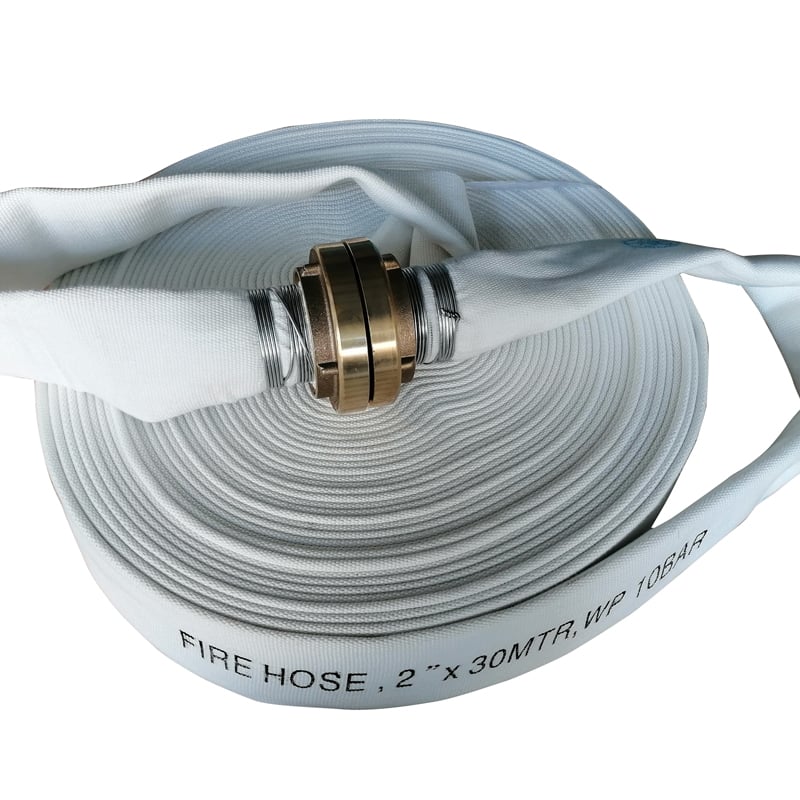
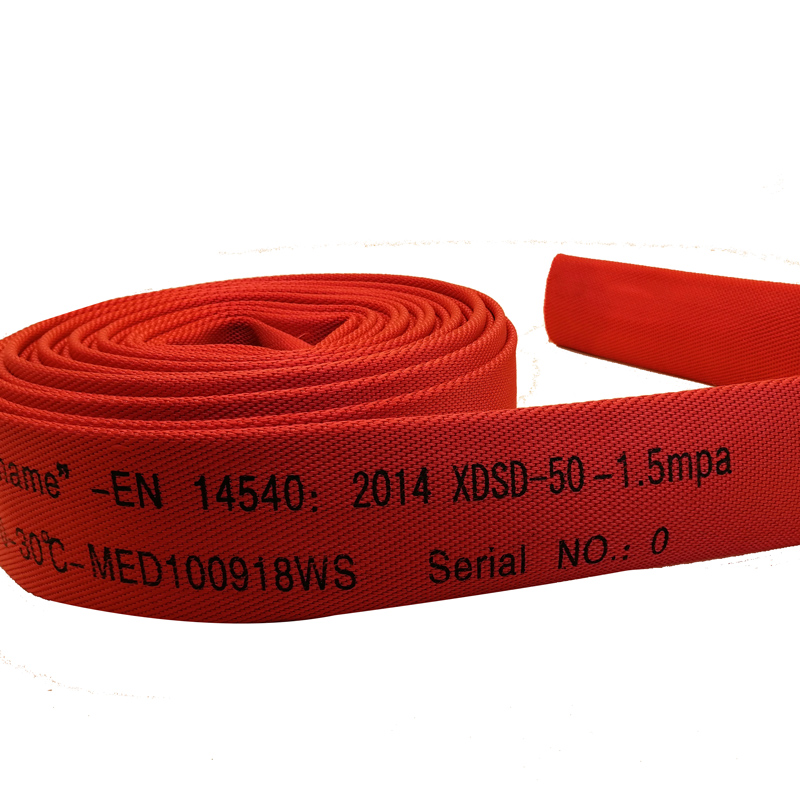
Fire hydrant couplings are essential components in firefighting systems, ensuring that hoses can be securely attached to hydrants for efficient water flow during emergencies. For B2B purchasing managers, engineers, and distributors, understanding the specifications, sourcing options, and potential issues related to fire hydrant couplings is crucial for making informed purchasing decisions. This article will guide you through the key considerations when selecting fire hydrant couplings, sourcing reliable suppliers, addressing common problems, evaluating cost factors, and understanding the advantages of different materials.
Selecting the appropriate fire hydrant coupling involves understanding the specific requirements of your project. Key factors to consider include:
Size and Compatibility: Ensure that the coupling matches the hydrant connection size and the hose diameter. Common sizes include 2.5 inches or 4 inches for municipal hydrants, but confirmation with the specifications is necessary as these can vary by region.
Material Specifications: The coupling material affects durability and performance. Common materials include aluminum, brass, and stainless steel, each providing different levels of corrosion resistance and strength. For example, aluminum couplings are lightweight and resistant to rust, making them ideal for portable applications, while stainless steel offers superior strength in harsh environments.
Connection Type: plastic fire hydrant couplings can be threaded, clamp-type, or quick-connect. The choice depends on the intended use and the speed at which connections need to be made during emergencies.
Pressure Ratings: Couplings must withstand the pressures expected during firefighting operations. Review the pressure ratings, ensuring they meet or exceed the operational requirements.
Customization Needs: If your project has unique specifications, such as specific pressure ratings or materials, look for manufacturers that offer customization options. Jiangsu Nantong Longtao Fire-Hose Group Co., Ltd. specializes in custom fire equipment, which caters to varying project demands.
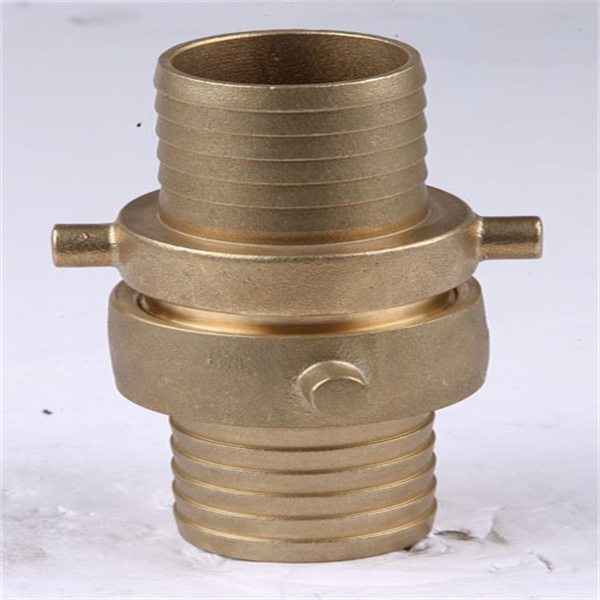
When sourcing fire hydrant couplings, reliability and quality are paramount. Here are some steps to identify trustworthy suppliers:
Research and References: Start by researching potential suppliers online and seeking reviews or testimonials from previous clients. Look for companies with a proven track record in the fire safety industry.
Certifications and Standards: Verify that suppliers adhere to industry standards. Certifications such as ISO or UL can indicate a commitment to quality and safety. Jiangsu Nantong Longtao Fire-Hose Group Co., Ltd., recognized for its quality-first principles, may be a compelling option.
Production Capabilities: Ensure that the supplier has the capacity to meet your order size and customization needs. Inquire about their annual production capacity and lead times to assess if they can meet your project deadlines.
Sample Approval: Request samples before placing a bulk order. This allows you to evaluate the quality, fit, and performance of the couplings in real-world conditions.
Communication and Support: Choose a supplier that offers clear communication and support throughout the purchasing process. A responsive supplier can help address any questions or issues that may arise.
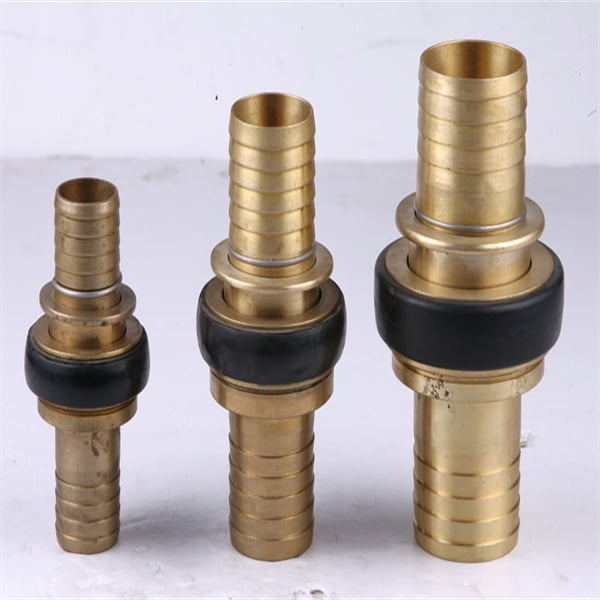
While fire hydrant couplings are designed for durability, issues can sometimes arise. Here are common problems and their solutions:
Corrosion and Wear: Couplings made from inferior materials may corrode over time, leading to leaks. To prevent this, select high-quality materials like stainless steel or high-grade aluminum that can withstand environmental factors.
Improper Sealing: A poor seal can lead to water loss during firefighting operations. Regular inspection and maintenance are crucial. Ensure couplings have quality gaskets or seals, and replace them as needed to maintain a tight fit.
Compatibility Issues: Mismatched sizes or connection types can lead to operational failures. Always verify the fire hydrant supplies specifications before purchasing. If unsure, consult with your supplier for compatibility checks.
Difficulties in Connection: If couplings are difficult to attach or detach, it may slow down emergency response times. Consider couplings designed for easy operation, such as quick-connect models, especially in high-pressure situations.
Understanding the cost structure of fire hydrant couplings is vital during procurement. Here are key factors that influence pricing:
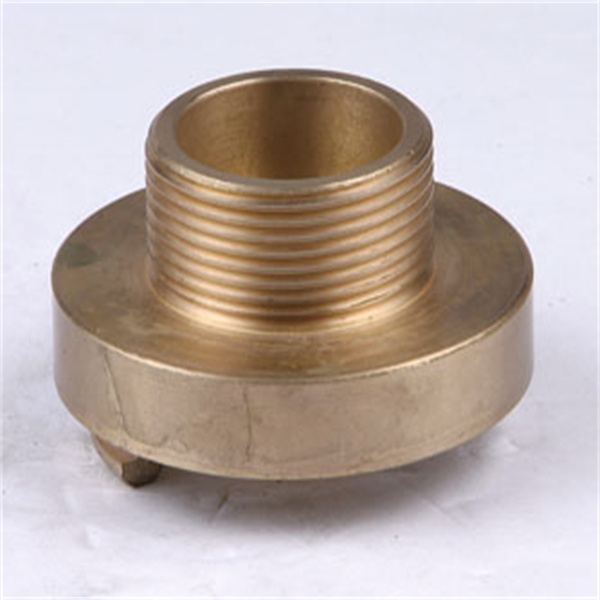
Material Costs: The choice of material significantly impacts the price. For example, brass couplings tend to be more expensive than aluminum due to their durability and corrosion resistance.
Customization Fees: If your project requires custom couplings, additional costs may apply. Discuss customization options with your supplier early in the negotiation process to understand these costs.
Order Volume: Larger orders often qualify for bulk pricing discounts. Evaluating your needs and leveraging order volume can lead to cost savings.
Shipping and Handling: Consider transportation costs, especially for international orders. Ensure you factor in these costs when comparing supplier quotes.
Maintenance and Longevity: While initial costs are important, consider the long-term value. Investing in higher-quality couplings may reduce maintenance costs and the need for replacements, ultimately leading to savings.
The company places a strong emphasis on quality, which is fundamental to its survival and success. It is dedicated to the manufacturing, production, and research and development of fire-fighting equipment, including custom-made solutions for domestic and foreign professional fire brigades. The company holds multiple patent certificates for its independently developed intellectual property products, showcasing its innovative capabilities and commitment to advancing fire safety technology.
With an annual production capacity of 10 million meters of fire hose and 7,000 sets of fire hydrant boxes, the company demonstrates its ability to meet large-scale demands efficiently. The product range is extensive, including lined fire hoses (single and double jacket), double-coated fire hoses, fire hose reels, plastic-coated hoses, spray fire hoses, garden hoses, and specialized nozzles and couplings that meet various international standards. This diversity allows the company to cater to a wide array of customer needs across different markets.
Jiangsu Nantong Longtao Fire-Hose Group Co., Ltd. has successfully exported its high-quality products to numerous countries, including the United States, Germany, Italy, Russia, South Korea, Japan, Vietnam, and the Middle East. The company adheres to a customer-first philosophy, offering high-quality, cost-effective products and services. Its commitment to honest cooperation and mutual benefit ensures long-term partnerships and a win-win situation for both the company and its clients. This global presence and customer-centric approach highlight the company's ability to compete and thrive in the international market.
Jiangsu Nantong Longtao Fire-Hose Group Co., Ltd. is officially recognized by the Ministry of Public Security as a designated enterprise for the production of fire hoses, fire hydrants, and fire boxes. This designation underscores the company's compliance with stringent national standards and its commitment to producing high-quality fire safety equipment. Being a government-designated enterprise also reflects the company's reliability and trustworthiness in the industry.
The material used in fire hydrant couplings plays a vital role in their performance and longevity. Here are some common materials and their advantages:
Aluminum: Lightweight and resistant to rust, aluminum couplings are ideal for portable fire equipment. They provide excellent performance in various weather conditions but may need protective coatings to enhance durability.
Brass: Known for its corrosion resistance, brass is commonly used in couplings that require longevity. It offers good strength and is less prone to wear, making it suitable for long-term applications.
Stainless Steel: For the most demanding environments, stainless steel couplings provide unmatched strength and corrosion resistance. They are ideal for high-pressure applications and environments with extreme temperatures.
Composite Materials: Some manufacturers offer couplings made from composite materials, which can provide lightweight options without sacrificing strength. These may be suitable for specific applications where traditional metals are less desirable.
Customization Options: Depending on the fire hydrant supplies manufacturer's capabilities, you may be able to request specific material blends or coatings for enhanced performance in particular environments, such as those exposed to chemicals or saline conditions.
fire hydrant couplings are critical components of emergency response systems, and understanding their specifications, sourcing options, and common issues will aid in making informed purchasing decisions. By selecting the right materials and ensuring compatibility with your project needs, you can enhance the efficiency and reliability of your firefighting equipment.

Welcome to Jiangsu Nantong Longtao, we are a leading manufacturer specialize in fire hoses, fire hydrants and fire boxes.
No.888 Renmin South Road, Dayu Town,Rudong County, Nantong City, Jiansu Province
Copyright © EVERBRIGHT FIRE-FIGHTING EQUIPMENT(NANTONG)CO., LTD. All Rights Reserved
 EN
 AR
 FR
 DE
 KO
 CS
 DA
 NL
 FI
 EL
 IT
 JA
 NO
 PL
 PT
 RO
 RU
 ES
 SV
 TL
 IW
 ID
 LV
 LT
 SR
 SK
 SL
 UK
 SQ
 ET
 HU
 TH
 TR
 FA
 AF
 IS
 MK
 KA
 UR
 BN