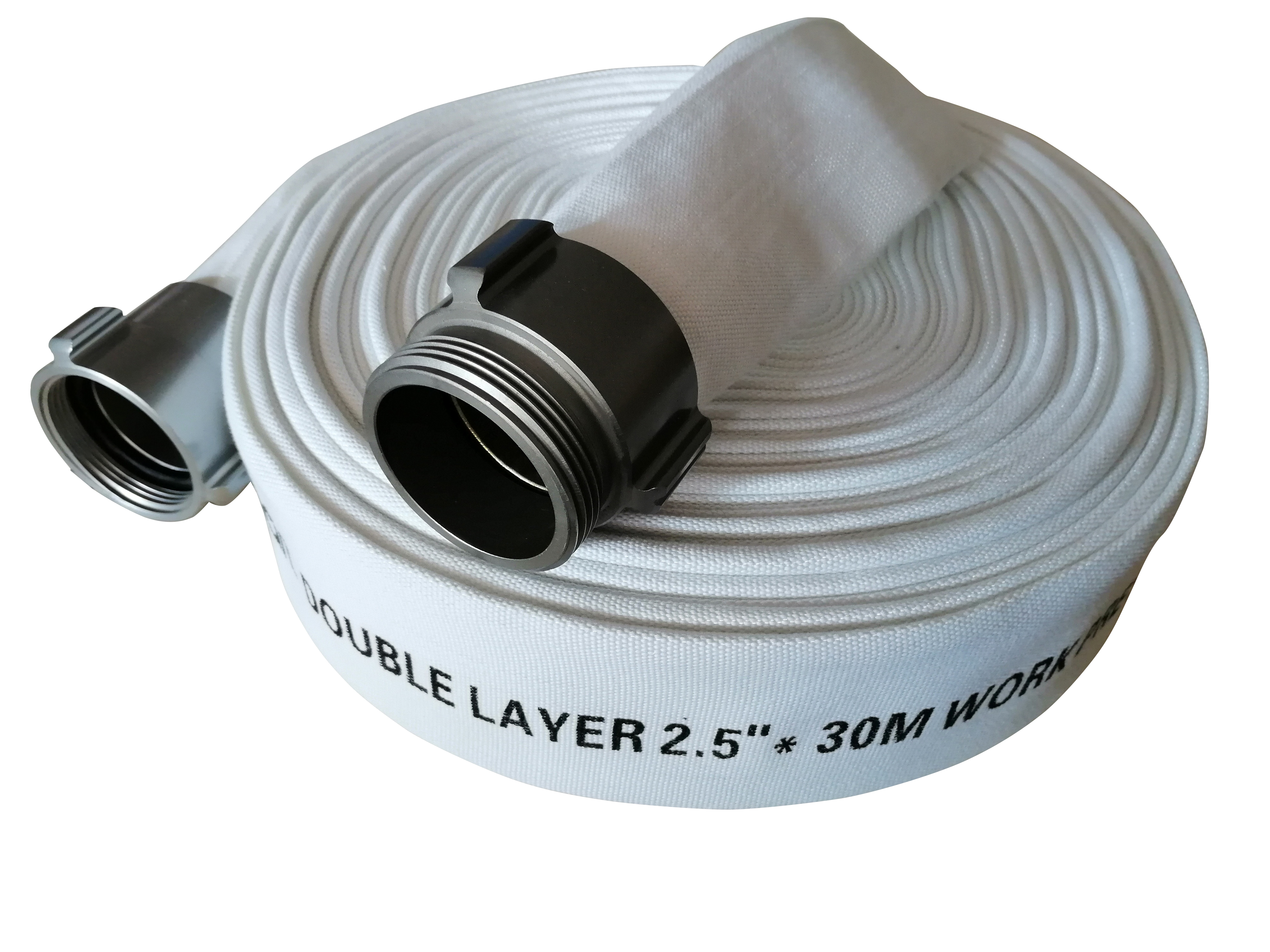
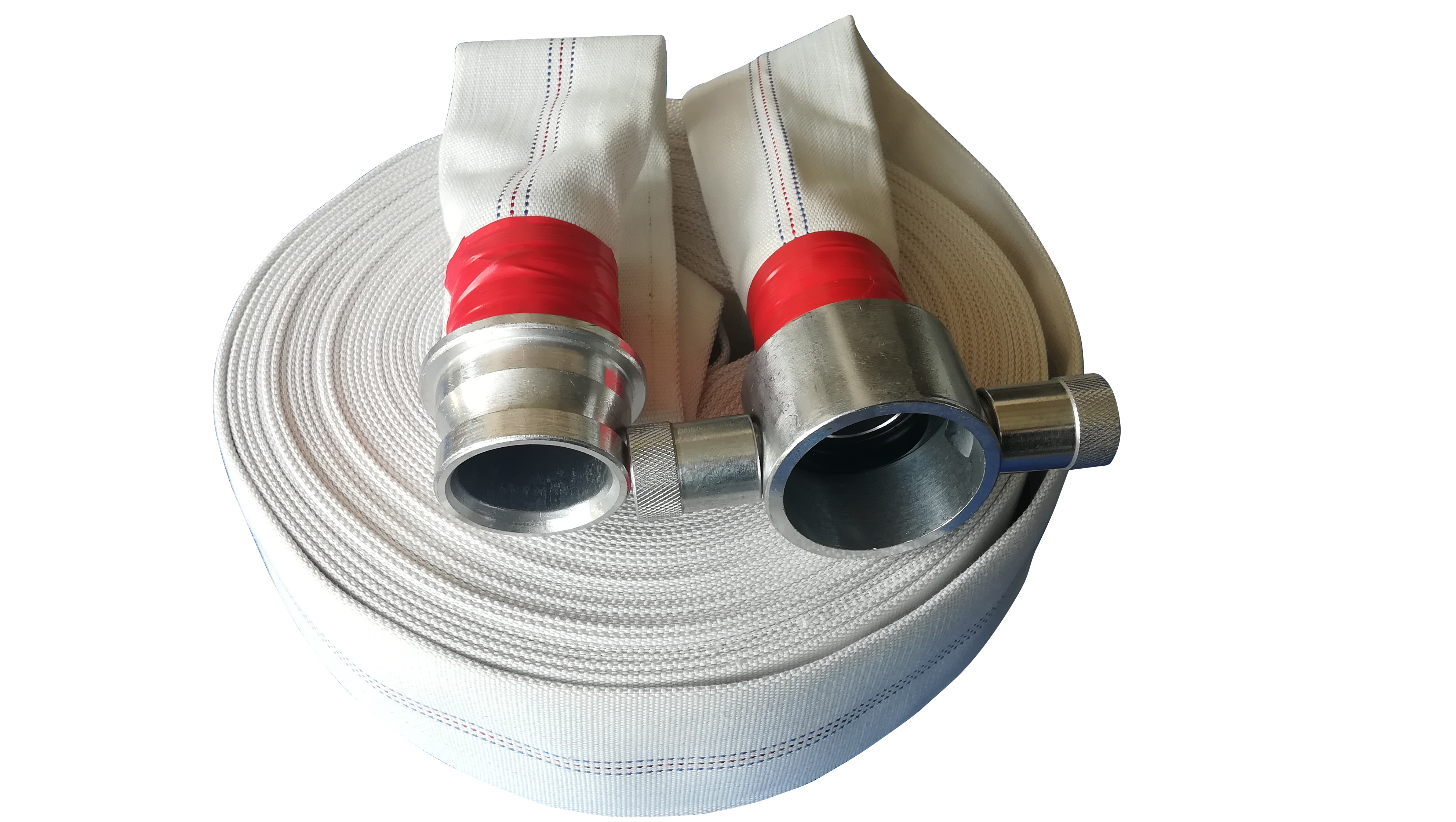
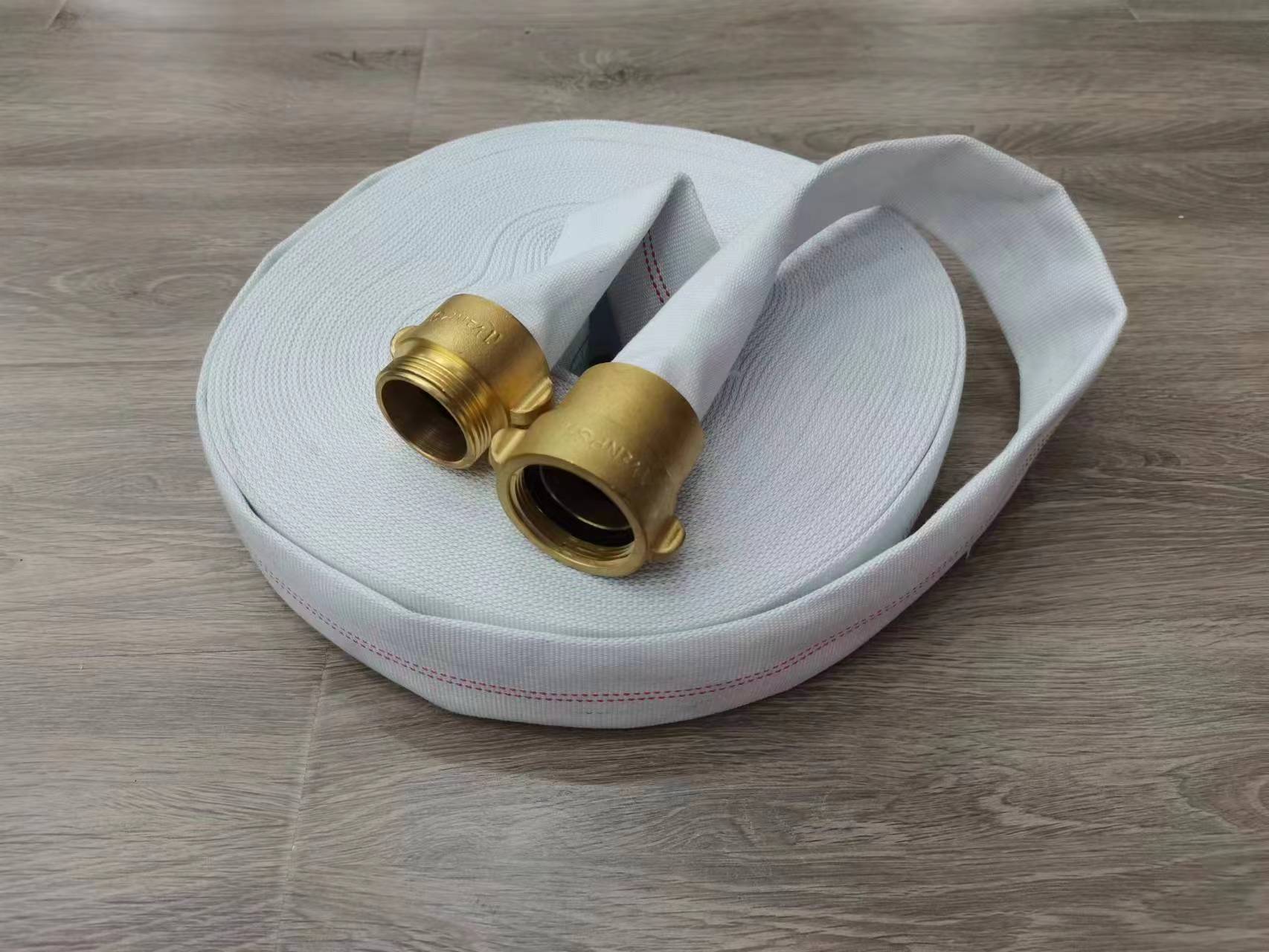
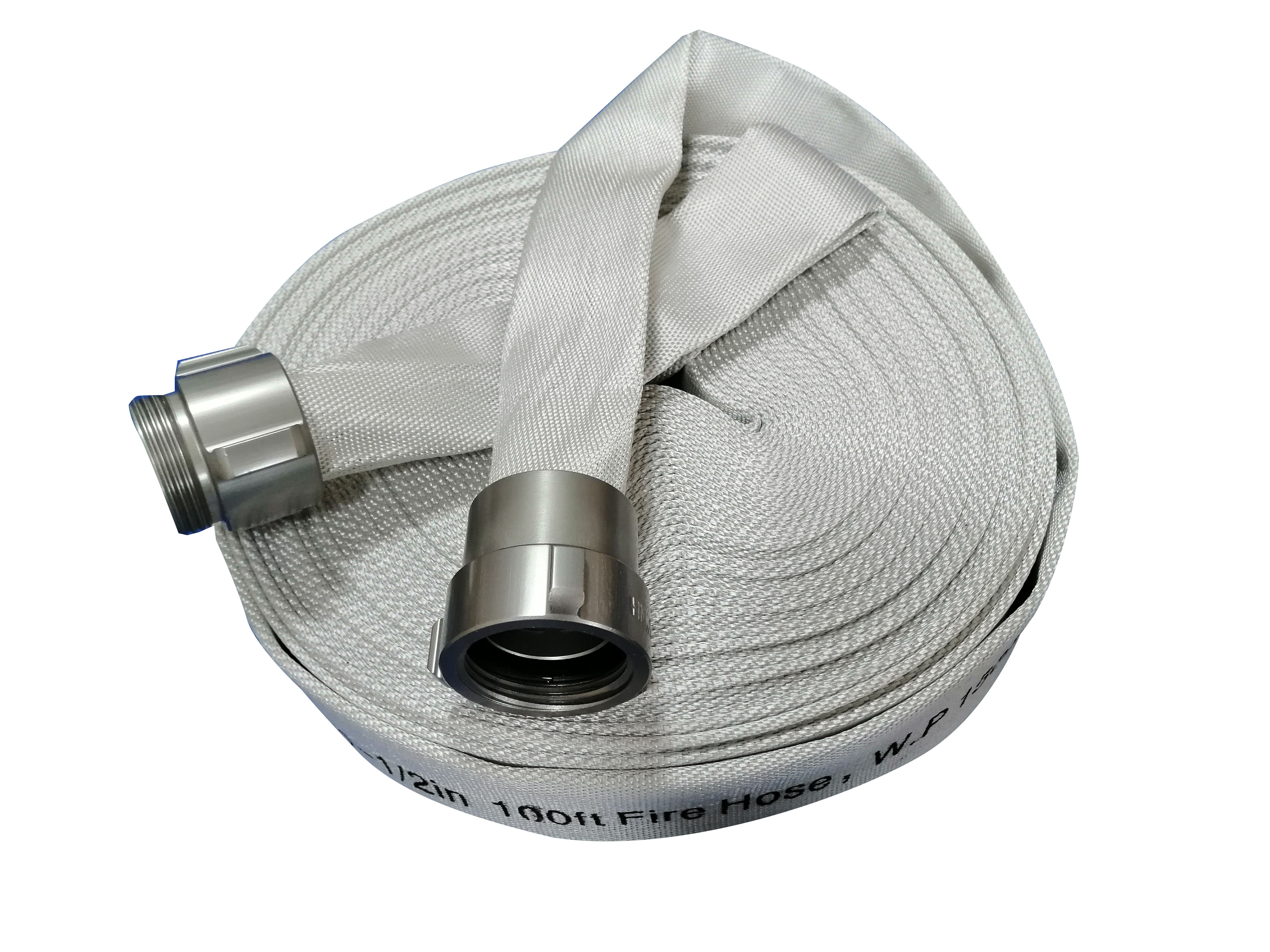
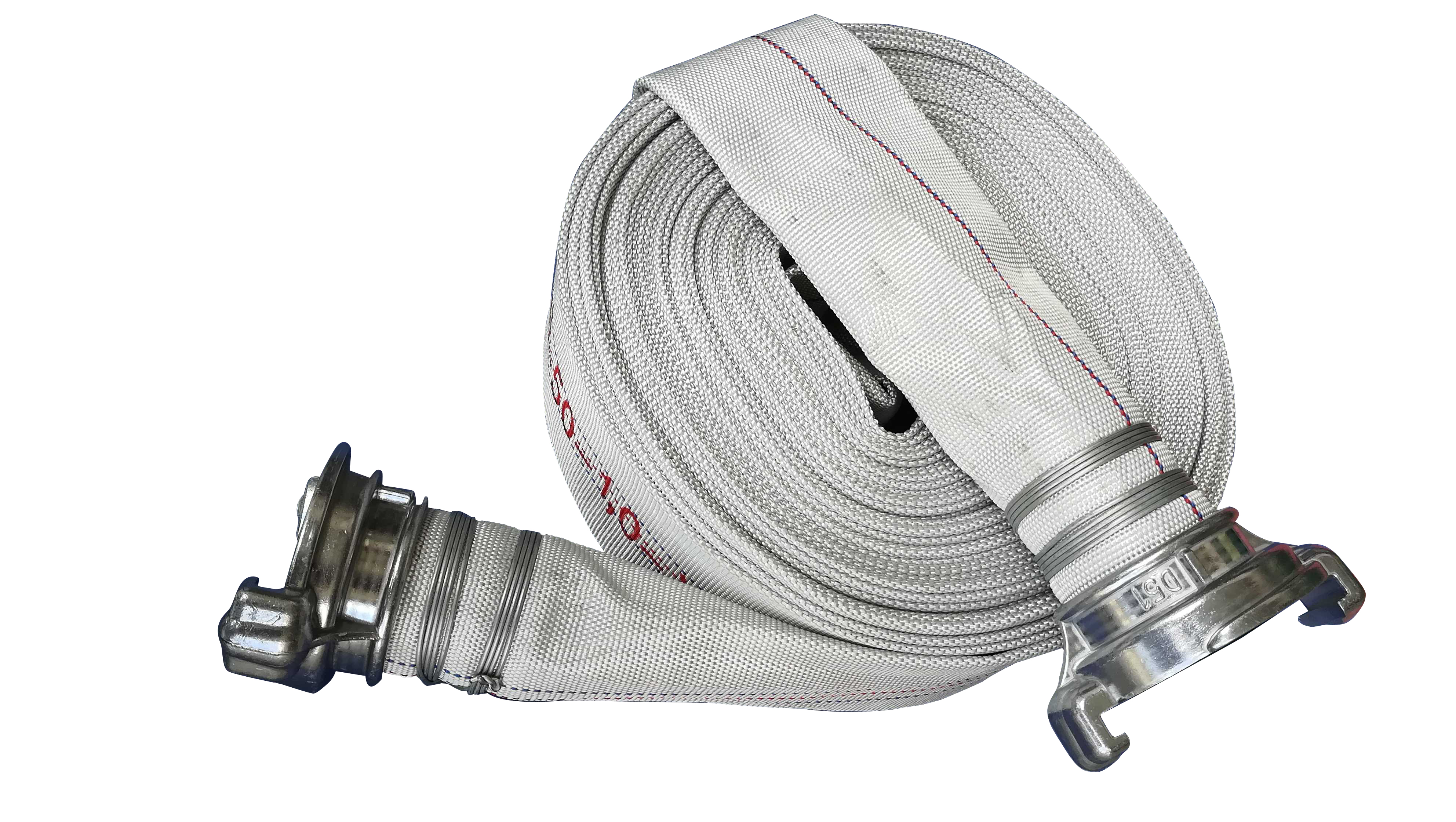
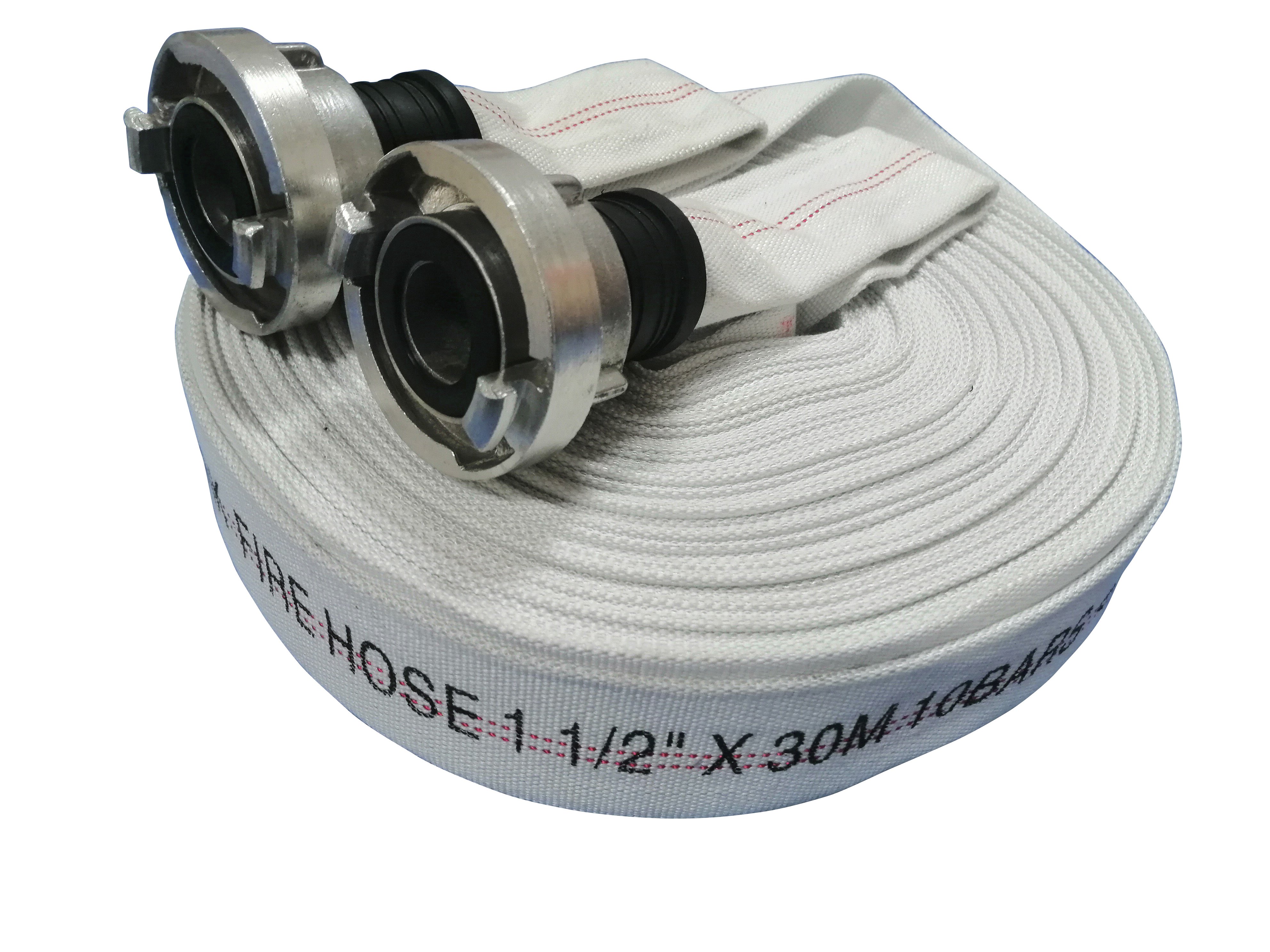
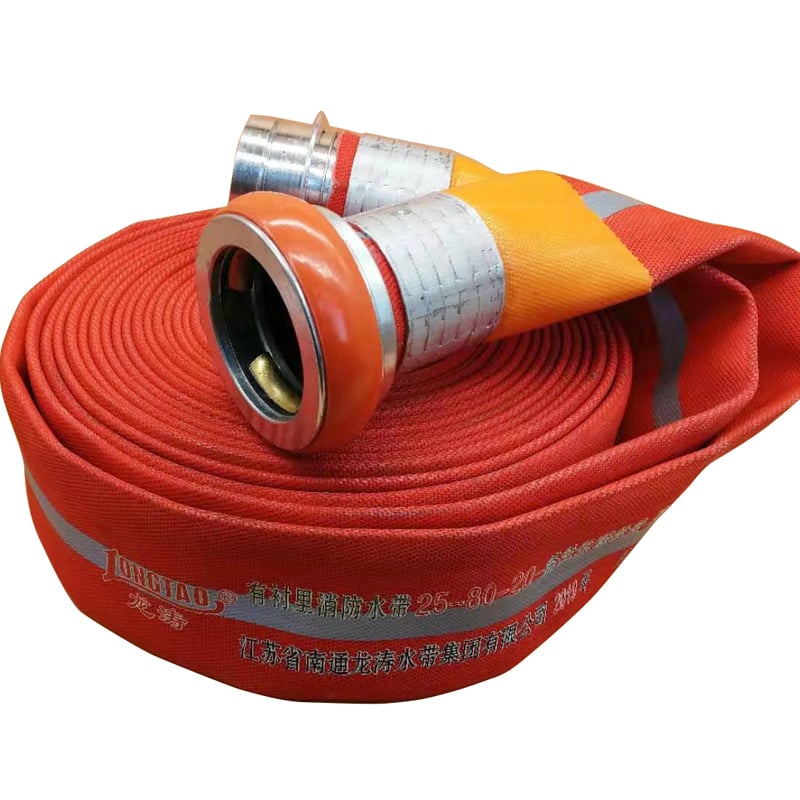
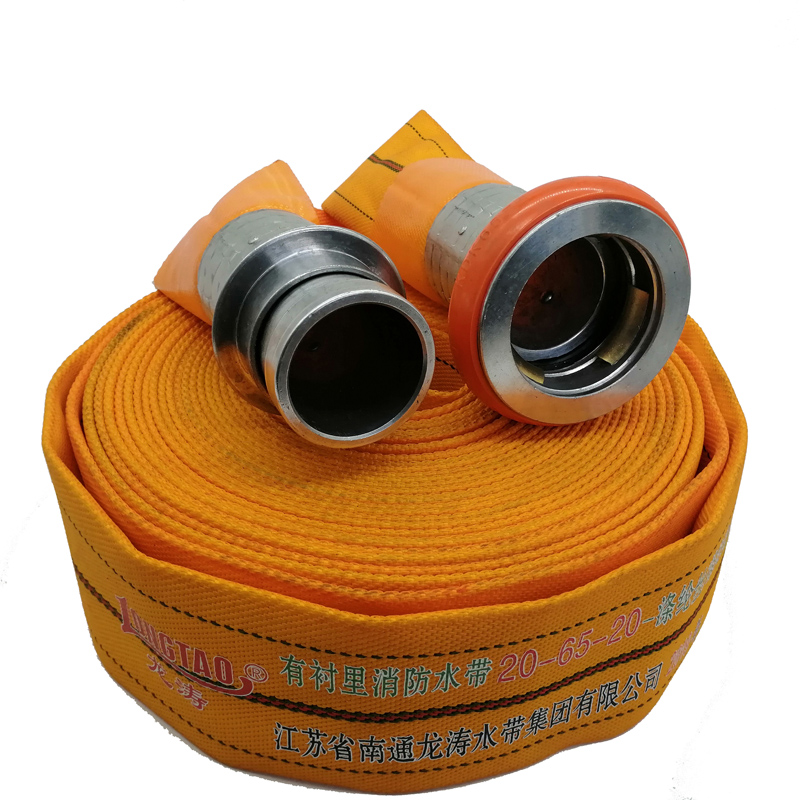
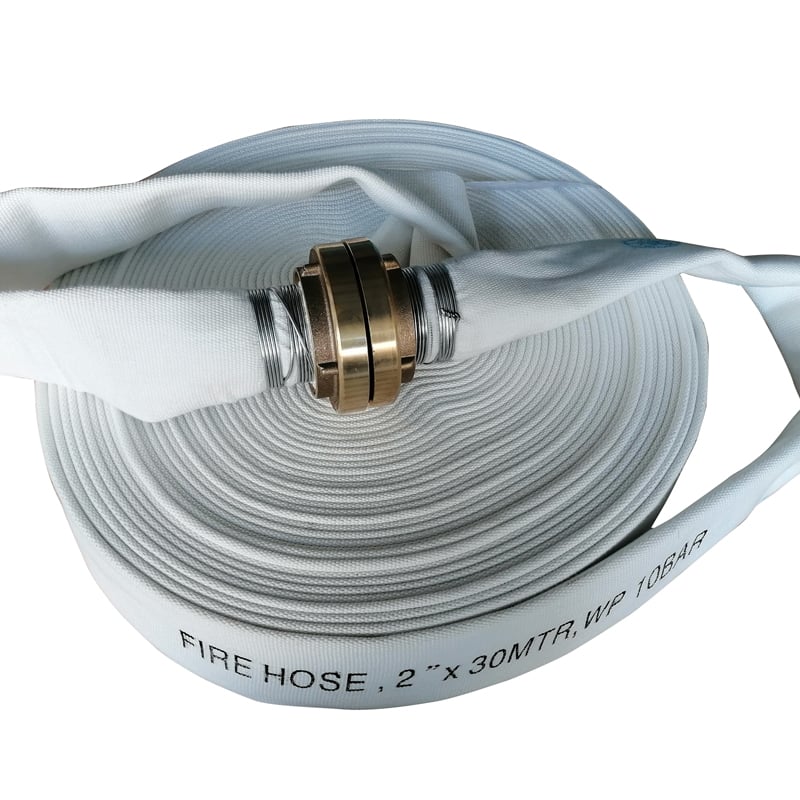
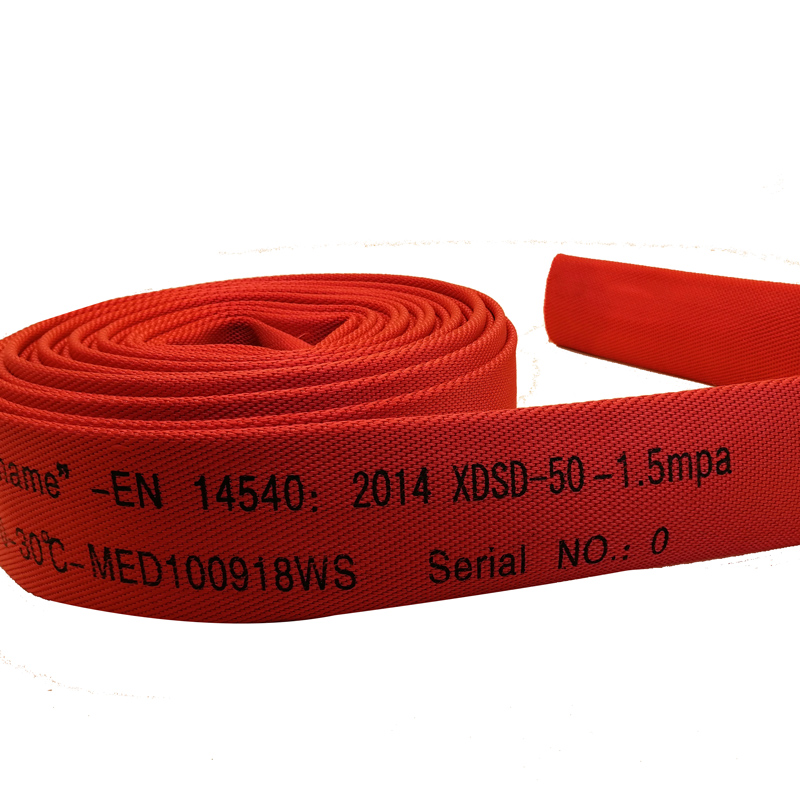
Fire hydrants are essential components of urban fire safety infrastructure, providing firefighters with rapid access to water in emergencies. For B2B buyers—such as purchasing managers, distributors, and engineers—understanding the key specifications, best practices, and common challenges associated with fire hose for fire hydrant is crucial for making informed purchasing decisions. This article will delve into what to consider when selecting fire hydrants, effective solutions for common issues, their applications, and a comparison of different materials used in their manufacturing.
When evaluating fire hydrants, several key specifications must be examined to ensure they meet operational requirements:
Flow Rate: Measured in gallons per minute (GPM), the flow rate is crucial as it indicates how much water the hydrant can deliver. Buyers should consider the specific needs of their local fire department and ensure the hydrant can meet those demands.
Operating Pressure: The maximum operating pressure impacts how the hydrant will perform under different conditions. Buyers should confirm that the hydrant can operate effectively at local water supply pressures.
Material Composition: Fire hydrants are commonly made from materials like ductile iron, which provides strength and durability. Understanding the material is essential to assess how it will withstand environmental conditions and corrosion.
Dimensions and Connections: Ensure that the hydrant's dimensions fit the designated installation site and that the connection points are compatible with existing water supply systems.
Color and Visibility: Many jurisdictions have specific color codes for hydrants to indicate flow rates. This is not just a specification but also a practical consideration for ease of identification during emergencies.
Certification Standards: Check for compliance with national and local standards, such as those from the American Water Works Association (AWWA), to ensure quality and reliability.
Buyers should collaborate with manufacturers like Jiangsu Nantong Longtao Fire-Hose Group Co., Ltd., which offers various plastic fire hydrant models tailored to meet these specifications.
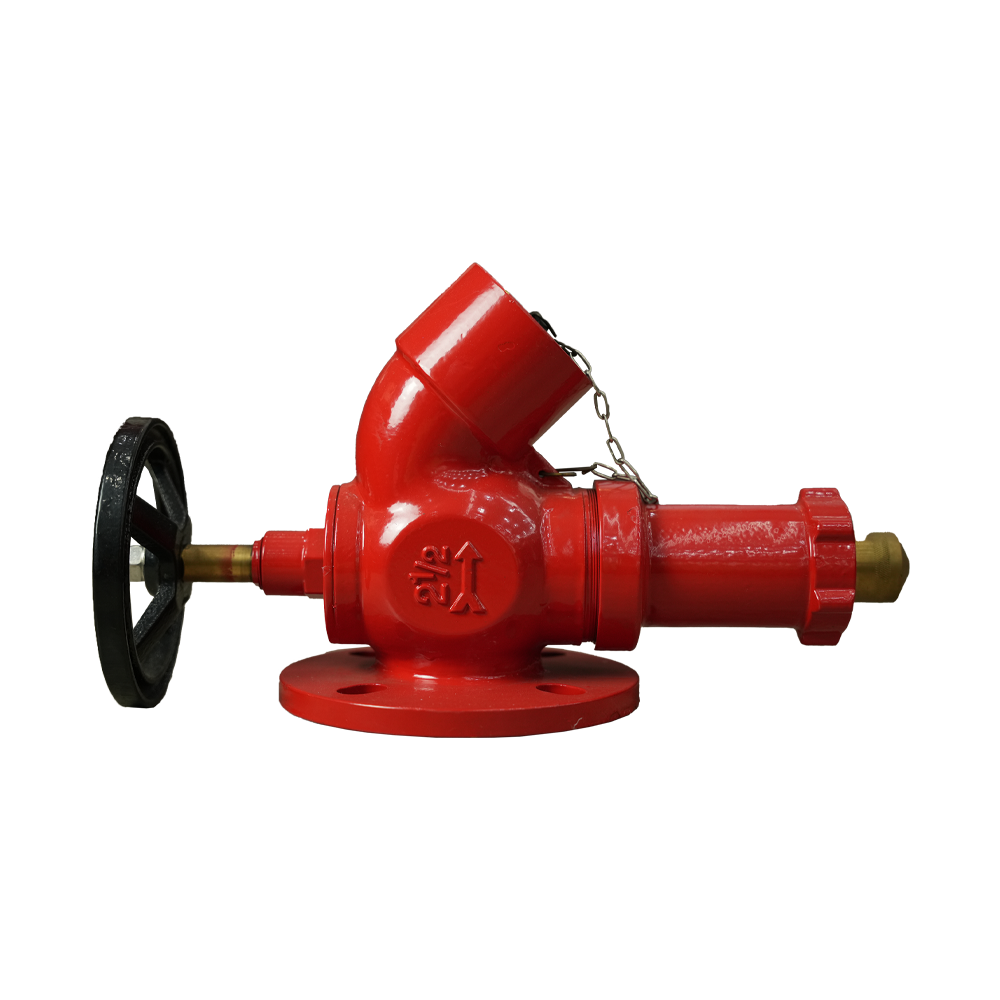
When purchasing fire hydrants, following best practices can significantly enhance the procurement process:
Request Samples: Before committing to a large order, request samples to evaluate performance in real-world conditions. Testing samples under actual operating pressure can reveal potential issues.
Evaluate Manufacturer Reputation: Choose manufacturers with proven industry experience and quality control processes. A supplier like Jiangsu Nantong Longtao, known for its independent IP patents and custom fire equipment, offers assurance of product reliability.
Understand Local Regulations: Familiarize yourself with local fire safety standards and regulations that may dictate specific requirements for hydrants, including installation and maintenance protocols.
Plan for Installation and Maintenance: Consider the ease of installation and the maintenance requirements of the hydrant. Fire hydrants should be easily accessible for regular checks and maintenance.
Consult Fire Safety Experts: Engage with fire safety professionals or local fire departments to understand what specifications are crucial for your specific application and environment.
By adhering to these best practices, buyers can enhance their procurement process and ensure they select the right fire hydrant for their needs.
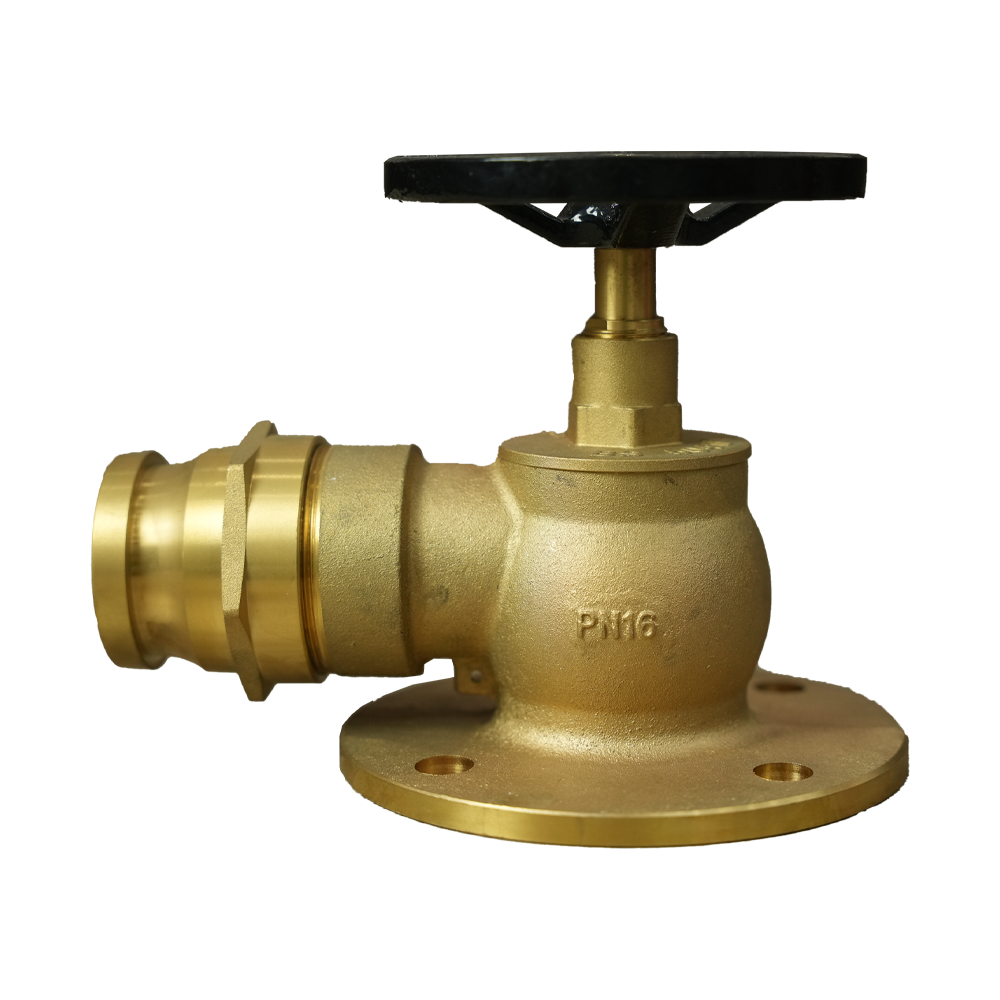
Fire hydrants can face several common problems that may hinder their performance. Understanding these issues and their solutions is critical:
Corrosion: Over time, fire hydrants can corrode, especially in areas with high salinity or acidic water. To combat this, manufacturers often apply protective coatings. Buyers should inquire about the coating materials used and their effectiveness in corrosive environments.
Frozen Components: In colder climates, hydrants can freeze, rendering them inoperable. Selecting hydrants designed to withstand low temperatures and ensuring proper installation can prevent this issue.
Clogs: Sediment and debris can accumulate in hydrants, obstructing water flow. Regular maintenance and flushing schedules should be established to mitigate this risk. Buyers should ensure the hydrant design allows for easy access and cleaning.
Damaged Caps: The caps on hydrants can be damaged during use. Buyers should consider hydrants with robust cap designs and materials that can withstand rough handling.
Flow Rate Variability: Inconsistent water pressure can affect the flow rate. It’s advisable to consult with local water authorities to understand the water supply conditions and choose a hydrant that can accommodate potential fluctuations.
By addressing these common problems with proactive solutions, buyers can ensure reliable fire hydrant gate valve performance.
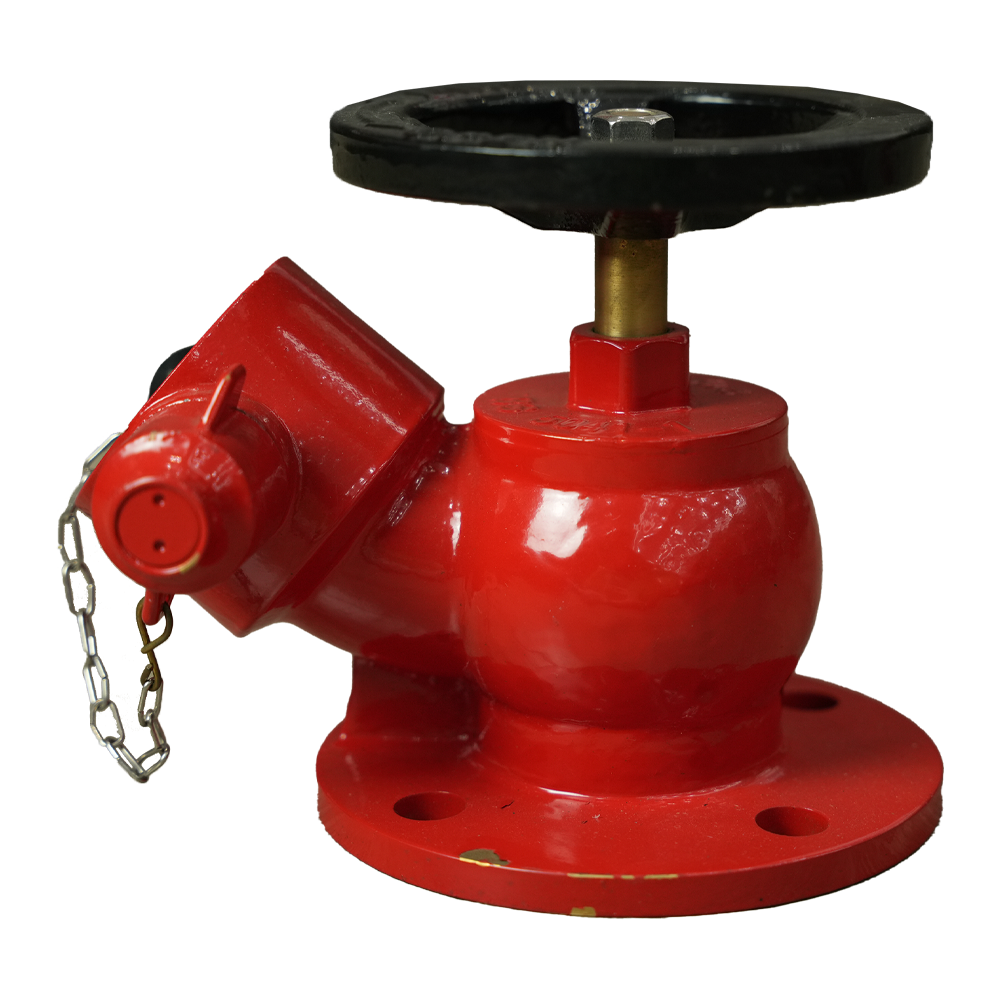
Fire hydrants are primarily used in urban and suburban areas for firefighting purposes, providing a critical water supply during emergencies. Their applications extend beyond firefighting:
Public Safety: Longtao fire hydrants are strategically placed along streets and in public areas to ensure rapid access for firefighting efforts. Their visibility and accessibility are crucial for effective emergency responses.
Industrial Use: In industrial settings, hydrants are also employed for safety measures, providing water for fire suppression systems or for cooling purposes in manufacturing processes.
Agricultural Applications: Fire hydrants can be used in agricultural settings to support irrigation systems or as a water source for firefighting in rural areas.
Municipal Infrastructure: Hydrants are integrated into municipal water supply systems, playing a role in maintaining water pressure and quality for various community needs.
When selecting fire hydrants, it’s essential to consider the specific application and environmental conditions to ensure optimal performance.
With an annual production capacity of 10 million meters of fire hose and 7,000 sets of fire hydrant boxes, the company demonstrates its ability to meet large-scale demands efficiently. The product range is extensive, including lined fire hoses (single and double jacket), double-coated fire hoses, fire hose reels, plastic-coated hoses, spray fire hoses, garden hoses, and specialized nozzles and couplings that meet various international standards. This diversity allows the company to cater to a wide array of customer needs across different markets.
Jiangsu Nantong Longtao Fire-Hose Group Co., Ltd. is officially recognized by the Ministry of Public Security as a designated enterprise for the production of fire hoses, fire hydrants, and fire boxes. This designation underscores the company's compliance with stringent national standards and its commitment to producing high-quality fire safety equipment. Being a government-designated enterprise also reflects the company's reliability and trustworthiness in the industry.
The company places a strong emphasis on quality, which is fundamental to its survival and success. It is dedicated to the manufacturing, production, and research and development of fire-fighting equipment, including custom-made solutions for domestic and foreign professional fire brigades. The company holds multiple patent certificates for its independently developed intellectual property products, showcasing its innovative capabilities and commitment to advancing fire safety technology.
Jiangsu Nantong Longtao Fire-Hose Group Co., Ltd. has successfully exported its high-quality products to numerous countries, including the United States, Germany, Italy, Russia, South Korea, Japan, Vietnam, and the Middle East. The company adheres to a customer-first philosophy, offering high-quality, cost-effective products and services. Its commitment to honest cooperation and mutual benefit ensures long-term partnerships and a win-win situation for both the company and its clients. This global presence and customer-centric approach highlight the company's ability to compete and thrive in the international market.
Fire hydrants are manufactured from various materials, each offering distinct advantages:
Ductile Iron: This is the most common material for fire hydrants due to its strength and durability. Ductile iron hydrants can withstand high pressures and provide excellent resistance to impact damage, making them suitable for urban environments.
Aluminum: Lightweight and resistant to corrosion, aluminum hydrants are ideal for areas with high salinity or other corrosive conditions. However, they may not be as strong as ductile iron, making them suitable for specific applications.
Plastic and Composite Materials: These newer materials offer lightweight solutions with good corrosion resistance. They are often used in specialized applications where weight savings are critical, though they may not be suitable for all environments.
Bronze: This material is often used for component parts due to its corrosion resistance and durability. Bronze fittings and valves can enhance the overall longevity of the hydrant.
When choosing the material for a fire hydrant, buyers should consider factors such as local environmental conditions, pressure requirements, and intended use to ensure the selected material aligns with performance expectations.
By understanding these material properties and their applications, buyers can make informed decisions that enhance fire safety in their respective environments.

Welcome to Jiangsu Nantong Longtao, we are a leading manufacturer specialize in fire hoses, fire hydrants and fire boxes.
No.888 Renmin South Road, Dayu Town,Rudong County, Nantong City, Jiansu Province
Copyright © EVERBRIGHT FIRE-FIGHTING EQUIPMENT(NANTONG)CO., LTD. All Rights Reserved
 EN
 AR
 FR
 DE
 KO
 CS
 DA
 NL
 FI
 EL
 IT
 JA
 NO
 PL
 PT
 RO
 RU
 ES
 SV
 TL
 IW
 ID
 LV
 LT
 SR
 SK
 SL
 UK
 SQ
 ET
 HU
 TH
 TR
 FA
 AF
 IS
 MK
 KA
 UR
 BN