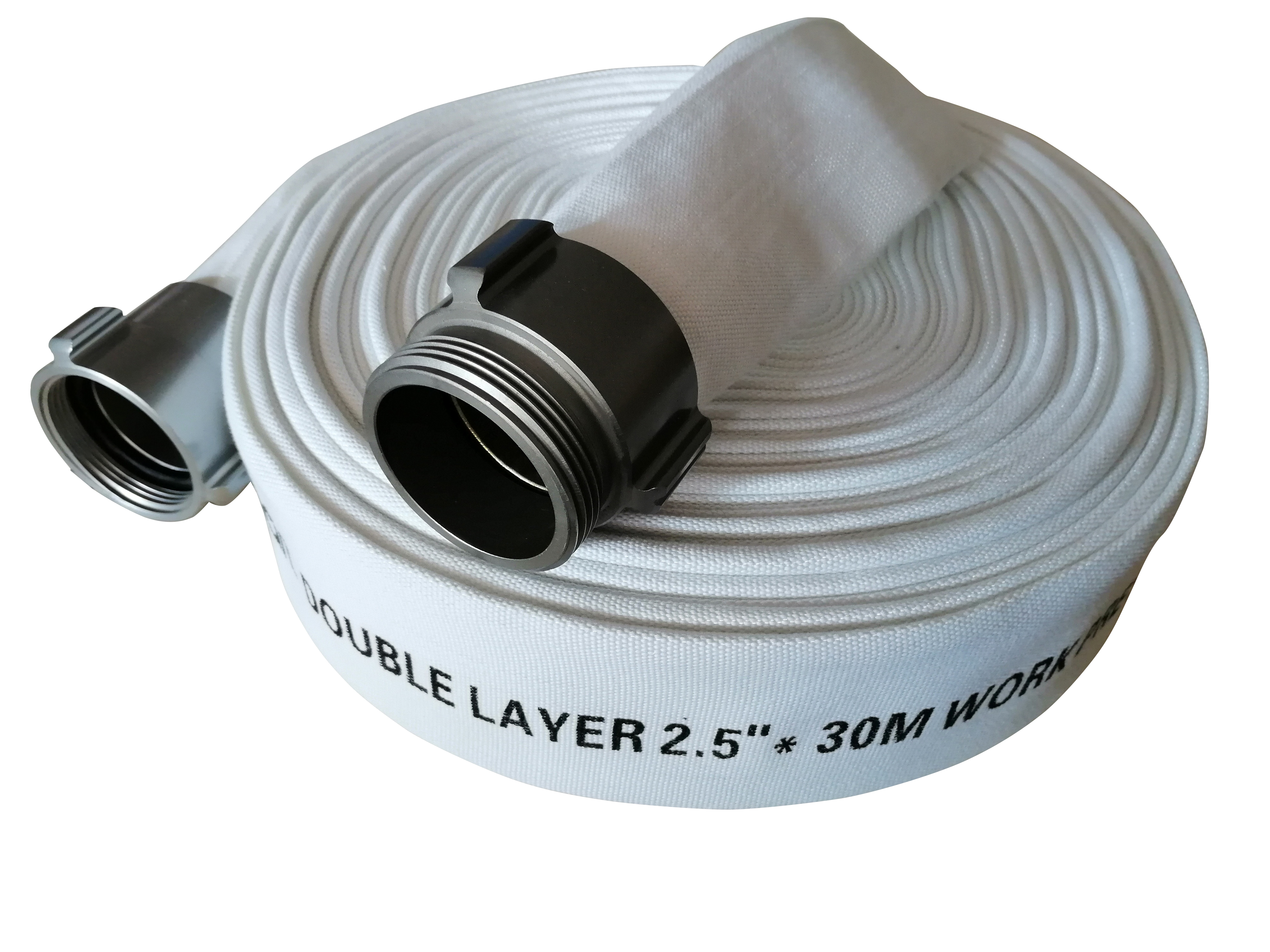
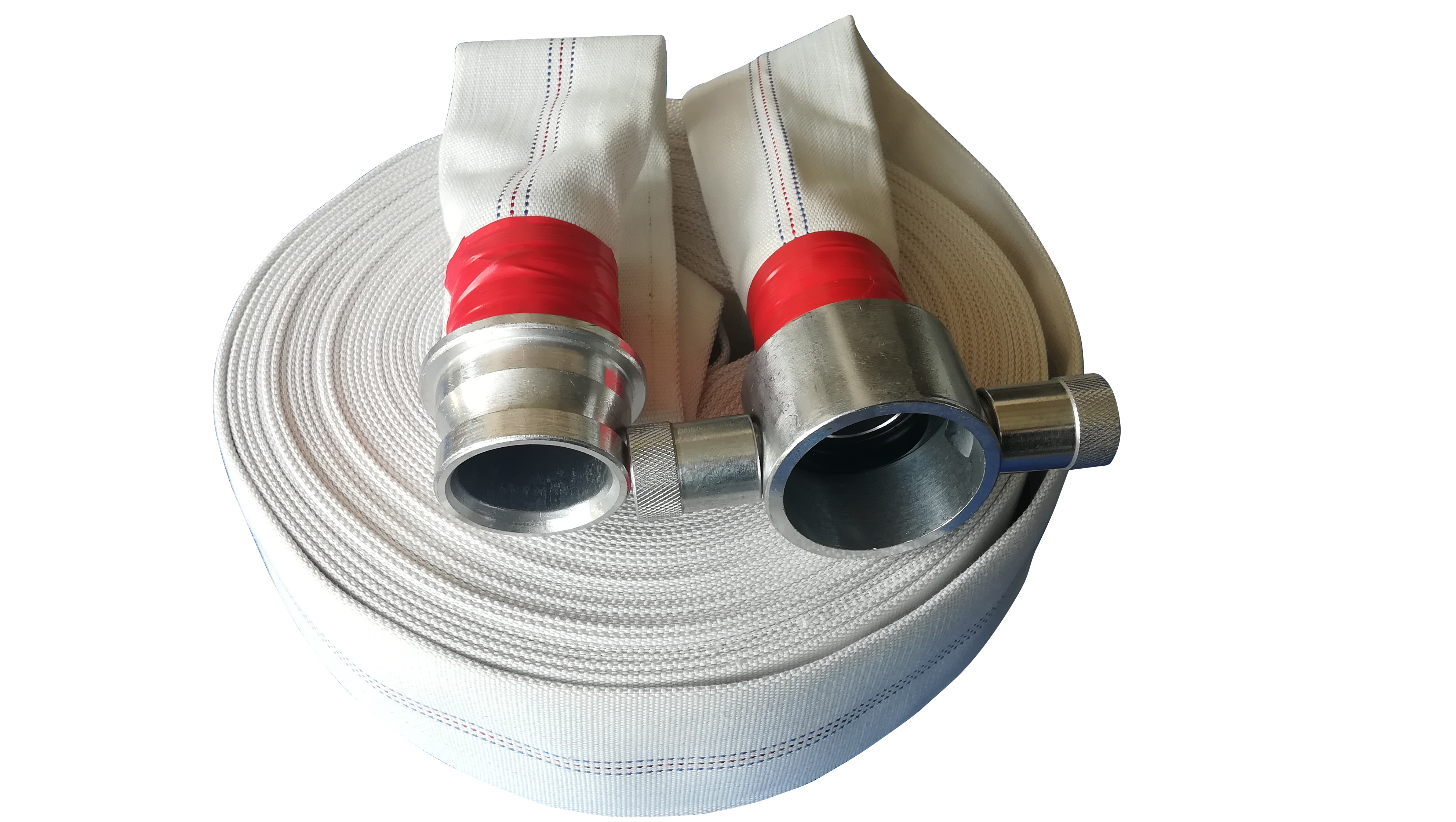
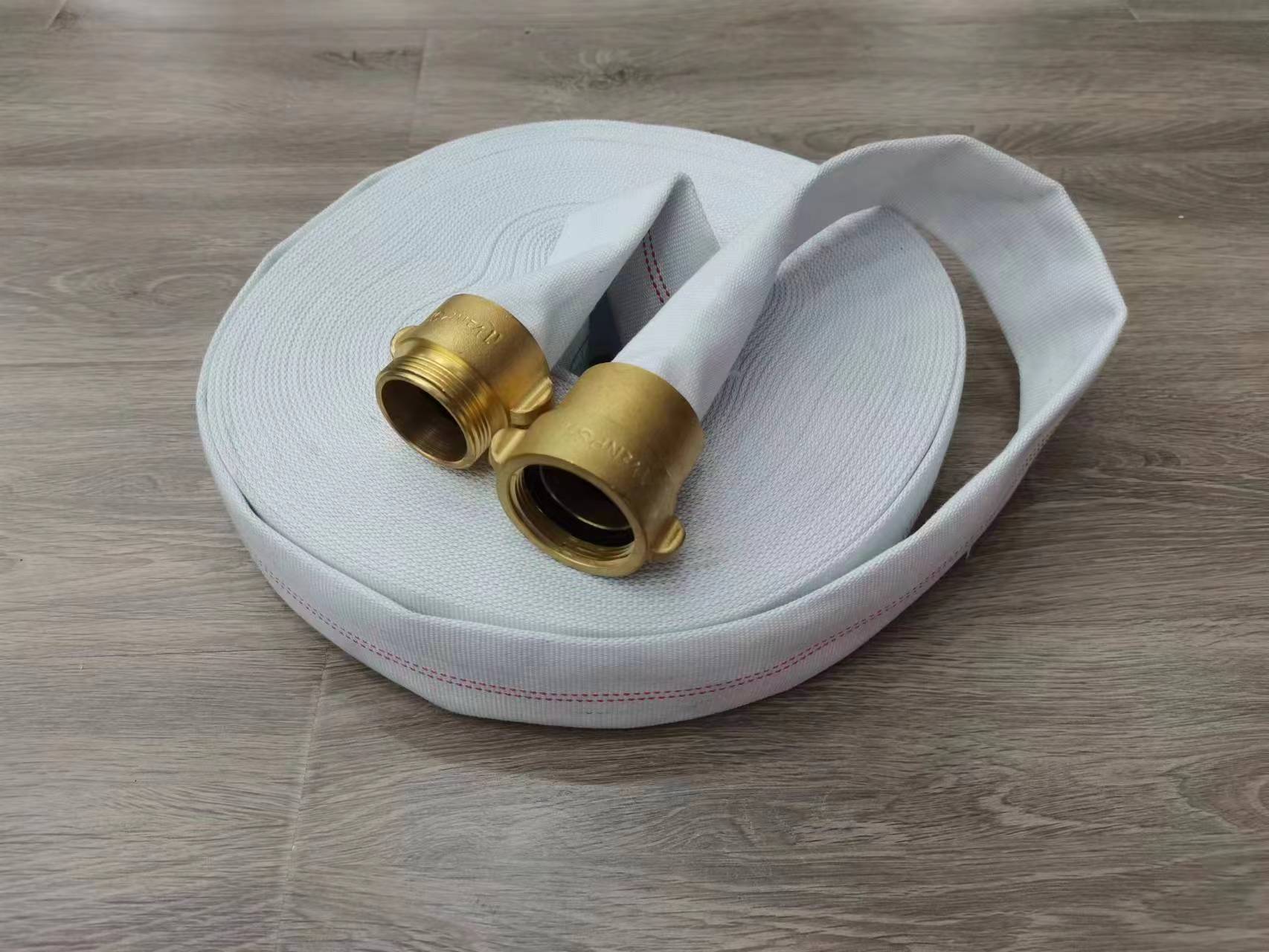
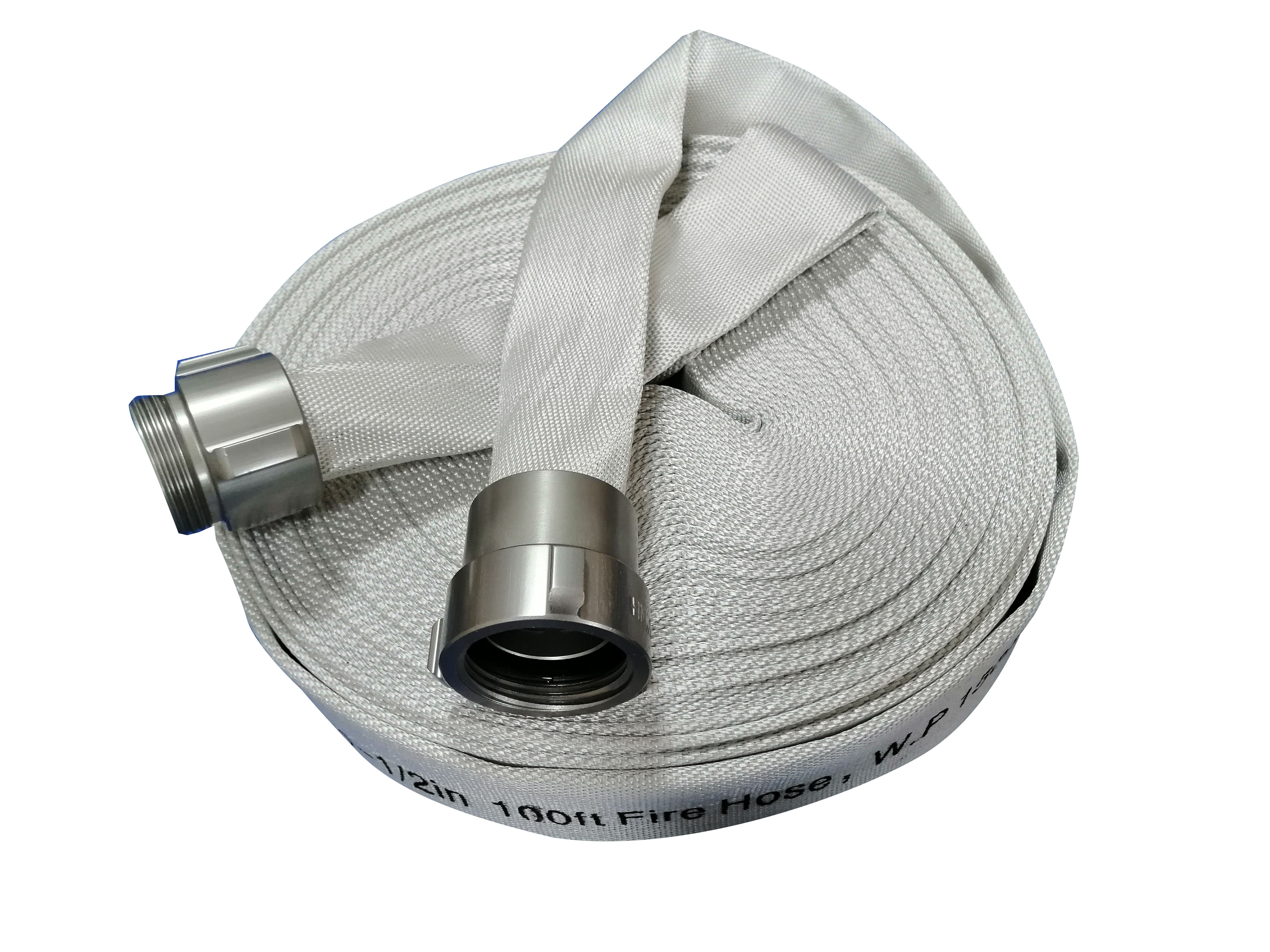
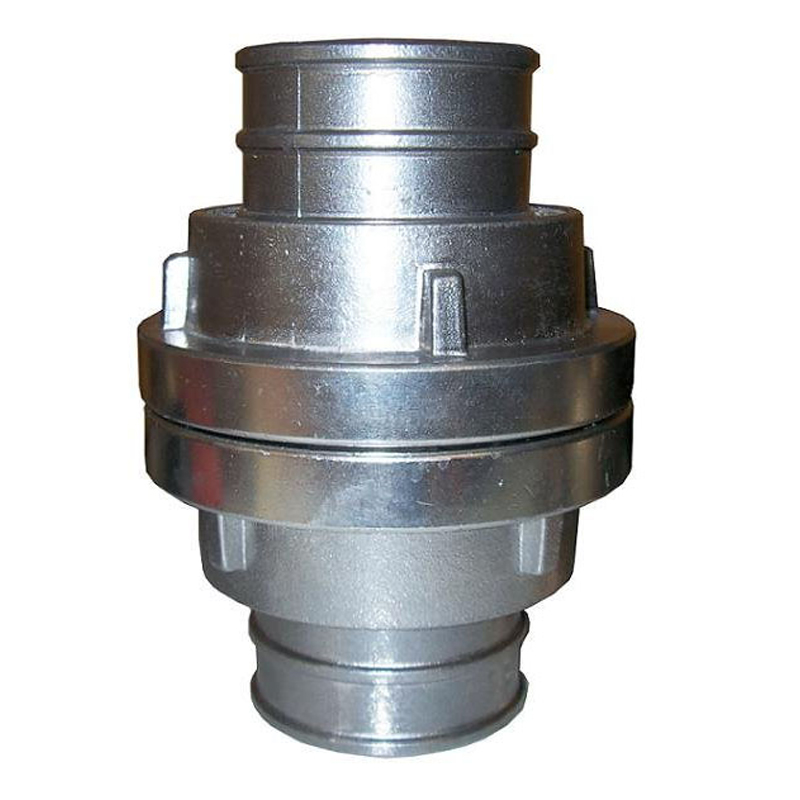
Fire canvas hoses are essential components in fire prevention and management, widely used in industrial, commercial, and municipal settings. These hoses are designed to transport water or other extinguishing agents effectively, ensuring safety and compliance with fire regulations. B2B buyers, including purchasing managers and engineers, often face challenges in selecting the right fire canvas fire hose cotton canvas, understanding specifications, and ensuring quality assurance. This article will provide insights into choosing, evaluating, and purchasing fire canvas hoses, helping you make informed decisions.
Selecting the right fire canvas hose involves evaluating several key factors. First, consider the intended application—whether for industrial, commercial, or residential use—as this will influence the hose's specifications such as diameter, pressure rating, and length. For instance, hoses used in industrial settings may require higher pressure ratings and larger diameters to accommodate substantial water flow.
Another important aspect is the type of coating. Fire canvas lay flat canvas hose are available in lined, double-coated, and spray options, each suited for different environments. Lined hoses often provide better abrasion resistance, making them ideal for rugged industrial applications, while double-coated hoses can withstand harsher weather conditions, proving beneficial in outdoor settings.
Lastly, think about customization options. Jiangsu Nantong Longtao Fire-Hose Group Co., Ltd. offers various customization capabilities to meet specific project requirements, ensuring that you receive a hose tailored to your operational needs.
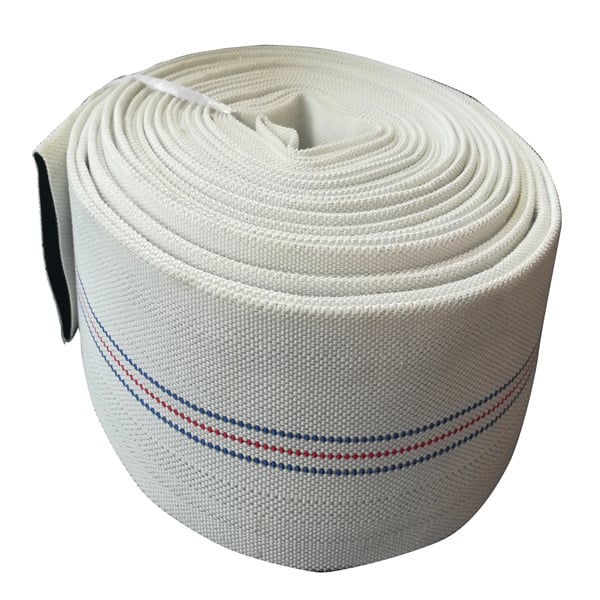
When evaluating fire canvas hoses, understanding their specifications is vital for ensuring quality and performance. Key specifications include:
Material Composition: Fire canvas hoses are typically made from synthetic fibers and rubber linings, providing durability and flexibility. The material's resistance to chemicals, moisture, and UV exposure should align with your operational environment.
Pressure Rating: This indicates the maximum pressure the hose can safely withstand. Ensure that the pressure rating meets or exceeds the requirements of your fire suppression system.
Diameter and Length: These specifications affect water flow and reach. Ensure the diameter is compatible with your existing hydrant systems and the length meets your site requirements without excessive slack.
Temperature Tolerance: Depending on the application, hose canvas may need to withstand various temperature ranges. Confirm that the selected hose can operate effectively under the expected temperature conditions.
By thoroughly reviewing these specifications, buyers can ensure that the fire canvas hose will perform reliably when needed.
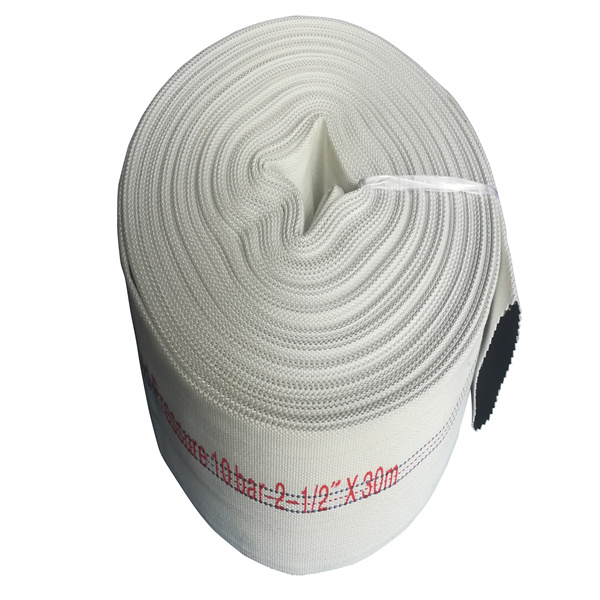
Despite their robust design, fire canvas hoses can face several common issues. One frequent problem is abrasion and wear, especially in environments with rough surfaces. To mitigate this, consider hoses with reinforced coatings that enhance durability.
Another issue is improper coupling, which can lead to leaks or hose failure. Ensure that couplings are properly sized and compatible with both the hose and the water source. It’s advisable to conduct thorough inspections of couplings and fittings before each use to prevent operational disruptions.
Lastly, environmental factors such as exposure to extreme temperatures or chemicals can compromise the hose's integrity. Regular maintenance and inspections can help identify potential weaknesses early. It's crucial to replace any hoses showing signs of wear or damage to maintain safety and compliance.
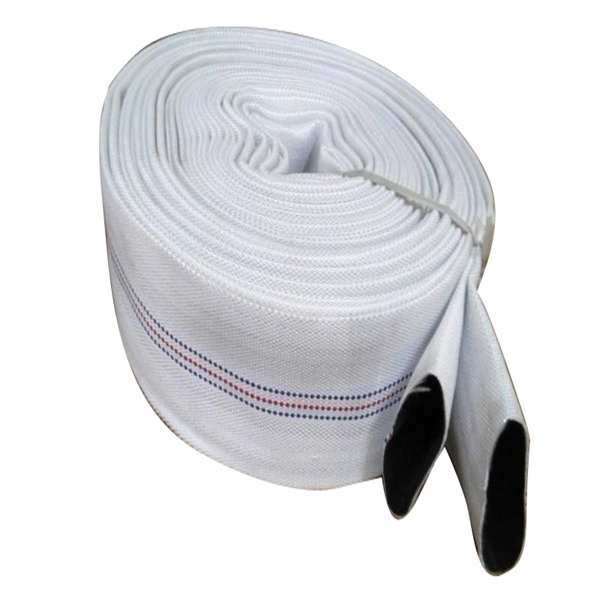
Proper installation of fire canvas hoses is critical for optimal performance and safety. Begin by selecting the correct location for installation, ensuring it is easily accessible and visible. For industrial applications, consider installing hoses near high-risk areas, such as chemical storage or assembly lines.
When installing the hose, ensure that it is securely attached to the water source and that all fittings are tightened to prevent leaks. Pay attention to bends and kinks, as these can restrict water flow. The hose should be laid out straight, with minimal sharp turns, to ensure it can deliver water effectively.
It's also essential to follow local regulations regarding hose placement and accessibility. Fire hoses should be easily reachable and clearly marked to ensure quick deployment in emergencies. Training staff on proper hose handling and installation techniques can further enhance safety.
The company places a strong emphasis on quality, which is fundamental to its survival and success. It is dedicated to the manufacturing, production, and research and development of fire-fighting equipment, including custom-made solutions for domestic and foreign professional fire brigades. The company holds multiple patent certificates for its independently developed intellectual property products, showcasing its innovative capabilities and commitment to advancing fire safety technology.
Jiangsu Nantong Longtao Fire-Hose Group Co., Ltd. has successfully exported its high-quality products to numerous countries, including the United States, Germany, Italy, Russia, South Korea, Japan, Vietnam, and the Middle East. The company adheres to a customer-first philosophy, offering high-quality, cost-effective products and services. Its commitment to honest cooperation and mutual benefit ensures long-term partnerships and a win-win situation for both the company and its clients. This global presence and customer-centric approach highlight the company's ability to compete and thrive in the international market.
Jiangsu Nantong Longtao Fire-Hose Group Co., Ltd. is officially recognized by the Ministry of Public Security as a designated enterprise for the production of fire hoses, fire hydrants, and fire boxes. This designation underscores the company's compliance with stringent national standards and its commitment to producing high-quality fire safety equipment. Being a government-designated enterprise also reflects the company's reliability and trustworthiness in the industry.
With an annual production capacity of 10 million meters of fire hose and 7,000 sets of fire hydrant boxes, the company demonstrates its ability to meet large-scale demands efficiently. The product range is extensive, including lined fire hoses (single and double jacket), double-coated fire hoses, fire hose reels, plastic-coated hoses, spray fire hoses, garden hoses, and specialized nozzles and couplings that meet various international standards. This diversity allows the company to cater to a wide array of customer needs across different markets.
When purchasing fire canvas hoses wholesale, several factors can influence pricing and lead time. First, establish your specific requirements, including hose type, lengths, and customization options. This clarity will help suppliers provide accurate quotations and minimize delays.
Consider the minimum order quantity (MOQ) set by manufacturers. Jiangsu Nantong Longtao Fire-Hose Group Co., Ltd. can accommodate various order sizes, but understanding the MOQ can help in planning inventory.
Additionally, evaluate the supplier’s production capacity and lead time. A manufacturer with a high annual capacity, such as 10 million fire hose meters, can often fulfill larger orders more quickly. Ensure that the supplier can meet your delivery timeline, especially for urgent projects.
Lastly, review the supplier’s quality assurance processes. Inquire about certifications and testing procedures to ensure that the hoses meet industry standards. A supplier committed to quality will provide documentation and support for inspections, which can be crucial when meeting regulatory requirements.
By carefully considering these factors, buyers can secure reliable and effective fire canvas hoses that meet their needs.

Welcome to Jiangsu Nantong Longtao, we are a leading manufacturer specialize in fire hoses, fire hydrants and fire boxes.
No.888 Renmin South Road, Dayu Town,Rudong County, Nantong City, Jiansu Province
Copyright © EVERBRIGHT FIRE-FIGHTING EQUIPMENT(NANTONG)CO., LTD. All Rights Reserved
 EN
 AR
 FR
 DE
 KO
 CS
 DA
 NL
 FI
 EL
 IT
 JA
 NO
 PL
 PT
 RO
 RU
 ES
 SV
 TL
 IW
 ID
 LV
 LT
 SR
 SK
 SL
 UK
 SQ
 ET
 HU
 TH
 TR
 FA
 AF
 IS
 MK
 KA
 UR
 BN