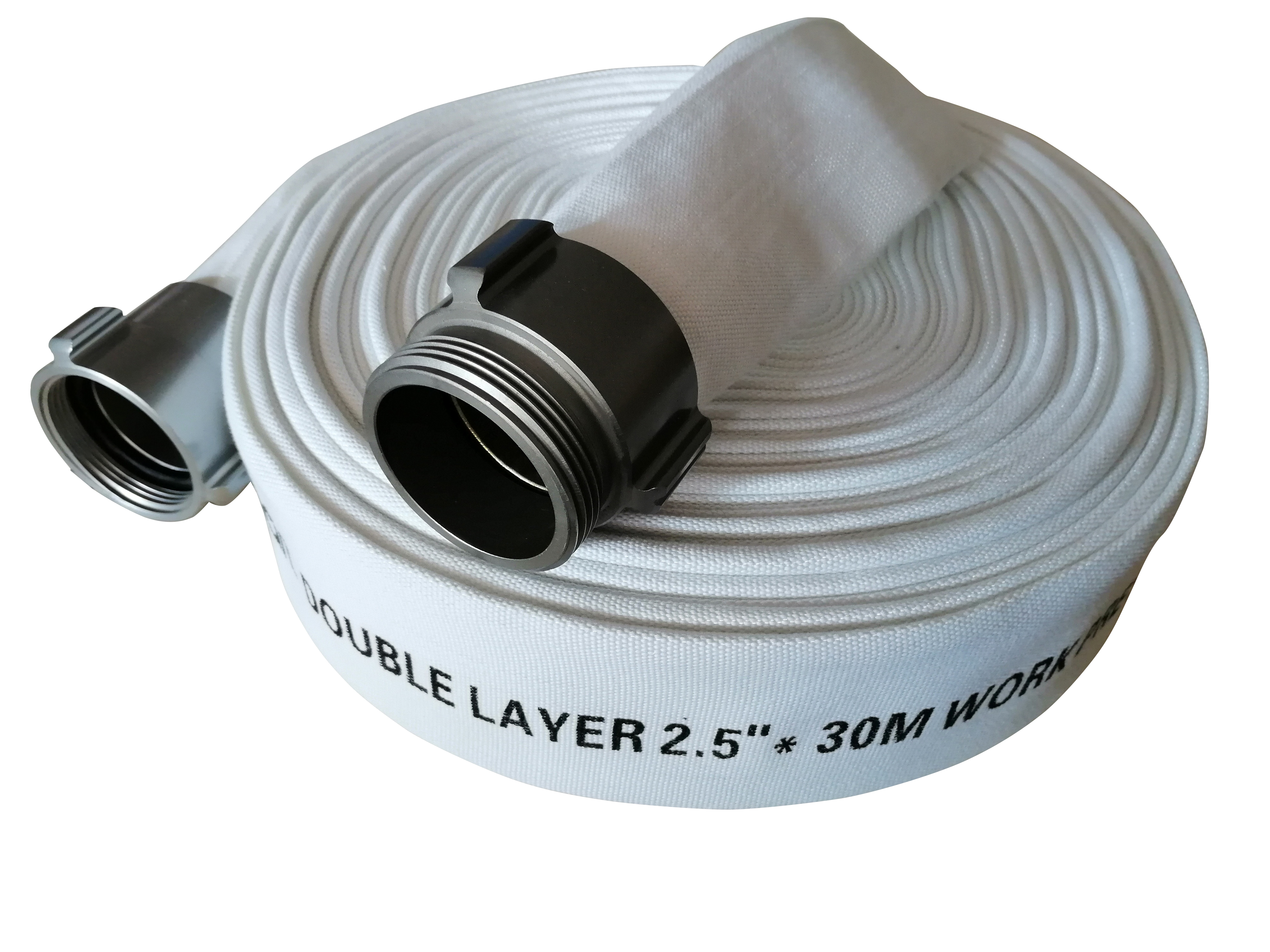
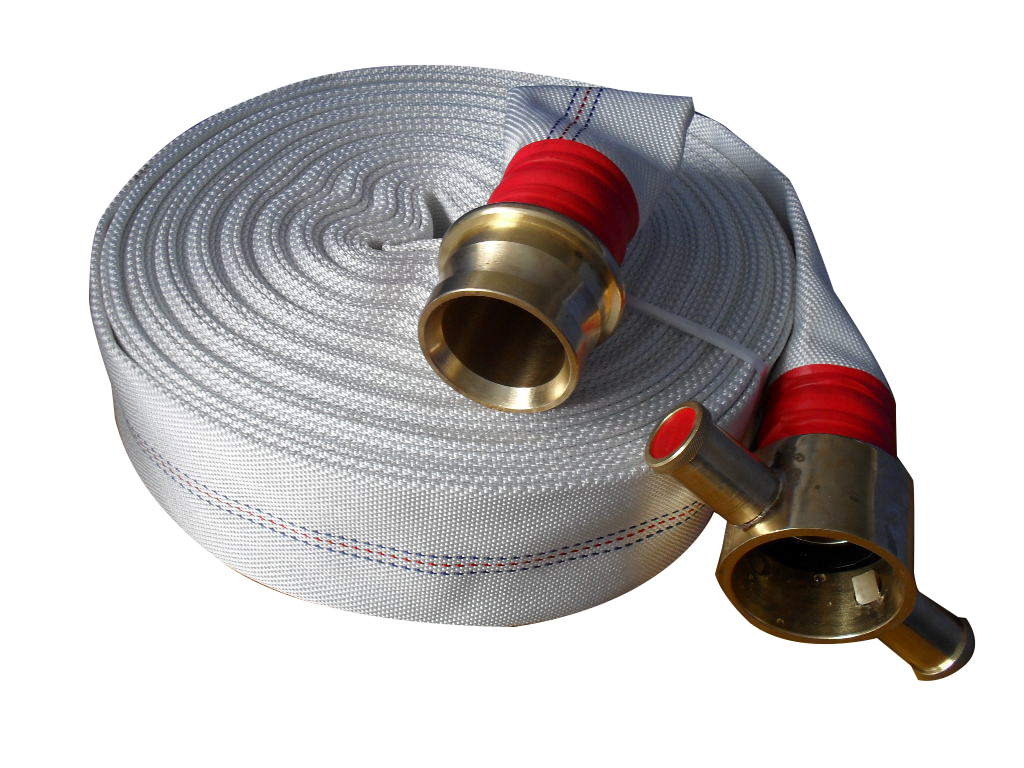
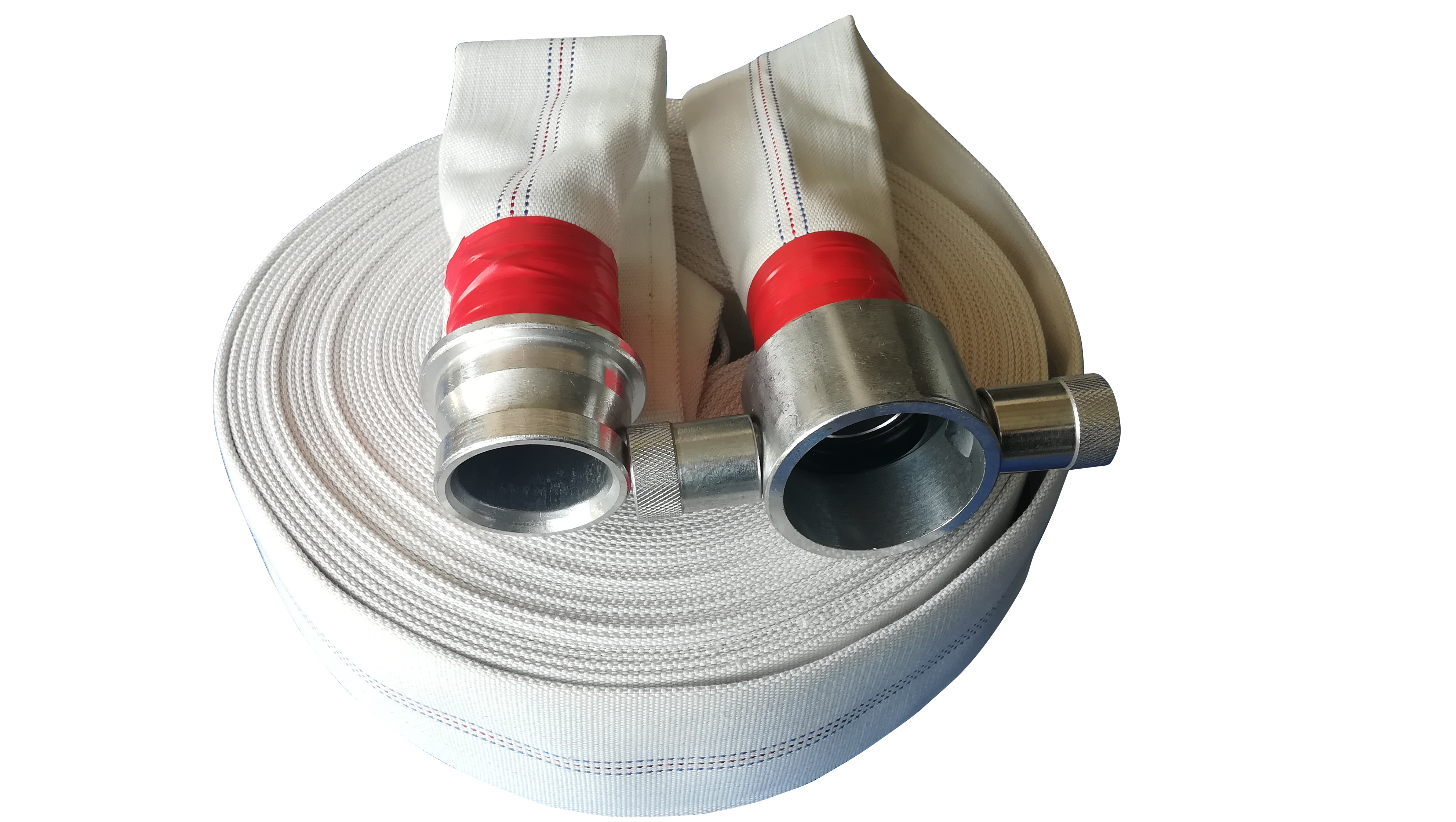
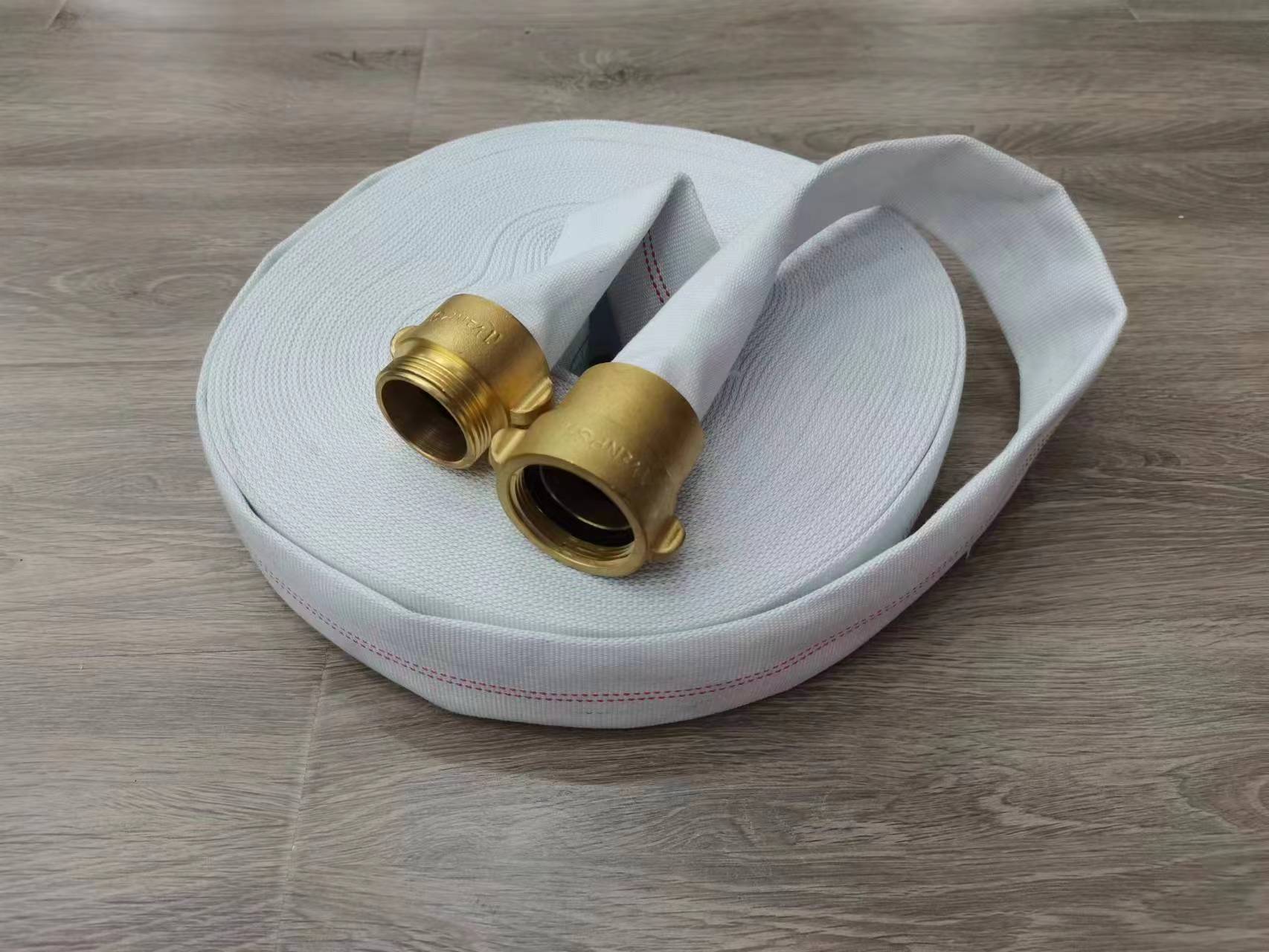
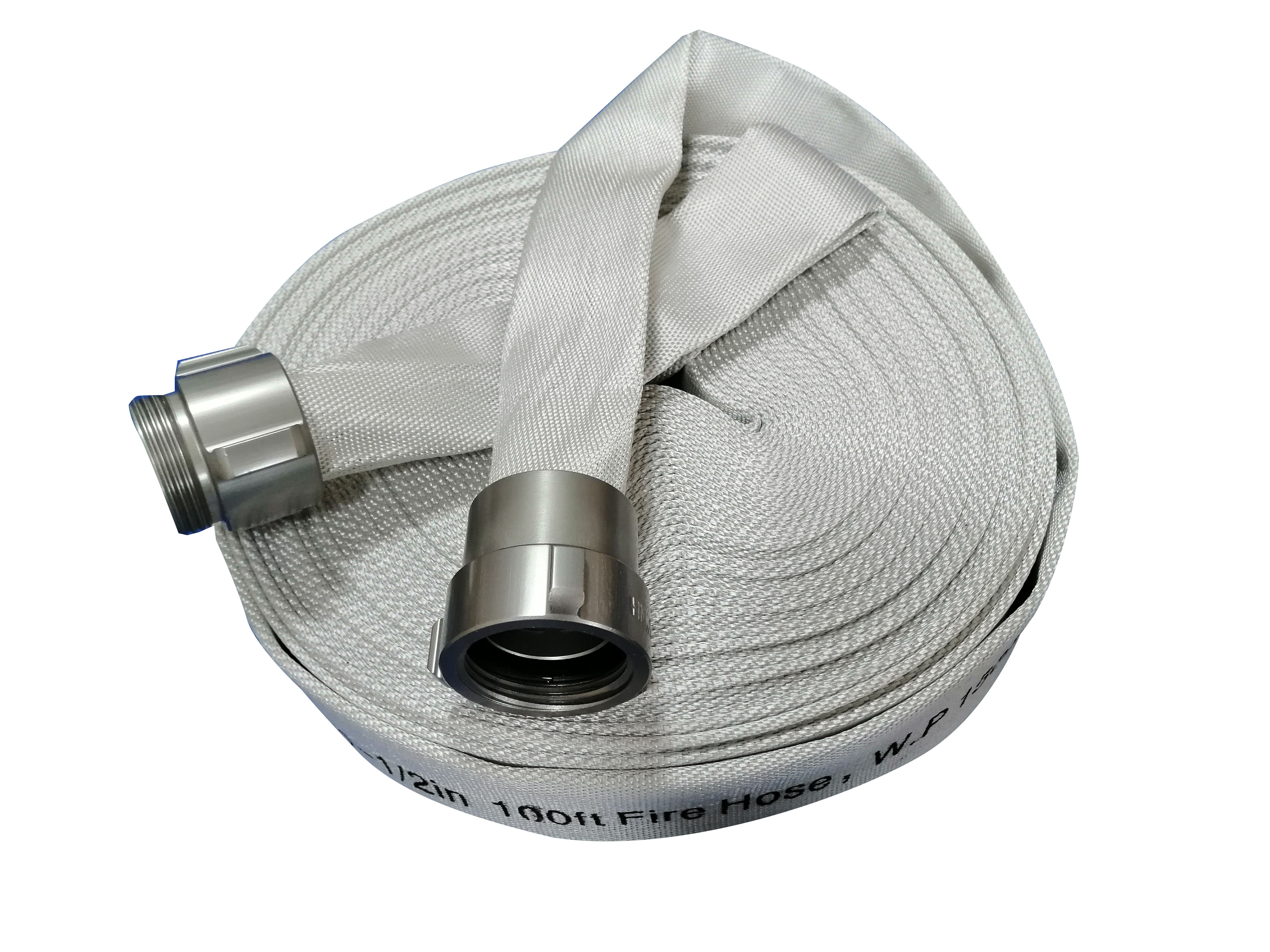
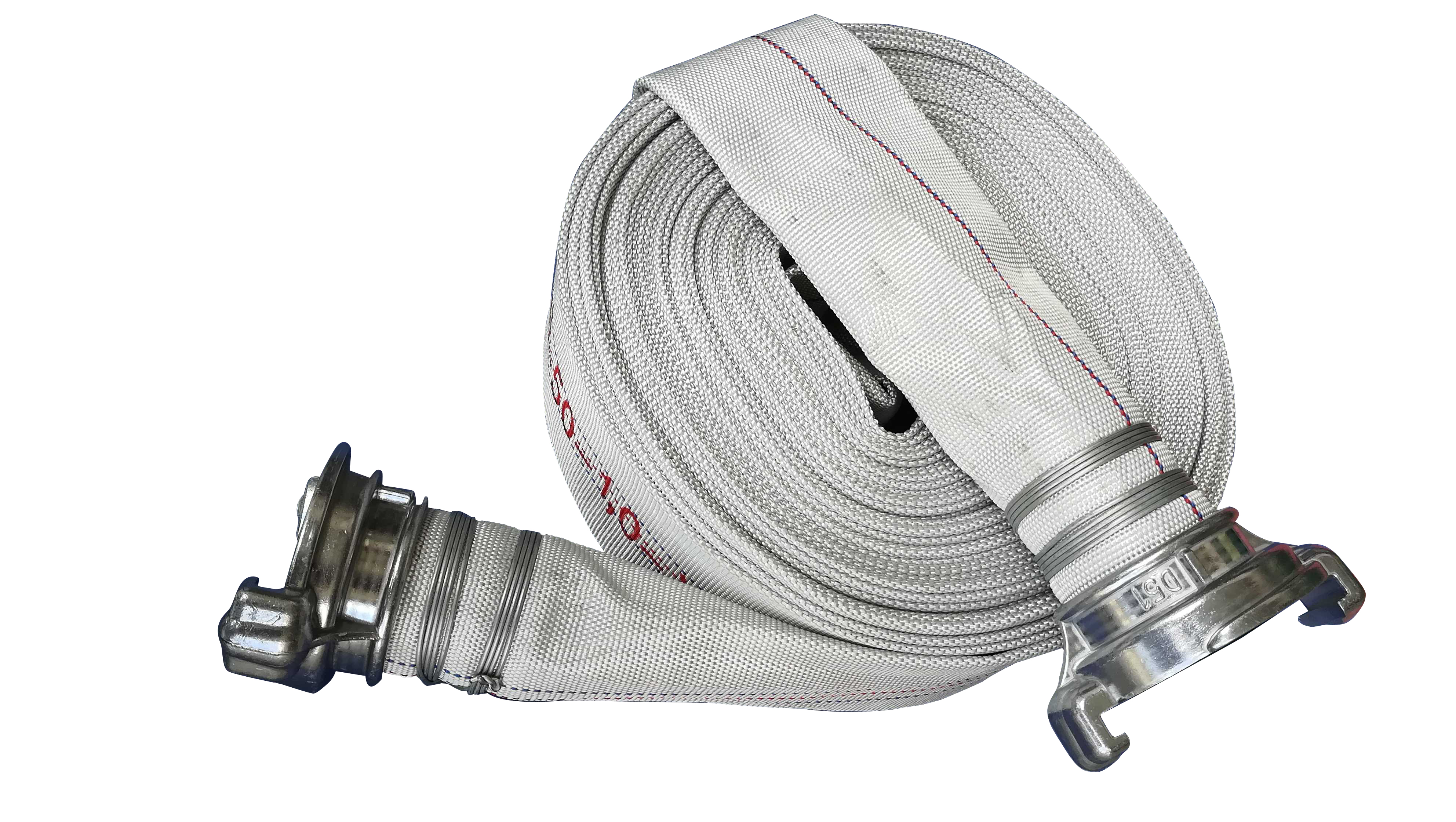
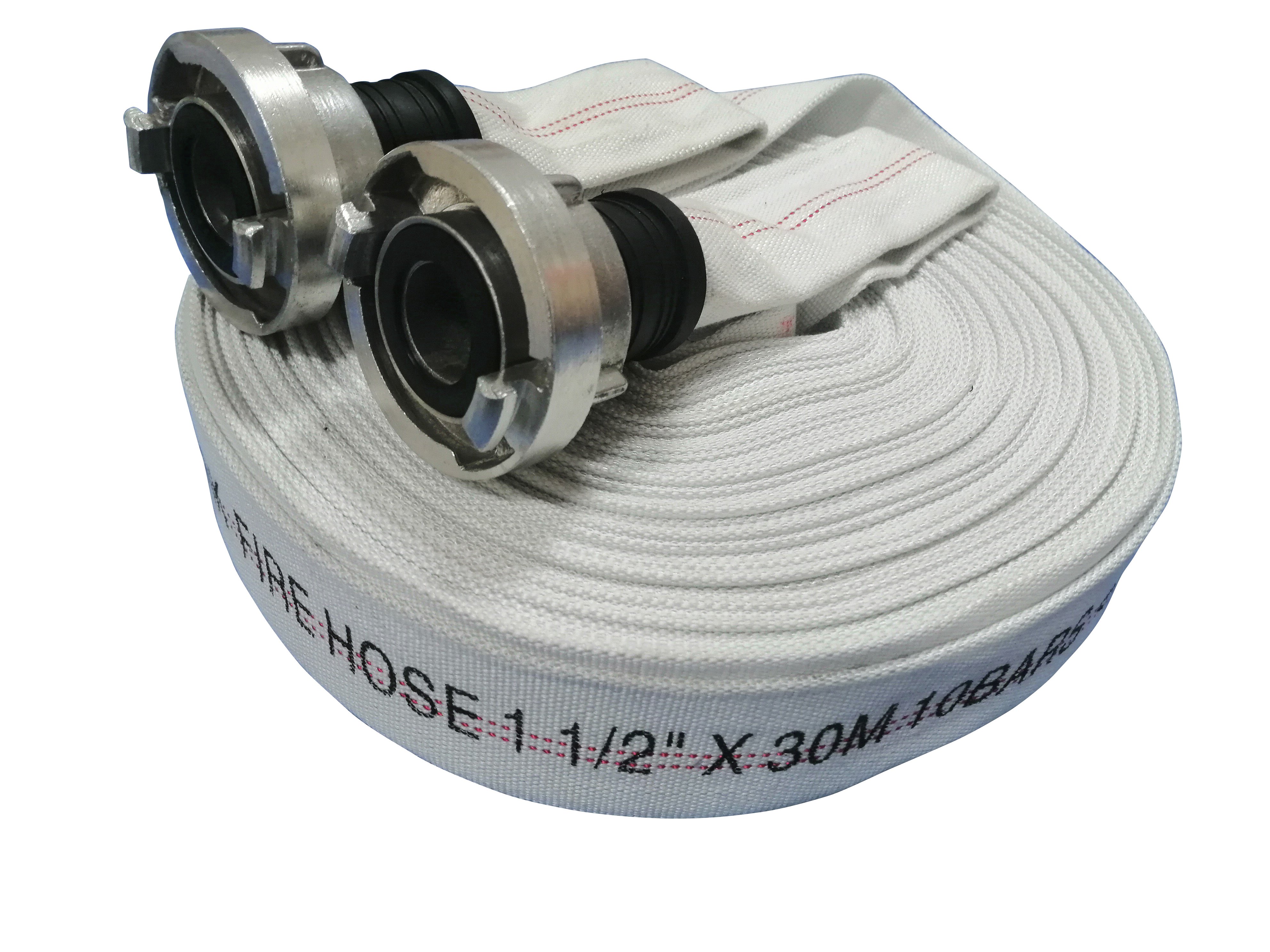
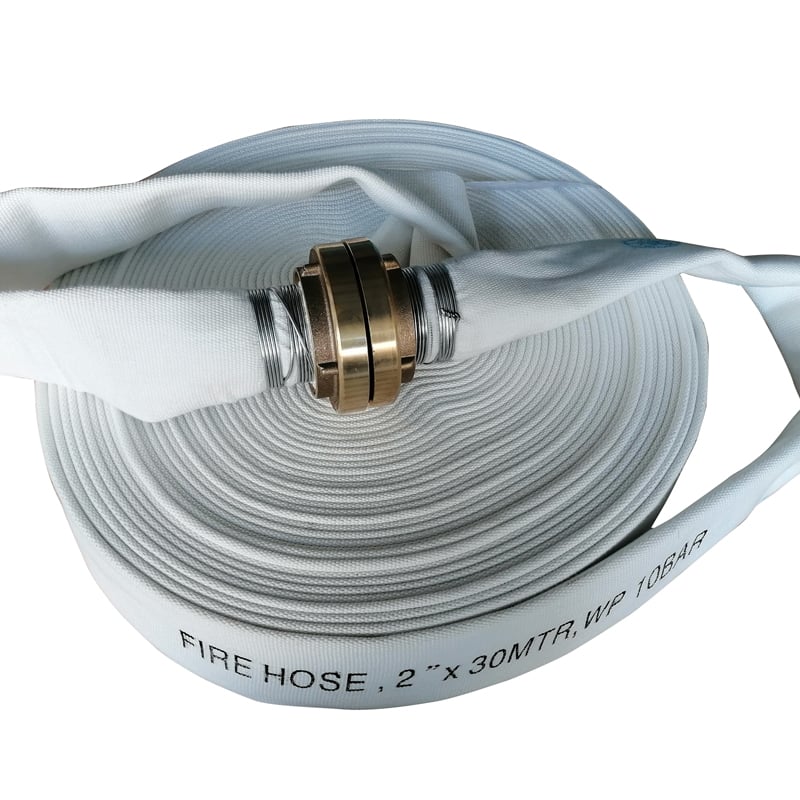
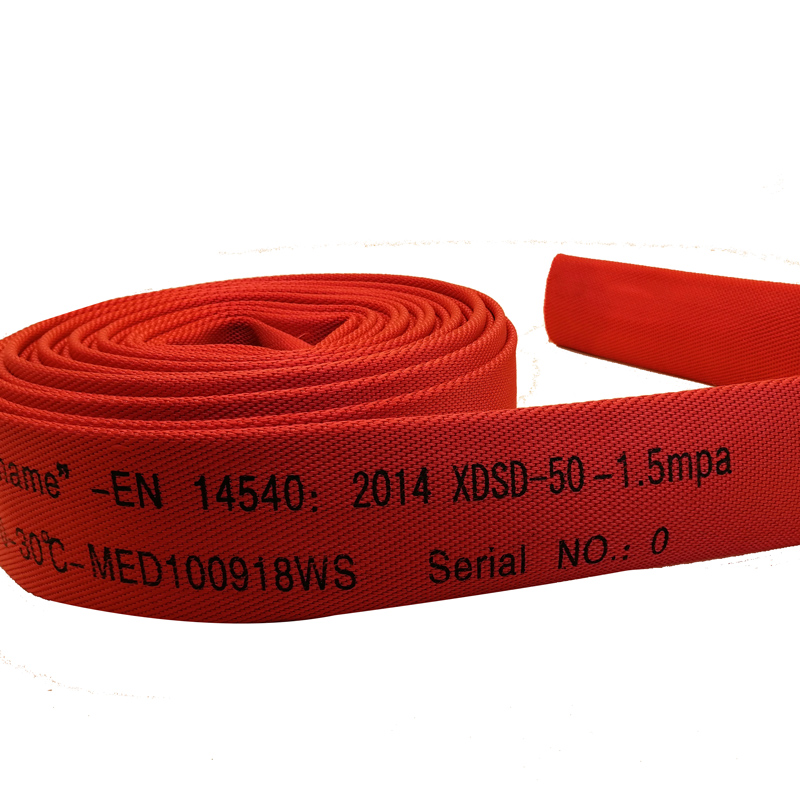
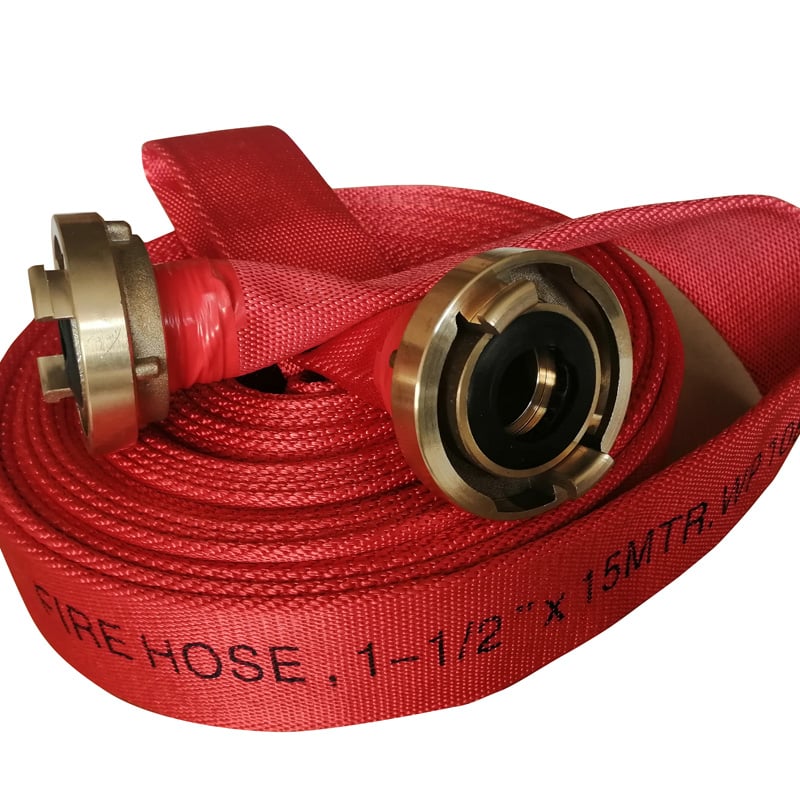
A double fire hose cabinet is a crucial component in fire safety infrastructure, designed to house two fire hoses, ensuring quick access to firefighting equipment in emergencies. For B2B buyers, particularly purchasing managers and facility engineers, understanding the specifications, materials, and supplier reliability of double fire hose cabinet is essential for making informed purchasing decisions. This article will guide you through the key considerations when sourcing these cabinets, from identifying reputable suppliers to examining product specifications and cost factors.
Finding reliable suppliers for double fire hose cabinet involves several strategies. Start by researching manufacturers with a strong reputation in the fire safety industry, particularly those that specialize in custom fire equipment. Companies like Jiangsu Nantong Longtao Fire-Hose Group Co., Ltd., designated by the Ministry of Public Security, exemplify reputable manufacturers with significant production capabilities, including an annual capacity of 10 million fire hose meters and 7,000 hydrant boxes.
Consider attending industry trade shows or exhibitions, where you can meet suppliers face-to-face and view their products firsthand. Online B2B marketplaces can also be useful, but ensure to check reviews and ask for references to validate the supplier's reliability. Additionally, verify that the supplier complies with relevant certifications and quality standards, which is a hallmark of trustworthy manufacturers.
When selecting double fire hose cabinet, several key specifications should be carefully evaluated like the following:
1. Material: Cabinets are typically constructed from materials like steel or fiberglass. Steel offers durability and resistance to impact, while fiberglass is lightweight and resistant to corrosion. Buyers should choose based on the installation environment and expected exposure to elements.
2. Dimensions: The size of the cabinet must accommodate the hoses and any additional equipment, such as nozzles or hydrants. Confirm that the cabinet's dimensions fit your facility's layout and align with applicable fire safety regulations.
3. Weight Capacity: Assess the cabinet's weight capacity to ensure it can support the hoses and accessories without compromising structural integrity.
4. Sealing and Protection Features: Look for cabinets with proper sealing mechanisms to protect against dust, moisture, and other environmental factors. This is particularly important in outdoor installations.
Understanding these specifications helps ensure the cabinet meets your operational needs and complies with local fire safety regulations.
Cost considerations play a pivotal role in the procurement of double fire hose cabinet, especially for bulk orders. Here are some factors to keep in mind:
1. Volume Discounts: Many suppliers offer discounts for bulk purchases. Be sure to inquire about pricing tiers based on order quantity, as this can significantly reduce per-unit costs.
2. Customization Costs: If customization is required, such as specific dimensions or additional features, this can impact pricing. Obtain detailed quotes that outline any additional costs associated with customization.
3. Shipping and Handling: Factor in shipping costs when calculating total expenses. Bulk orders may qualify for different shipping rates, so discuss these with your supplier.
4. Quality vs. Cost: While it may be tempting to select the lowest-priced option, consider the long-term value of investing in high-quality cabinets. Cheaper products may lead to higher maintenance costs or more frequent replacements.
5.
By assessing these cost factors, you can make more informed financial decisions that align with your budget and operational requirements.
The material used in the construction of double fire hose cabinet significantly influences their performance and longevity. Here are some advantages of common materials used in manufacturing:
1. Steel: Known for its strength and durability, steel cabinets can withstand harsh environmental conditions and heavy use. They are less prone to physical damage and provide a robust solution for high-traffic areas.
2. Fiberglass: Lightweight and resistant to corrosion, fiberglass cabinets are ideal for locations exposed to moisture or chemicals. They are easier to install due to their reduced weight, which can be beneficial in installations where weight is a concern.
3. Aluminum: Offering a balance between weight and durability, aluminum cabinets are resistant to rust and corrosion. They are also lightweight, making them easier to transport and install, which can be advantageous for remote locations.
Understanding the advantages of different materials helps buyers select cabinets that best suit their specific operational environments and longevity needs.
The company places a strong emphasis on quality, which is fundamental to its survival and success. It is dedicated to the manufacturing, production, and research and development of fire-fighting equipment, including custom-made solutions for domestic and foreign professional fire brigades. The company holds multiple patent certificates for its independently developed intellectual property products, showcasing its innovative capabilities and commitment to advancing fire safety technology.
Jiangsu Nantong Longtao Fire-Hose Group Co., Ltd. has successfully exported its high-quality products to numerous countries, including the United States, Germany, Italy, Russia, South Korea, Japan, Vietnam, and the Middle East. The company adheres to a customer-first philosophy, offering high-quality, cost-effective products and services. Its commitment to honest cooperation and mutual benefit ensures long-term partnerships and a win-win situation for both the company and its clients. This global presence and customer-centric approach highlight the company's ability to compete and thrive in the international market.
Jiangsu Nantong Longtao Fire-Hose Group Co., Ltd. is officially recognized by the Ministry of Public Security as a designated enterprise for the production of fire hoses, fire hydrants, and fire boxes. This designation underscores the company's compliance with stringent national standards and its commitment to producing high-quality fire safety equipment. Being a government-designated enterprise also reflects the company's reliability and trustworthiness in the industry.
With an annual production capacity of 10 million meters of fire hose and 7,000 sets of fire hydrant boxes, the company demonstrates its ability to meet large-scale demands efficiently. The product range is extensive, including lined fire hoses (single and double jacket), double-coated fire hoses, fire hose reels, plastic-coated hoses, spray fire hoses, garden hoses, and specialized nozzles and couplings that meet various international standards. This diversity allows the company to cater to a wide array of customer needs across different markets.
When purchasing double fire hose cabinets, several features can enhance functionality and ease of use like the following:
1. Visibility: Cabinets should have clear labeling and visibility features, such as reflective strips, to ensure they are easily identifiable in emergencies.
2. Locking Mechanisms: A reliable locking system can prevent unauthorized access while ensuring that the cabinet can be quickly opened in an emergency. Consider options that balance security with accessibility.
3. Internal Organization: Features such as hooks for nozzles and compartments for fittings can improve the organization within the cabinet, making it easier for users to find necessary tools quickly.
4. Weather Resistance: For outdoor installations, look for cabinets with weatherproof designs that can withstand rain, snow, and extreme temperatures. This ensures the equipment remains functional and protected over time.
5. Maintenance Accessibility: Consider how easy it is to open and maintain the cabinet. Designs that facilitate quick access for inspections and maintenance can save time and enhance safety compliance.
These features not only enhance the usability of double fire hose cabinet but also contribute to overall safety and efficiency in emergency situations. By considering these factors, buyers can make informed decisions that lead to effective and reliable fire safety solutions for their facilities.

Welcome to Jiangsu Nantong Longtao, we are a leading manufacturer specialize in fire hoses, fire hydrants and fire boxes.
No.888 Renmin South Road, Dayu Town,Rudong County, Nantong City, Jiansu Province
Copyright © EVERBRIGHT FIRE-FIGHTING EQUIPMENT(NANTONG)CO., LTD. All Rights Reserved
 EN
 AR
 FR
 DE
 KO
 CS
 DA
 NL
 FI
 EL
 IT
 JA
 NO
 PL
 PT
 RO
 RU
 ES
 SV
 TL
 IW
 ID
 LV
 LT
 SR
 SK
 SL
 UK
 SQ
 ET
 HU
 TH
 TR
 FA
 AF
 IS
 MK
 KA
 UR
 BN