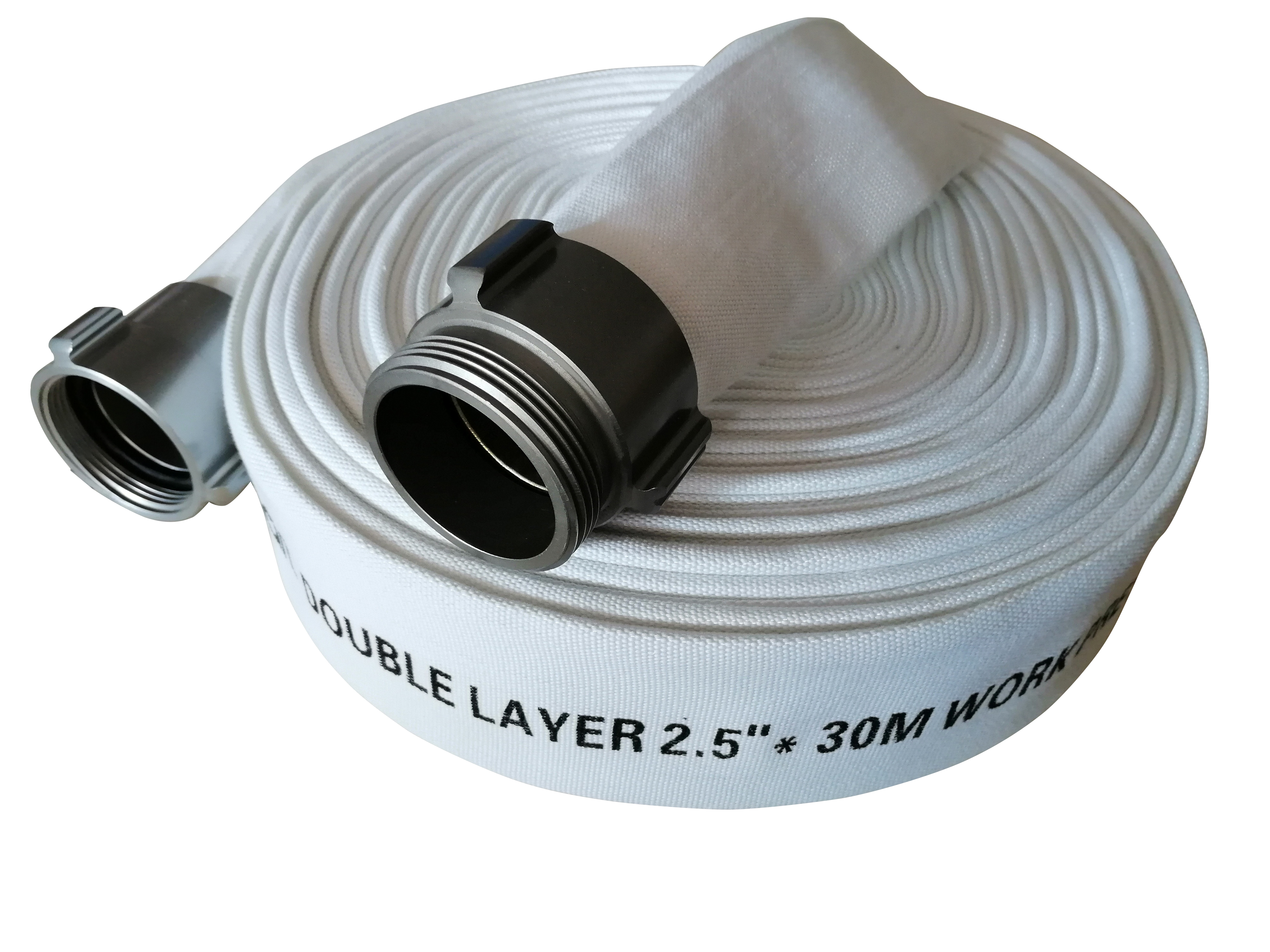
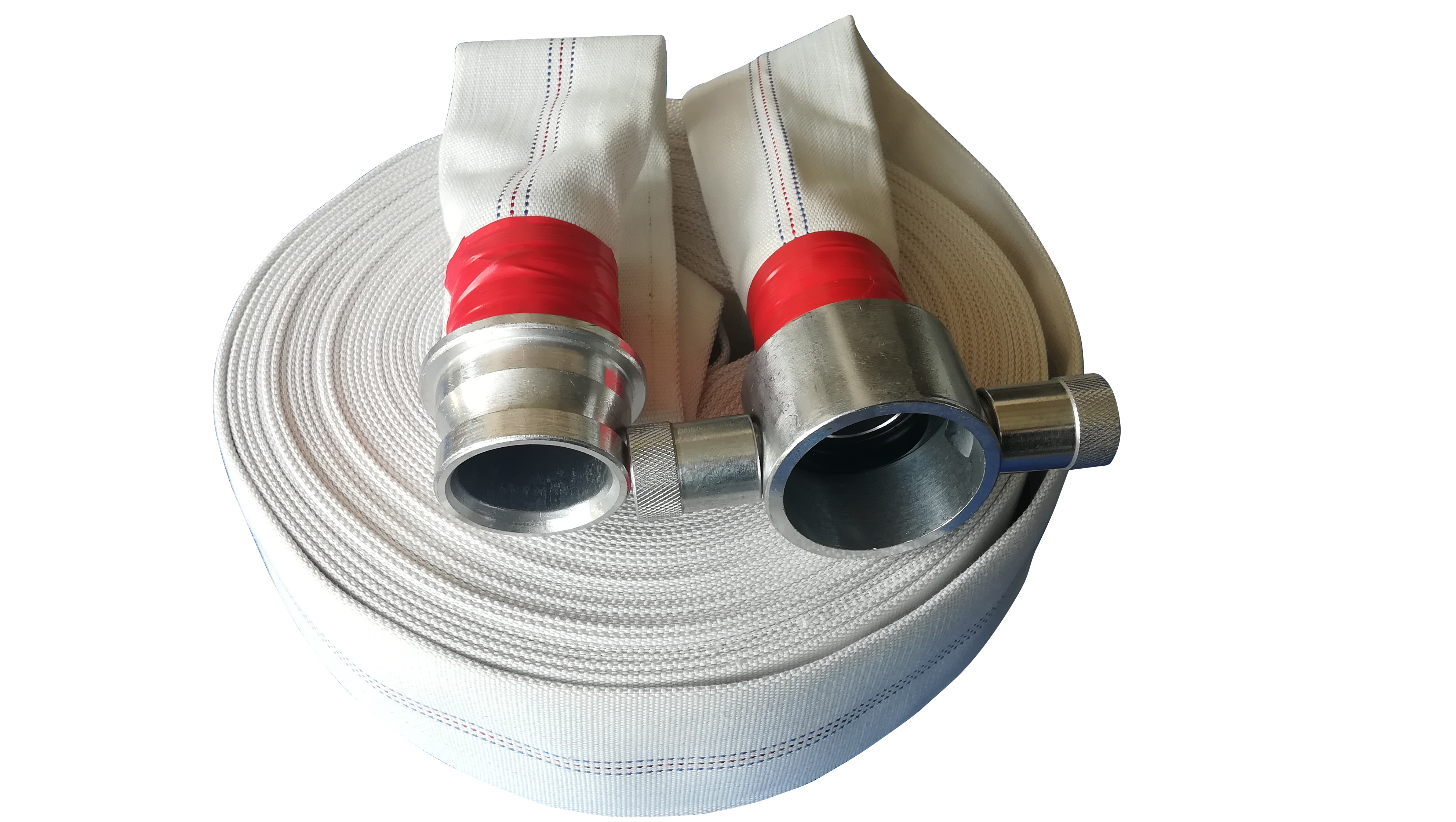
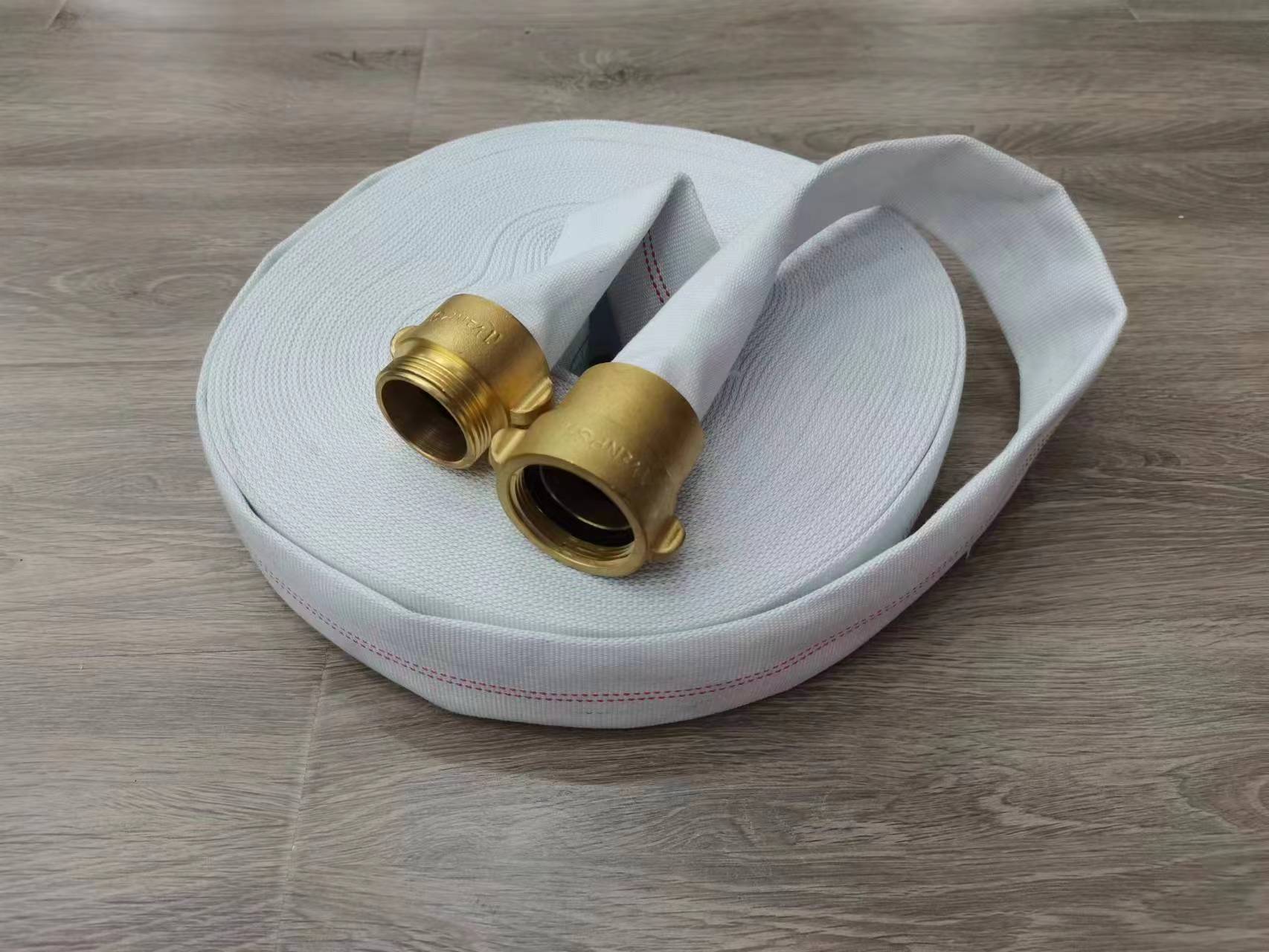
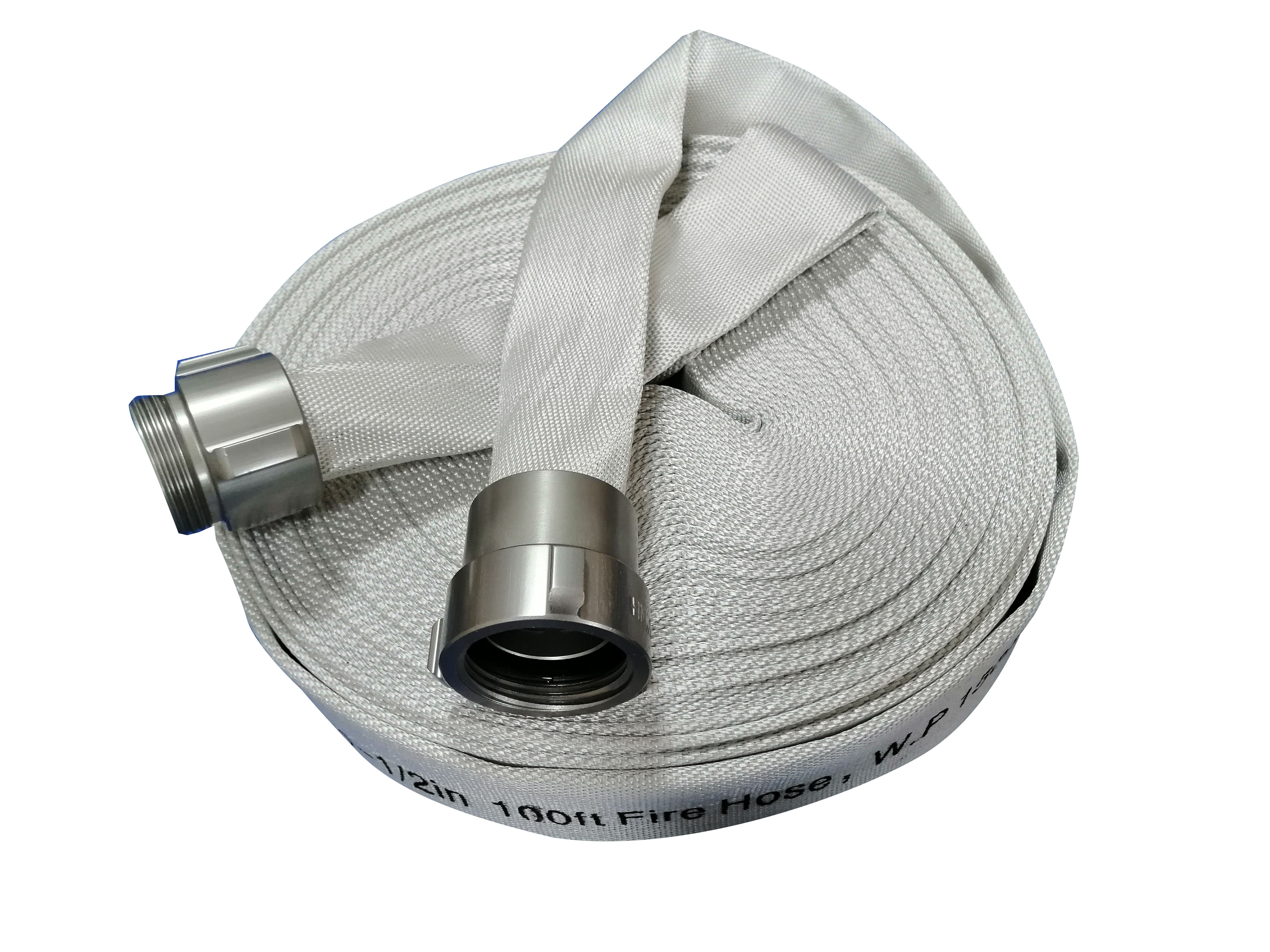
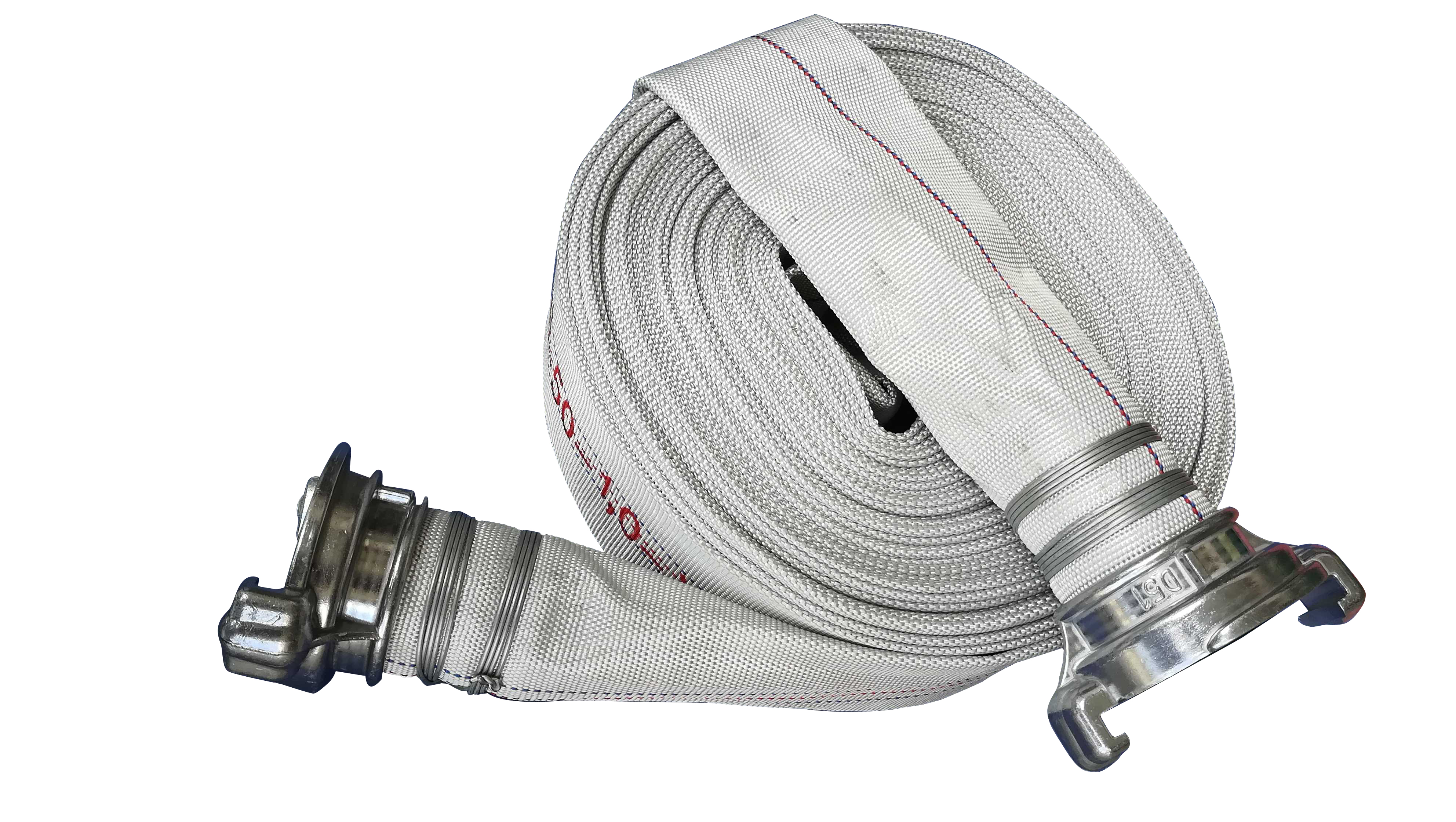
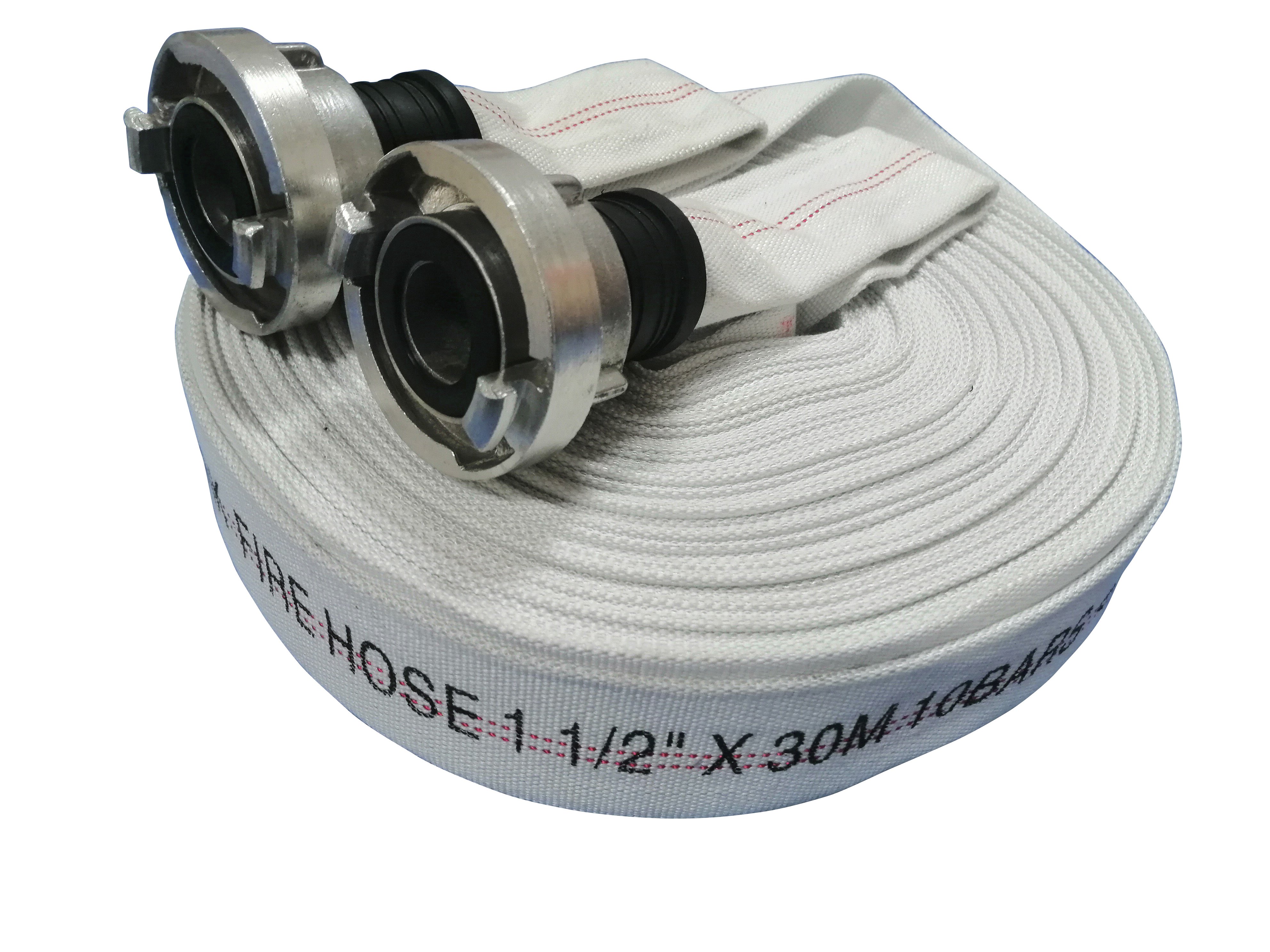
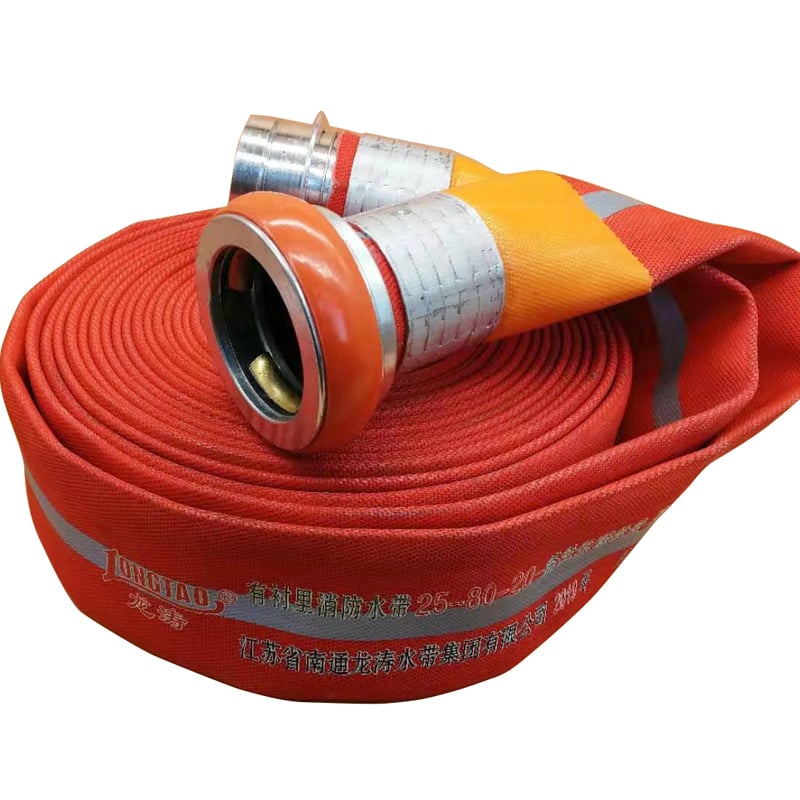
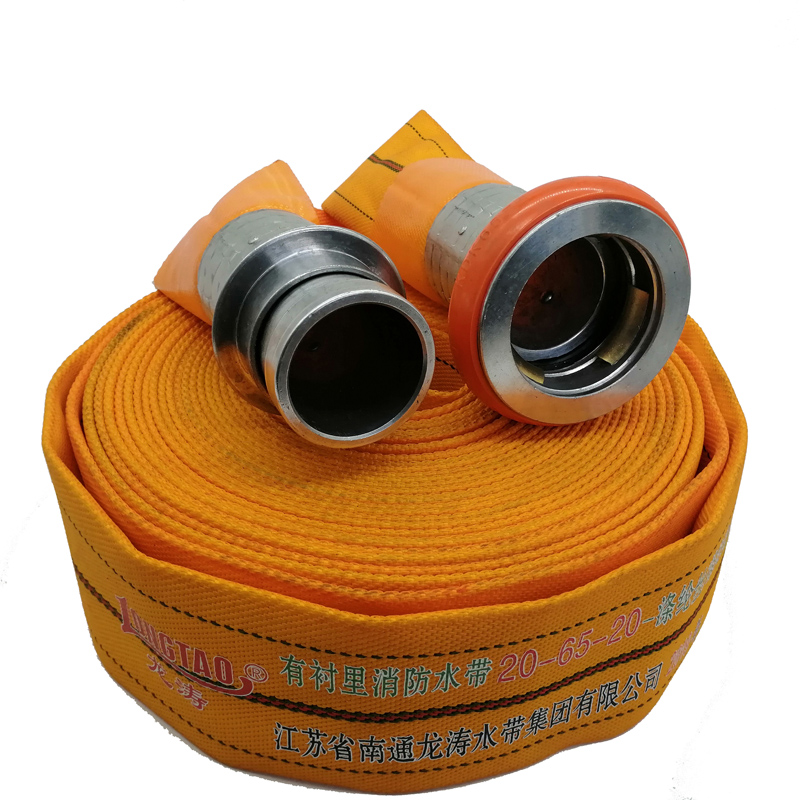
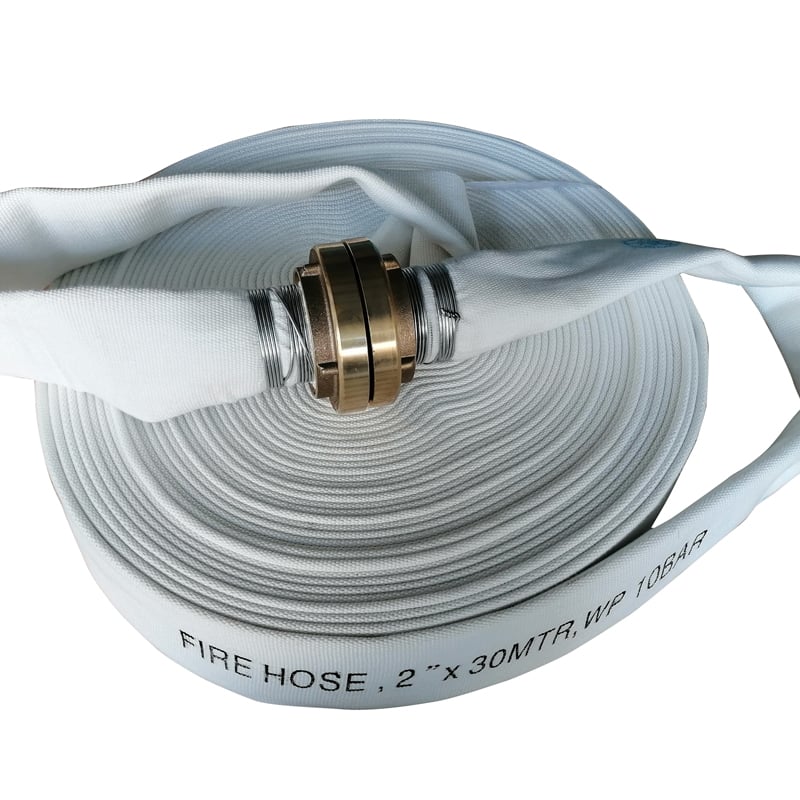
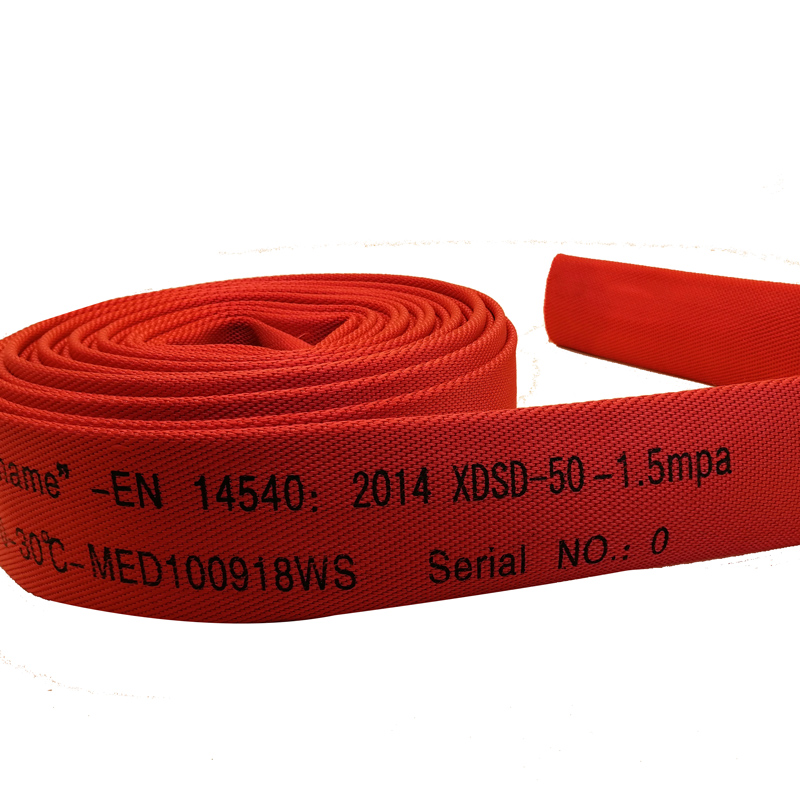
Coupling fire hydrants are essential components in fire prevention and safety systems, enabling efficient water flow from hydrants for firefighting operations. As purchasing managers and engineers assess options for coupling fire hydrants, their primary concerns often revolve around compatibility, material durability, and overall effectiveness in emergency scenarios. This article will explore the features and benefits of hose fire hydrant, address common issues and solutions, evaluate cost factors, and examine their applications across various industries.
Coupling fire hydrants come equipped with several features designed to enhance performance and usability. Key specifications typically include:
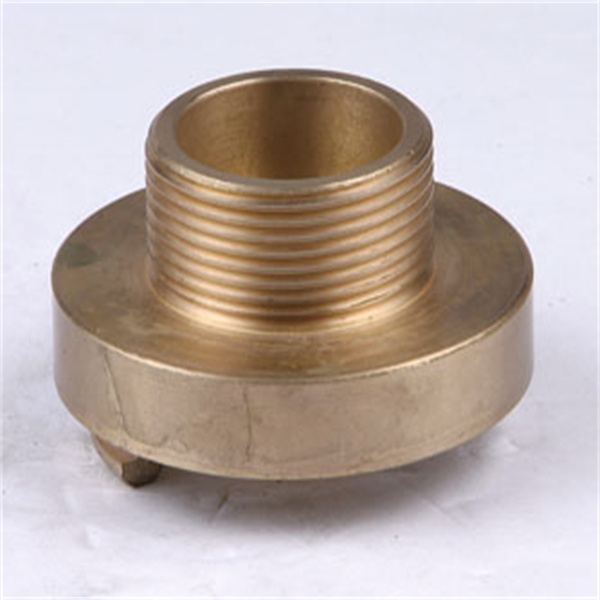
Material Composition: Couplings are often crafted from high-strength materials such as ductile iron or bronze, providing excellent corrosion resistance and durability, especially in harsh environments.
Sealing Mechanisms: Effective sealing is critical to prevent leaks during operation. Many hydrants utilize rubber gaskets or O-rings that maintain a tight seal even under high pressure.
Compatibility: Coupling fire hydrants are designed to meet various national and international standards, ensuring compatibility with different firefighting equipment. This is essential for seamless integration during emergency responses.
Ease of Operation: Features such as ergonomic handles and quick-connect mechanisms facilitate rapid deployment and connection, which is crucial during emergencies.
The benefits of fire hydrant coupling extend beyond their features. They provide reliable water access, allowing firefighters to quickly and effectively combat fires. Their robust construction ensures longevity, reducing the need for frequent replacements, which can be a significant cost-saving factor for municipalities and industrial facilities.
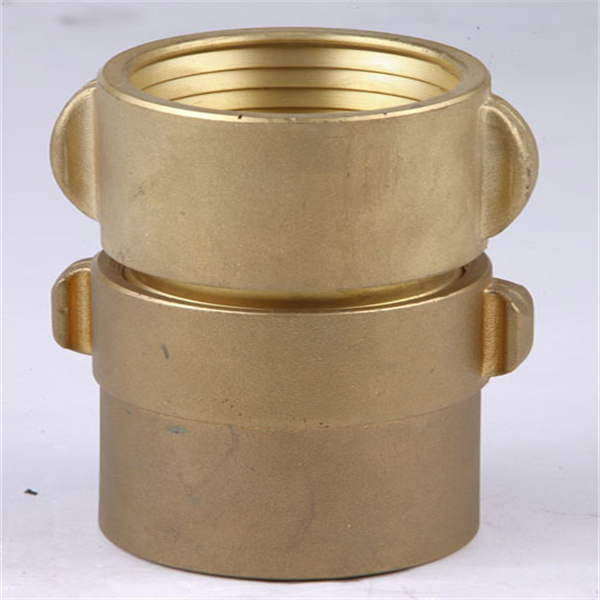
When evaluating coupling fire hydrants, it is essential for buyers to adopt a practical approach. Start by assessing specific requirements, such as:
Application Needs: Determine the type of environment where the hydrant will be installed. Considerations such as exposure to chemicals, moisture, and temperature fluctuations can impact material selection.
Performance Specifications: Evaluate the required flow rates and pressure ratings based on local firefighting standards. This ensures that the hydrants installed can provide sufficient water supply during a fire.
Customization Options: Many manufacturers, including Jiangsu Nantong Longtao Fire-Hose Group Co., Ltd., offer customization capabilities, allowing buyers to specify unique requirements such as size, color coding, or branding.
Quality Control Processes: It is vital to inquire about the manufacturer's quality control measures. A reliable manufacturer will have stringent testing protocols in place, ensuring that each product meets or exceeds industry standards before leaving the facility.
By focusing on these practical aspects, buyers can make informed decisions that align with their operational needs.
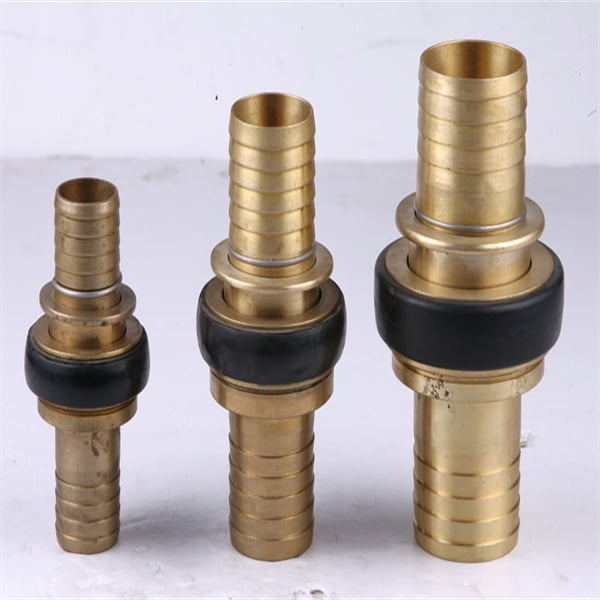
Despite their robust design, coupling fire hydrants can encounter several common issues. Understanding these challenges can help buyers take preventive measures:
Leakage: Over time, seals may degrade, leading to leaks. Regular maintenance and inspections should be conducted to identify and replace worn seals before they lead to significant water loss.
Corrosion: Even with corrosion-resistant materials, environmental factors can lead to deterioration. Implementing protective coatings or selecting hydrants with superior corrosion resistance can mitigate this issue.
Compatibility Issues: Incompatible couplings can hinder effective firefighting efforts. Before purchasing, confirm the specifications of existing firefighting equipment to ensure compatibility.
Operational Delays: Improperly maintained hydrants may become difficult to operate during emergencies. Regular training for firefighters and maintenance staff on hydrant operation can ensure readiness.
By addressing these common issues proactively, organizations can enhance the reliability of their firefighting infrastructure.
Understanding the cost structure is crucial for any purchasing manager. Several factors influence the price of coupling fire hydrants:
Material Costs: The choice of materials directly affects pricing. Higher-grade materials may come with a premium but can offer extended service life and reduced maintenance costs.
Manufacturing Complexity: Custom features or specialized designs will generally increase production costs. Buyers should weigh the benefits of customization against the additional expense.
Volume Discounts: Many manufacturers offer tiered pricing based on order quantity. Evaluating the total cost of ownership for larger orders can lead to significant savings.
Shipping and Handling: Consider transportation costs, especially for large orders that may require special shipping arrangements. Understanding the logistics involved can help avoid unforeseen expenses.
Engaging manufacturers like Jiangsu Nantong Longtao Fire-Hose Group Co., Ltd., who have robust export capabilities, can also streamline the procurement process and potentially reduce costs.
Jiangsu Nantong Longtao Fire-Hose Group Co., Ltd. is officially recognized by the Ministry of Public Security as a designated enterprise for the production of fire hoses, fire hydrants, and fire boxes. This designation underscores the company's compliance with stringent national standards and its commitment to producing high-quality fire safety equipment. Being a government-designated enterprise also reflects the company's reliability and trustworthiness in the industry.
Jiangsu Nantong Longtao Fire-Hose Group Co., Ltd. has successfully exported its high-quality products to numerous countries, including the United States, Germany, Italy, Russia, South Korea, Japan, Vietnam, and the Middle East. The company adheres to a customer-first philosophy, offering high-quality, cost-effective products and services. Its commitment to honest cooperation and mutual benefit ensures long-term partnerships and a win-win situation for both the company and its clients. This global presence and customer-centric approach highlight the company's ability to compete and thrive in the international market.
With an annual production capacity of 10 million meters of fire hose and 7,000 sets of fire hydrant boxes, the company demonstrates its ability to meet large-scale demands efficiently. The product range is extensive, including lined fire hoses (single and double jacket), double-coated fire hoses, fire hose reels, plastic-coated hoses, spray fire hoses, garden hoses, and specialized nozzles and couplings that meet various international standards. This diversity allows the company to cater to a wide array of customer needs across different markets.
The company places a strong emphasis on quality, which is fundamental to its survival and success. It is dedicated to the manufacturing, production, and research and development of fire-fighting equipment, including custom-made solutions for domestic and foreign professional fire brigades. The company holds multiple patent certificates for its independently developed intellectual property products, showcasing its innovative capabilities and commitment to advancing fire safety technology.
Coupling fire hydrants are versatile components used across multiple sectors, each with unique requirements:
Municipal Infrastructure: Fire hydrants are crucial for urban firefighting needs, providing immediate access to water for emergency responders.
Industrial Facilities: Manufacturing plants often require specialized hydrants capable of withstanding harsh chemicals or extreme environmental conditions.
Commercial Properties: Retail and office buildings utilize coupling fire hydrants as part of their fire safety plans, ensuring compliance with fire codes and regulations.
Agricultural Applications: In agricultural settings, fire hydrant hose may be used for irrigation systems as well as fire safety, highlighting their multifunctionality.
Understanding these applications allows buyers to select the most suitable coupling fire hydrants tailored to their specific industry needs, ensuring optimal performance and compliance with safety regulations.
coupling fire hydrants are vital tools for effective firefighting and safety management. By considering features, addressing common problems, evaluating costs, and understanding their diverse applications, purchasing managers and engineers can make informed decisions that enhance fire safety infrastructure. As a manufacturer with extensive capabilities in producing high-quality fire equipment, Jiangsu Nantong Longtao Fire-Hose Group Co., Ltd. stands ready to meet the diverse needs of businesses and municipalities in their firefighting efforts.

Welcome to Jiangsu Nantong Longtao, we are a leading manufacturer specialize in fire hoses, fire hydrants and fire boxes.
No.888 Renmin South Road, Dayu Town,Rudong County, Nantong City, Jiansu Province
Copyright © EVERBRIGHT FIRE-FIGHTING EQUIPMENT(NANTONG)CO., LTD. All Rights Reserved
 EN
 AR
 FR
 DE
 KO
 CS
 DA
 NL
 FI
 EL
 IT
 JA
 NO
 PL
 PT
 RO
 RU
 ES
 SV
 TL
 IW
 ID
 LV
 LT
 SR
 SK
 SL
 UK
 SQ
 ET
 HU
 TH
 TR
 FA
 AF
 IS
 MK
 KA
 UR
 BN