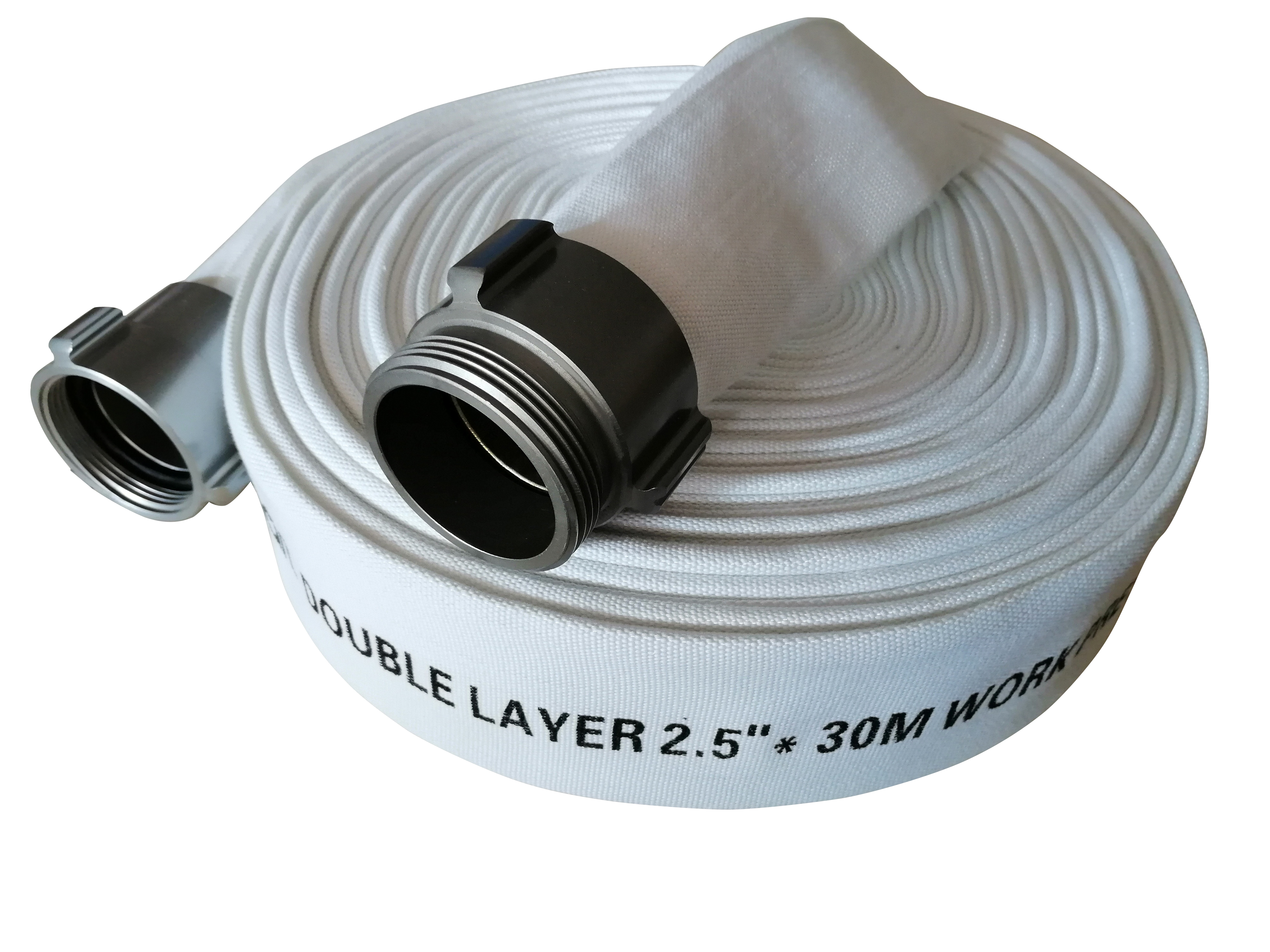
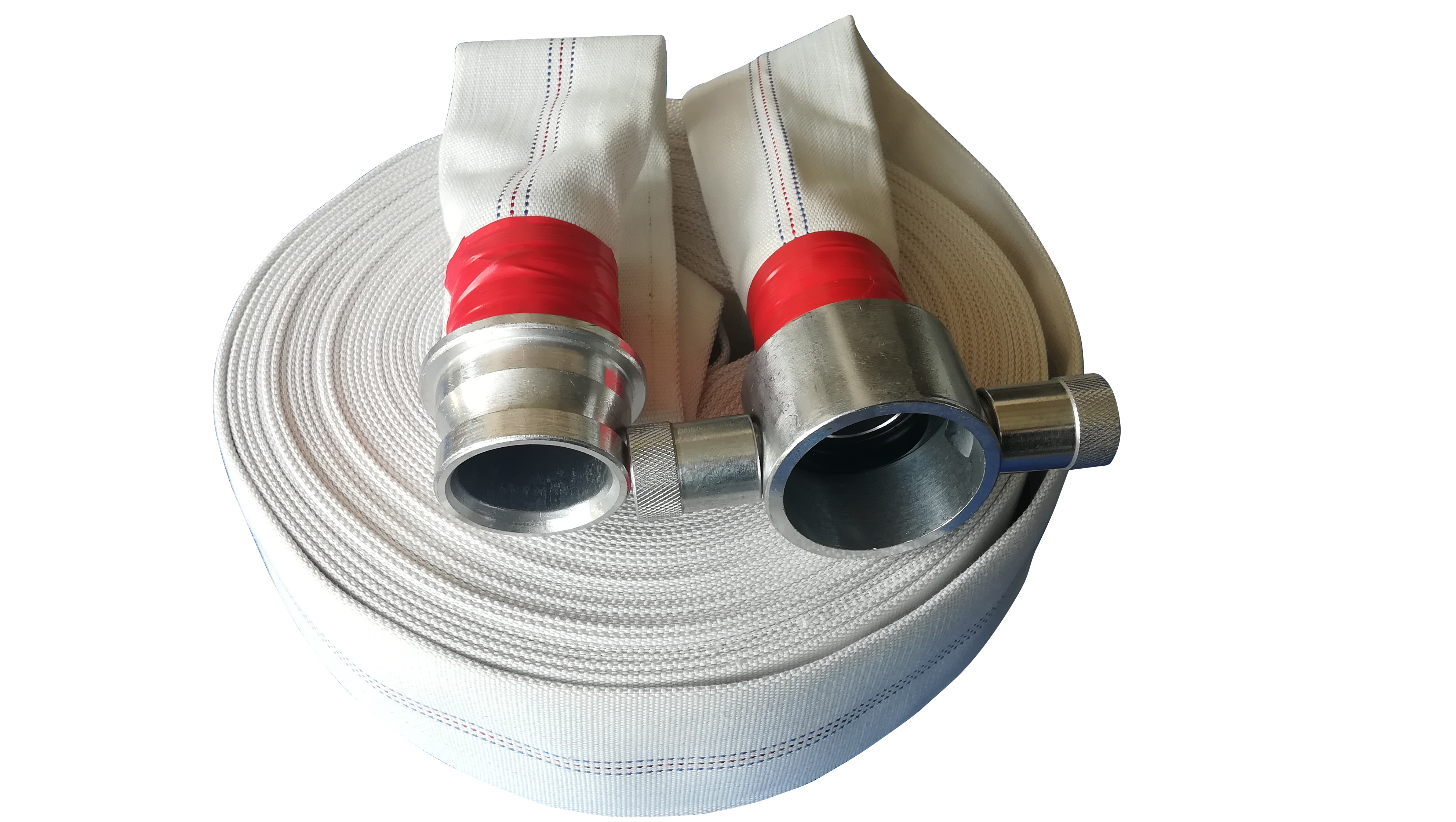
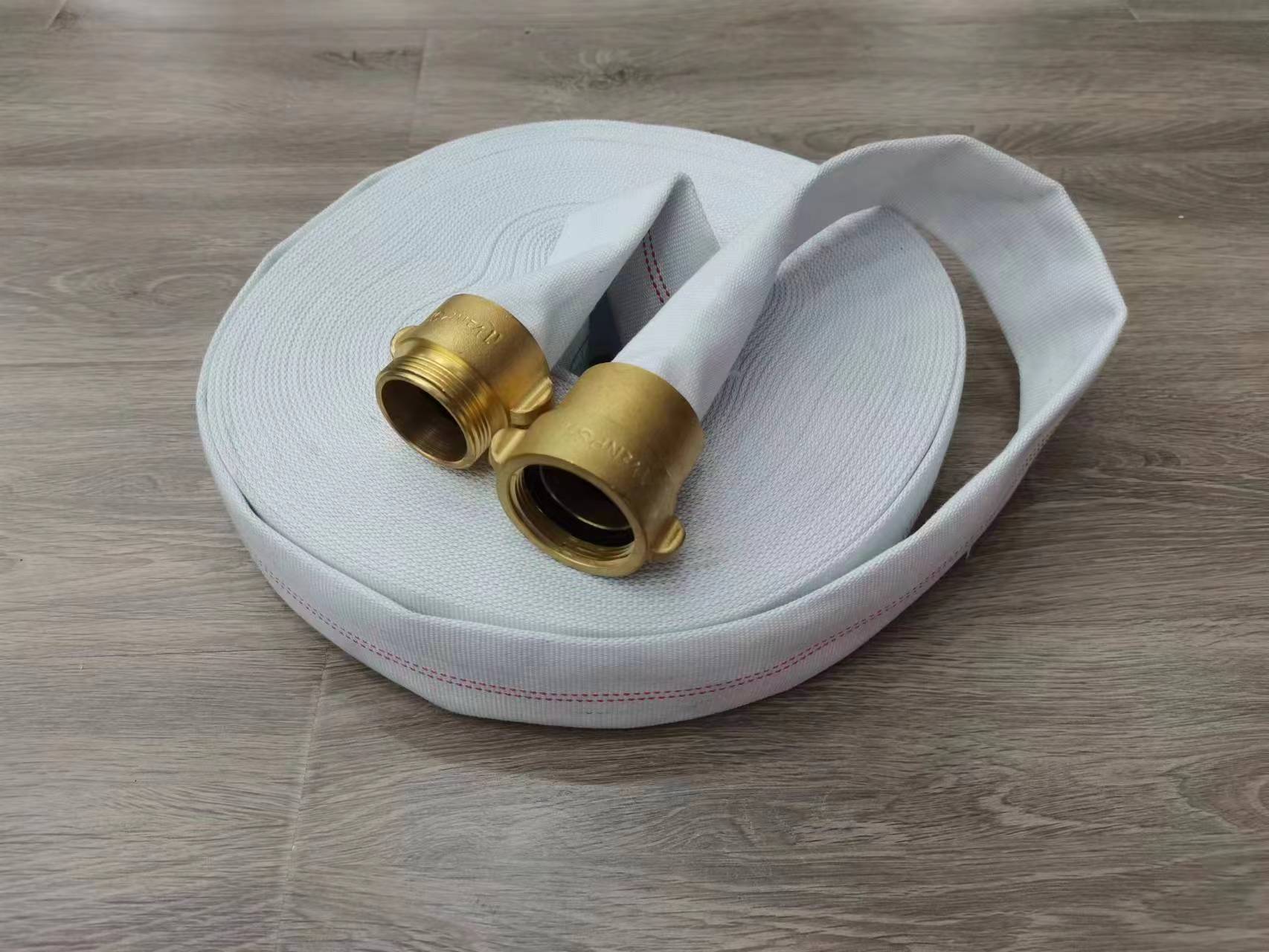
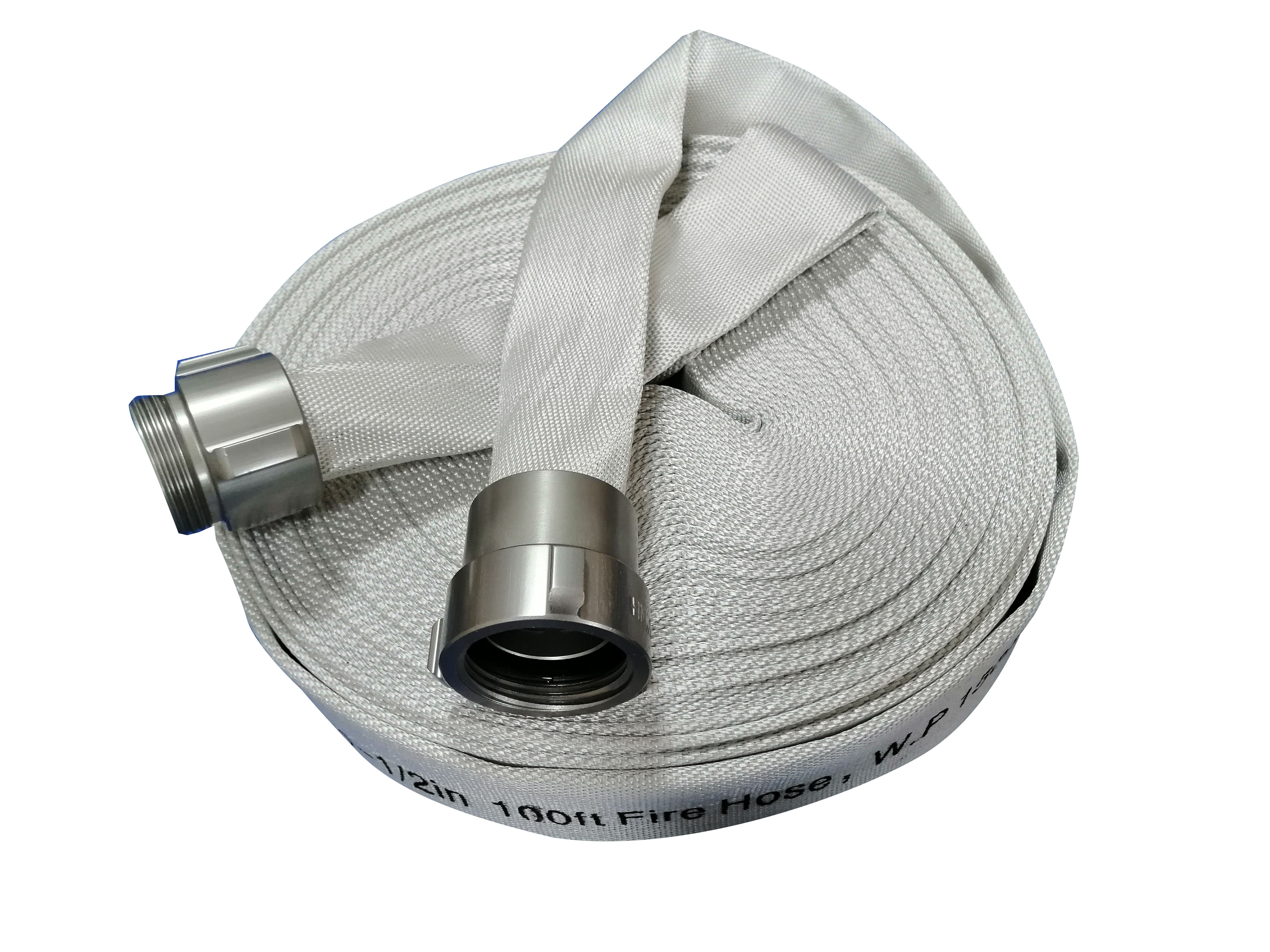
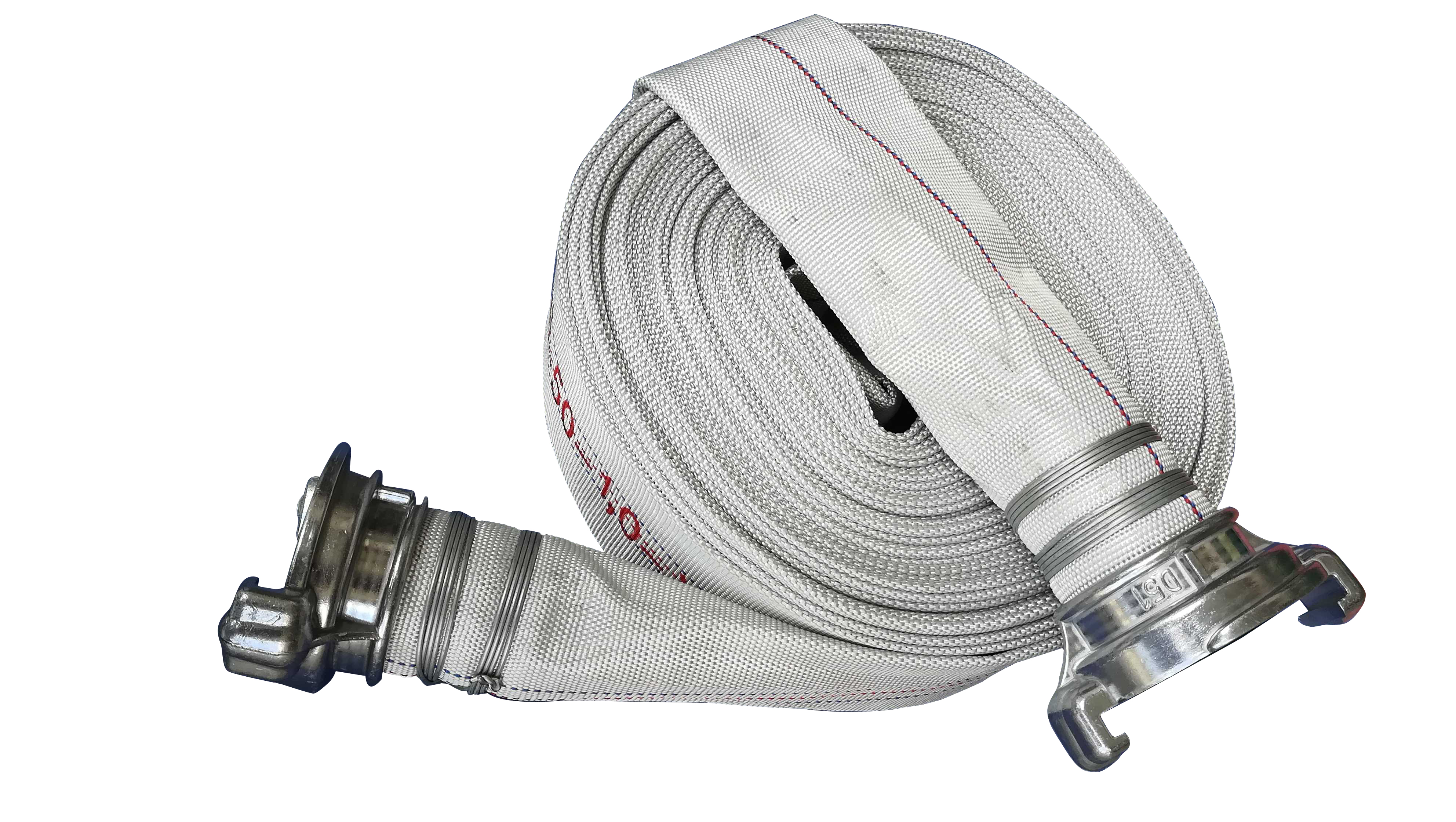
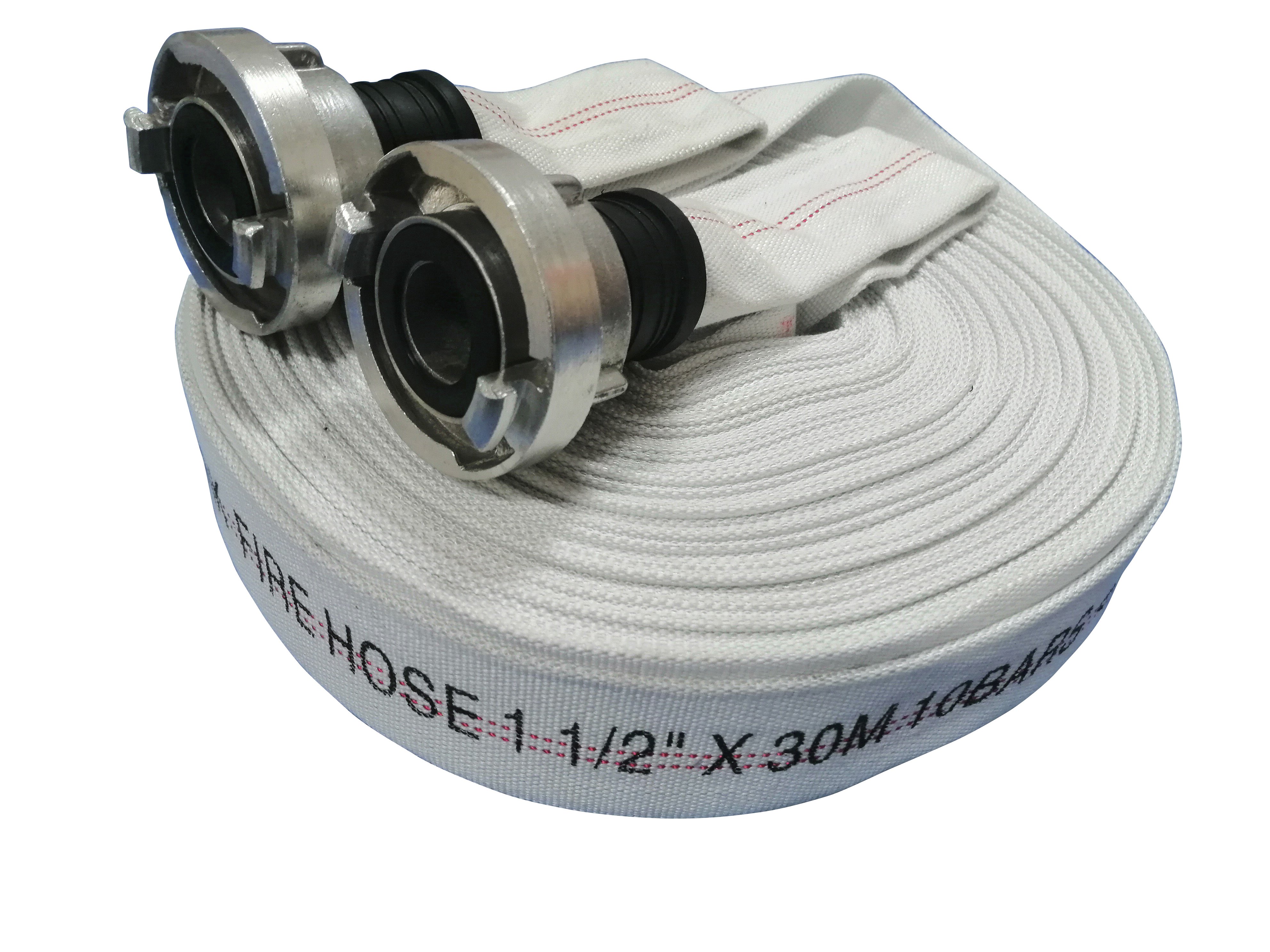
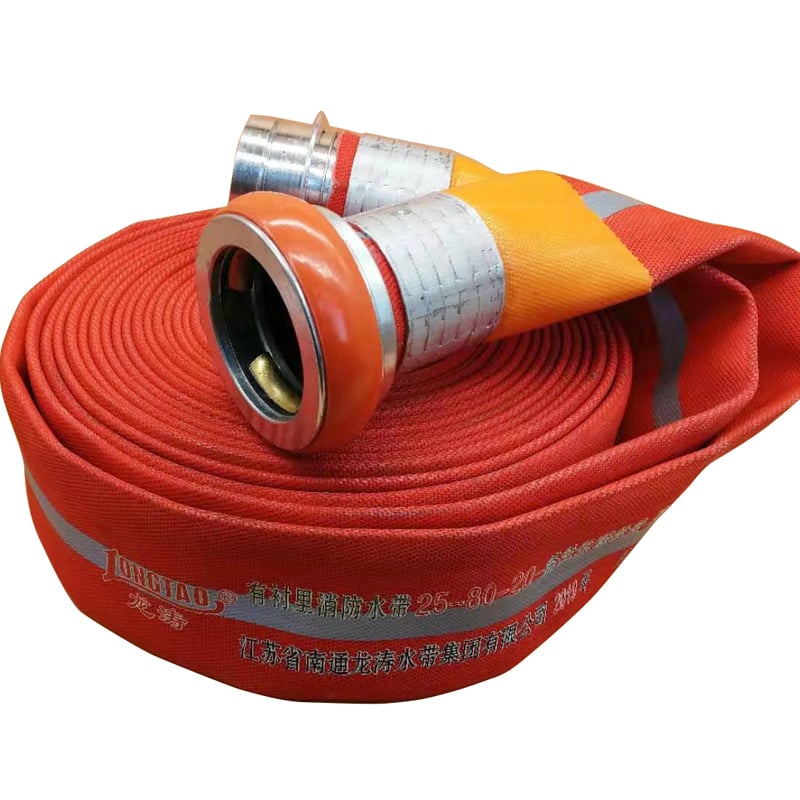
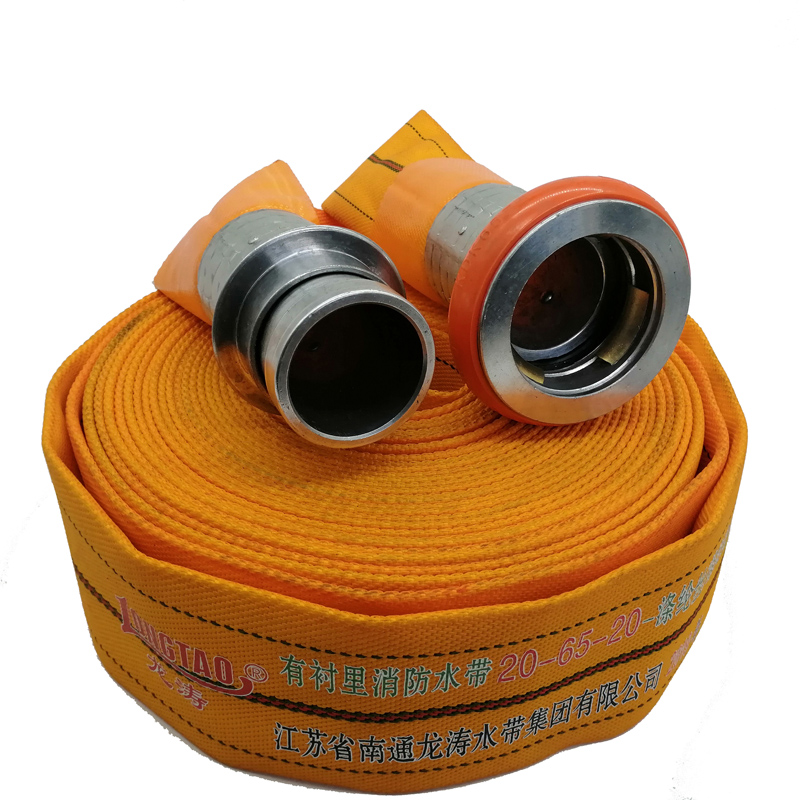
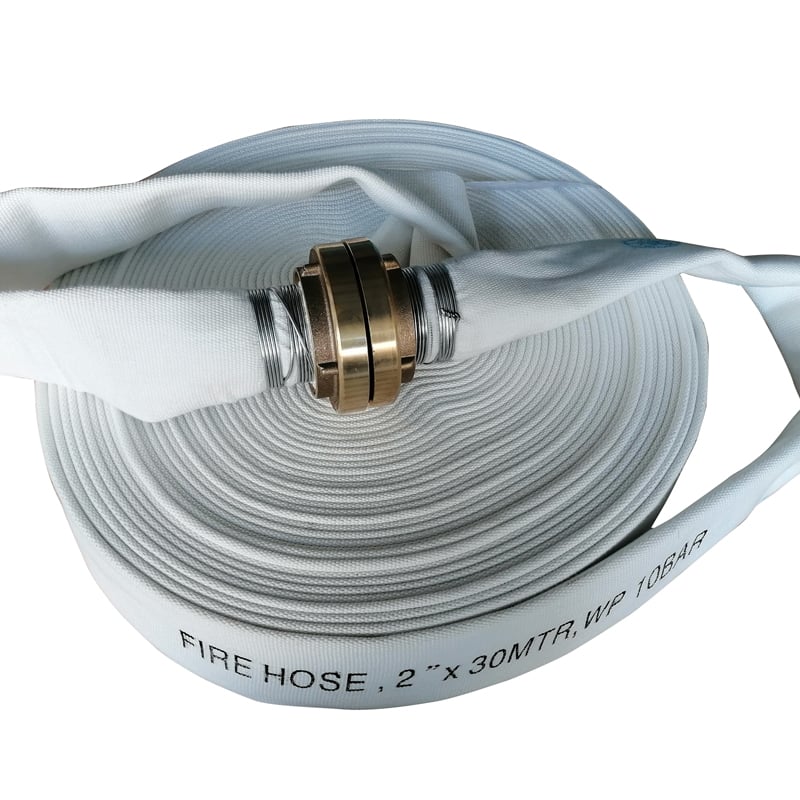
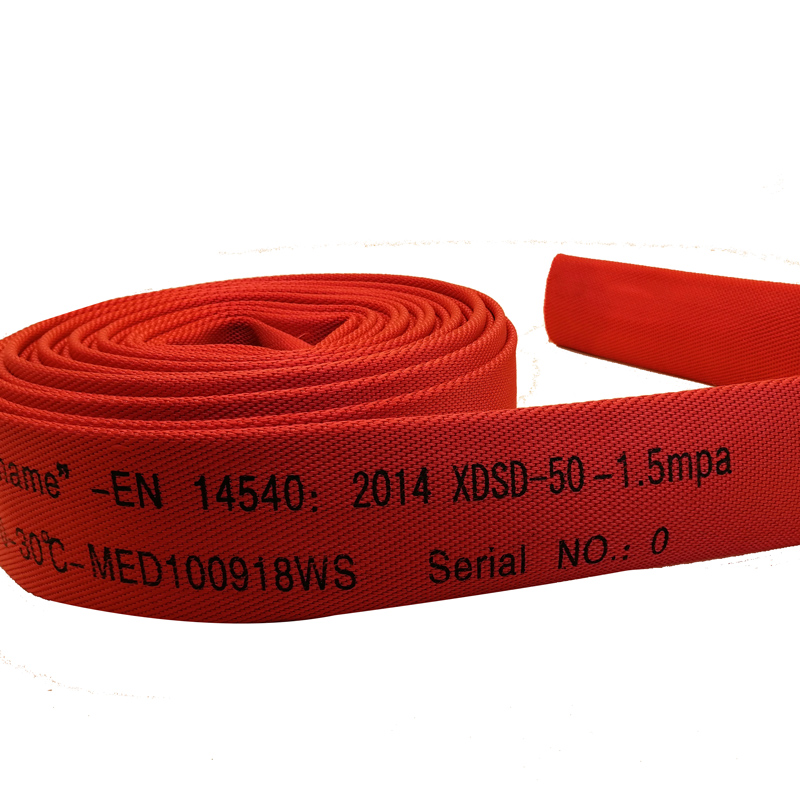
Canvas lay flat hoses are essential flexible conduits used in various applications, including agriculture, construction, and firefighting. These hoses are designed to lay flat when not in use, which makes storage and transportation easier. As a B2B buyer, you may have concerns about the specifications, compatibility, and pricing of canvas lay flat hoses for your projects. This article aims to provide you with practical insights into selecting the right canvas layflat hose, understanding key specifications, installation guidance, supplier comparisons, and ensuring reliable performance.
When selecting a canvas lay flat hose, it's crucial to consider the specific application it will be used for. Various factors, including material, diameter, and pressure rating, can affect performance. For instance, if you're using the hose for firefighting applications, you might prioritize hoses made from high-quality synthetic materials that can withstand heat and pressure.
Evaluate the hose's intended use: for irrigation, a lightweight design may suffice, while for heavy-duty industrial applications, a more robust construction is necessary. Additionally, confirm that the hose canvas meets the necessary certifications for your region and intended use. Working with a reliable manufacturer like Jiangsu Nantong Longtao Fire-Hose Group Co., Ltd., known for its extensive production capabilities and quality assurance processes, can help ensure you receive a hose that meets your project requirements.
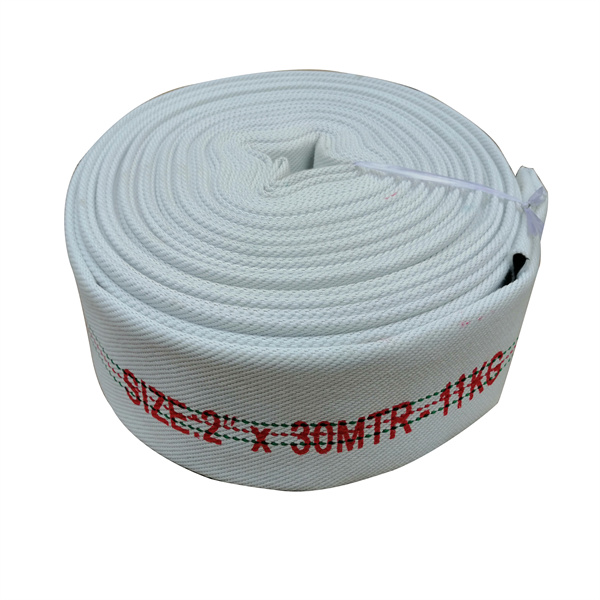
Understanding the specifications of canvas lay flat hoses is vital for making an informed purchasing decision. Key specifications include:
Material Composition: Look for hoses made from durable, high-quality materials such as PVC or rubber. These materials impact the hose's flexibility, resistance to abrasion, and overall lifespan.
Diameter and Length: Hoses come in various diameters and lengths. Ensure the dimensions align with your application needs. A lay flat rubber hose that is too narrow may restrict flow, while one that is too wide may be cumbersome to handle.
Pressure Rating: This indicates the maximum pressure the hose can withstand. For applications involving high pressure, such as firefighting or industrial use, select hoses with a higher pressure rating.
Temperature Resistance: Depending on where the hose will be used, knowing its temperature range is essential. Hoses that can withstand extreme temperatures will perform better in challenging conditions.
Each specification plays a critical role in the hose’s performance, so it’s important to assess them based on your specific requirements.
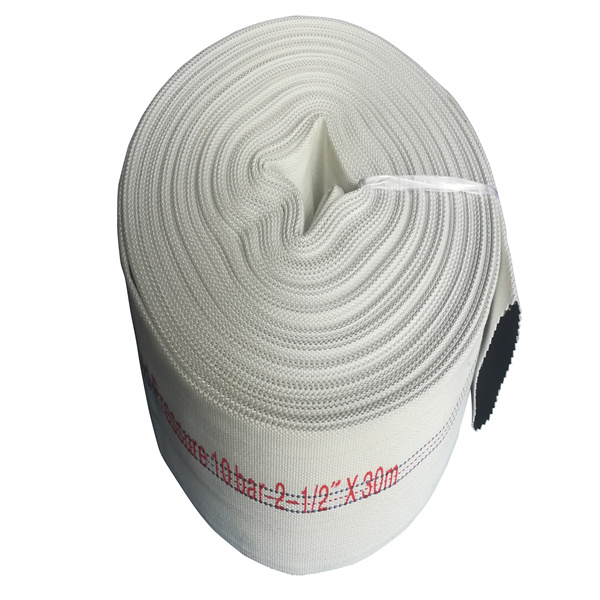
Proper installation of canvas lay flat hoses ensures optimal performance and longevity. Follow these guidelines:
Preparation: Before installing, ensure the area is clear of debris and sharp objects that may damage the hose.
Alignment: Lay the hose out flat, avoiding sharp bends or twists. If the hose is too long for your application, consider using appropriate couplings to connect multiple hoses rather than forcing a single hose into an unsuitable area.
Connections: Use compatible couplings and fittings that match the hose diameter. Improper connections can lead to leaks or hose failure.
Testing: After installation, conduct a pressure test to ensure there are no leaks. This step is crucial, especially in critical applications like firefighting.
By adhering to these guidelines, you can minimize issues related to installation and maximize the hose's operational lifespan.
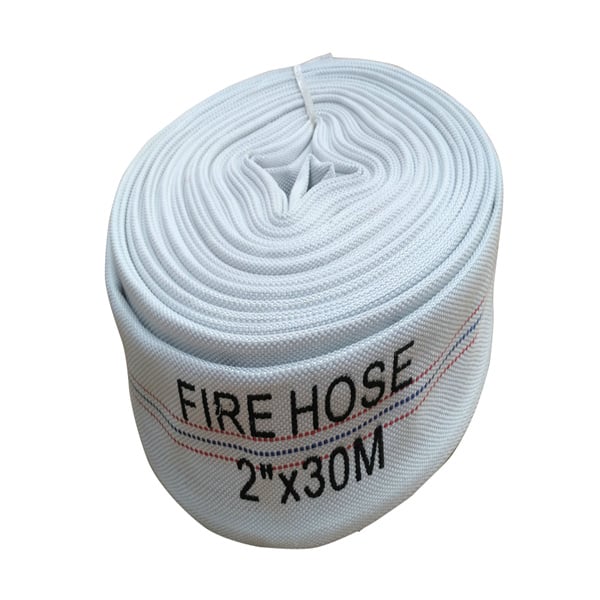
When evaluating suppliers for canvas lay flat hoses, consider several factors beyond just pricing. While cost is important, the overall value should include quality, delivery times, and customer service.
Quality Assurance: Investigate the quality control processes of potential suppliers. A manufacturer like Jiangsu Nantong Longtao Fire-Hose Group Co., Ltd., with a strong reputation for quality, can provide confidence in the product's durability and performance.
Customization Options: Some applications may require custom specifications. Check if the supplier can accommodate specific needs, such as custom lengths or additional fittings.
Minimum Order Quantities (MOQ): Understand the supplier's MOQ policies. This is particularly important if you only need a small number of hoses for a project.
Lead Times: Clarify the expected lead times for production and delivery. Timely delivery can be crucial for project scheduling.
By comparing these factors, you can make an informed decision that balances cost with quality and service.
Jiangsu Nantong Longtao Fire-Hose Group Co., Ltd. is officially recognized by the Ministry of Public Security as a designated enterprise for the production of fire hoses, fire hydrants, and fire boxes. This designation underscores the company's compliance with stringent national standards and its commitment to producing high-quality fire safety equipment. Being a government-designated enterprise also reflects the company's reliability and trustworthiness in the industry.
Jiangsu Nantong Longtao Fire-Hose Group Co., Ltd. has successfully exported its high-quality products to numerous countries, including the United States, Germany, Italy, Russia, South Korea, Japan, Vietnam, and the Middle East. The company adheres to a customer-first philosophy, offering high-quality, cost-effective products and services. Its commitment to honest cooperation and mutual benefit ensures long-term partnerships and a win-win situation for both the company and its clients. This global presence and customer-centric approach highlight the company's ability to compete and thrive in the international market.
The company places a strong emphasis on quality, which is fundamental to its survival and success. It is dedicated to the manufacturing, production, and research and development of fire-fighting equipment, including custom-made solutions for domestic and foreign professional fire brigades. The company holds multiple patent certificates for its independently developed intellectual property products, showcasing its innovative capabilities and commitment to advancing fire safety technology.
With an annual production capacity of 10 million meters of fire hose and 7,000 sets of fire hydrant boxes, the company demonstrates its ability to meet large-scale demands efficiently. The product range is extensive, including lined fire hoses (single and double jacket), double-coated fire hoses, fire hose reels, plastic-coated hoses, spray fire hoses, garden hoses, and specialized nozzles and couplings that meet various international standards. This diversity allows the company to cater to a wide array of customer needs across different markets.
To ensure the reliable performance of canvas lay flat hoses, consider the following best practices:
Regular Inspections: Conduct regular visual inspections for signs of wear, kinks, or damage. Addressing issues early can prevent more significant problems down the line.
Proper Storage: When not in use, store hoses in a cool, dry environment, away from direct sunlight and extreme temperatures. This helps maintain the integrity of the materials.
Maintenance: Clean the hoses regularly to remove any debris or residues that could cause blockages or deterioration.
Sampling: Before placing a large order, request samples to test under actual operating conditions. This allows you to verify performance and suitability for your specific application.
By implementing these practices, you can enhance the lifespan and reliability of your canvas lay flat hoses, ensuring they perform effectively when needed.

Welcome to Jiangsu Nantong Longtao, we are a leading manufacturer specialize in fire hoses, fire hydrants and fire boxes.
No.888 Renmin South Road, Dayu Town,Rudong County, Nantong City, Jiansu Province
Copyright © EVERBRIGHT FIRE-FIGHTING EQUIPMENT(NANTONG)CO., LTD. All Rights Reserved
 EN
 AR
 FR
 DE
 KO
 CS
 DA
 NL
 FI
 EL
 IT
 JA
 NO
 PL
 PT
 RO
 RU
 ES
 SV
 TL
 IW
 ID
 LV
 LT
 SR
 SK
 SL
 UK
 SQ
 ET
 HU
 TH
 TR
 FA
 AF
 IS
 MK
 KA
 UR
 BN