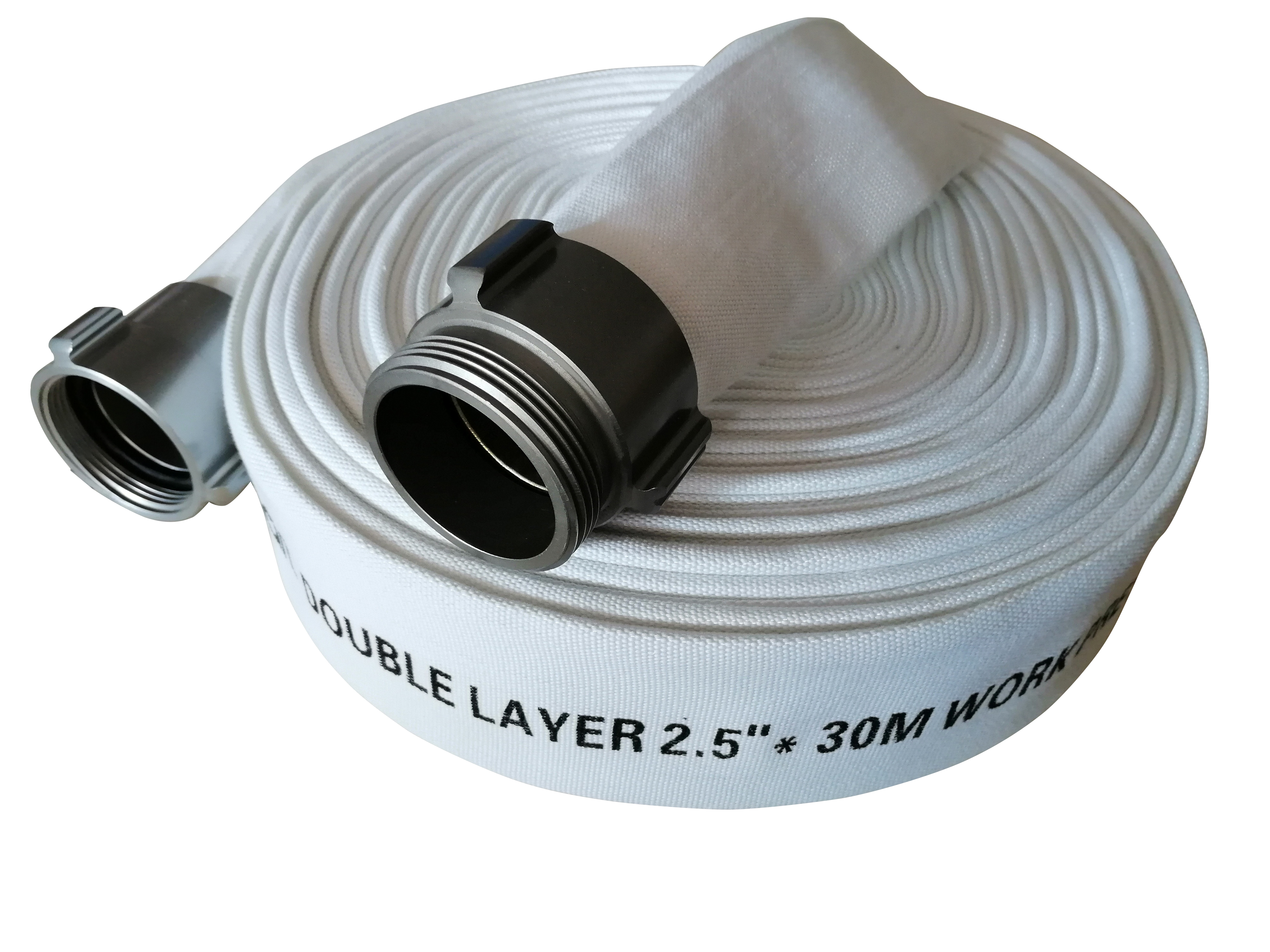
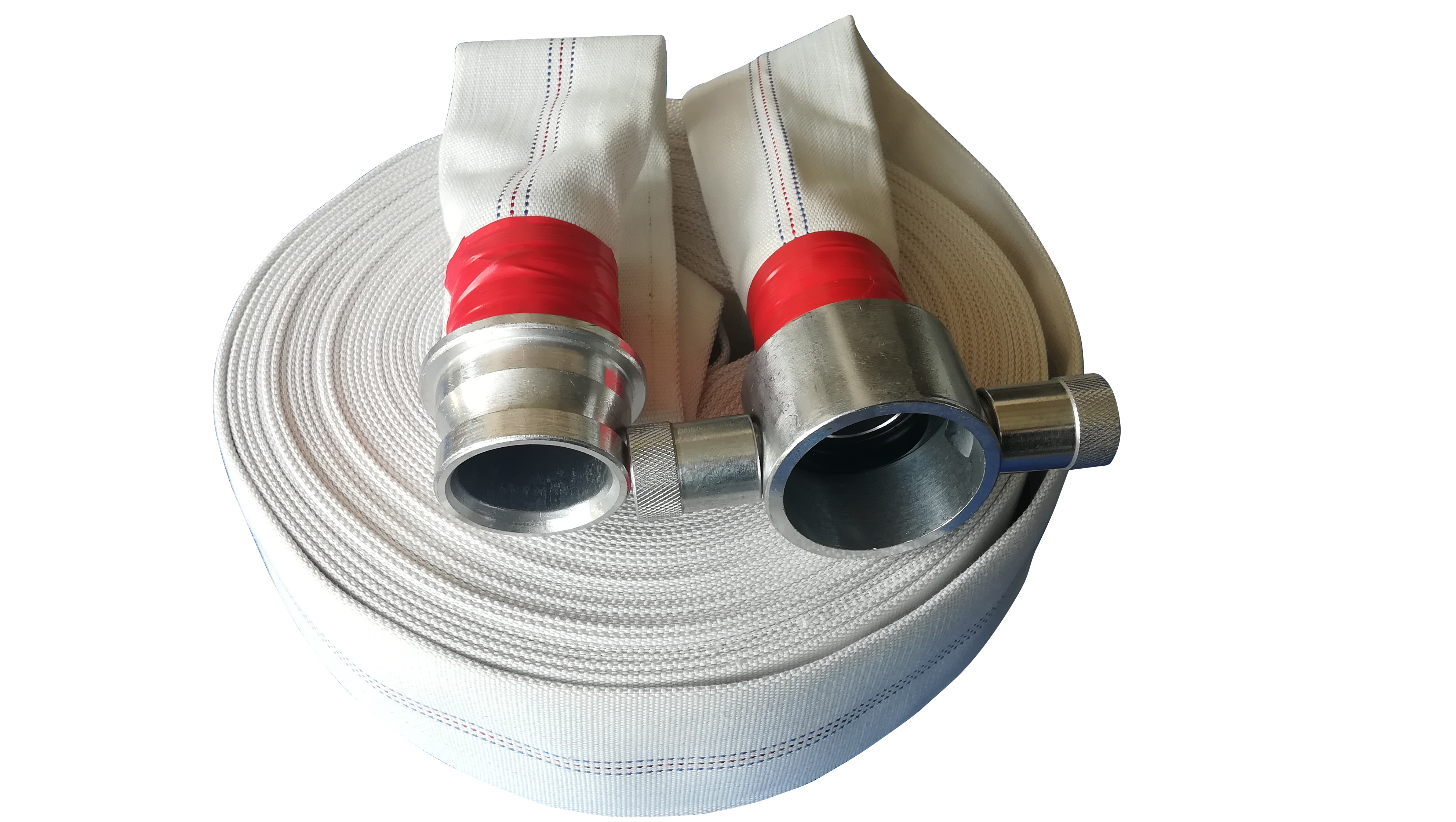
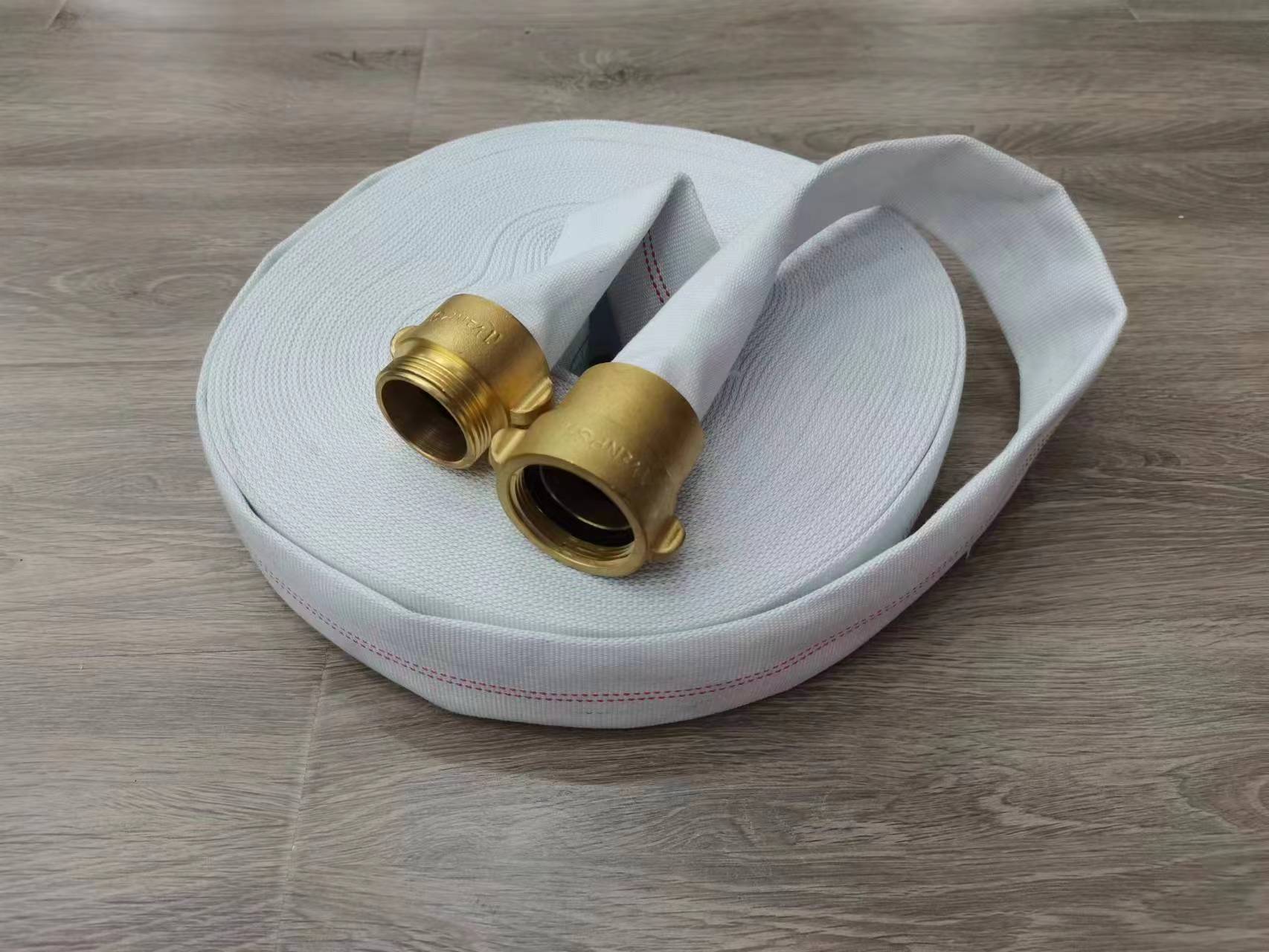
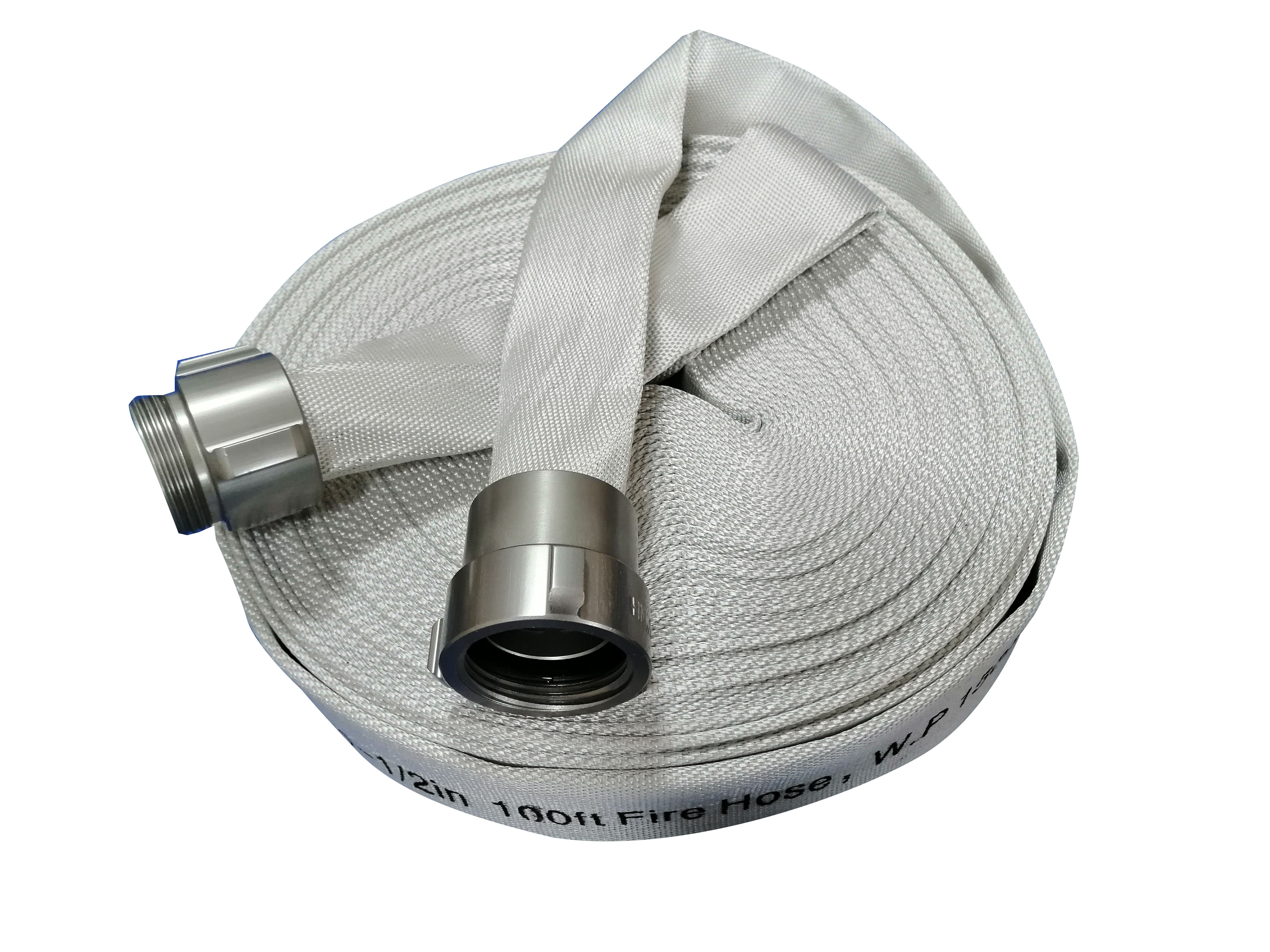
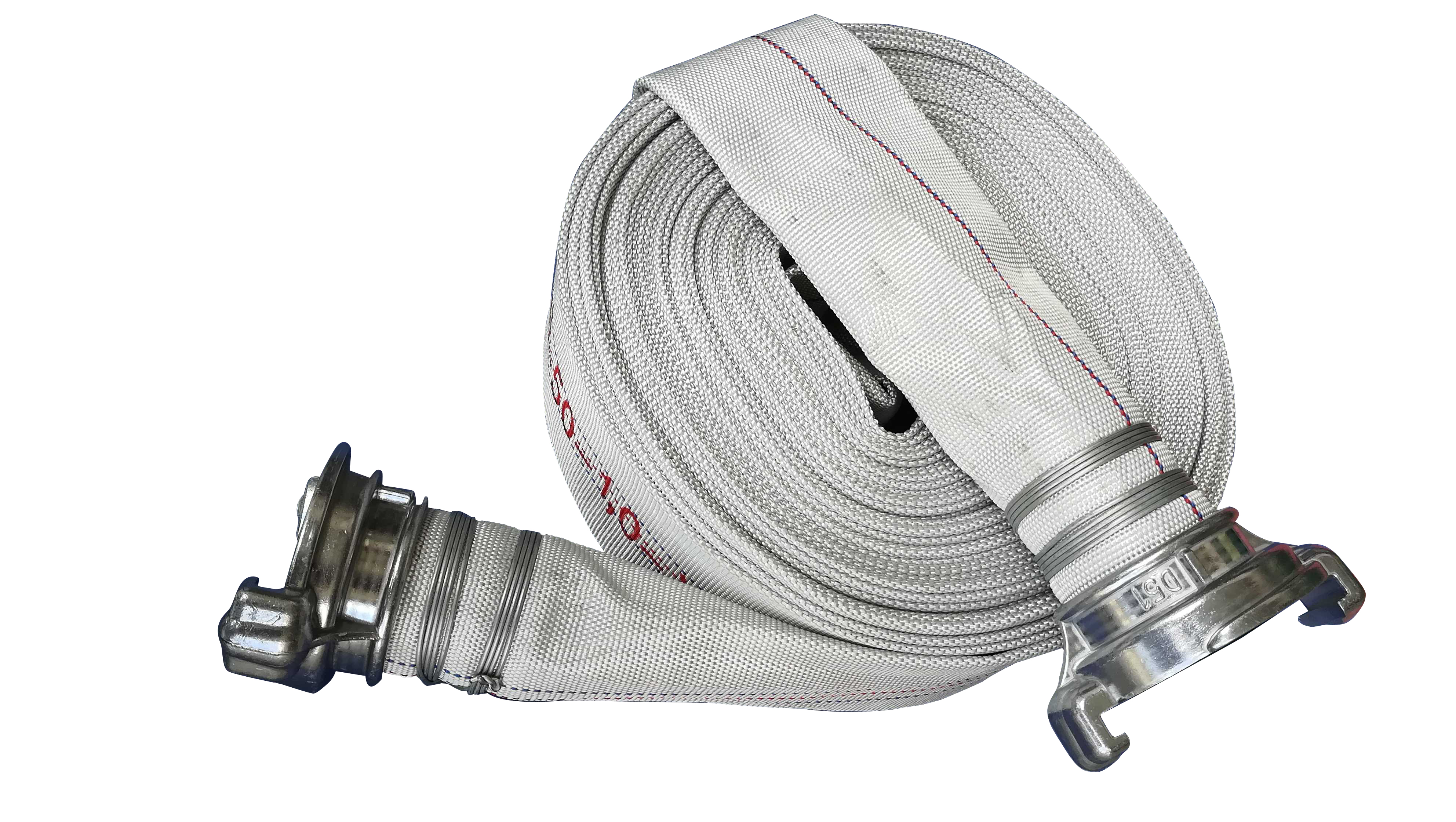
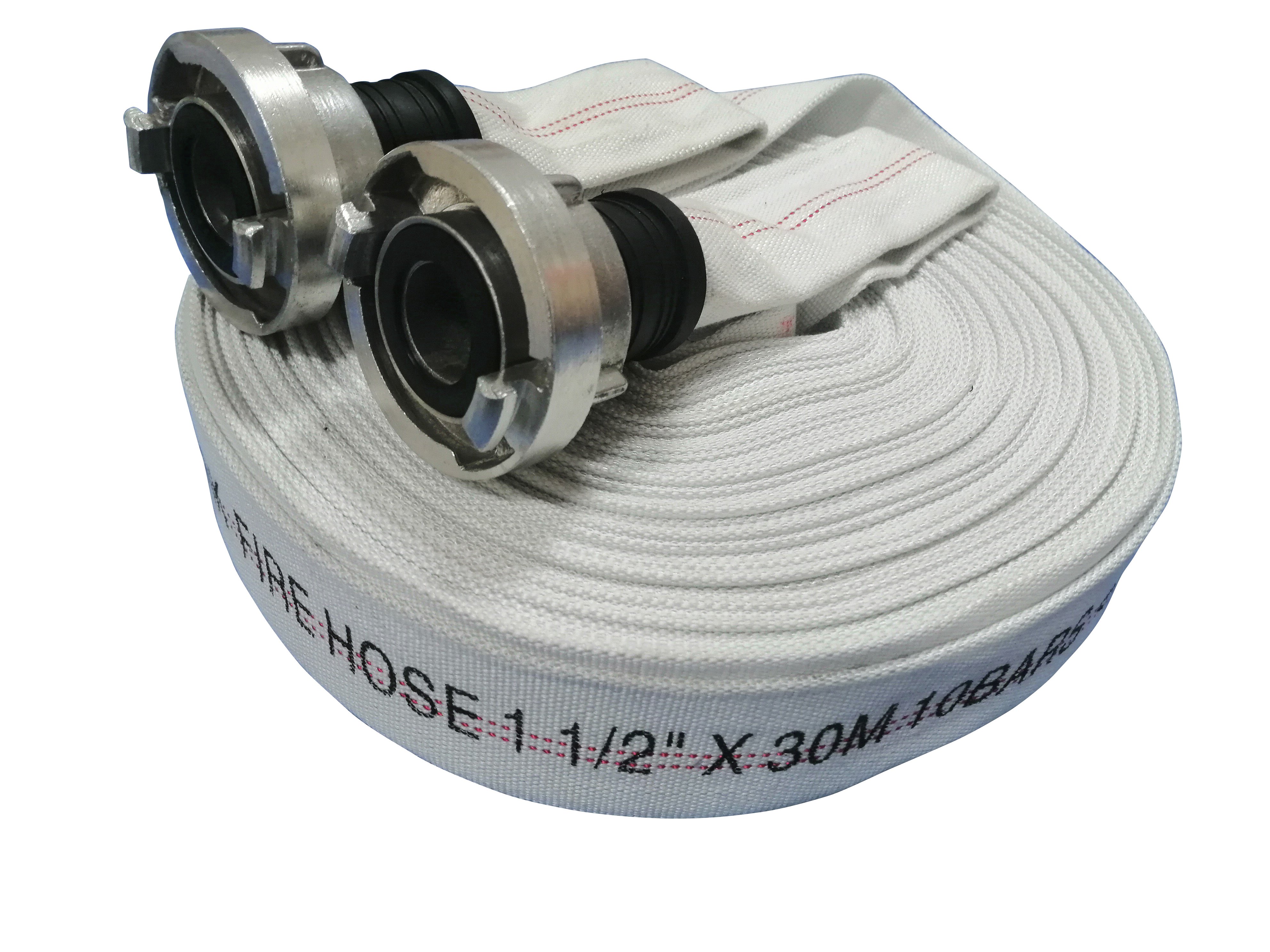
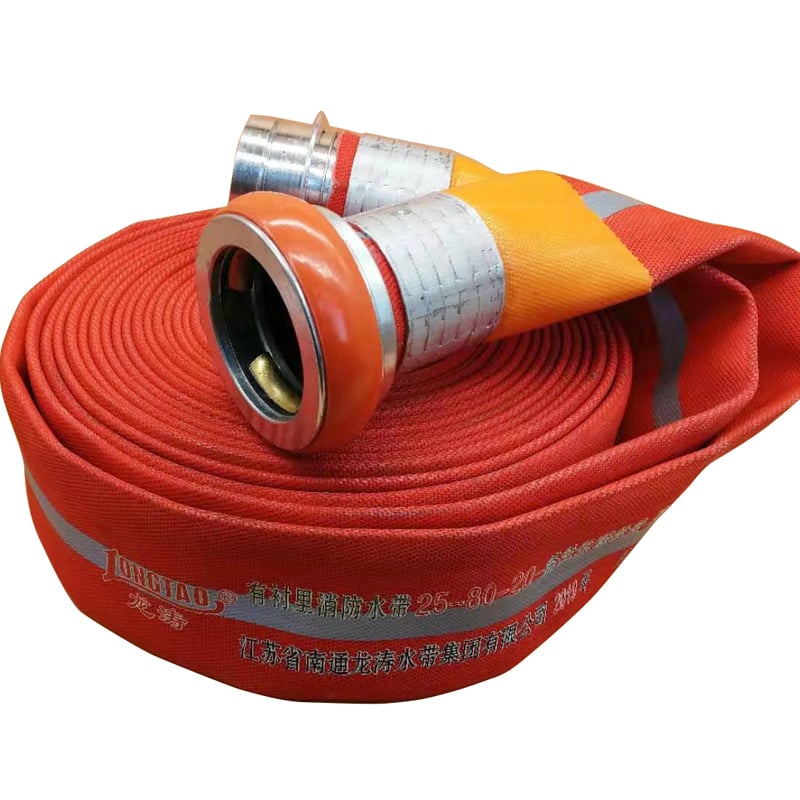
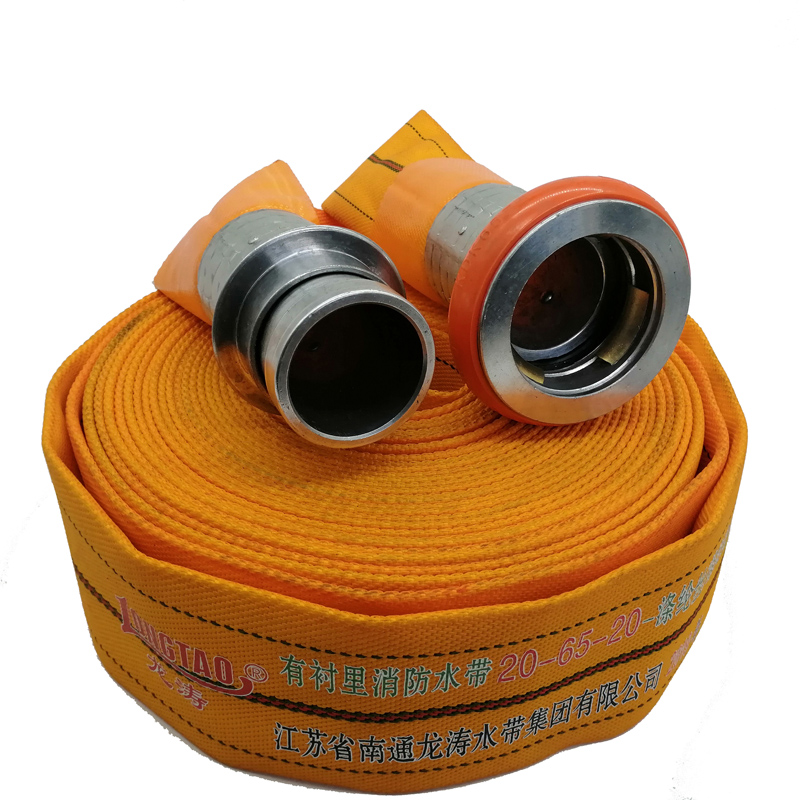
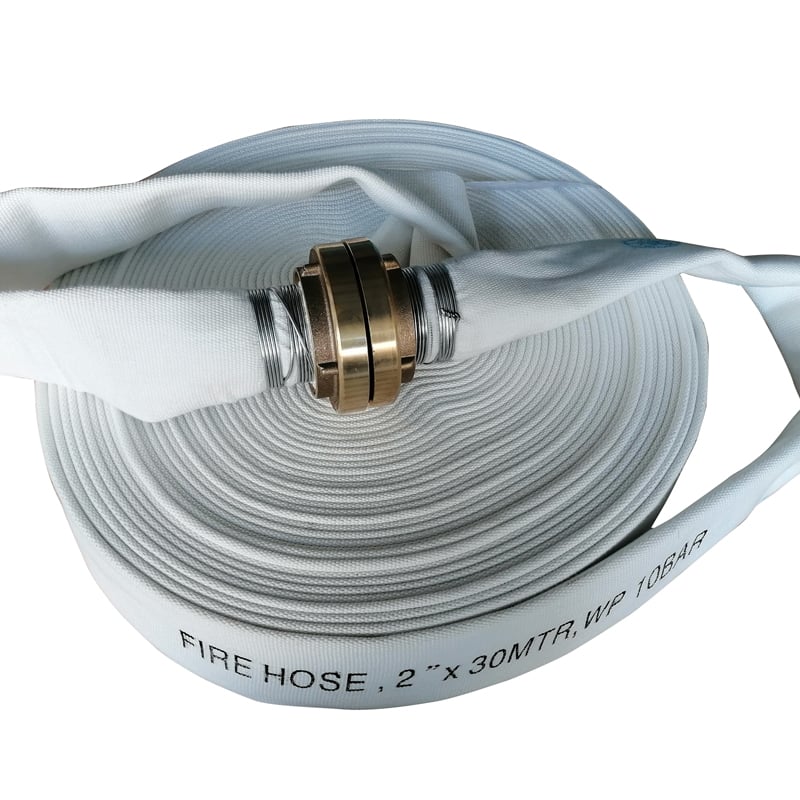
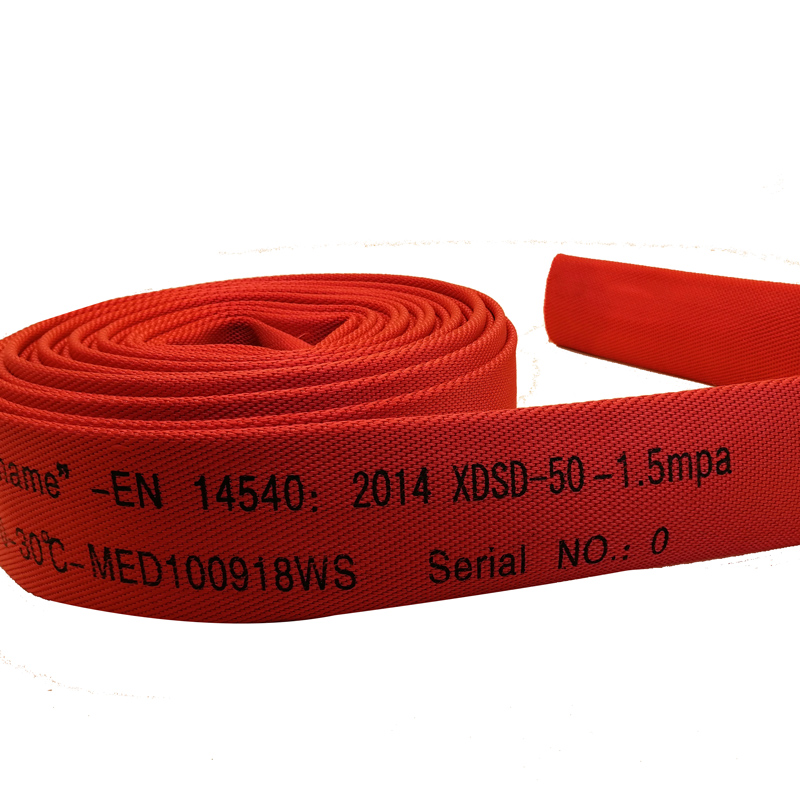
Cabinet fire hoses are essential components of fire safety systems, designed for rapid deployment in emergencies. Sourced from reliable manufacturers, these hoses must meet specific technical standards to ensure they perform effectively under pressure. Buyers, such as purchasing managers and safety officers, often seek detailed information on specifications, quality control, pricing, and applications to make informed decisions. This article will provide valuable insights into evaluating cabinet fire hoses, focusing on key specifications, quality control measures, purchasing options, cost factors, and their applications across various industries.
When sourcing cabinet fire hoses, several key specifications should be evaluated to ensure the selected product meets operational demands. These include:
Material Composition: Cabinet fire hoses are typically made from durable materials such as PVC, rubber, or a combination of both. The material affects the hose's flexibility, longevity, and resistance to environmental factors. For instance, hoses made from high-quality synthetic materials can withstand extreme temperatures and chemical exposure, which is crucial in industrial settings.
Diameter and Length: The diameter of the hose impacts the flow rate and pressure capabilities. Common diameters for cabinet fire hoses range from 1 to 2.5 inches, with lengths varying based on the application and intended use. Buyers should consider the intended installation location to determine the appropriate length and diameter for effective firefighting.
Working Pressure: Each 2 inch double jacket fire hose is rated for a specific working pressure, typically ranging from 150 psi to 300 psi. This specification is vital as it determines how much pressure the hose can handle without rupturing. Buyers should ensure that the working pressure aligns with the demands of their firefighting systems.
Coupling Types: The coupling design influences how hoses connect to hydrants and nozzles. Standard options include threaded and quick-connect couplings, which provide different benefits in terms of ease of use and compatibility with existing firefighting equipment.
Testing Standards: Look for hoses that comply with recognized testing standards, such as those set by the National Fire Protection Association (NFPA) or Underwriters Laboratories (UL). Compliance with these standards ensures that the hoses meet safety and performance requirements.
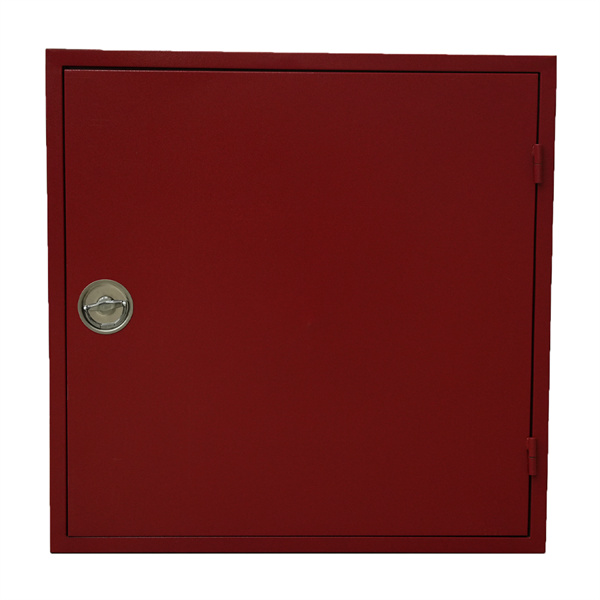
Quality control is paramount in the manufacturing of cabinet fire hoses to ensure reliability and safety. Jiangsu Nantong Longtao Fire-Hose Group Co., Ltd. employs several measures to maintain high standards:
Material Inspection: Each batch of raw materials undergoes rigorous testing to verify its compliance with specified standards. This includes checking for consistency in thickness, tensile strength, and chemical resistance.
In-Process Quality Checks: During production, multiple checkpoints are established to monitor the manufacturing process. This includes verifying the diameter, length, and pressure rating of hoses at various stages to catch any deviations early.
Final Product Testing: Before shipping, finished hoses are subjected to burst tests and flow tests to ensure they perform as expected under real-world conditions. Documentation of these tests can be provided to buyers to assure them of the product’s reliability.
Certification and Compliance: Ensuring that products meet international standards not only helps in maintaining quality but also builds trust with customers. Certifications indicate adherence to safety and quality regulations.
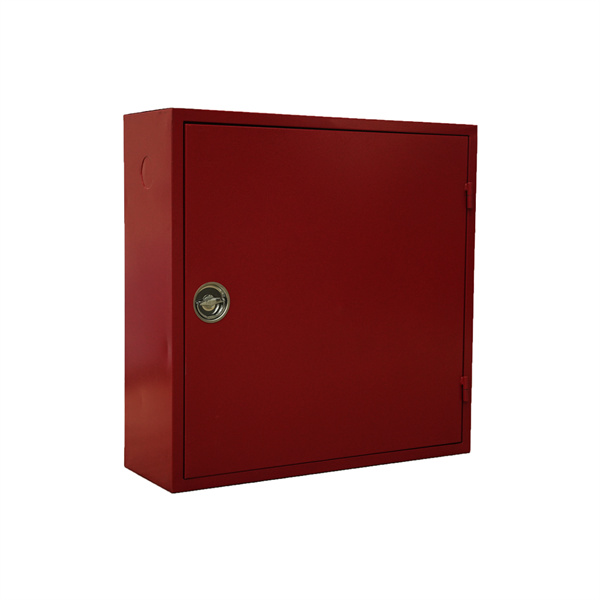
For businesses looking to purchase cabinet fire hoses in bulk, wholesale options can provide cost savings and improved supply chain efficiency. Here’s what to consider:
Minimum Order Quantities (MOQs): Manufacturers often set MOQs for bulk purchases. Understanding these requirements is essential in planning procurement strategies. Jiangsu Nantong Longtao Fire-Hose Group Co., Ltd. offers flexible MOQs, accommodating various order sizes.
Customization Options: Many suppliers allow customization of hoses, including color coding, branding, and specific coupling types. Discussing your needs upfront can lead to tailored solutions that better fit your organization’s firefighting protocols.
Packaging and Shipping: Evaluate the fire hose nozzle types packaging methods used for bulk orders. Proper packaging ensures that hoses arrive in excellent condition. Additionally, understanding shipping options and timelines can help in managing inventory effectively.
Pricing Structures: Wholesale pricing may vary based on volume, material, and customization. Requesting detailed quotations from multiple suppliers can help in comparing costs and securing the best deal.
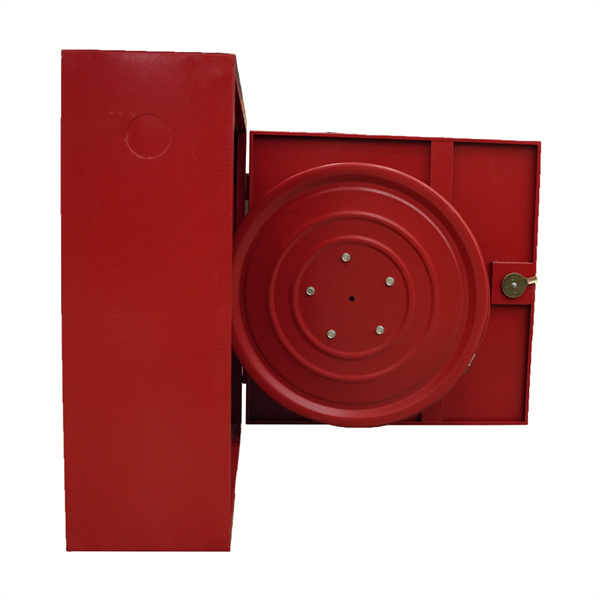
Several factors influence the pricing of cabinet fire hoses, which buyers should consider when evaluating options:
Material Quality: Higher quality materials typically lead to increased costs. However, investing in durable materials can result in lower maintenance and replacement costs over time.
Manufacturing Process: The complexity of the manufacturing process, including the level of automation and precision required, can affect pricing. Hoses produced using advanced technologies may come at a premium.
Customization: Custom features, such as specific lengths, colors, or branding, can increase costs. Buyers should weigh the benefits of customization against their budget constraints.
Market Demand: Fluctuations in market demand can influence pricing. Staying informed about industry trends can help buyers negotiate better rates or time their purchases for optimal savings.
Inventory and Lead Times: Longer lead times may necessitate higher prices due to increased logistics costs. Understanding the supplier's production capacity and delivery schedules can aid in planning and budgeting.
The company places a strong emphasis on quality, which is fundamental to its survival and success. It is dedicated to the manufacturing, production, and research and development of fire-fighting equipment, including custom-made solutions for domestic and foreign professional fire brigades. The company holds multiple patent certificates for its independently developed intellectual property products, showcasing its innovative capabilities and commitment to advancing fire safety technology.
Jiangsu Nantong Longtao Fire-Hose Group Co., Ltd. has successfully exported its high-quality products to numerous countries, including the United States, Germany, Italy, Russia, South Korea, Japan, Vietnam, and the Middle East. The company adheres to a customer-first philosophy, offering high-quality, cost-effective products and services. Its commitment to honest cooperation and mutual benefit ensures long-term partnerships and a win-win situation for both the company and its clients. This global presence and customer-centric approach highlight the company's ability to compete and thrive in the international market.
Jiangsu Nantong Longtao Fire-Hose Group Co., Ltd. is officially recognized by the Ministry of Public Security as a designated enterprise for the production of fire hoses, fire hydrants, and fire boxes. This designation underscores the company's compliance with stringent national standards and its commitment to producing high-quality fire safety equipment. Being a government-designated enterprise also reflects the company's reliability and trustworthiness in the industry.
With an annual production capacity of 10 million meters of fire hose and 7,000 sets of fire hydrant boxes, the company demonstrates its ability to meet large-scale demands efficiently. The product range is extensive, including lined fire hoses (single and double jacket), double-coated fire hoses, fire hose reels, plastic-coated hoses, spray fire hoses, garden hoses, and specialized nozzles and couplings that meet various international standards. This diversity allows the company to cater to a wide array of customer needs across different markets.
Cabinet fire hoses find applications across multiple industries due to their versatility and effectiveness in fire suppression. Key sectors include:
Industrial Facilities: Factories and manufacturing plants often use cabinet fire hoses as part of their fire protection systems, ensuring quick access to emergency firefighting equipment in areas where flammable materials are present.
Commercial Buildings: Office complexes, shopping malls, and hotels utilize cabinet fire hoses to provide safe, accessible fire suppression tools for staff and emergency responders.
Educational Institutions: Schools and universities incorporate cabinet fire hoses into their safety protocols, allowing for rapid response to fire emergencies within their facilities.
Healthcare Facilities: Hospitals and clinics rely on cabinet fire hose nozzle to maintain safety standards, providing essential firefighting equipment in critical areas where rapid response is vital.
Transportation Hubs: Airports, train stations, and bus terminals use cabinet fire hoses to ensure safety in high-traffic environments, where potential fire hazards exist.
understanding the specifications, quality control measures, purchasing options, cost factors, and applications of cabinet fire hoses is essential for making informed procurement decisions. By considering these elements, purchasing managers and safety officers can ensure they select the right products to meet their organization's fire safety needs effectively.

Welcome to Jiangsu Nantong Longtao, we are a leading manufacturer specialize in fire hoses, fire hydrants and fire boxes.
No.888 Renmin South Road, Dayu Town,Rudong County, Nantong City, Jiansu Province
Copyright © EVERBRIGHT FIRE-FIGHTING EQUIPMENT(NANTONG)CO., LTD. All Rights Reserved
 EN
 AR
 FR
 DE
 KO
 CS
 DA
 NL
 FI
 EL
 IT
 JA
 NO
 PL
 PT
 RO
 RU
 ES
 SV
 TL
 IW
 ID
 LV
 LT
 SR
 SK
 SL
 UK
 SQ
 ET
 HU
 TH
 TR
 FA
 AF
 IS
 MK
 KA
 UR
 BN