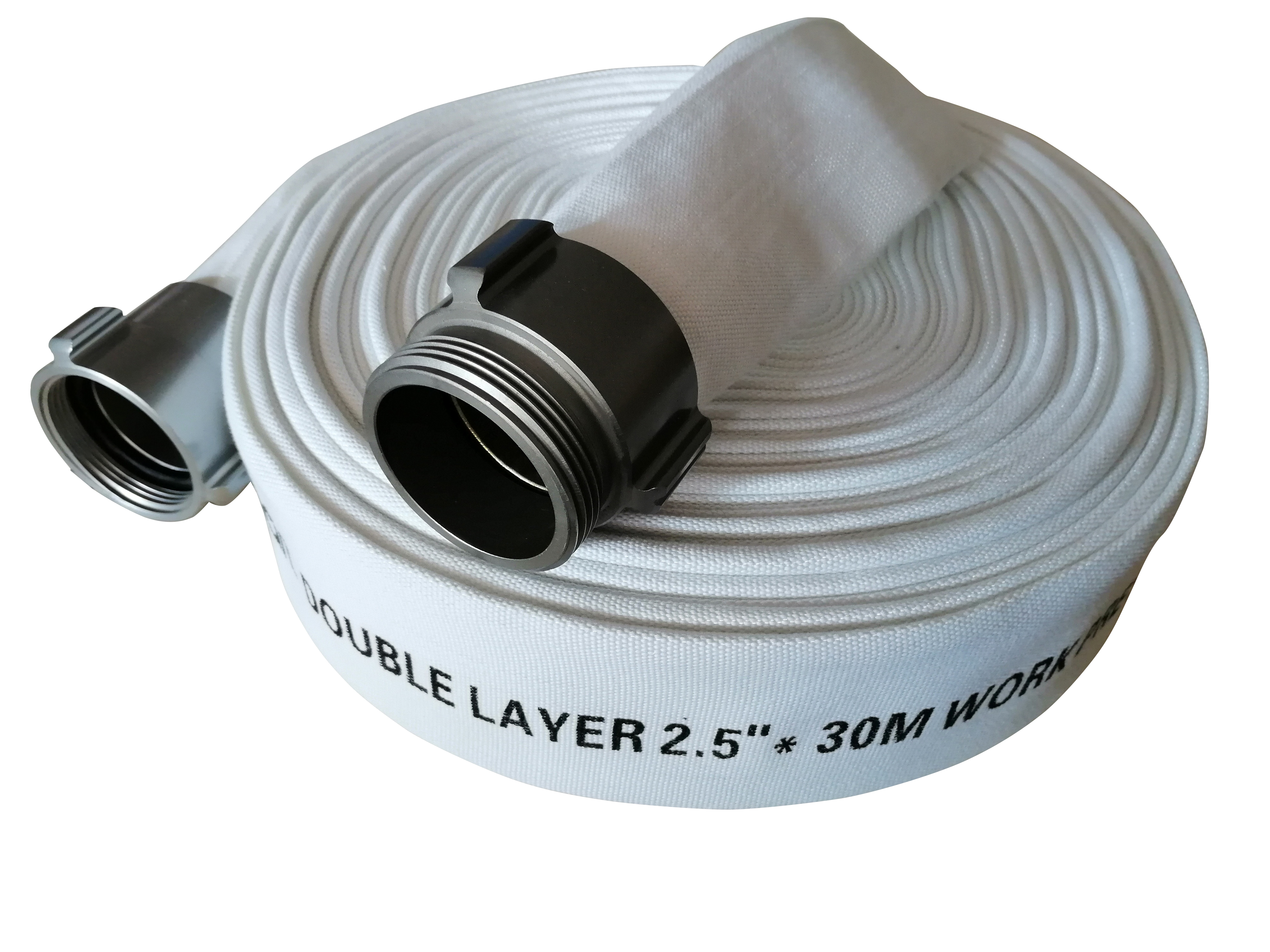
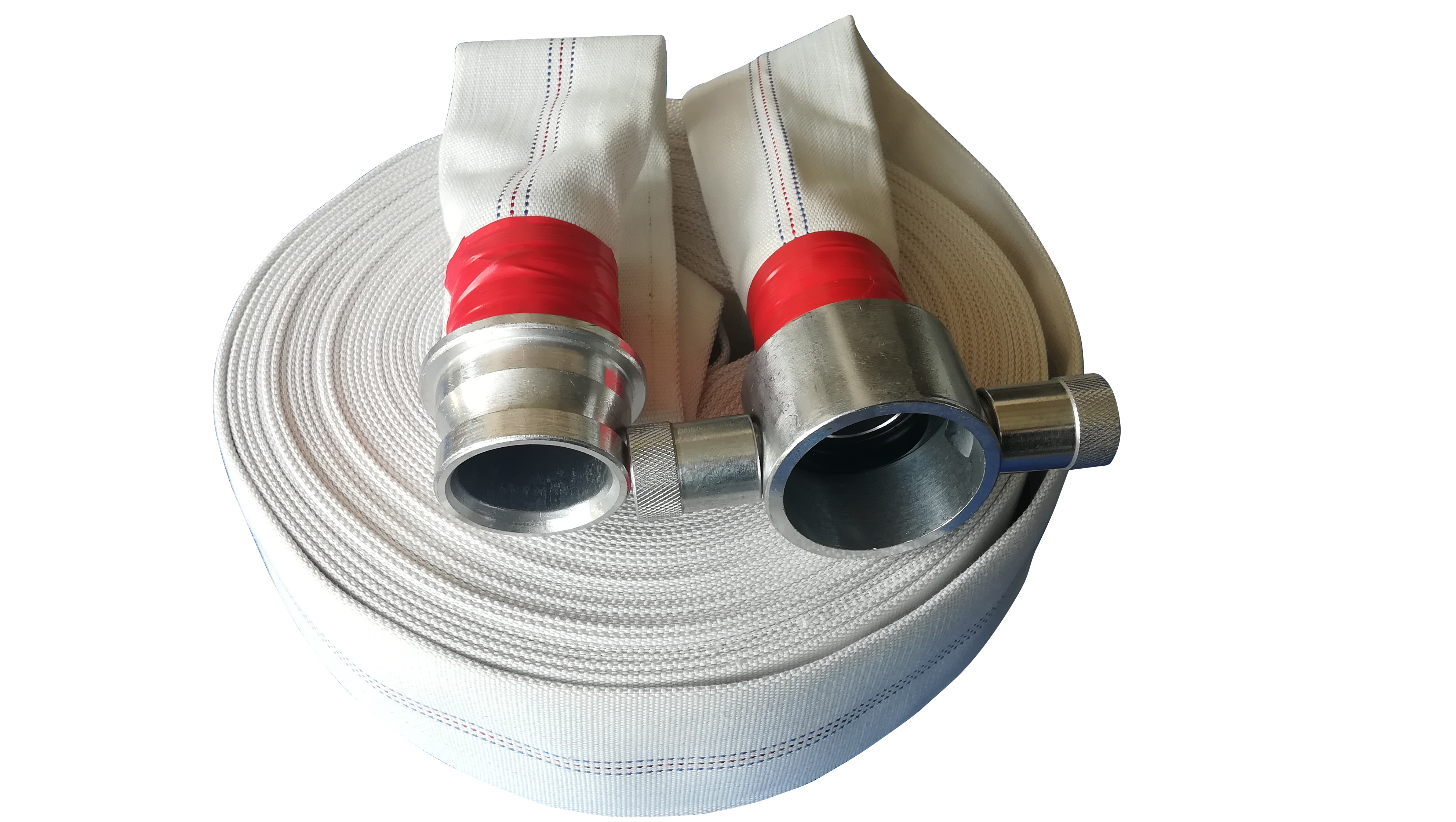
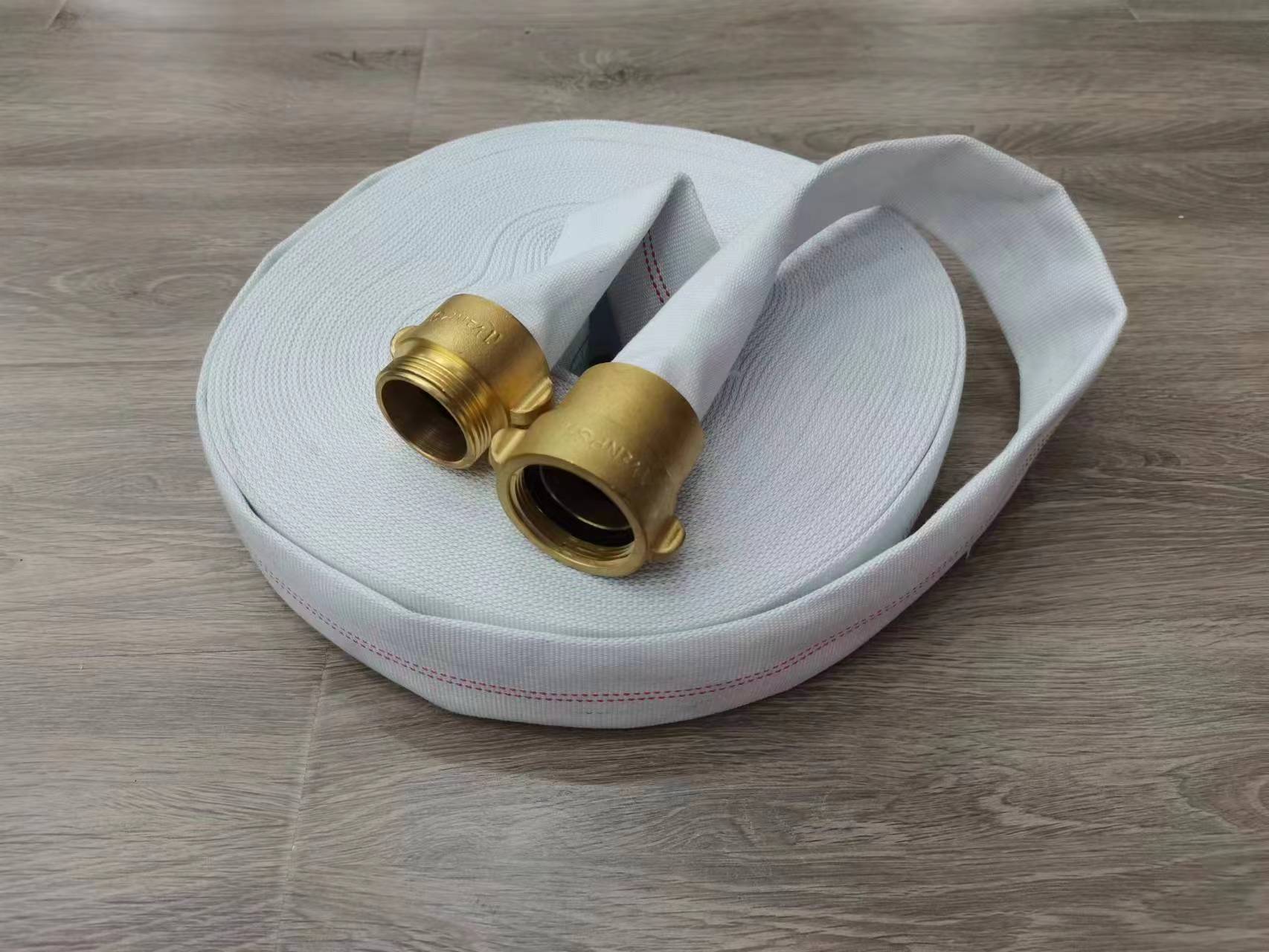
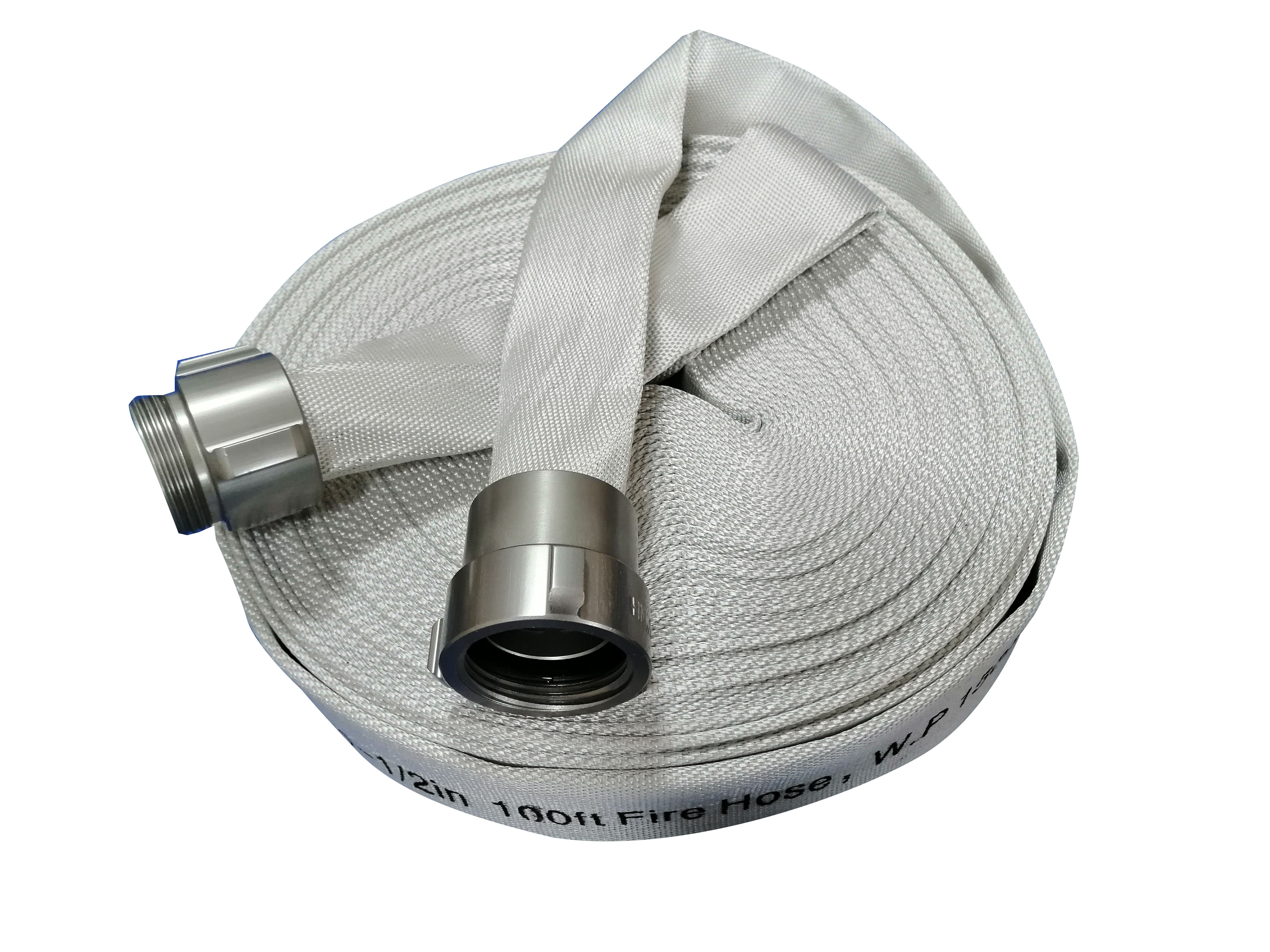
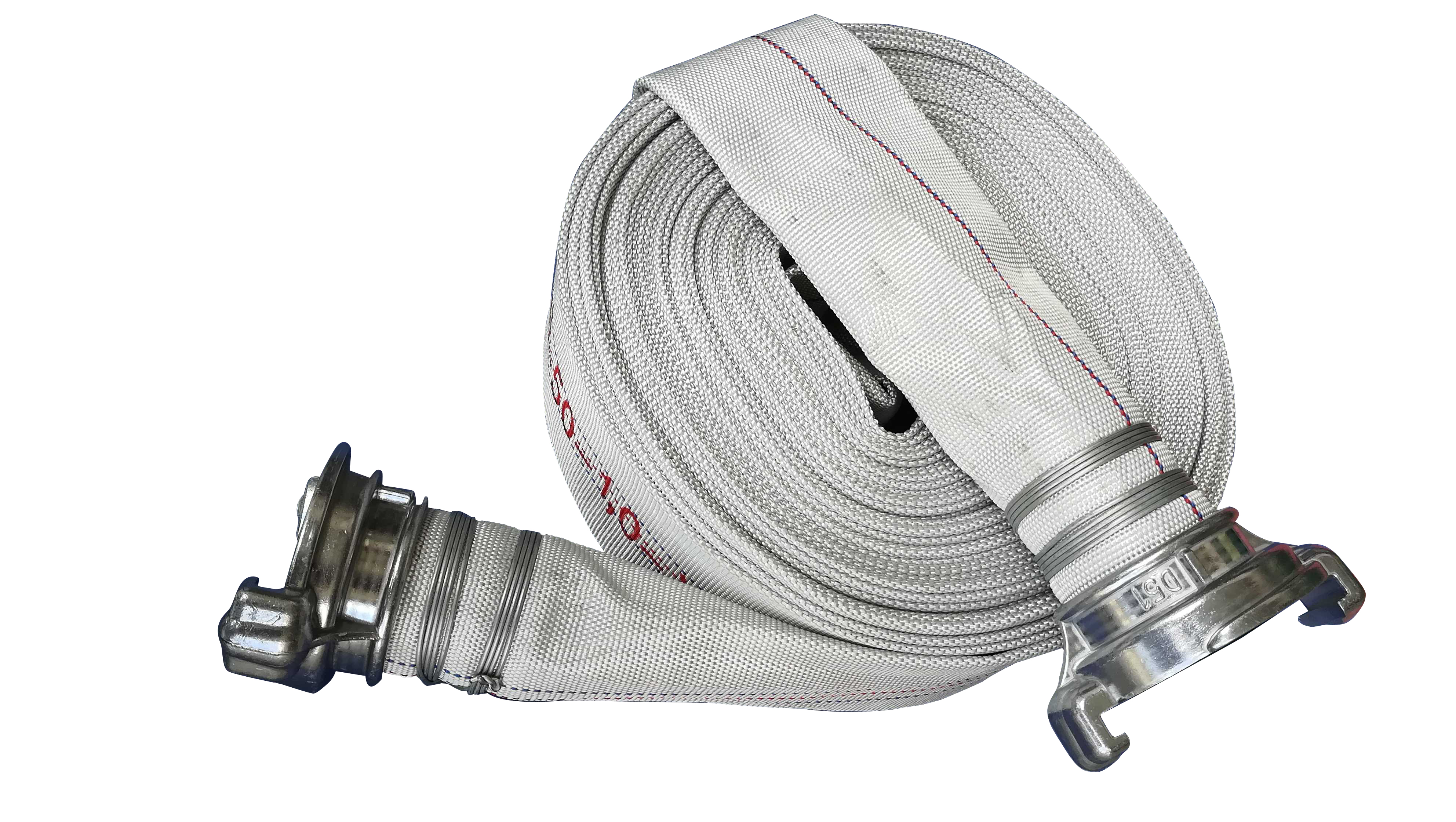
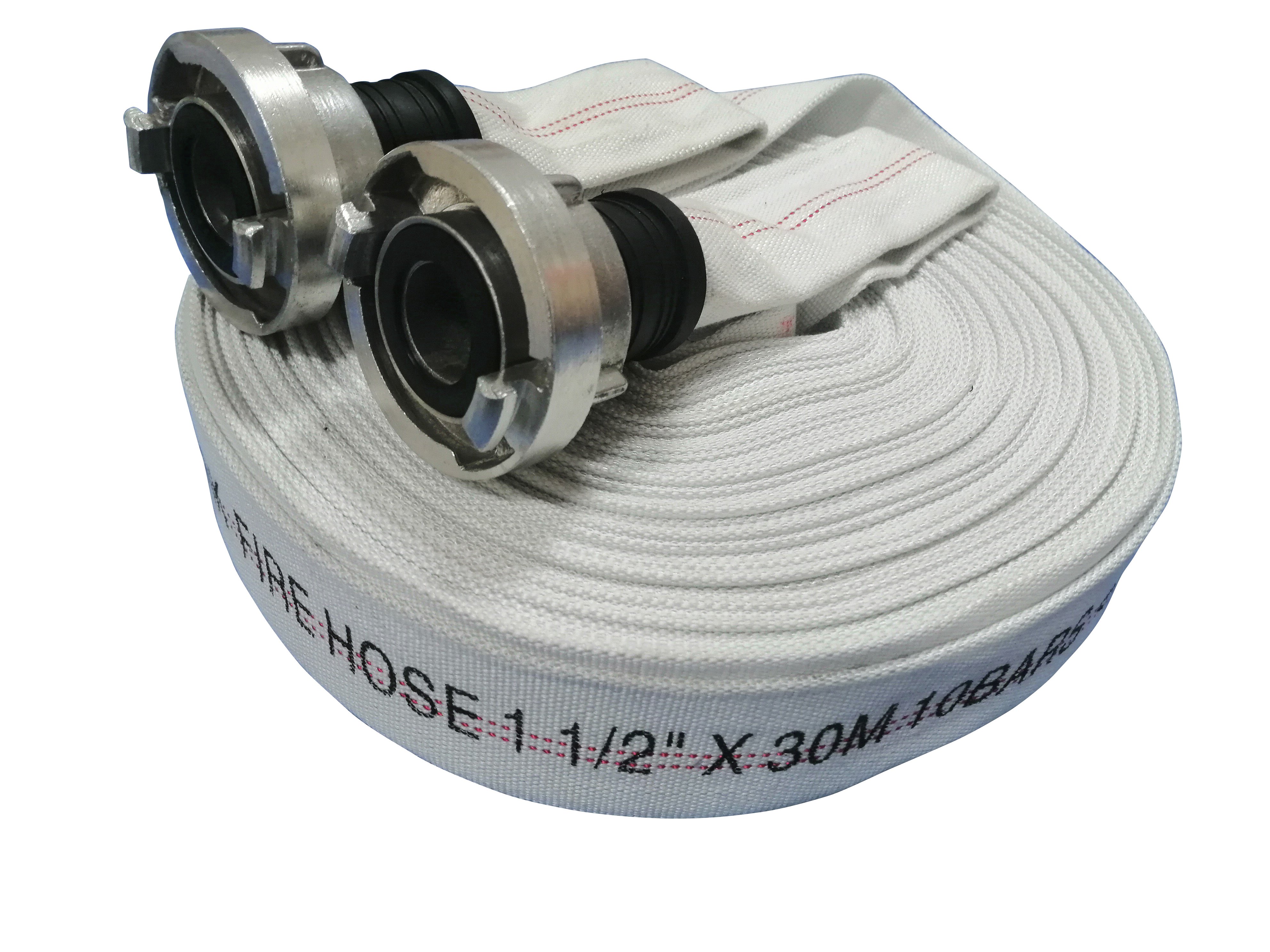
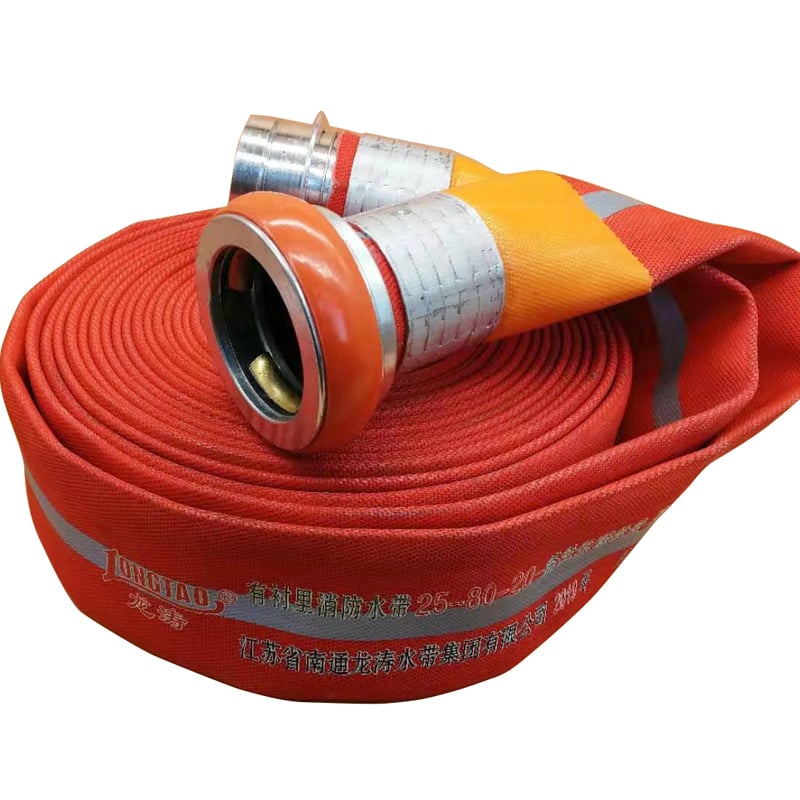
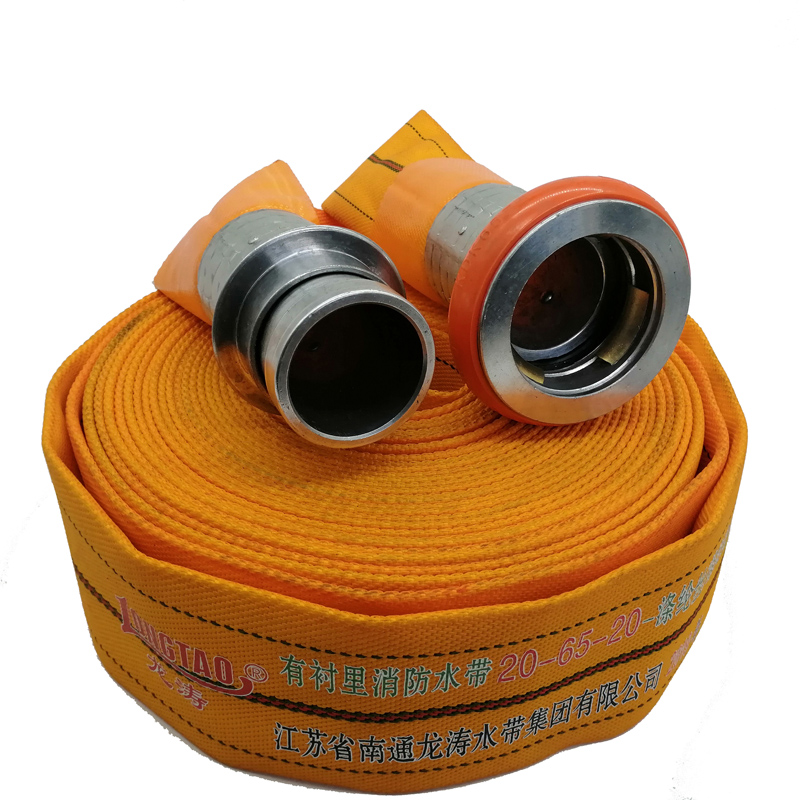
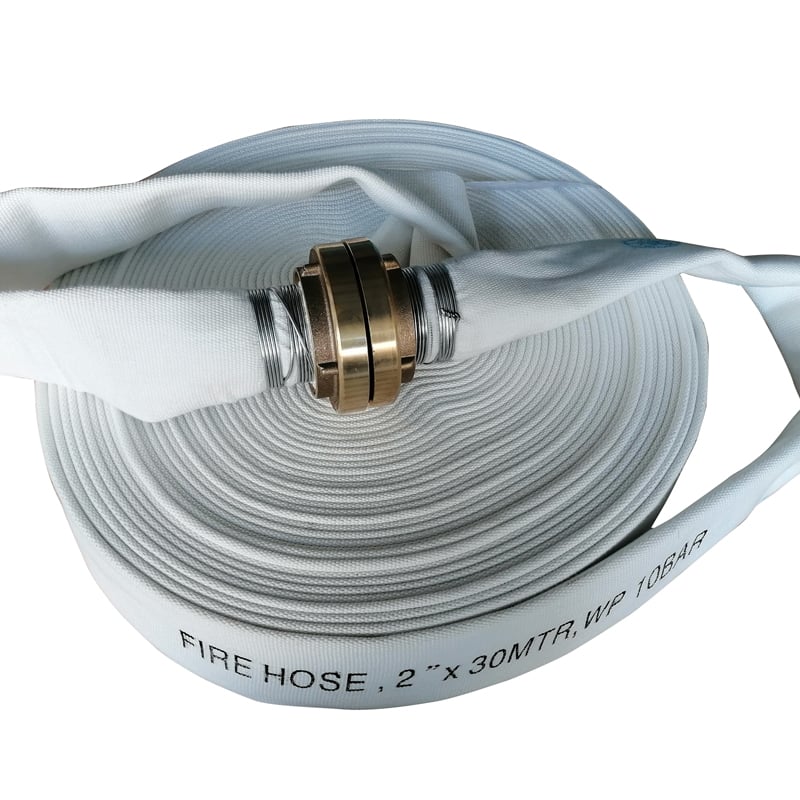
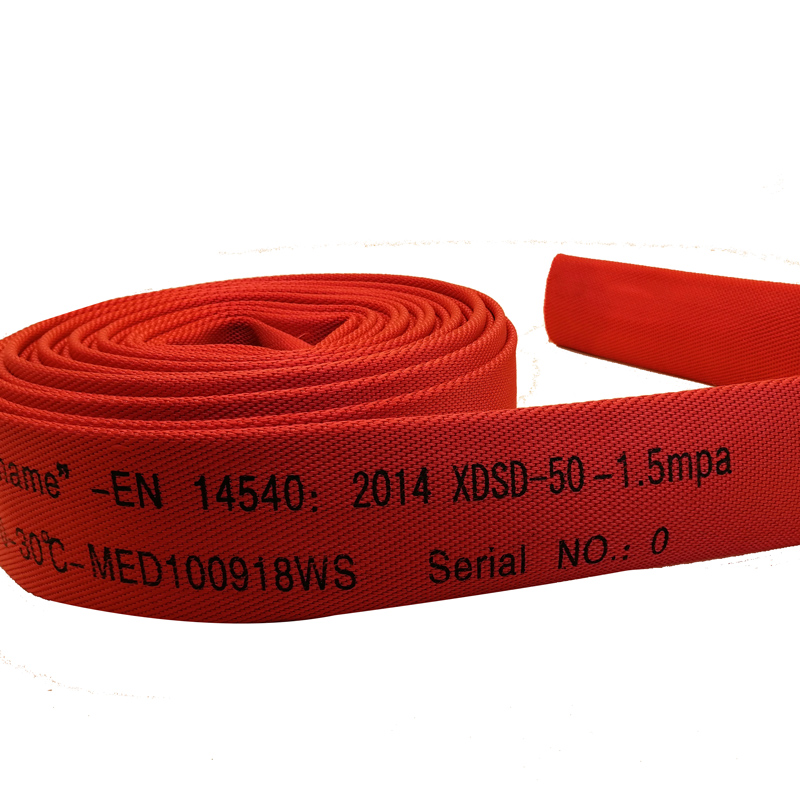
Brass fire hose couplings are critical components in fire protection systems, ensuring secure connections between hoses and nozzles or hydrants. As purchasing managers and engineers evaluate these products, their primary concerns often include material quality, application suitability, compatibility, and cost factors, we will explore key specifications, cost considerations for bulk orders, installation guidance, the advantages of brass, and common issues with fire hose couplings, providing practical insights to help you make informed purchasing decisions.
When assessing brass fire hose couplings, several key specifications are critical for ensuring optimal performance in fire protection applications.
Size and Thread Type: Couplings typically come in various sizes, measured in inches, and may feature different thread types such as NST (National Standard Thread), NPT (National Pipe Thread), or BSP (British Standard Pipe). It's essential to match the coupling size and thread type with the hoses and nozzles to ensure a secure fit and prevent leaks.
Pressure Rating: Couplings have specific pressure ratings that indicate the maximum operating pressure they can withstand. Ensure that the rated pressure meets or exceeds the demands of your fire protection system, especially when dealing with high-pressure scenarios.
Material Composition: While brass is a popular material due to its corrosion resistance and durability, buyers should confirm the specific alloy used, as variations in copper and zinc content can affect the coupling's performance and longevity.
Sealing Mechanism: The sealing mechanism, often a rubber gasket or O-ring, is crucial for preventing leaks. Evaluate the material and design of the sealing component to ensure it can withstand the temperatures and pressures typical in fire-fighting situations.
Certification and Compliance: Check for certifications that indicate compliance with relevant industry standards, such as UL (Underwriters Laboratories) or FM (Factory Mutual). These certifications ensure that the couplings have been tested for reliability and safety.
By thoroughly evaluating these specifications, buyers can ensure they select the right brass fire hose couplings for their specific applications, ultimately enhancing the effectiveness of their fire protection systems.
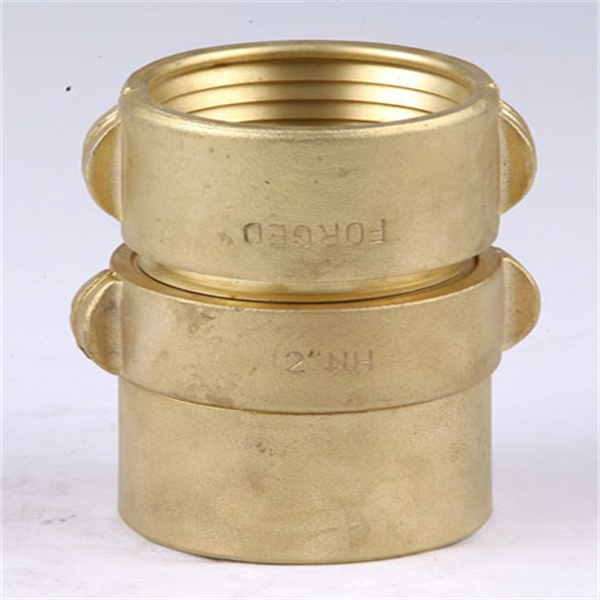
When purchasing brass fire hose couplings in bulk, several cost factors come into play that can significantly impact the overall expenditure:
Material Costs: The price of brass fluctuates based on market conditions. Understanding current market rates for brass can help buyers negotiate better prices.
Production Volume: Higher volume orders often qualify for discounts. Manufacturers like Jiangsu Nantong Longtao Fire-Hose Group Co., Ltd. may offer tiered pricing based on order size, so it’s beneficial to calculate the total costs for various quantities.
Customizations: If specific customizations are required, such as unique sizes or thread types, this can increase the cost. Discussing these options upfront with the supplier can help manage expectations and budget.
Shipping and Handling: When ordering in bulk, shipping costs can vary significantly based on weight and distance. Buyers should account for these additional costs in their overall budget.
Lead Times: Shorter lead times may come at a premium. Ensure that the desired delivery schedule aligns with your project's timeline to avoid rush fees.
By carefully considering these cost factors, buyers can make more informed decisions that align with their budgetary constraints while ensuring they receive high-quality coupling for fire hose.
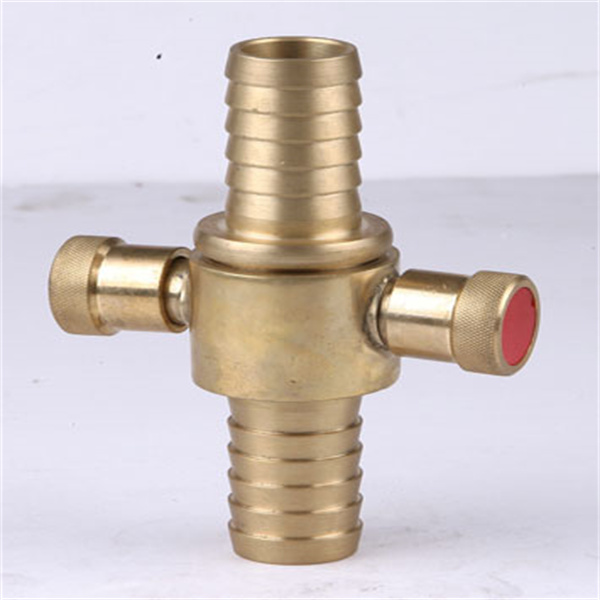
Proper installation of brass fire hose couplings is essential for optimal performance and safety. Here are some installation guidelines tailored for various applications:
Firefighting Systems: Ensure that the coupling is securely attached to both the hose and the nozzle or hydrant. Use the appropriate wrench to tighten the coupling without over-torquing, which could damage the threads or the coupling itself. Inspect the sealing mechanism for any signs of wear before installation.
Industrial Applications: For industrial fire protection systems, consider the environment in which the couplings will operate. If exposed to harsh chemicals or extreme temperatures, ensure that the selected brass coupling is compatible with these conditions. Additionally, verify that the pressure rating aligns with the operational parameters of the system.
Maintenance Access: When installing couplings, consider future maintenance needs. Ensure that couplings are accessible for regular inspections and replacements. This proactive approach can significantly extend the lifespan of the fire protection system.
Training Personnel: Proper training of personnel on how to install and maintain brass fire hose couplings is crucial. Ensuring that all team members are aware of the installation best practices can minimize errors and enhance safety.
Following these installation guidelines will help ensure that brass fire hose couplings function effectively in their intended applications while minimizing the risk of failure.
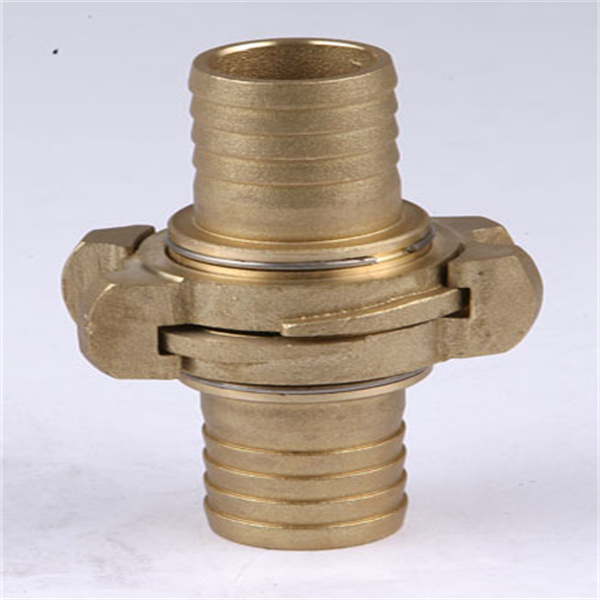
Brass is a widely used material for fire hose couplings due to its numerous advantages:
Corrosion Resistance: Brass is naturally resistant to corrosion, which is vital in environments where exposure to water and other elements is frequent. This resistance helps ensure a longer lifespan for couplings, reducing the frequency of replacements.
Strength and Durability: The strength of longtao brass allows for robust performance under high pressures, making it suitable for demanding firefighting applications. Its durability also means that fire hose male female coupling can withstand the rigors of heavy use without compromising integrity.
Ease of Machining: Brass can be easily machined to precise specifications, allowing for the production of couplings with tight tolerances. This precision is crucial for maintaining the effectiveness of seals and connections.
Thermal Conductivity: Brass has excellent thermal conductivity, which helps dissipate heat generated during firefighting operations. This property can prevent overheating and subsequent damage during extended use.
Aesthetic Appeal: The attractive appearance of brass can also be a consideration in visible installations, where aesthetics may be a concern.
By choosing brass for fire hose couplings, buyers can benefit from these material advantages, ensuring reliable and long-lasting performance in their fire protection systems.
Jiangsu Nantong Longtao Fire-Hose Group Co., Ltd. is officially recognized by the Ministry of Public Security as a designated enterprise for the production of fire hoses, fire hydrants, and fire boxes. This designation underscores the company's compliance with stringent national standards and its commitment to producing high-quality fire safety equipment. Being a government-designated enterprise also reflects the company's reliability and trustworthiness in the industry.
Jiangsu Nantong Longtao Fire-Hose Group Co., Ltd. has successfully exported its high-quality products to numerous countries, including the United States, Germany, Italy, Russia, South Korea, Japan, Vietnam, and the Middle East. The company adheres to a customer-first philosophy, offering high-quality, cost-effective products and services. Its commitment to honest cooperation and mutual benefit ensures long-term partnerships and a win-win situation for both the company and its clients. This global presence and customer-centric approach highlight the company's ability to compete and thrive in the international market.
With an annual production capacity of 10 million meters of fire hose and 7,000 sets of fire hydrant boxes, the company demonstrates its ability to meet large-scale demands efficiently. The product range is extensive, including lined fire hoses (single and double jacket), double-coated fire hoses, fire hose reels, plastic-coated hoses, spray fire hoses, garden hoses, and specialized nozzles and couplings that meet various international standards. This diversity allows the company to cater to a wide array of customer needs across different markets.
The company places a strong emphasis on quality, which is fundamental to its survival and success. It is dedicated to the manufacturing, production, and research and development of fire-fighting equipment, including custom-made solutions for domestic and foreign professional fire brigades. The company holds multiple patent certificates for its independently developed intellectual property products, showcasing its innovative capabilities and commitment to advancing fire safety technology.
Despite their advantages, longtao brass fire hose couplings can experience several common problems. Understanding these issues can help buyers mitigate potential risks:
Corrosion: While brass is resistant to corrosion, it can still corrode under certain conditions, especially if exposed to saltwater or harsh chemicals. Regular inspections and maintenance can help identify corrosion early. If corrosion is detected, replacing the affected couplings promptly is essential.
Leaking Connections: Leaks can occur if couplings are not correctly tightened or if the sealing mechanism is worn. To prevent leaks, ensure that couplings are properly torqued during installation and routinely check the sealing components for wear and tear.
Cross-threading: Improper installation can result in cross-threading, which can damage both the coupling and the hose or nozzle. To avoid this, ensure that the threads are aligned properly during installation and use gentle pressure to secure connections.
Temperature Sensitivity: Brass couplings can be sensitive to extreme temperatures, which can lead to expansion or contraction issues. Buyers should consider the temperature ranges their couplings will be exposed to and select products rated for those conditions.
Wear Over Time: Continuous use can lead to wear on the threads and sealing surfaces. Regular maintenance, including the replacement of worn components, can prolong the life of brass fire hose couplings.
By being aware of these common problems and their solutions, buyers can take proactive measures to maintain the integrity of their brass fire hose couplings, ensuring reliable performance in critical fire protection applications.

Welcome to Jiangsu Nantong Longtao, we are a leading manufacturer specialize in fire hoses, fire hydrants and fire boxes.
No.888 Renmin South Road, Dayu Town,Rudong County, Nantong City, Jiansu Province
Copyright © EVERBRIGHT FIRE-FIGHTING EQUIPMENT(NANTONG)CO., LTD. All Rights Reserved

 EN
 AR
 FR
 DE
 KO
 CS
 DA
 NL
 FI
 EL
 IT
 JA
 NO
 PL
 PT
 RO
 RU
 ES
 SV
 TL
 IW
 ID
 LV
 LT
 SR
 SK
 SL
 UK
 SQ
 ET
 HU
 TH
 TR
 FA
 AF
 IS
 MK
 KA
 UR
 BN