
 EN
 AR
 FR
 DE
 KO
 CS
 DA
 NL
 FI
 EL
 IT
 JA
 NO
 PL
 PT
 RO
 RU
 ES
 SV
 TL
 IW
 ID
 LV
 LT
 SR
 SK
 SL
 UK
 SQ
 ET
 HU
 TH
 TR
 FA
 AF
 IS
 MK
 KA
 UR
 BN
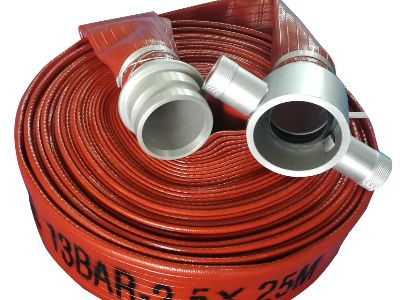
Preventing under-curing and over-curing in rubber fire hose manufacturing is critical for ensuring product reliability and performance. These curing issues can significantly impact the strength and flexibility of the hoses, which are vital for fire safety applications. B2B buyers, particularly in manufacturing and procurement roles, often seek clarity on how these curing processes affect product quality, what specifications to consider, and how to avoid common pitfalls during production. This article will provide insights into preventing curing issues, enhancing your understanding of high-quality rubber fire hose manufacturing.
How to Choose the Right Fire Hose to Avoid Curing Issues?
Selecting the right fire hose is essential to prevent under-curing and over-curing problems, which can compromise the hose's integrity. Buyers should consider the hose's application, required pressure rating, and environmental conditions. For example, hoses used in high-temperature settings may require specialized materials and curing processes to withstand heat without degrading. When assessing different fire hoses, it's also crucial to request detailed specifications from manufacturers. Key specifications include the hose's diameter, wall thickness, and the type of rubber fire hose used. Each of these factors affects how the hose will cure. For instance, thicker hoses may require longer curing times to ensure that heat penetrates evenly throughout the material. Buyers should collaborate with manufacturers to understand these requirements and ensure that their chosen hose meets the necessary performance standards.
Key Specifications for High-Quality Rubber Fire Hoses
Several key specifications determine the quality of rubber fire hoses and their resistance to curing issues. These include:
Material Composition: The type of rubber used (e. g., EPDM, NR, or SBR) influences the hose's flexibility and durability. High-quality materials can withstand harsher conditions and reduce the risk of curing inconsistencies.
Curing Time and Temperature: Precise control over curing times and temperatures during manufacturing is crucial. Under-curing can lead to weak hoses that are prone to failure, while over-curing can make the hose too rigid and less effective in extreme conditions.
Pressure Rating: This specification indicates the maximum pressure the hose can withstand. Ensure that this aligns with your specific application needs.
Buyers should verify these specifications during the RFQ process to ensure that their selected fire hose adheres to industry standards and minimizes the risk of curing-related issues.
Common Problems in Fire Hose Production and Their Solutions
Manufacturers often face challenges related to under-curing and over-curing during the production of rubber fire hoses. A few common problems include:
Inconsistent Curing: Variability in temperature across the curing chamber can lead to uneven curing. This inconsistency may result in some sections of the hose being over-cured while others are under-cured. To combat this, manufacturers should invest in advanced curing systems that provide uniform heat distribution.
Material Quality Variations: The use of inferior or inconsistent raw materials can also lead to curing issues. Selecting reputable suppliers and conducting thorough materials testing before production can help address this problem.
Insufficient Quality Control: Lack of rigorous quality control measures can allow faulty hoses to reach the market. Implementing a robust quality assurance program, including testing samples against specified performance metrics, can help identify issues early in the production process.
By addressing these common problems proactively, manufacturers can significantly enhance the quality of their rubber fire hoses and reduce the incidence of curing-related failures.
The Science Behind Fire Hose Durability
Understanding the science behind fire hose durability is essential for preventing curing issues. The durability of a rubber fire hose is influenced by its molecular structure, which is developed during the curing process. Proper curing enables cross-linking of rubber molecules, resulting in enhanced tensile strength, elasticity, and resistance to environmental factors.
During the curing process, the ideal balance of heat and time is critical. Under-curing results in insufficient cross-linking, leading to hoses that are prone to tearing or rupturing under stress. Conversely, over-curing can create a rigid structure that lacks flexibility, making the lay flat rubber hose difficult to handle and potentially leading to cracks over time.
To ensure optimal durability, manufacturers should conduct routine tests on cured hoses to evaluate their performance under simulated operating conditions. This practice helps confirm that the hoses will maintain their integrity in real-world applications.
Installation Guidance to Ensure Optimal Fire Hose Performance
Proper installation is crucial for maximizing the performance and longevity of rubber fire hoses. Buyers and end-users should adhere to the following guidelines to prevent installation-related issues:
Follow Manufacturer Recommendations: Always refer to the manufacturer’s guidelines for installation procedures, including the correct orientation and securing methods for the fire hose.
Inspect Before Installation: Conduct a thorough inspection of the hose before installation to check for any visible defects, such as cracks or deformities that may have occurred during storage or transport.
Avoid Sharp Bends: Ensure that the hose is laid out without sharp bends or twists, which can create stress points that may lead to premature failure.
Test Under Actual Conditions: If possible, conduct a pressure test under real operating conditions before full deployment. This can help identify any potential weaknesses that were not apparent during initial inspections.
By following these installation practices, buyers can help ensure that the rubber lay flat hose hoses perform optimally and are less susceptible to damage, thereby enhancing overall safety and reliability in fire protection systems.
In summary, understanding how to prevent under-curing and over-curing in rubber fire hose manufacturing, along with making informed choices about specifications and installation, is vital for ensuring the quality and performance of these critical safety products.