
 EN
 AR
 FR
 DE
 KO
 CS
 DA
 NL
 FI
 EL
 IT
 JA
 NO
 PL
 PT
 RO
 RU
 ES
 SV
 TL
 IW
 ID
 LV
 LT
 SR
 SK
 SL
 UK
 SQ
 ET
 HU
 TH
 TR
 FA
 AF
 IS
 MK
 KA
 UR
 BN
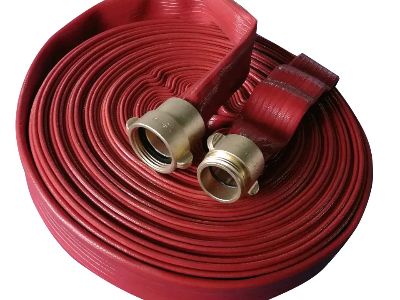
Understanding how curing temperature influences fire hose rubber properties is critical for manufacturers and buyers alike. The curing process affects the physical and chemical characteristics of rubber, impacting its performance, durability, and safety in firefighting applications. For professionals in procurement, engineering, and product management, comprehending these relationships ensures the selection of high-quality fire hoses that meet operational demands. This article will explore how curing temperature affects fire hose rubber quality, specifications, durability, and common issues that may arise from improper curing
How Curing Temperature Affects Fire Hose Rubber Quality
Curing temperature plays a pivotal role in determining the quality of the rubber hose used in fire hoses. During the curing process, heat is applied to the rubber compound, promoting cross-linking of the polymer chains. This chemical reaction enhances the rubber’s strength, elasticity, and resistance to environmental factors such as heat, moisture, and chemicals
If the curing temperature is too low, the rubber may remain under-cured, leading to suboptimal physical properties. This can result in hoses that are less durable, more prone to wear, and incapable of withstanding high pressures. Conversely, excessive curing temperatures can cause over-curing, which may lead to brittleness, cracking, and a loss of flexibility
Understanding the optimal curing temperature range for specific rubber formulations is essential for ensuring the end product meets the rigorous demands of firefighting applications
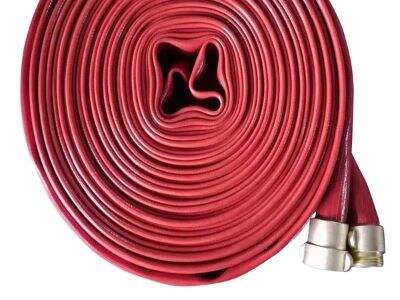
Key Specifications for Fire Hose Rubber Based on Curing Temperature
The curing temperature directly influences several key specifications of fire hose rubber, including
Tensile Strength: Higher curing temperatures generally lead to increased tensile strength, allowing the hose to withstand greater operational pressures. Buyers should ensure that the tensile strength meets or exceeds the requirements for their specific firefighting applications
Elongation at Break: This specification measures the rubber's ability to stretch without breaking. Proper curing helps achieve the desired elongation, which is crucial for hoses that may experience bending or twisting during use
Hardness: Measured in Shore A, the hardness of the rubber can vary based on curing temperature. A more appropriate hardness level ensures the hose maintains flexibility while providing adequate protection against impacts and abrasions
Chemical Resistance: Fire hoses often encounter various chemicals, so the rubber's resistance to degradation is vital. The curing process enhances this property, but it must be optimized to ensure longevity
When assessing suppliers, buyers should inquire about the specific curing temperatures used in the manufacturing process and how these affect the key specifications of the rubber
The Role of Curing Temperature
Curing temperature serves as a critical control parameter during the production of fire hose rubber. It affects not only the immediate properties of the rubber but also its long-term performance. The role of curing temperature can be broken down into several impacts
Cross-Linking Density: The degree of cross-linking directly correlates with curing temperature. An optimal temperature results in a balanced cross-link density, providing the right blend of flexibility and strength
Processing Time: Higher temperatures typically reduce curing times, making production more efficient. However, this must be balanced against the risk of over-curing, which can compromise rubber quality
Consistency: Maintaining a consistent curing temperature throughout production ensures uniformity in rubber properties. Variations can lead to inconsistencies in product performance, which are critical in life-saving applications like firefighting
By understanding the role of curing temperature, buyers can better assess the capabilities of their suppliers and ensure they are receiving hoses that adhere to the necessary quality standards
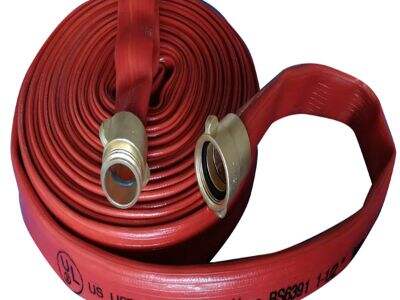
Impact of Curing Temperature on Fire Hose Durability and Reliability
The durability and reliability of fire hoses are paramount, as they must perform effectively under extreme conditions. Curing temperature significantly influences these factors
Flexibility and Resilience: Properly cured rubber maintains flexibility, allowing hoses to bend and maneuver easily. This flexibility is crucial during firefighting operations, where hoses must navigate various terrains and obstacles
Resistance to Environmental Factors: Fire hoses are exposed to various environmental conditions, including heat, UV light, and moisture. The correct curing temperature enhances the rubber's resistance to these factors, prolonging the hose's lifespan
Pressure Endurance: Fire hoses must withstand high-pressure conditions during operation. Curing temperature affects the material’s ability to retain strength and elasticity under pressure, ensuring that hoses do not burst or fail during critical moments
Buyers should prioritize suppliers who can demonstrate robust quality control processes that include monitoring and adjusting curing temperatures to meet specific performance criteria
Common Problems with Fire Hose Rubber Due to Incorrect Curing Temperatures
Incorrect curing temperatures can lead to several issues that compromise the performance of rubber fire hose
Under-Curing: Hoses that are under-cured may exhibit lower tensile strength and elongation properties, making them prone to failure under operational stress
Over-Curing: Excessive curing can lead to brittleness, making hoses susceptible to cracking and reduced flexibility. This is particularly problematic in applications requiring the hose to bend or twist
Inconsistent Quality: Variability in curing temperatures can result in inconsistent product quality, leading to potential failures in critical situations. Buyers should be wary of suppliers who do not have stringent quality control measures in place
Decreased Lifespan: Hoses that do not undergo proper curing may have a significantly reduced lifespan, leading to increased costs associated with replacements and maintenance
To mitigate these risks, buyers should conduct thorough inspections of samples and inquire about the manufacturer’s quality assurance practices, including how they monitor and control curing processes
Understanding how curing temperature influences fire hose rubber properties is essential for ensuring product quality and reliability. By focusing on specifications, the role of temperature in the curing process, and the potential problems caused by incorrect curing, buyers can make informed decisions when selecting fire hoses for their applications