
 EN
 AR
 FR
 DE
 KO
 CS
 DA
 NL
 FI
 EL
 IT
 JA
 NO
 PL
 PT
 RO
 RU
 ES
 SV
 TL
 IW
 ID
 LV
 LT
 SR
 SK
 SL
 UK
 SQ
 ET
 HU
 TH
 TR
 FA
 AF
 IS
 MK
 KA
 UR
 BN
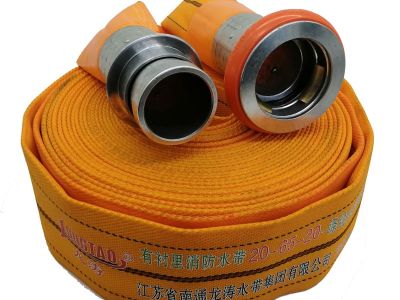
Understanding the inner tube extrusion parameters that define fire hose performance is crucial for ensuring that hoses meet safety standards and operational requirements. B2B buyers, including purchasing managers and engineers, often prioritize factors such as durability, flexibility, and pressure resistance when evaluating fire hoses. This article aims to clarify the key extrusion parameters, material advantages, installation guidance, common issues, and industry applications related to fire hoses, enabling informed purchasing decisions.
Understanding Inner Tube Extrusion Parameters for Fire Hose Performance
The inner tube of a fire hose plays a pivotal role in its overall performance, primarily defined by extrusion parameters such as wall thickness, diameter, and material properties. These parameters influence the hose's ability to withstand high pressure, resist abrasion, and maintain flexibility under various temperature conditions.
Wall Thickness: A thicker wall generally enhances durability but can also increase weight. Buyers should balance the need for strength with ease of handling.
Diameter: The internal diameter affects flow rates. A larger diameter allows for greater water flow, which can be critical in emergency situations. However, it may compromise maneuverability in tight spaces.
Material Properties: The choice of materials, including synthetic rubbers and thermoplastics, directly impacts the hose's resistance to chemicals, UV light, and extreme temperatures. Understanding these properties can help buyers select hoses suited for specific environments.
By considering these extrusion parameters, buyers can better assess the performance capabilities of fire hoses and ensure they meet operational needs.
Evaluating Material Advantages in Fire Hose Inner Tube Construction
The materials used in the inner tube construction of fire hoses significantly influence their performance characteristics. Key materials include:
Polyvinyl Chloride (PVC): Known for its lightweight and cost-effectiveness, PVC is often used in less demanding applications. However, it may not perform well under extreme temperatures or high pressures.
Polyurethane (PU): This material offers superior abrasion resistance and flexibility, making it suitable for high-pressure applications. Its resilience to harsh weather conditions enhances its longevity.
Rubber: Natural or synthetic rubber provides excellent tensile strength and flexibility, making it ideal for heavy-duty applications. Buyers should consider rubber hoses for fire hose canvas environments where durability is paramount.
Each material has its advantages and limitations. Buyers should evaluate their specific application requirements, including environmental exposure and pressure ratings, to determine the most suitable material for their fire hose needs.
Installation Guidance for Optimal Fire Hose Performance and Safety
Proper installation of fire hoses is critical for maximizing their performance and ensuring safety. Here are essential guidelines:
Surface Preparation: Ensure that the installation surface is clean and free of debris. This prevents damage to the hose and maintains its integrity.
Configuration: Fire hoses should be installed with minimal bends and kinks. Sharp bends can create weak points that may fail under pressure.
Fittings and Couplings: Use compatible fittings and couplings to ensure a secure connection. Regularly inspect these components for wear and tear, as they are often the first points of failure.
Testing: Conduct pressure tests after installation to verify that the hose and connections can handle operational pressures without leakage.
By following these installation guidelines, buyers can enhance the performance and safety of fire hoses, reducing the risk of failure during critical operations.
Common Problems with Fire Hoses and Effective Solutions
Fire hoses may encounter several common issues that can affect their performance. Understanding these problems and their solutions is vital for buyers:
Kinking: Kinks can restrict water flow and create pressure points. To prevent this, ensure proper storage and handling techniques are employed. Use hose reels or racks designed to avoid bends.
Abrasion and Wear: Regular inspection for signs of wear can help identify areas needing reinforcement or replacement. Buyers should consider hoses with abrasion-resistant materials for high-friction environments.
Coupling Failure: Loose or damaged couplings can lead to leakage. Regular maintenance checks and timely replacement of worn components can mitigate this issue.
UV Degradation: Hoses exposed to canvas lay flat hose sunlight can suffer from material degradation. Buyers should either store hoses in shaded areas or choose UV-resistant materials to prolong their lifespan.
Addressing these common problems through proactive maintenance and appropriate material selection can significantly enhance the reliability of fire hoses.
Industry Applications of Inner Tubes in Fire Hose Manufacturing Techniques
The inner tubes of fire hoses are crucial in various industry applications, reflecting the versatility of these products. Key applications include:
Firefighting: Hoses are essential for delivering water in emergency situations. The choice of materials and construction techniques can affect response times and operational effectiveness.
Industrial Use: In manufacturing and processing environments, hoses are used for chemical transfer and firefighting. Their resistance to chemicals and abrasion is critical in such applications.
Agricultural Use: Fire hoses are also employed for irrigation and firefighting on farms. The flexibility and durability of the hoses ensure they can withstand rough handling and environmental stresses.
Marine Applications: Fire hoses designed for marine environments must withstand saltwater exposure and extreme weather. Using corrosion-resistant materials is vital in these applications.
Understanding the specific industry applications helps buyers select the right fire hoses that meet their operational requirements and comply with industry standards.By thoroughly evaluating the inner tube extrusion parameters that define canvas fire hose for sale performance, purchasing managers and engineers can make informed decisions that prioritize safety, efficiency, and cost-effectiveness.
Table of Contents
- Understanding Inner Tube Extrusion Parameters for Fire Hose Performance
- Evaluating Material Advantages in Fire Hose Inner Tube Construction
- Installation Guidance for Optimal Fire Hose Performance and Safety
- Common Problems with Fire Hoses and Effective Solutions
- Industry Applications of Inner Tubes in Fire Hose Manufacturing Techniques