
 EN
 AR
 FR
 DE
 KO
 CS
 DA
 NL
 FI
 EL
 IT
 JA
 NO
 PL
 PT
 RO
 RU
 ES
 SV
 TL
 IW
 ID
 LV
 LT
 SR
 SK
 SL
 UK
 SQ
 ET
 HU
 TH
 TR
 FA
 AF
 IS
 MK
 KA
 UR
 BN
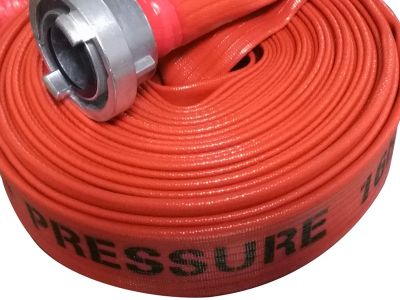
Rubber mixing technology plays a crucial role in the manufacturing of industrial fire hoses, ensuring their durability, flexibility, and resistance to extreme conditions. For B2B buyers, understanding how rubber mixing impacts the quality and performance of fire hoses is essential when evaluating suppliers. This article will delve into the intricacies of rubber layflat hose technology, how to assess fire hose quality, installation recommendations, cost considerations for bulk purchases, and common manufacturing challenges along with their solutions.
Understanding Rubber Mixing Technology for Fire Hose Manufacturing
Rubber mixing technology refers to the process of combining various raw materials, such as natural and synthetic rubbers, fillers, and additives, to create a compound that meets specific performance requirements for fire hoses. The quality of the rubber mixture directly affects the fire hose's strength, elasticity, and resistance to abrasion, heat, and chemicals.
In industrial fire hose manufacturing, achieving the correct formulation is vital. For instance, a well-balanced mix ensures optimal hardness and flexibility, which is crucial for both storage and operation. The lay flat rubber hose use of advanced mixing equipment, like internal mixers or banbury mixers, allows for precise control over the mixing process, leading to a uniform compound that can withstand high pressure and harsh environmental conditions.
Additionally, manufacturers like Jiangsu Nantong Longtao Fire-Hose Group Co., Ltd. utilize independent IP patents to optimize their rubber mixing processes, ensuring that their products meet international standards for quality and safety. This commitment to innovation not only enhances product performance but also provides buyers with confidence in their purchasing decisions.
How to Evaluate the Quality of Industrial Fire Hoses?
When evaluating industrial fire hoses, several key specifications should be considered to ensure they meet your operational needs. Key factors include the hose's pressure rating, material composition, and construction type.
Pressure Rating: A fire hose's pressure rating indicates the maximum pressure it can safely handle. It is critical to select a hose with a pressure rating that exceeds the maximum pressure expected in its application.
Material Composition: Fire hoses are typically made from various materials, including rubber, polyurethane, and PVC. The choice of material affects durability, flexibility, and resistance to environmental factors. For instance, hoses made from double-coated rubber provide enhanced durability and resistance to abrasion and UV exposure.
Construction Type: The construction of the hose (e.g., lined, double-coated, or spray) influences its performance characteristics. For applications requiring high flexibility and resistance to kinking, a lined or double-coated hose may be preferable.
To ensure the hoses meet quality standards, buyers should request documented evidence of testing results and certifications from suppliers. Conducting a visual inspection for any signs of wear or defects, and checking for proper labeling of pressure ratings and compliance with relevant safety standards is also vital.
Installation Guidance for Optimal Performance of Fire Hoses
Proper installation of fire hoses is essential for ensuring optimal performance and longevity. Here are several key considerations:
Correct Positioning: Ensure that the hose is laid out without kinks or twists. Kinks can significantly reduce water flow and increase wear on the hose material.
Secure Connections: All couplings and fittings should be securely attached to prevent leaks. Regular inspections of these connections should be conducted, especially after each use.
Storage Conditions: Fire hoses should be stored in a cool, dry place, away from direct sunlight and extreme temperatures. Proper storage helps maintain the integrity of the rubber material and prevents degradation.
Regular Maintenance: Regular cleaning and maintenance checks are crucial. Hoses should be flushed after use to remove any contaminants, and visual inspections should be performed for signs of wear or damage.
Jiangsu Nantong Longtao Fire-Hose Group Co., Ltd. emphasizes the importance of these installation practices, as they directly influence the hose's reliability during emergency situations.
Cost Factors to Consider When Purchasing Fire Hoses in Bulk
When purchasing industrial fire hoses in bulk, several cost factors come into play that can significantly affect the overall expense:
Material Costs: The choice of materials can greatly impact pricing. Higher-quality materials may incur a higher upfront cost but can result in lower long-term expenses due to increased durability and reduced replacement frequency.
Customization: Custom sizes, colors, or specific performance characteristics can lead to additional costs. Discussing your specific needs with manufacturers can help identify cost-effective solutions that meet your requirements without compromising quality.
Volume Discounts: Many manufacturers offer discounts for bulk purchases. Engaging in negotiations regarding order quantities can lead to significant savings.
Shipping and Handling: Consider the logistical costs associated with transporting hoses to your location. Bulk orders may qualify for more favorable shipping rates, so it's essential to inquire about these options with your supplier.
Quality Assurance Costs: Investing in quality assurance measures, such as third-party testing, can add to initial costs but may save money in the long run by reducing the risk of failures and associated liabilities.
Understanding these factors allows buyers to make informed decisions that balance quality and cost-effectiveness.
Common Problems in Fire Hose Manufacturing and Their Solutions
Manufacturing fire hoses presents unique challenges that can affect product quality. Here are some common problems encountered in the industry and their solutions:
Inconsistent Rubber Quality: Variability in raw rubber quality can lead to inconsistent performance. To mitigate this, manufacturers should implement strict quality control measures and source materials from reputable suppliers.
Inadequate Mixing Processes: Poorly mixed rubber compounds can lead to weak spots in the hose. Utilizing advanced mixing technologies and conducting thorough quality checks during the mixing phase can help ensure uniformity and strength.
Defective Fittings and Couplings: Issues with fittings can compromise hose performance. Regular maintenance checks and using high-quality fittings can prevent leaks and ensure secure connections.
Wear and Tear from Environmental Exposure: Hoses can degrade if exposed to harsh environmental conditions. Selecting materials specifically designed for resistance to UV rays, chemicals, and extreme temperatures can enhance durability.
Quality Assurance Testing: Insufficient testing can lead to undetected defects. Implementing a robust testing protocol that includes pressure testing and visual inspections at multiple production stages can catch issues early.
By proactively addressing these common manufacturing problems, suppliers like Jiangsu Nantong Longtao Fire-Hose Group Co., Ltd. can maintain a high standard of quality, ensuring reliable products for their customers.
In summary, understanding rubber fire hose technology and its implications on fire hose quality is critical for B2B buyers. By evaluating key specifications, following proper installation guidelines, considering cost factors, and being aware of common manufacturing challenges, purchasing managers can make informed decisions that ensure they acquire high-quality fire hoses suitable for their operational needs.
Table of Contents
- Understanding Rubber Mixing Technology for Fire Hose Manufacturing
- How to Evaluate the Quality of Industrial Fire Hoses?
- Installation Guidance for Optimal Performance of Fire Hoses
- Cost Factors to Consider When Purchasing Fire Hoses in Bulk
- Common Problems in Fire Hose Manufacturing and Their Solutions