 EN
 AR
 FR
 DE
 KO
 CS
 DA
 NL
 FI
 EL
 IT
 JA
 NO
 PL
 PT
 RO
 RU
 ES
 SV
 TL
 IW
 ID
 LV
 LT
 SR
 SK
 SL
 UK
 SQ
 ET
 HU
 TH
 TR
 FA
 AF
 IS
 MK
 KA
 UR
 BN
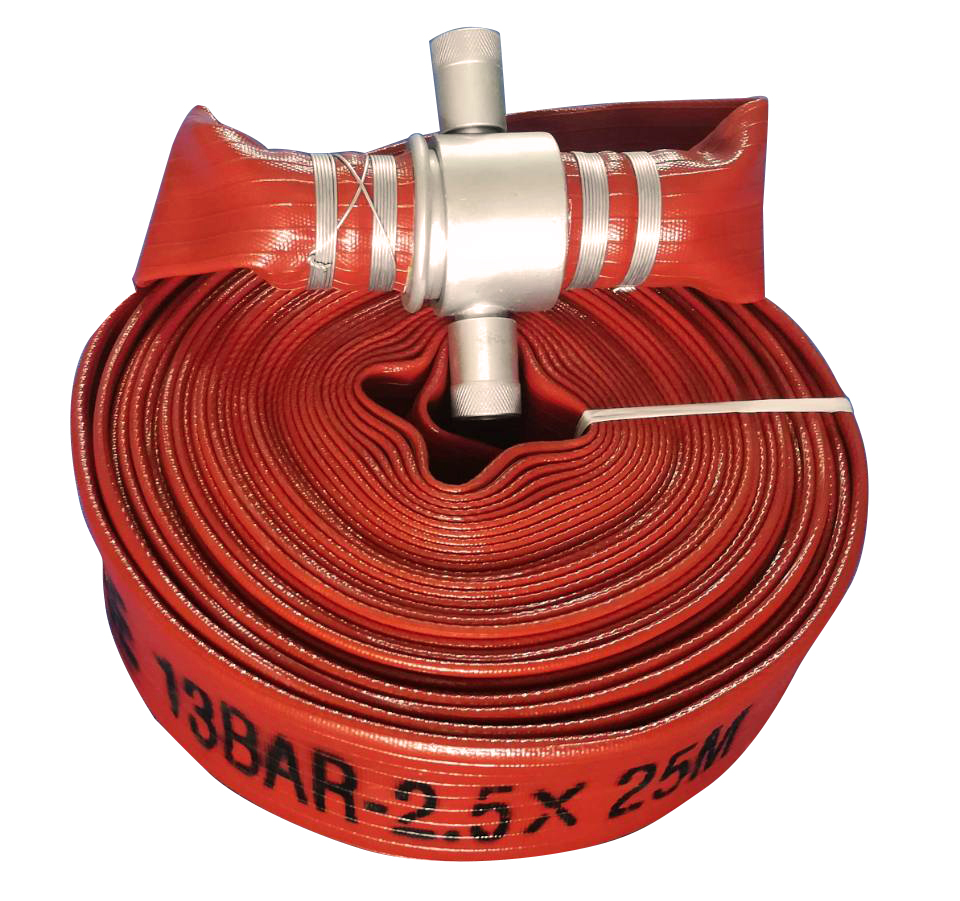
Continuous vulcanization technology plays a pivotal role in the production of rubber-lined fire hoses, enhancing their durability and performance. As purchasing managers and engineers seek reliable and high-quality fire hose products, understanding this technology becomes essential. This article will explore the continuous vulcanization process, common manufacturing challenges, cost considerations for bulk sourcing, tips for finding trustworthy suppliers, and best practices for ensuring quality in fire hose production.
Understanding Continuous Vulcanization in Fire Hose Production
Continuous vulcanization is a process that involves curing rubber under heat and pressure, resulting in a more resilient and durable product. In the context of rubber-lined fire hoses, this technology allows for uniform cross-linking of rubber molecules, enhancing the hoses' resistance to abrasion, heat, and various environmental factors. This is particularly important for fire hose, which must withstand high pressures and extreme conditions during use.
The continuous vulcanization process typically occurs in a specialized machine known as a vulcanized. This equipment allows for the continuous movement of hoses through heated sections, ensuring even curing and minimizing defects. A precise balance of temperature and curing time is crucial; if the rubber is not cured properly, the hoses may exhibit weaknesses, leading to potential failures in critical situations.
Additionally, the choice of rubber compounds used in conjunction with the continuous vulcanization process can significantly influence the performance characteristics of the fire hoses. Buyers should consider factors such as the type of rubber (e. g., EPDM, SBR) and the specific additives that enhance properties like flame resistance and flexibility.
Common Problems in Fire Hose Manufacturing and Their Solutions
Manufacturing rubber-lined fire hoses presents several challenges that can affect product quality. One common issue is the creation of air pockets within the rubber lining, which can lead to weak spots and eventual failure under pressure. To mitigate this, manufacturers should ensure thorough degassing of the rubber compound before the curing process.
Another frequent challenge is improper curing, which can occur if the temperature or time settings of the vulcanized are not accurately calibrated. This can lead to hoses that are either under-cured, resulting in softness and lower durability, or over-cured, which can make the rubber brittle. Implementing strict quality control measures, including regular maintenance of curing equipment and the use of temperature sensors, can help prevent these issues.
Quality inspections should also include testing for tensile strength and elongation properties in finished hoses. These tests can provide insights into how well the hoses will perform under stress. If a hose fails these tests, adjustments can be made to the material composition or curing process before mass production.
Cost Factors to Consider When Sourcing Fire Hoses in Bulk
When sourcing fire hose reel in bulk, several cost factors come into play. The price per unit can vary significantly based on the material used, manufacturing processes, and additional features such as custom lengths or fittings. Buyers should evaluate the total cost of ownership, which includes not only the purchase price but also maintenance, operational efficiency, and potential replacement costs.
Another important consideration is the minimum order quantity (MOQ) set by suppliers. High MOQs can lead to excess inventory if demand fluctuates, while lower MOQs may result in higher per-unit costs. Balancing these factors is crucial for budget-conscious purchasing managers.
Shipping and handling costs should also be factored in, especially for international shipments. Understanding the logistics involved can prevent unexpected expenses. Additionally, customs duties and tariffs may apply, depending on the destination country.
Where to Find Reliable Suppliers for Fire Hose Products
Finding trustworthy suppliers for rubber-lined fire hoses requires careful research and evaluation. Start by identifying manufacturers with a strong reputation in the fire safety industry. Look for companies that have established quality certifications, such as ISO 9001, which indicate adherence to international quality management standards.
Networking with industry professionals and attending trade shows can also provide valuable insights and connections to reputable suppliers. It's beneficial to request samples before placing a bulk order to assess the quality and performance of the hoses firsthand.
Additionally, consider suppliers who have experience in exporting to your region. Understanding the specific regulations and quality requirements in your market can further ensure that the products meet local standards.
Best Practices
To ensure the successful procurement of rubber fire hose, buyers should adhere to several best practices. First, it’s essential to prepare a detailed request for quotation (RFQ) that includes specifications such as hose type, dimensions, material requirements, and any customization needs. Providing clear and comprehensive information can facilitate accurate quotes from suppliers.
Before finalizing an order, request samples to evaluate the hoses' performance under actual operating conditions. This step is critical, as it allows buyers to verify that the products meet the necessary standards for pressure resistance, flexibility, and durability.
Finally, establish a consistent communication channel with suppliers to address any concerns that may arise during production or shipping. This proactive approach can help resolve potential issues before they escalate, ensuring a smoother procurement process.
By understanding continuous vulcanization technology, recognizing common manufacturing challenges, evaluating cost factors, identifying reliable suppliers, and following best practices, purchasing managers and engineers can make informed decisions when sourcing rubber-lined fire hoses.