
 EN
EN
 AR
AR
 FR
FR
 DE
DE
 KO
KO
 CS
CS
 DA
DA
 NL
NL
 FI
FI
 EL
EL
 IT
IT
 JA
JA
 NO
NO
 PL
PL
 PT
PT
 RO
RO
 RU
RU
 ES
ES
 SV
SV
 TL
TL
 IW
IW
 ID
ID
 LV
LV
 LT
LT
 SR
SR
 SK
SK
 SL
SL
 UK
UK
 SQ
SQ
 ET
ET
 HU
HU
 TH
TH
 TR
TR
 FA
FA
 AF
AF
 IS
IS
 MK
MK
 KA
KA
 UR
UR
 BN
BN
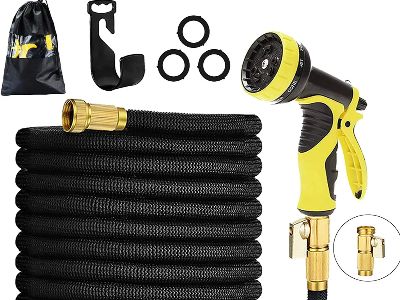
The construction of high-pressure garden hoses has evolved significantly over the years, with braided reinforcement playing a crucial role in enhancing durability and performance. This article delves into the role of braided reinforcement in high-pressure garden hose construction, addressing key concerns of B2B buyers, such as material selection, application suitability, and supplier evaluation. By understanding these aspects, purchasing managers, engineers, and product managers can make informed decisions when sourcing high-pressure hoses for their applications.
How to Choose the Right Braided Reinforced Garden Hose for Your Needs?
When selecting a braided reinforced garden hose, it’s essential to consider several factors that impact its performance and suitability for specific applications. First, assess the pressure rating of the compact garden hose, which indicates its ability to withstand high-pressure water flow. Look for hoses that meet or exceed the pressure requirements of your intended use, whether for commercial landscaping, agricultural irrigation, or industrial cleaning.
Next, evaluate the materials used in the hose's construction. Common materials include PVC, rubber, and polyurethane, each offering different levels of flexibility, UV resistance, and abrasion resistance. For high-pressure applications, hoses with reinforced layers of polyester or nylon provide additional strength, preventing bulging or bursting under stress.
Finally, don't overlook the size and diameter of the hose. The inner diameter affects water flow rate, while the overall length can influence pressure drop. Ensure that the specifications align with your operational needs, and consult with suppliers about customization options if unique dimensions or performance characteristics are required.
Common Problems with High-Pressure Hoses and Their Solutions
High-pressure hoses can experience various issues that may affect their longevity and performance. One common problem is kinking, which can restrict water flow and damage the hose. To mitigate this, choose hoses designed with enhanced flexibility and bend radius specifications. Additionally, employing proper storage techniques, such as using hose reels, can help prevent kinking.
Another issue is abrasion and wear, particularly in environments with rough surfaces or sharp edges. Selecting hoses with durable outer layers and reinforced braiding can significantly reduce the risk of punctures and tears. Regular inspection for signs of wear is also crucial; prompt replacement of damaged hoses can prevent leaks and ensure operational efficiency.
Leaks at fittings are another frequent concern. To address this, ensure that fittings are compatible with the hose type and are installed correctly. Using high-quality couplings and ensuring proper sealing can prevent leaks and enhance the overall reliability of the hose system.
Understanding the Cost Factors of Braided Reinforced Garden Hoses
The cost of braided reinforced garden hoses can vary widely based on several key factors. Material choice is one of the most significant determinants; for instance, flexible garden hose made from premium rubber or specialized polymers typically command higher prices due to their enhanced durability and performance.
Another critical factor is the hose's construction. Hoses with multiple layers of braiding or additional reinforcement tend to be more expensive but offer superior resistance to pressure and wear. Customization options, such as specific lengths, diameters, or color choices, can also influence the overall cost.
Additionally, consider the manufacturing process and quality control practices of the supplier. Hoses produced in facilities with rigorous quality standards may cost more initially but can lead to lower total cost of ownership through reduced maintenance and replacement needs.
Lastly, purchasing in bulk can often result in cost savings, so it's advisable to discuss minimum order quantities (MOQ) and pricing structures with potential suppliers.
Where to Source Reliable Suppliers for Braided Reinforced Hoses?
Finding reliable suppliers for braided reinforced hoses is critical to ensuring quality and performance. Start by conducting thorough research to identify manufacturers with expertise in hose production, particularly those specializing in high-pressure applications. Look for suppliers with a proven track record in the industry and positive customer reviews.
Attend industry trade shows, conferences, or exhibitions to meet potential suppliers and see their products firsthand. This allows for direct interaction, providing an opportunity to ask questions about product specifications, manufacturing capabilities, and quality control measures.
Additionally, consider suppliers who offer customization options, as this can be an essential factor for businesses with specific requirements. Verify their certifications and compliance with industry standards, as this can indicate their commitment to quality and safety.
Finally, establish communication with potential suppliers to discuss your needs and evaluate their responsiveness and willingness to provide technical support or assistance. This can be indicative of their overall customer service and reliability as a partner.
Installation Guidance for Braided Reinforced High-Pressure Hoses
Proper installation of braided reinforced high-pressure hoses is crucial for ensuring optimal performance and longevity. Begin by examining the installation environment to ensure compatibility with the hose specifications. Avoid sharp edges and abrasive surfaces that could damage the hose during operation.
Before installation, inspect the hose for any visible defects or damage. It's advisable to conduct a pressure test to verify that the hose can withstand the intended pressure levels without leaks. Ensure that all fittings and couplings are clean and free of debris before assembly to create a proper seal.
When connecting the hose, be mindful of the torque applied to fittings. Over-tightening can cause stress and deformation, while under-tightening may result in leaks. Follow the manufacturer's guidelines regarding torque specifications to ensure a secure connection.
After installation, monitor the hose during initial use to check for any signs of leaks or performance issues. Regular maintenance, including cleaning and inspection, will help identify potential problems early and prolong the lifespan of the hose.
By following these guidelines, purchasing professionals can make informed decisions regarding braided reinforcement in high-pressure garden hoses, ensuring they choose the right products for their specific needs while maximizing performance and reliability.
Table of Contents
- How to Choose the Right Braided Reinforced Garden Hose for Your Needs?
- Common Problems with High-Pressure Hoses and Their Solutions
- Understanding the Cost Factors of Braided Reinforced Garden Hoses
- Where to Source Reliable Suppliers for Braided Reinforced Hoses?
- Installation Guidance for Braided Reinforced High-Pressure Hoses
