
 EN
EN
 AR
AR
 FR
FR
 DE
DE
 KO
KO
 CS
CS
 DA
DA
 NL
NL
 FI
FI
 EL
EL
 IT
IT
 JA
JA
 NO
NO
 PL
PL
 PT
PT
 RO
RO
 RU
RU
 ES
ES
 SV
SV
 TL
TL
 IW
IW
 ID
ID
 LV
LV
 LT
LT
 SR
SR
 SK
SK
 SL
SL
 UK
UK
 SQ
SQ
 ET
ET
 HU
HU
 TH
TH
 TR
TR
 FA
FA
 AF
AF
 IS
IS
 MK
MK
 KA
KA
 UR
UR
 BN
BN
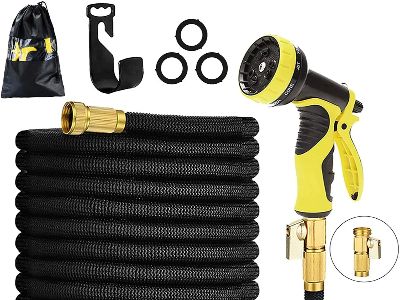
Designing garden hoses for high-frequency commercial landscaping operations requires a deep understanding of the specific needs of landscaping professionals. Buyers in this sector often prioritize durability, flexibility, and compatibility with various watering systems. This article will cover essential considerations for selecting the right garden hose, understanding specifications for bulk purchases, comparing material advantages, sourcing best practices, and the cost factors that influence wholesale purchases. By addressing these aspects, we aim to equip purchasing managers and landscaping companies with the knowledge needed to make informed decisions
How to Choose the Right Garden Hose for Commercial Landscaping
Choosing the right garden hose for commercial landscaping operations involves assessing various factors, including length, diameter, material, and intended use. For high-frequency applications, durability and flexibility are paramount. A reinforced hose, for example, can withstand the rigors of daily use while resisting kinking and abrasion
When selecting a hose, consider the specific tasks it will be used for, such as irrigation or cleaning. A thicker diameter is typically better for high water flow, essential for large areas. Additionally, hoses with anti-kink technology are vital in commercial settings where hoses are frequently moved or repositioned. It’s also advisable to review the hose's pressure rating to ensure it meets the demands of the intended applications
Understanding Garden Hose Specifications for Bulk Purchase Decisions
For bulk purchases, understanding garden hose specifications is crucial to ensuring compatibility with existing systems and meeting operational needs. Key specifications include
Length and Diameter: Standard lengths range from 50 to 100 feet, but bespoke lengths can be made to suit specific landscaping requirements. Diameter typically varies from 3/8 inch to 1 inch, affecting water flow rates
Material Type: Common materials include vinyl, rubber, and hybrid compounds. Each material has distinct characteristics regarding flexibility, weather resistance, and durability
Pressure Rating: This indicates the maximum pressure a hose can handle without bursting. For commercial use, hoses with a higher pressure rating (such as 300 PSI) are often preferred
Weight: Consider the weight of the hose when filled with water, as lighter hoses can reduce fatigue during extended use
Understanding these specifications allows buyers to make informed decisions and avoid costly errors in procurement
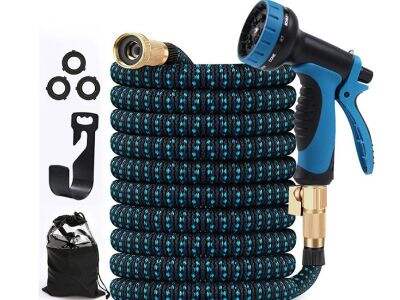
Comparing Material Advantages of High-Quality Garden Hoses
High-quality garden hoses are typically made from either rubber or hybrid materials, each offering unique advantages
Rubber Hoses: Known for their durability, rubber hoses can withstand extreme temperatures and resist wear and tear. They are less likely to crack in cold weather and can handle high-pressure water flow, making them ideal for commercial landscaping tasks
Hybrid Hoses: These hoses combine the best features of rubber and PVC, providing flexibility and lightweight handling without sacrificing strength. They often feature UV resistance, making them suitable for outdoor use in varying climates
When selecting a material, consider the specific environmental conditions and how often the hose will be used. For example, if the hose will be exposed to direct sunlight for extended periods, a UV-resistant hybrid hose would be appropriate
What to Look for When Sourcing Garden Hoses
When sourcing garden hoses for commercial landscaping, buyers should consider several factors to ensure quality and suitability
Customization Options: Many manufacturers offer customization, allowing you to specify lengths, colors, and fittings to suit specific equipment or branding needs
Quality Control Processes: Ensure the manufacturer has rigorous quality control measures in place. This can include material testing and inspections throughout the production process to maintain high standards
Production Capacity and Lead Times: Understand the supplier's production capacity to ensure they can meet your order sizes and lead times, especially during peak landscaping seasons
Samples: Always request samples before placing large orders. This allows you to evaluate the hose's performance under actual conditions and verify that it meets your specifications
Choosing a supplier with a proven track record in the industry, such as Jiangsu Nantong Longtao Fire-Hose Group Co., Ltd., can also enhance confidence in your sourcing decisions
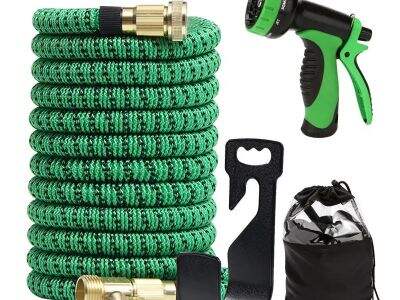
Cost Factors in Wholesale Garden Hose Purchases for Businesses
Cost is a significant factor in any wholesale purchase. When evaluating garden hoses, consider the following cost factors
Material Costs: Higher-quality materials typically come with a higher price tag, but they can offer better longevity, reducing replacement frequency and overall costs in the long run
Customization and Specifications: Custom hoses may incur additional costs, so weigh the benefits of having a tailored product against the budget constraints
Order Quantities: Bulk purchases often come with discounts, but be mindful of your minimum order quantities (MOQ). Understanding the pricing structure related to different order sizes can lead to better purchasing decisions
Shipping and Handling: Factor in shipping costs and potential tariffs, especially if sourcing from international suppliers. This can significantly impact the total cost of ownership
By being aware of these cost factors, businesses can optimize their purchasing strategy and achieve better overall value
In summary, selecting the right garden hoses for high-frequency commercial landscaping operations involves careful consideration of specifications, materials, sourcing practices, and cost factors. By understanding these elements, purchasing managers and landscaping professionals can make informed decisions that enhance operational efficiency and ensure quality in their landscaping tasks
