
 EN
EN
 AR
AR
 FR
FR
 DE
DE
 KO
KO
 CS
CS
 DA
DA
 NL
NL
 FI
FI
 EL
EL
 IT
IT
 JA
JA
 NO
NO
 PL
PL
 PT
PT
 RO
RO
 RU
RU
 ES
ES
 SV
SV
 TL
TL
 IW
IW
 ID
ID
 LV
LV
 LT
LT
 SR
SR
 SK
SK
 SL
SL
 UK
UK
 SQ
SQ
 ET
ET
 HU
HU
 TH
TH
 TR
TR
 FA
FA
 AF
AF
 IS
IS
 MK
MK
 KA
KA
 UR
UR
 BN
BN
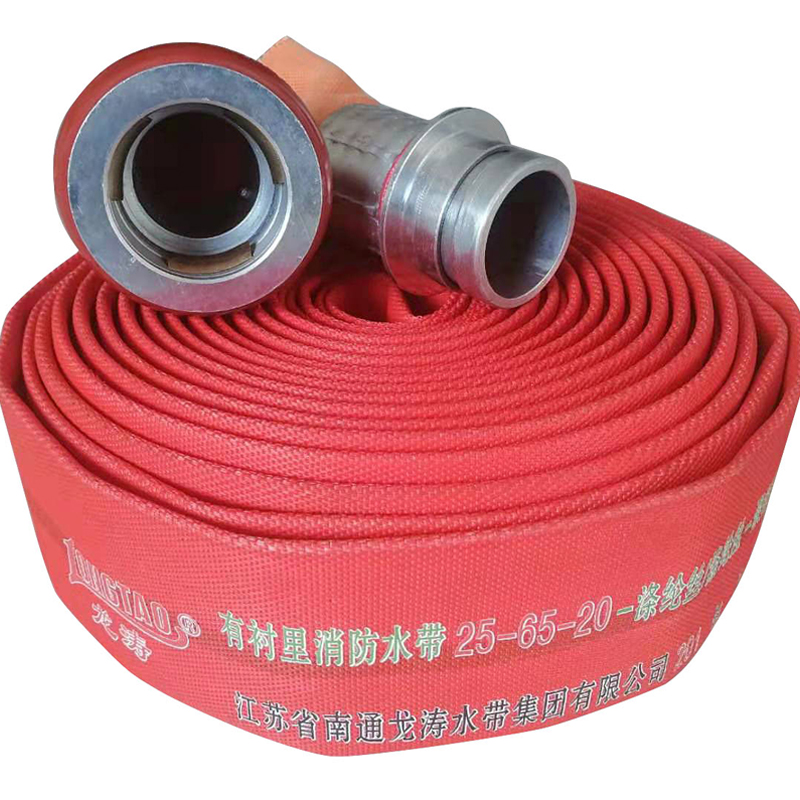
Online diameter monitoring systems for automated fire hose extrusion lines play a crucial role in ensuring the quality and consistency of fire hoses produced at scale. For purchasing managers, engineers, and product managers, understanding how to select the right monitoring technology can significantly impact both production efficiency and product integrity. This article will guide you through the essential aspects of diameter monitoring systems, from choosing the right equipment to evaluating quality and addressing common challenges.
How to Choose the Right Diameter Monitoring System for Fire Hoses
When selecting a diameter monitoring system for fire hose extrusion lines, consider factors such as accuracy, responsiveness, and integration capabilities. The system should provide real-time measurements to ensure that the hoses meet the required specifications throughout the production process.
Measurement Accuracy: The system's accuracy is critical. Look for units that offer precision within a few millimeters, as even minor deviations can lead to performance issues in fire hose.
Response Time: Fast response times are essential for maintaining production flow. A delay in measurement could lead to a batch of hoses that are out of specification, resulting in costly rework or waste.
Integration with Existing Systems: Ensure that the monitoring system can easily integrate with your current production line and control systems. This compatibility can streamline operations and minimize disruptions during installation.
Cost-effectiveness: Evaluate the total cost of ownership, including initial purchase price, maintenance costs, and potential savings from reduced waste and improved quality.
By focusing on these key areas, you can select a diameter monitoring system that enhances your fire hose production while aligning with your operational goals.
Key Specifications for Online Diameter Monitoring in Hose Production
Understanding the key specifications of diameter monitoring systems is vital for making an informed purchase. Here are the critical parameters to consider:
Measurement Range: Ensure the system can accommodate the varying diameters of your fire hoses, typically ranging from 20mm to 100mm or more, depending on your product lines.
Resolution: A higher resolution allows for finer measurements, which is particularly important for quality-sensitive applications. Look for systems with a resolution of at least 0.01 mm for optimal performance.
Calibration: Regular calibration is necessary to maintain accuracy. Some systems offer automatic calibration features, which can save time and reduce the risk of human error.
Output Options: The ability to output real-time data to your production system or quality management software is essential for monitoring performance and maintaining standards.
Environmental Resistance: Since extrusion lines can be demanding environments, consider systems that are resistant to dust, moisture, and temperature fluctuations.
By keeping these specifications in mind, you can choose a diameter monitoring system that meets your production needs and maintains high-quality standards.
Evaluating Quality in Automated Fire Hose Extrusion Lines
Quality evaluation in automated fire hose reel system extrusion lines involves more than just diameter monitoring. It encompasses various aspects of the production process, including material selection, extrusion parameters, and testing protocols.
Material Quality: The choice of materials significantly impacts the final product. Ensure that your raw materials meet industry standards for fire hoses, including chemical resistance and durability.
Extrusion Parameters: Monitor parameters such as temperature and pressure during the extrusion process. Deviations can lead to inconsistencies in wall thickness and overall hose quality.
Testing Procedures: Implement rigorous testing protocols, including burst tests and flexibility tests, to assess the performance of the finished hoses. Real-time data from diameter monitoring systems can be integrated into these assessments to provide a comprehensive quality overview.
Regular Maintenance: Scheduled maintenance of both the extrusion machinery and monitoring equipment is crucial for sustaining quality over time. Regular checks can help identify potential issues before they escalate.
By adopting a holistic approach to quality evaluation, manufacturers can ensure that their fire hoses consistently meet safety and performance standards.
Wholesale Supplier Options for Diameter Monitoring Technologies
When sourcing diameter monitoring technologies, consider various wholesale suppliers that specialize in manufacturing and distributing measurement solutions for the industrial sector. Here are some factors to consider:
Supplier Reputation: Research suppliers with a proven track record in the industry. Look for companies that have experience specifically with fire hose production equipment.
Customization Capabilities: Some suppliers offer customization options to tailor the diameter monitoring systems to fit specific production needs. This can be particularly beneficial for companies with unique production requirements.
Technical Support: Choose suppliers that provide strong technical support, including installation assistance, troubleshooting, and training. This level of support can greatly enhance your operational efficiency.
Warranty and Service Agreements: Evaluate the warranty terms and service agreements offered by suppliers. A comprehensive service plan can provide peace of mind and ensure prompt support in case of equipment issues.
Pricing and Minimum Order Quantities (MOQ): Understand the pricing structure and MOQ requirements as these can vary significantly among suppliers. Ensure that these align with your purchasing strategy and production scale.
By carefully evaluating wholesale supplier options, you can secure the best diameter monitoring technology that suits your production needs and budget.
Common Problems with Diameter Monitoring and Effective Solutions
Diameter monitoring systems fire hose connector can encounter various challenges during operation. Addressing these issues effectively can help maintain production quality and efficiency.
Calibration Drift: Over time, diameter sensors may experience calibration drift, leading to inaccurate measurements. Implement routine calibration checks and consider using systems with automatic calibration features to mitigate this issue.
Environmental Interference: Factors such as dust, moisture, and temperature fluctuations can affect sensor performance. Use environmental enclosures or protective casings to shield the monitoring equipment from these conditions.
Integration Issues: Sometimes, diameter monitoring systems may not seamlessly integrate with existing production lines. Ensure that your chosen system has compatible interfaces and consider consulting with your supplier for integration support.
Data Overload: Real-time data can become overwhelming if not managed properly. Utilize data management software that can filter and analyze the information, providing actionable insights without causing information overload.
User Training: Inadequate training can lead to improper use of monitoring systems. Provide comprehensive training for operators to ensure they understand how to use the equipment effectively and interpret the data accurately.
By recognizing these common problems and implementing effective solutions, manufacturers can enhance the reliability and efficiency of their diameter monitoring systems, ensuring optimal production outcomes.
Table of Contents
- How to Choose the Right Diameter Monitoring System for Fire Hoses
- Key Specifications for Online Diameter Monitoring in Hose Production
- Evaluating Quality in Automated Fire Hose Extrusion Lines
- Wholesale Supplier Options for Diameter Monitoring Technologies
- Common Problems with Diameter Monitoring and Effective Solutions
