
 EN
EN
 AR
AR
 FR
FR
 DE
DE
 KO
KO
 CS
CS
 DA
DA
 NL
NL
 FI
FI
 EL
EL
 IT
IT
 JA
JA
 NO
NO
 PL
PL
 PT
PT
 RO
RO
 RU
RU
 ES
ES
 SV
SV
 TL
TL
 IW
IW
 ID
ID
 LV
LV
 LT
LT
 SR
SR
 SK
SK
 SL
SL
 UK
UK
 SQ
SQ
 ET
ET
 HU
HU
 TH
TH
 TR
TR
 FA
FA
 AF
AF
 IS
IS
 MK
MK
 KA
KA
 UR
UR
 BN
BN
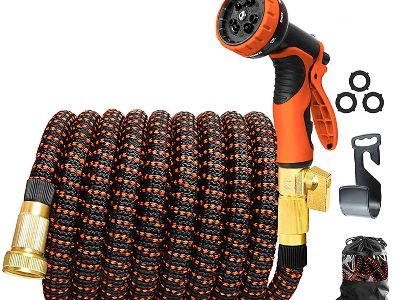
Understanding how reinforcement layers improve garden hose pressure resistance and service life is crucial for buyers in the manufacturing and distribution sectors. Reinforced garden hoses are engineered to withstand higher pressures and extend service life, addressing common concerns such as durability, reliability, and overall performance. This article will delve into the specifics of reinforcement layers, quality standards, selection criteria, sourcing options, and a cost-benefit evaluation, providing valuable insights for purchasing managers, distributors, and engineers
How Reinforcement Layers Enhance Garden Hose Pressure Resistance
Reinforcement layers in garden hoses are designed to significantly improve pressure resistance, which is essential for applications requiring reliable water flow under varying conditions. Typically made from synthetic materials such as polyester or nylon, these layers are strategically integrated within the hose structure to provide additional strength and flexibility
The effectiveness of reinforcement layers can be attributed to their ability to distribute internal pressure evenly across the hose. This prevents weak points that could lead to bursting or leaks. For instance, a hose with a double-layered construction will often have a higher burst pressure compared to a single-layer hose, making it suitable for high-pressure applications like commercial landscaping or agricultural irrigation
When selecting a garden hose, it is important to verify the specifications related to pressure ratings. Buyers should look for hoses that clearly indicate their maximum pressure capabilities, as well as any testing standards they meet, such as those set by the American Society for Testing and Materials (ASTM). Understanding these ratings will help ensure that the hose can perform reliably in its intended application
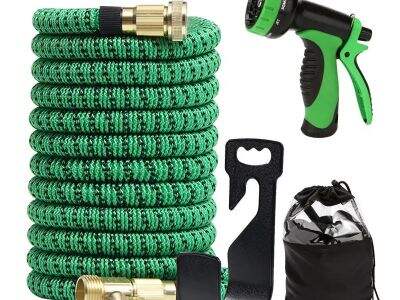
Understanding the Quality Standards for Reinforced Garden Hoses
Quality standards play a critical role in the manufacturing of reinforced garden hoses. Buyers should familiarize themselves with relevant standards to ensure that the hoses meet their performance and safety requirements. Organizations such as ASTM and ISO provide guidelines that outline testing methods for pressure resistance, durability, and overall performance
For example, hoses that conform to ASTM D2247 are tested for their ability to withstand various environmental conditions, ensuring they won’t degrade when exposed to UV light or extreme temperatures. Additionally, quality certification marks, such as those indicating compliance with international standards, provide assurance of a product's reliability
Furthermore, buyers should inquire about the manufacturing processes employed by potential suppliers. High-quality hoses are often produced using advanced extrusion techniques, which ensure consistent wall thickness and material integrity, further enhancing pressure resistance and service life
Choosing the Right Reinforcement for Your Garden Hose Applications
Selecting the appropriate reinforcement layer for a garden hose depends on the specific application and operating conditions. For instance, if the hose will be used in an environment with high pressure and potential abrasion, a multi-layer design with a robust, high-tensile strength material is recommended
Common reinforcement materials include
Polyester: Offers good strength and flexibility, making it suitable for general garden use
Nylon: Provides enhanced durability and resistance to punctures, ideal for commercial applications
Steel Wire: Used for extremely high-pressure hoses, often found in industrial settings
When customizing hoses, buyers should also consider factors such as temperature ranges, chemical exposure, and compatibility with fittings For example, hoses used in agricultural settings may require chemical-resistant materials to withstand exposure to fertilizers and pesticides
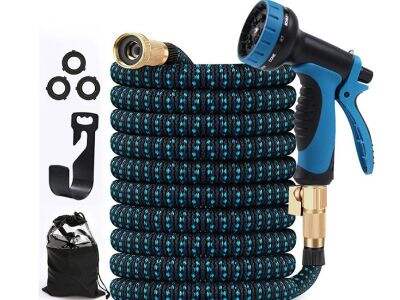
Where to Source High-Quality Reinforced Garden Hoses Wholesale
Sourcing high-quality reinforced garden hoses involves evaluating suppliers based on their manufacturing capabilities, product range, and compliance with quality standards. Buyers should prioritize manufacturers with a proven track record, such as Jiangsu Nantong Longtao Fire-Hose Group Co., Ltd., which specializes in producing a variety of hoses including garden and fire hoses
When approaching suppliers, consider the following
Production Capacity: Ensure the supplier can meet your volume requirements, both for initial orders and potential repeat orders
Customization Options: Discuss any specific requirements you may have, including dimensions, materials, and design features
Lead Times: Confirm production and shipping timelines to align with your project schedules
Samples: Request samples to evaluate the hose’s performance and quality before committing to a larger order
Establishing a relationship with a reliable supplier not only ensures product quality but also facilitates better pricing and terms
Evaluating the Cost vs. Benefits of Reinforced Garden Hoses
When assessing the cost of reinforced garden hoses, it is essential to weigh the initial investment against the long-term benefits. While reinforced hoses may come at a higher price point compared to standard hoses, their durability and extended service life can lead to cost savings over time
Key factors to consider include
Durability: Reinforced hoses typically withstand higher pressures and resist wear and tear, reducing the frequency of replacements
Performance: A higher-quality hose can maintain optimal water flow and pressure, which is crucial for applications requiring consistent performance
Warranty and Support: Many reputable manufacturers offer warranties on their hoses, providing additional peace of mind regarding quality and reliability
Buyers should perform a total cost of ownership analysis, considering both purchase price and operational costs over the hose's lifecycle. This approach will help determine the most economically viable option for their specific needs
By focusing on these practical considerations, buyers can make informed decisions that enhance the effectiveness and reliability of their garden hose applications
Table of Contents
- How Reinforcement Layers Enhance Garden Hose Pressure Resistance
- Understanding the Quality Standards for Reinforced Garden Hoses
- Choosing the Right Reinforcement for Your Garden Hose Applications
- Where to Source High-Quality Reinforced Garden Hoses Wholesale
- Evaluating the Cost vs. Benefits of Reinforced Garden Hoses
