
 EN
EN
 AR
AR
 FR
FR
 DE
DE
 KO
KO
 CS
CS
 DA
DA
 NL
NL
 FI
FI
 EL
EL
 IT
IT
 JA
JA
 NO
NO
 PL
PL
 PT
PT
 RO
RO
 RU
RU
 ES
ES
 SV
SV
 TL
TL
 IW
IW
 ID
ID
 LV
LV
 LT
LT
 SR
SR
 SK
SK
 SL
SL
 UK
UK
 SQ
SQ
 ET
ET
 HU
HU
 TH
TH
 TR
TR
 FA
FA
 AF
AF
 IS
IS
 MK
MK
 KA
KA
 UR
UR
 BN
BN
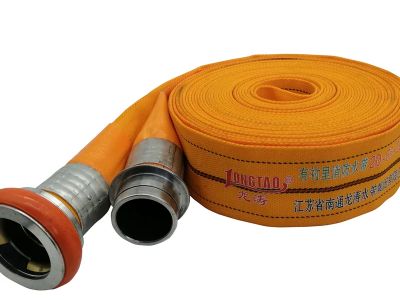
Understanding the impact of loom speed on fire hose jacket quality and production efficiency is crucial for purchasing managers and engineers in the fire safety sector. Fire hoses are critical for effective firefighting, and the quality of their jackets significantly affects their performance and durability. This article will delve into how loom speed affects these aspects, taking into account various buyer concerns such as material selection, production processes, and quality control. By the end of this discussion, you will have a clearer understanding of how to assess loom speed in relation to fire hose jackets, ensuring you make informed purchasing decisions.
How Loom Speed Influences Fire Hose Jacket Quality Standards?
Loom speed is a pivotal factor in the manufacturing of fire hose jackets, as it directly influences the quality of the final product. Faster loom speeds can lead to greater production output, but they may also compromise the integrity of the woven fabric. Higher speeds can result in increased tension and potential defects, leading to inconsistencies in texture and strength. This is particularly crucial for fire hose jackets, which must meet stringent quality standards to ensure reliable performance under extreme conditions. Quality standards for fire hose canvas are often dictated by industry regulations and certifications. For instance, fire hoses must withstand high pressures and offer durability against abrasion and exposure to various chemicals. Therefore, manufacturers must carefully balance loom speed with the need for high-quality outputs. It is essential for buyers to inquire about the loom speeds used in production and how they align with the desired quality standards for fire hose jackets.
Understanding Loom Speed
Loom speed refers to the rate at which a weaving loom can produce fabric, typically measured in meters per minute. In the context of fire hose jackets, loom speed can affect the fabric's density and overall quality. A slower loom speed generally allows for more precise weaving, resulting in tighter and more robust fabric. Conversely, a faster loom speed can lead to a looser weave, which may compromise the hose's ability to withstand high pressures and abrasion.
When assessing loom speed, it is crucial to consider not only the speed itself but also the type of loom used. Different looms can operate at varying speeds, and their designs can influence the fabric's characteristics. For example, shuttle looms may produce a different quality of fabric compared to air-jet looms, despite operating at similar speeds. Buyers should evaluate the specific loom technology employed by manufacturers and how that impacts the final product quality.
Loom Speed and Production Efficiency
The correlation between loom speed and production efficiency is a double-edged sword. Increased loom speed can significantly boost production rates, allowing manufacturers like Jiangsu Nantong Longtao Fire-Hose Group Co., Ltd. to meet high demand efficiently. However, it is vital to ensure that this increase in production does not come at the expense of quality. Manufacturers must implement robust quality control processes to monitor fabric consistency and detect defects that may arise from higher speeds. For instance, a production line running at high loom speeds should incorporate regular inspections and testing protocols to ensure that the fabric meets the required specifications. Buyers should inquire about these quality control measures when evaluating potential suppliers, as they play a significant role in maintaining product standards.
Loom Speed Factors to Evaluate
Several factors influence loom speed and should be evaluated when sourcing fire hose jackets. These include:
Loom Type: The type of loom used can impact both speed and fabric quality. Understanding the differences between shuttle, rapier, and air-jet looms can help buyers make informed decisions.
Material Quality: The choice of raw materials can influence the weaving process. Higher-quality fibers may allow for faster loom speeds without sacrificing quality, while lower-grade materials may require slower speeds to ensure adequate fabric integrity.
Production Environment: The conditions under which the looms operate, such as humidity and temperature, can affect weaving performance. A controlled environment can help maintain consistent loom speeds and fabric quality.
Technical Expertise: The skill level of the operators running the looms plays a critical role. Experienced operators can optimize loom settings for both speed and quality, reducing the likelihood of defects.
By considering these factors, buyers can better assess a manufacturer’s capabilities and ensure they are sourcing rubber fire hose that meet their performance and quality requirements.
Where to Source High-Quality Fire Hose Jackets with Optimal Loom Speed?
When sourcing fire hose jackets, it is essential to partner with manufacturers that demonstrate a commitment to quality and efficiency. Jiangsu Nantong Longtao Fire-Hose Group Co., Ltd. stands out as a leading manufacturer, with an annual capacity of 10 million fire hose meters and a range of fire equipment products. The company adheres to strict quality-first principles, ensuring that their production processes, including loom speed management, align with industry standards.
To ensure you are sourcing high-quality fire hose jackets, consider the following steps:
Request Samples: Before placing a bulk order, request samples to evaluate fabric quality and performance. Testing samples under real-world conditions is crucial for assessing their suitability.
Inquire About Production Processes: Ask manufacturers about their loom speeds and quality control measures. Understanding how they manage these factors can give you confidence in their products.
Check Certifications: Ensure that the manufacturer complies with relevant industry standards and certifications. This is an indicator of their commitment to quality and safety.
Evaluate Customization Options: If your application requires specific performance characteristics, confirm that the manufacturer can accommodate customization requests without compromising quality.
By following these steps, you can ensure that you are sourcing fire hose cotton canvas that not only meet your quality standards but are also produced efficiently, ultimately benefitting your operations and safety protocols.
