
 EN
EN
 AR
AR
 FR
FR
 DE
DE
 KO
KO
 CS
CS
 DA
DA
 NL
NL
 FI
FI
 EL
EL
 IT
IT
 JA
JA
 NO
NO
 PL
PL
 PT
PT
 RO
RO
 RU
RU
 ES
ES
 SV
SV
 TL
TL
 IW
IW
 ID
ID
 LV
LV
 LT
LT
 SR
SR
 SK
SK
 SL
SL
 UK
UK
 SQ
SQ
 ET
ET
 HU
HU
 TH
TH
 TR
TR
 FA
FA
 AF
AF
 IS
IS
 MK
MK
 KA
KA
 UR
UR
 BN
BN
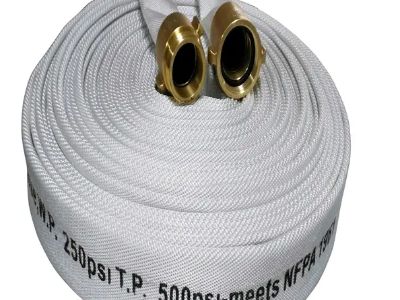
Understanding how yarn selection influences the performance of woven fire hose jackets is crucial for manufacturers and purchasing managers alike. The choice of yarn directly impacts the durability, resistance to environmental factors, and overall effectiveness of fire hose in emergency situations. Buyers often face concerns regarding material compatibility, quality assurance, and the long-term performance of these products. This article will guide you through the key aspects of yarn selection in fire hose jacket manufacturing, helping you make informed decisions that align with your operational requirements.
How Yarn Selection Affects Woven Fire Hose Jacket Quality?
The quality of woven fire hose jackets is significantly influenced by the type of yarn used in their construction. Commonly, yarns are classified by their material such as polyester, nylon, or aramid each offering distinct properties. For instance, polyester yarns are favored for their excellent UV resistance and durability, making them suitable for outdoor applications. Nylon, on the other hand, provides superior flexibility and strength but may have lower UV resistance.
Selecting the appropriate yarn not only affects the fire hose’s resistance to abrasion and chemicals but also impacts its weight and flexibility. A well-chosen yarn will enhance the 4 fire hose ability to withstand extreme temperatures and pressures, which are critical during firefighting operations. Therefore, understanding the specific requirements of the application is essential for selecting the right yarn that meets the necessary performance standards.
Key Specifications for Selecting Yarn in Fire Hose Manufacturing
When selecting yarn for woven fire hose jackets, several key specifications should be considered:
Material Composition: As mentioned, polyester and nylon are common choices, but aramid yarns can also be utilized for high-temperature applications. Each material has unique strengths and weaknesses that should align with the intended use of the hose.
Denier: This indicates the thickness of the yarn. A higher denier count typically means a stronger and more durable fabric, which is crucial for heavy-duty fire hoses subjected to harsh conditions.
Twist and Weave: The twist of the yarn affects tensile strength and flexibility. A tighter twist can enhance strength and resistance to fraying, while the weave pattern influences the fabric’s overall flexibility and how it handles pressure.
Moisture and Chemical Resistance: Evaluate the yarn's resistance to moisture and specific chemicals it may encounter in firefighting scenarios. This is vital for maintaining the integrity and performance of the hose over time.
UV Stability: For hoses exposed to sunlight, UV stability is essential to prevent degradation and ensure a longer lifespan.
Understanding these specifications allows buyers to evaluate whether the yarn selected will meet the operational demands and safety standards required in firefighting applications.
Impact on Fire Hose Performance
The performance of woven fire hose jackets is directly linked to yarn selection. For example, hoses made from high-strength nylon yarns can withstand higher pressure ratings, making them ideal for use in high-rise firefighting operations. Conversely, if a lower-grade yarn is used, the hose may fail under pressure, leading to potentially dangerous situations.
Additionally, the flexibility of the yarn affects how easily the hose can be maneuvered in tight spaces during emergencies. A more flexible yarn allows for better handling and reduces the risk of kinks or breaks, which can hinder firefighting efforts. Therefore, evaluating the specific performance characteristics of yarns in relation to the intended application is critical for ensuring that the flexible fire hose performs effectively in real-world scenarios.
Cost vs. Performance in Fire Hose Jackets
When sourcing woven fire hose jackets, buyers often face the dilemma of balancing cost and performance. While lower-cost yarns may initially seem appealing, they often come with trade-offs in terms of durability and performance. For example, using a less expensive, lower-quality yarn can lead to increased wear and tear, necessitating more frequent replacements and ultimately, higher long-term costs.
On the other hand, investing in high-quality yarn can significantly enhance the performance and lifespan of the fire hose. Buyers should consider the total cost of ownership rather than just the upfront price. Evaluating long-term performance metrics, such as resistance to wear, tear, and environmental factors, can provide a clearer picture of the true value of the product.
Common Problems with Yarn Selection in Fire Hose Production and Solutions
Despite the best intentions, issues can arise during yarn selection that affect the production and performance of woven fire hose jackets. Common problems include:
Incompatibility with Other Materials: If the yarn selected is not compatible with the hose lining material, it can lead to delamination or reduced performance. It is crucial to ensure that the yarn and lining materials are chemically compatible.
Inconsistent Quality: Variability in yarn quality can lead to inconsistent hose performance. It’s advisable to work with suppliers who can provide consistent quality assurance and testing results.
Improper Yarn Specifications: Selecting yarns without adequate consideration of specifications like denier or twist can result in products that do not meet performance requirements. Conducting thorough testing and quality inspections during the sample approval stage can help mitigate this risk.
Lack of Customization Options: Buyers should seek manufacturers who offer customization capabilities, allowing them to tailor the yarn selection to meet specific operational needs.
To address these issues, buyers should engage in detailed discussions with suppliers about their specific requirements, request samples, and conduct performance testing under realistic conditions before mass production. This proactive approach can help prevent costly mistakes and ensure that the final product meets the necessary standards for safety and effectiveness.
By understanding how yarn selection influences the performance of woven fire hose jackets, purchasing managers and engineers can make informed decisions that enhance the safety and efficiency of firefighting operations.
