
 EN
EN
 AR
AR
 FR
FR
 DE
DE
 KO
KO
 CS
CS
 DA
DA
 NL
NL
 FI
FI
 EL
EL
 IT
IT
 JA
JA
 NO
NO
 PL
PL
 PT
PT
 RO
RO
 RU
RU
 ES
ES
 SV
SV
 TL
TL
 IW
IW
 ID
ID
 LV
LV
 LT
LT
 SR
SR
 SK
SK
 SL
SL
 UK
UK
 SQ
SQ
 ET
ET
 HU
HU
 TH
TH
 TR
TR
 FA
FA
 AF
AF
 IS
IS
 MK
MK
 KA
KA
 UR
UR
 BN
BN
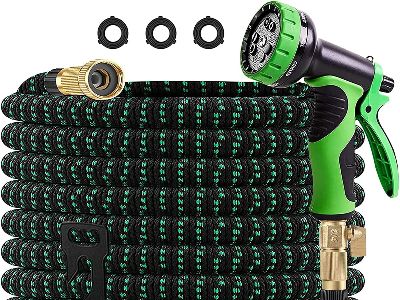
Understanding the relationship between compound formulation and garden hose flexibility at low temperatures is crucial for purchasing managers and engineers in industries that rely on robust outdoor equipment. As a manufacturer with expertise in fire hoses and garden hoses, Jiangsu Nantong Longtao Fire-Hose Group Co., Ltd. recognizes that flexibility can significantly influence the usability and longevity of garden hose in cold weather conditions. This article will explore how compound formulation affects hose flexibility, enabling buyers to make informed decisions regarding their sourcing and application needs.
How Compound Formulation Impacts Garden Hose Flexibility at Low Temperatures?
Compound formulation plays a vital role in determining the flexibility of garden hoses, particularly in low-temperature environments. The flexibility of a hose is chiefly influenced by the materials used in its construction, such as PVC, rubber, or thermoplastic elastomers (TPE). Each material has unique properties that dictate how well it performs under varying temperature conditions.
For example, hoses made from high-quality rubber compounds tend to maintain their flexibility better than those made from lower-grade materials as temperatures drop. When selecting a compact garden hose, it is essential to consider the formulation's resistance to cold weather, as a hose that becomes rigid or brittle can lead to kinking, cracking, and ultimately, premature failure. Buyers should look for hoses specifically designed to withstand lower temperatures, as indicated by their product specifications.
Moreover, the presence of plasticizers in the compound can enhance flexibility. However, the balance is crucial; excessive plasticization can lead to reduced durability and increased susceptibility to environmental degradation. Thus, understanding the compound's formulation is critical for ensuring that the hose retains its functionality and longevity in challenging weather conditions.
Evaluating Garden Hose Flexibility and Quality
When assessing garden hose flexibility, buyers should evaluate several key factors: material composition, thickness, and design features. The hose's thickness, often measured in millimeters, directly influences its durability and flexibility. Thicker hoses may provide better resistance to punctures and abrasions but can also be less flexible, particularly in colder temperatures.
Quality can often be gauged by examining the hose’s construction. For instance, multi-layer hoses with reinforced inner linings offer enhanced strength without sacrificing flexibility. Buyers should also inspect the super flexible garden hose surface for any irregularities, which can indicate manufacturing defects that may affect performance.
Additionally, buyers should conduct a flexibility test by bending the hose at various temperatures to evaluate its performance in real-world conditions. This hands-on approach can reveal how well the hose will perform in the field, ensuring that it meets the necessary quality standards for their specific applications.
Where to Source Reliable Garden Hoses for Cold Weather Use?
Sourcing reliable garden hoses suitable for cold weather involves selecting reputable manufacturers known for quality and durability. Companies like Jiangsu Nantong Longtao Fire-Hose Group Co., Ltd. specialize in producing hoses tailored to meet specific environmental challenges, including cold weather applications.
When evaluating suppliers, buyers should consider the following:
Reputation and Experience: Choose manufacturers with a proven track record and positive reviews from previous clients.
Customization Options: Suppliers should offer custom formulations tailored to meet specific temperature and application requirements.
Certifications and Quality Control: Verify that the manufacturer adheres to industry standards and has robust quality control processes in place.
Requesting samples for testing before placing bulk orders is advisable. This allows buyers to assess the hoses' flexibility and performance under cold conditions firsthand.
Expert Insights on Garden Hose Installation for Maximum Flexibility
Proper installation is crucial for maximizing the flexibility and lifespan of garden hoses. Here are key considerations to ensure optimal performance:
Avoiding Kinks: When installing a garden hose, avoid sharp bends or kinks, as these can restrict water flow and increase stress on the material, particularly in cold weather.
Correct Fittings: Ensure that the hose fittings are compatible and securely fastened to prevent leaks. Mismatched fittings can cause unnecessary tension and lead to hose damage.
Storage Solutions: Store hoses properly during off-seasons. Coiling them loosely instead of tightly can help maintain their flexibility and prevent memory set, which can occur when hoses are stored in a coiled position for extended periods.
Additionally, using hose reels can help prevent tangling and damage during storage, further enhancing the hose’s longevity and usability in fluctuating temperatures.
Evaluating Supplier Reliability for Bulk Orders of Garden Hoses
When placing bulk orders for garden hoses, evaluating supplier reliability is paramount. Buyers should consider the following criteria:
Production Capacity: Assess if the supplier can meet your order volume and timeline requirements. Understanding their production capabilities can prevent delays in receiving essential supplies.
Quality Assurance Processes: Inquire about the supplier’s quality control measures. A reliable supplier will have rigorous testing and inspection protocols to ensure that products meet specified standards.
Customer Service and Support: Effective communication and support from the supplier can be critical, especially when addressing potential issues or customizing orders.
It’s prudent to establish a clear agreement that outlines delivery timelines, quality expectations, and responsibilities for both parties. This proactive approach can help mitigate potential risks associated with bulk procurement and foster a successful long-term business relationship.
By understanding how compound formulation determines garden hose flexibility at low temperatures and evaluating key factors in sourcing, installation, and supplier reliability, purchasing managers and engineers can make informed decisions that enhance operational efficiency and ensure the durability of their garden hoses in challenging environments.
Table of Contents
- How Compound Formulation Impacts Garden Hose Flexibility at Low Temperatures?
- Evaluating Garden Hose Flexibility and Quality
- Where to Source Reliable Garden Hoses for Cold Weather Use?
- Expert Insights on Garden Hose Installation for Maximum Flexibility
- Evaluating Supplier Reliability for Bulk Orders of Garden Hoses
