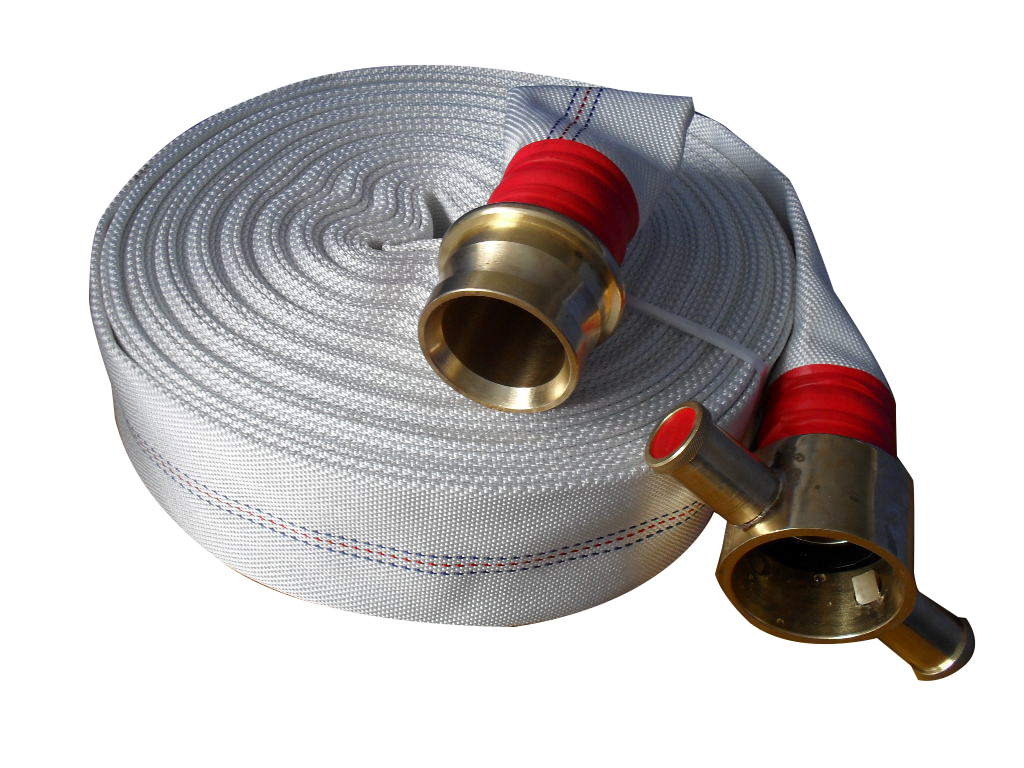
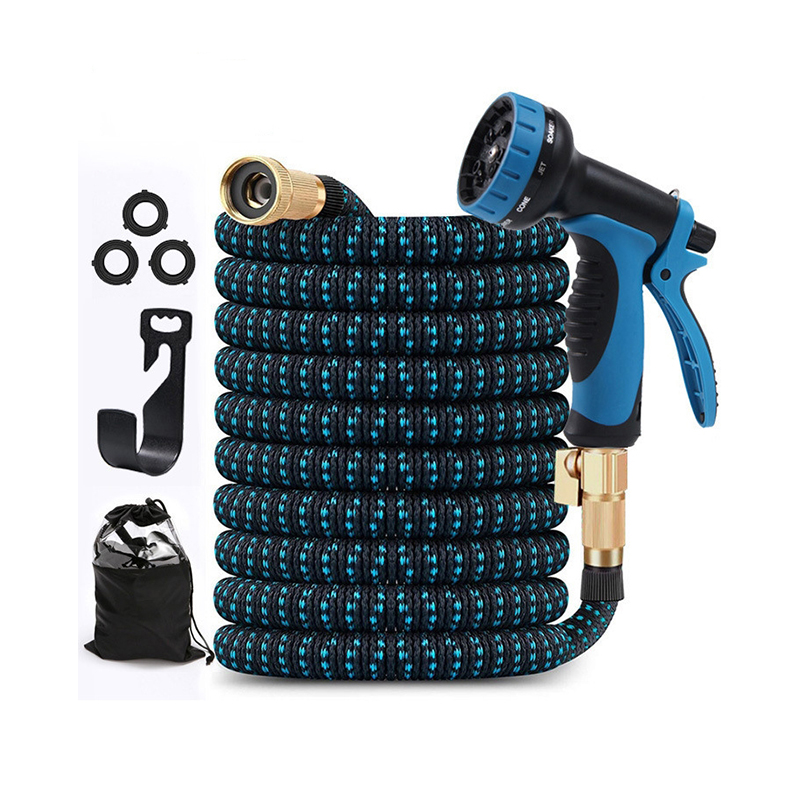
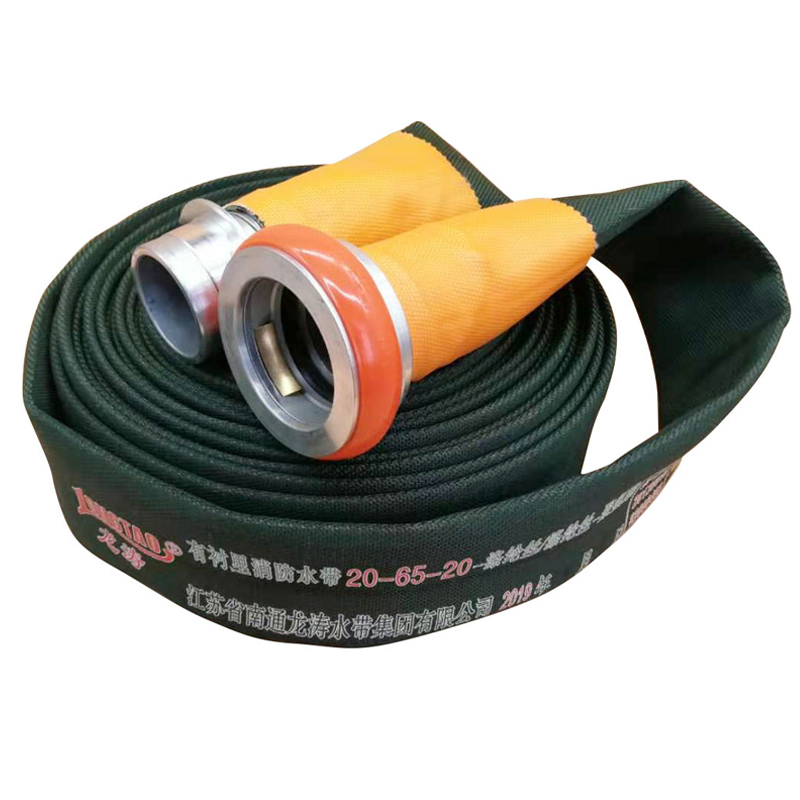
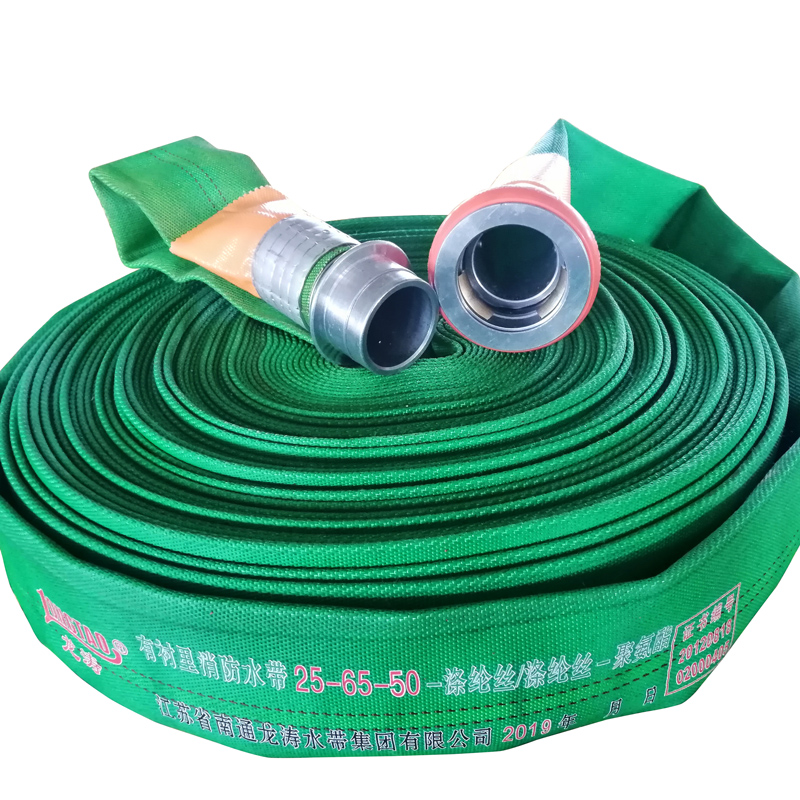
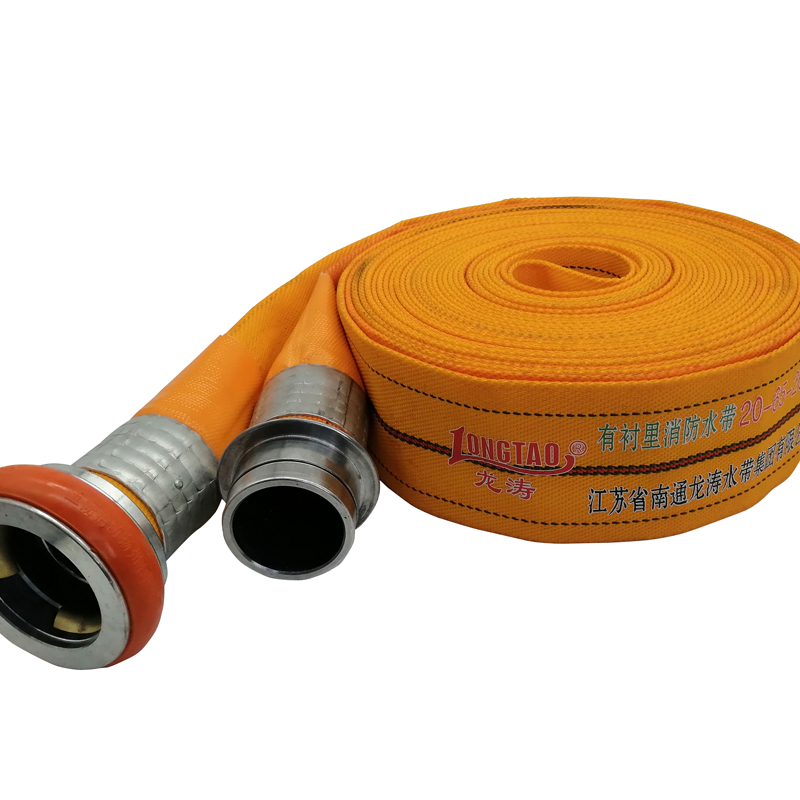
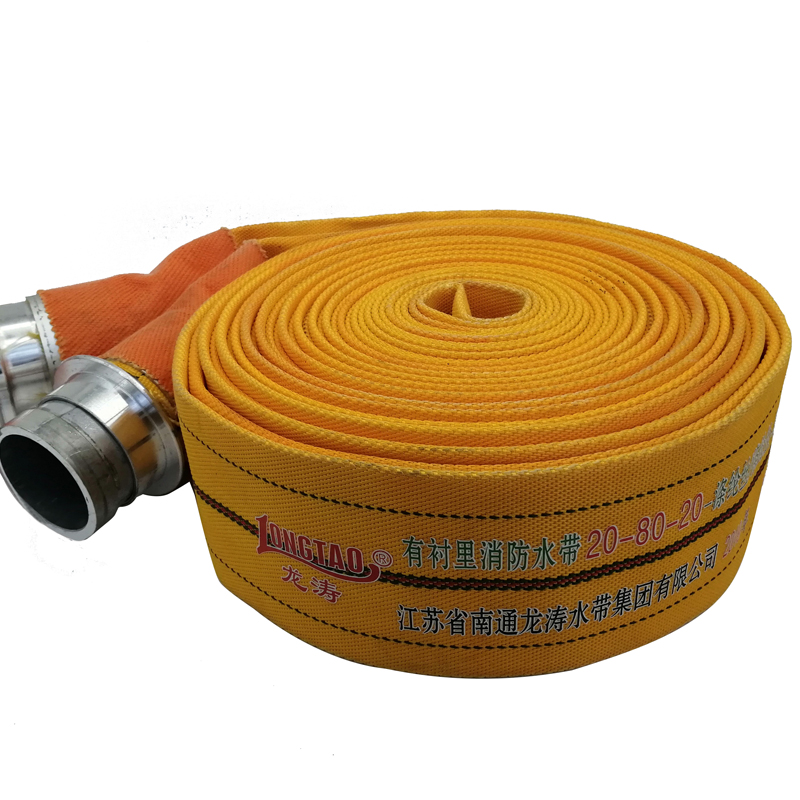
Fire hose reel systems are essential components in fire safety management, providing a reliable means for quick and efficient firefighting in commercial and industrial settings. When considering the purchase of a fire garden hose reel system, buyers often focus on factors such as quality, installation, and maintenance. This article aims to guide purchasing managers, engineers, and product managers in evaluating fire hose reel systems, covering critical aspects like quality assessment, features and costs, installation guidance, common issues, and material advantages.
Quality evaluation of fire hose reel systems should begin with an analysis of the materials used in their construction. Look for systems made from durable materials such as high-grade steel or corrosion-resistant alloys, as these will ensure longevity and reliability. The design should include features like smooth operation for the reel mechanism and robust hose connections, which directly influence the system's performance.
Additionally, buyers should check for compliance with relevant safety standards, such as those set by Underwriters Laboratories (UL) or the National Fire Protection Association (NFPA). Certification not only reflects adherence to industry standards but also assures buyers of the product's reliability. Lastly, consider the manufacturer’s quality control processes a reputable manufacturer will have rigorous testing protocols in place to ensure each unit meets the necessary performance criteria.
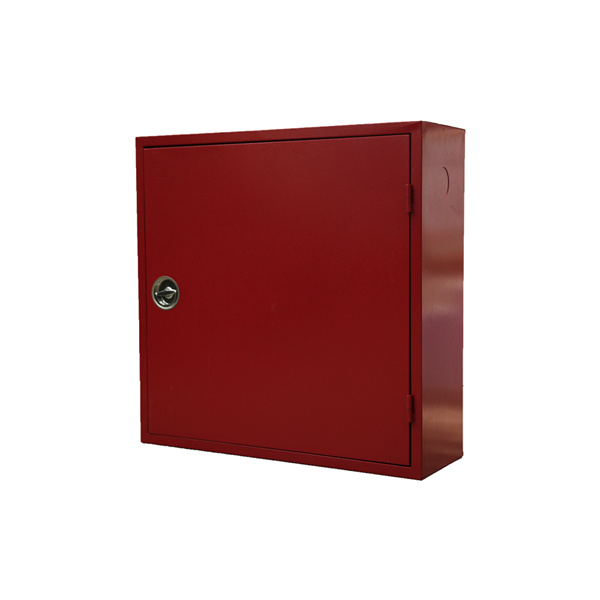
Fire hose reel systems come with various features tailored to different applications. Key features may include:
Hose Length and Diameter: The standard hose length typically ranges from 30 to 100 meters, with diameters varying based on the intended use. A larger diameter can facilitate a higher water flow rate, which is crucial in larger facilities.
Reel Material and Design: Look for reels made from powder-coated steel or stainless steel, which resist rust and wear. A wall-mounted or freestanding design may be more suitable depending on the installation environment.
Ease of Use: Features like automatic rewind mechanisms or ergonomic handles can enhance user experience.
Cost will often vary based on these features, with higher-quality systems commanding higher prices. However, investing in a reliable system can yield long-term benefits, including reduced maintenance costs and improved safety protocols, making it a cost-effective choice in the long run.
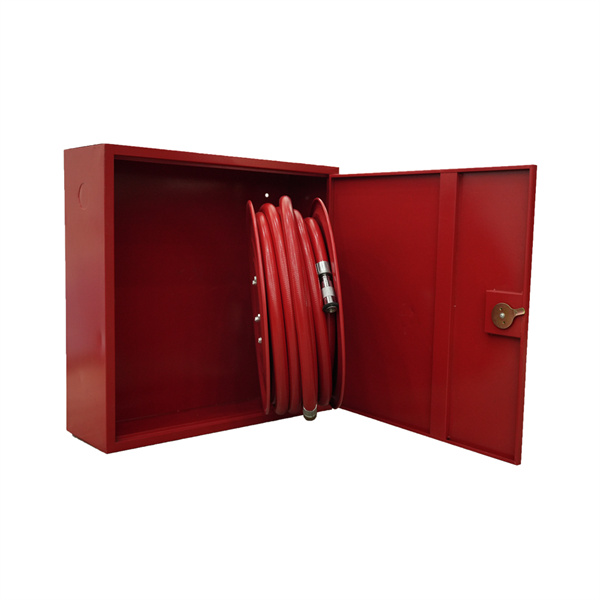
Proper installation of fire hose reel systems is critical for optimal performance. When installing, consider the following guidelines:
Location: Position the reel within reach of designated firefighting zones, ensuring it is easily accessible in an emergency. Avoid locations that may obstruct movement or access to other safety equipment.
Height and Orientation: The reel should typically be installed at a height of 1.2 meters to 1.5 meters from the floor, allowing for easy access without requiring ladders or other equipment.
Water Supply Connection: Ensure that the system is connected to a reliable water supply with adequate pressure. Conduct pressure tests to confirm that the water supply meets or exceeds the requirements specified by the manufacturer.
Regular Inspections: After installation, establish a routine inspection schedule to ensure the system remains in good working condition. Check for signs of wear, leaks, and functionality of the hose and reel mechanism.
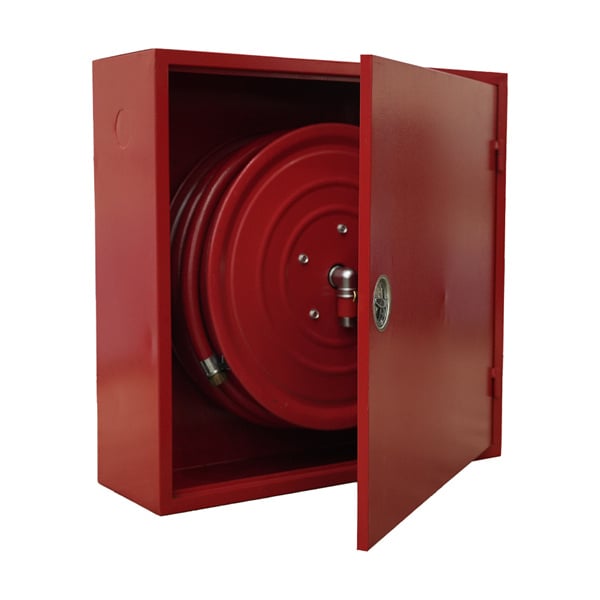
Even the best fire hose reel systems can encounter issues over time. Some common problems include:
Leaking Hoses: Leaks can often occur at coupling points where hoses connect to the reel or nozzle. Regularly inspect these connections and replace worn gaskets or seals to prevent water loss.
Stiff Reel Mechanism: If the reel becomes difficult to rewind, it may indicate debris interference or lubrication issues. Clean the reel regularly and apply appropriate lubricants to maintain smooth operation.
Hose Damage: Wear and tear may lead to hose damage, which can compromise the system's effectiveness. Ensure that hoses are stored correctly when not in use, avoiding sharp bends or exposure to harsh environmental conditions.
By identifying these issues early and addressing them promptly, users can extend the lifespan of their garden water hose reel systems.
The company places a strong emphasis on quality, which is fundamental to its survival and success. It is dedicated to the manufacturing, production, and research and development of fire-fighting equipment, including custom-made solutions for domestic and foreign professional fire brigades. The company holds multiple patent certificates for its independently developed intellectual property products, showcasing its innovative capabilities and commitment to advancing fire safety technology.
Jiangsu Nantong Longtao Fire-Hose Group Co., Ltd. is officially recognized by the Ministry of Public Security as a designated enterprise for the production of fire hoses, fire hydrants, and fire boxes. This designation underscores the company's compliance with stringent national standards and its commitment to producing high-quality fire safety equipment. Being a government-designated enterprise also reflects the company's reliability and trustworthiness in the industry.
With an annual production capacity of 10 million meters of fire hose and 7,000 sets of fire hydrant boxes, the company demonstrates its ability to meet large-scale demands efficiently. The product range is extensive, including lined fire hoses (single and double jacket), double-coated fire hoses, fire hose reels, plastic-coated hoses, spray fire hoses, garden hoses, and specialized nozzles and couplings that meet various international standards. This diversity allows the company to cater to a wide array of customer needs across different markets.
Jiangsu Nantong Longtao Fire-Hose Group Co., Ltd. has successfully exported its high-quality products to numerous countries, including the United States, Germany, Italy, Russia, South Korea, Japan, Vietnam, and the Middle East. The company adheres to a customer-first philosophy, offering high-quality, cost-effective products and services. Its commitment to honest cooperation and mutual benefit ensures long-term partnerships and a win-win situation for both the company and its clients. This global presence and customer-centric approach highlight the company's ability to compete and thrive in the international market.
The materials used in fire hose reel systems play a significant role in their performance and durability. Here are some key material considerations:
Reel Construction: Steel reels, especially those treated with anti-corrosive coatings, provide strength and durability. Stainless steel options are ideal for environments with high humidity or corrosive elements.
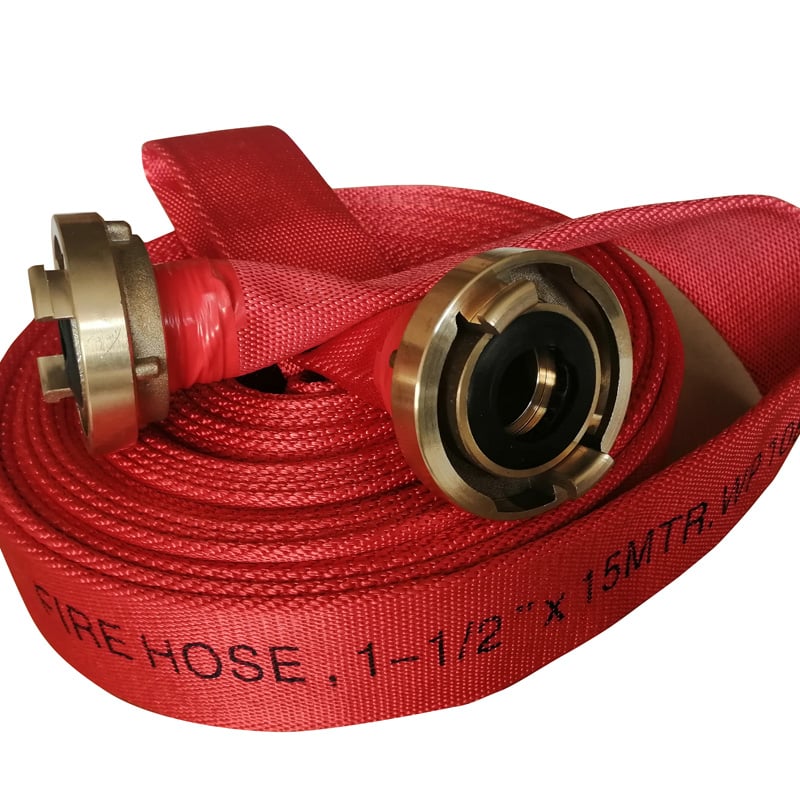
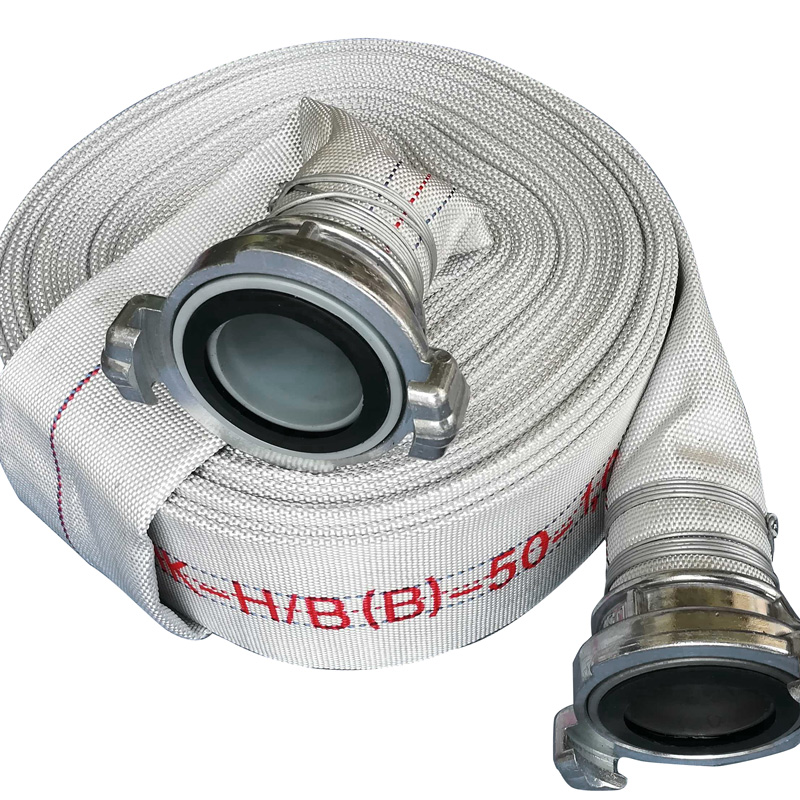
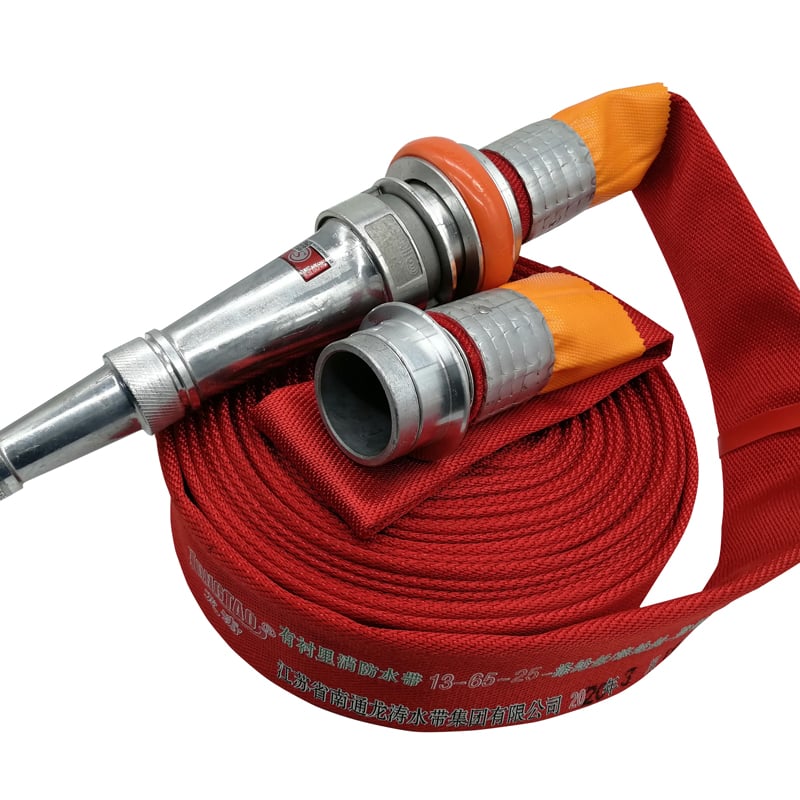
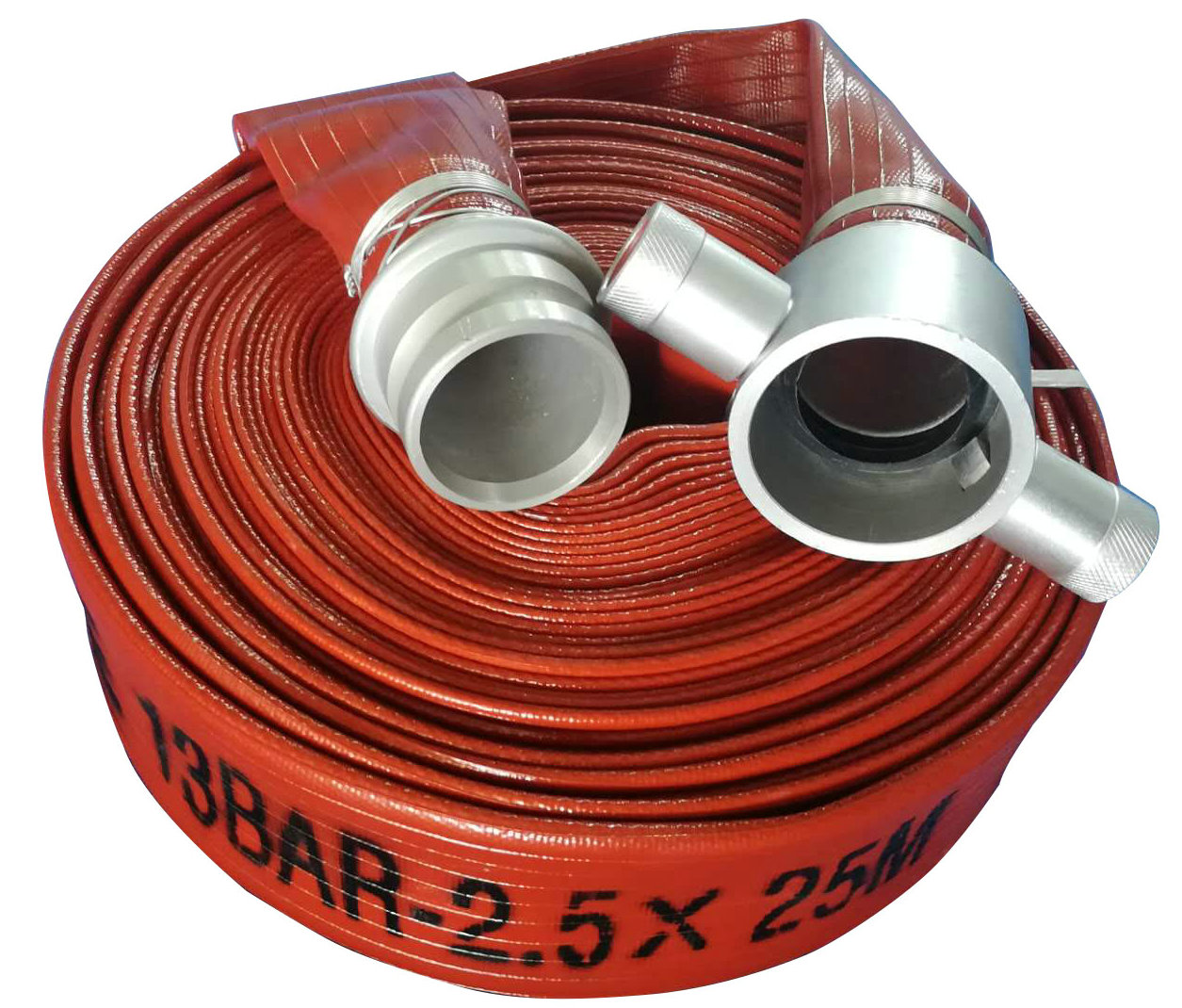
Hose Composition: Fire hoses are often made from lined materials, such as rubber or PVC, which offer flexibility and resistance to abrasions. Double-coated hoses provide additional protection against external elements, enhancing longevity.
Fittings and Nozzles: Quality couplings and nozzles made from brass or stainless steel are crucial for maintaining secure connections and preventing leaks. Ensure that fittings are compatible with the hose diameter and type to optimize performance.
The selection of materials should align with the expected operating environment, potential chemical exposures, and temperature variations to guarantee the fire hose reel system operates effectively and safely.
In summary, understanding the intricacies of gardena hose reel systems from quality evaluation and feature benefits to installation guidance and material advantages equips B2B buyers with the knowledge necessary to make informed purchasing decisions. When considering a supplier, prioritize those with proven manufacturing capabilities and a track record of delivering quality fire safety equipment.

Welcome to Jiangsu Nantong Longtao, we are a leading manufacturer specialize in fire hoses, fire hydrants and fire boxes.
No.888 Renmin South Road, Dayu Town,Rudong County, Nantong City, Jiansu Province
Copyright © EVERBRIGHT FIRE-FIGHTING EQUIPMENT(NANTONG)CO., LTD. All Rights Reserved
 EN
 AR
 FR
 DE
 KO
 CS
 DA
 NL
 FI
 EL
 IT
 JA
 NO
 PL
 PT
 RO
 RU
 ES
 SV
 TL
 IW
 ID
 LV
 LT
 SR
 SK
 SL
 UK
 SQ
 ET
 HU
 TH
 TR
 FA
 AF
 IS
 MK
 KA
 UR
 BN