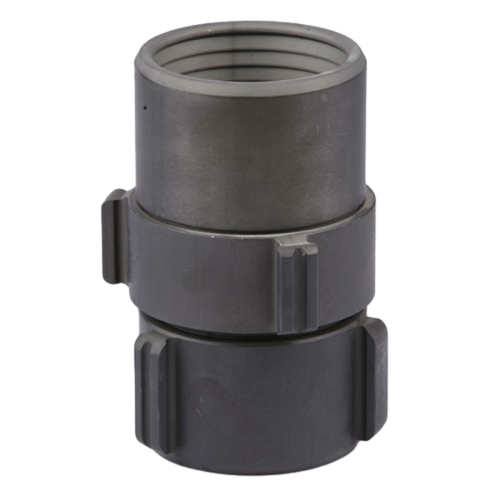
British instantaneous couplings are essential components in fire safety and firefighting equipment, ensuring reliable connections for hoses and hydrants. As a purchasing manager or engineer, your main concerns may include compatibility, quality, and the longevity of these couplings. This article will delve into the key specifications to consider, reliable suppliers, purchasing tips, applications across various industries, and a comparison of different types of British instantaneous fire coupling to help you make informed purchasing decisions.
When sourcing British instantaneous couplings, several specifications are critical to ensure optimal performance. Firstly, material selection is paramount. Couplings are often made from robust materials like brass, aluminum, or stainless steel, which provide strength and corrosion resistance. When evaluating materials, consider the environmental conditions the fire coupling will face, such as exposure to moisture or chemicals. Next, you should examine dimensions and pressure ratings. Ensure that the couplings match the hose and hydrant sizes you are using and that they can withstand the required pressure levels without failure. The connection type is also crucial; British instantaneous couplings utilize a specific design for secure attachment, so compatibility with existing equipment should be verified. Finally, certifications and quality control processes are vital. Look for couplings that meet industry standards, which can often be verified through third-party testing or manufacturer documentation.
This will ensure that the fire coupling can withstand the demands of various applications without compromising safety.
Finding trustworthy suppliers is crucial for sourcing high-quality British instantaneous fire coupling. Start by exploring industry trade shows and exhibitions, where manufacturers and suppliers showcase their latest products. This allows you to interact directly with representatives and evaluate their offerings. Another avenue is to utilize online B2B marketplaces and industry directories, which list reputable manufacturers and distributors. Look for companies with a strong track record, positive reviews, and a history of supplying to your specific industry sector.
Additionally, consider reaching out to industry associations or professional networks for recommendations. Established suppliers often have certification or compliance with local and international standards, enhancing their reliability. Jiangsu Nantong Longtao Fire-Hose Group Co., Ltd., for instance, has a solid reputation for producing high-quality fire equipment and fire coupling, backed by their Ministry of Public Security designation.
When purchasing British instantaneous couplings wholesale, several factors can affect both pricing and supply. Begin by understanding your minimum order quantity (MOQ) requirements, as this can vary significantly between suppliers. Larger orders may qualify for discounts, so it’s prudent to evaluate your needs carefully. Next, prepare detailed specifications for your order. Clearly outline the required materials, dimensions, and any customization needs. Providing samples or technical drawings can help suppliers understand your expectations, reducing the risk of errors in fulfillment. Lead times are another crucial factor to confirm before placing an order. Verify the supplier's production capacity and their ability to meet your project timelines. Additionally, consider the packaging and shipping methods they use to ensure your fire coupling arrive intact and ready for use. Lastly, negotiate pricing transparently and inquire about payment terms. Establishing a good relationship with your supplier can lead to better deals and reliable service in the long run.
British instantaneous couplings are widely used across multiple sectors, primarily in firefighting and safety applications. In the firefighting industry, these couplings facilitate quick connections between hoses and hydrants, allowing for rapid deployment of water in emergency situations. Their design ensures that firefighters can make secure connections under pressure, which is critical in high-stress environments. Beyond firefighting, these fire coupling are also utilized in industrial applications, such as in the chemical and petrochemical sectors, where reliable connections are necessary for the transfer of fluids. Their robustness and resistance to corrosion make them ideal for environments where chemical exposure is a concern. Additionally, in agriculture, instantaneous couplings are employed for irrigation systems, enabling farmers to connect hoses quickly and efficiently during planting and harvesting seasons. Their versatility in applications highlights their importance in ensuring safety and efficiency across various fields.
Jiangsu Nantong Longtao Fire-Hose Group Co., Ltd. has successfully exported its high-quality products to numerous countries, including the United States, Germany, Italy, Russia, South Korea, Japan, Vietnam, and the Middle East. The company adheres to a customer-first philosophy, offering high-quality, cost-effective products and services. Its commitment to honest cooperation and mutual benefit ensures long-term partnerships and a win-win situation for both the company and its clients. This global presence and customer-centric approach highlight the company's ability to compete and thrive in the international market.
Jiangsu Nantong Longtao Fire-Hose Group Co., Ltd. is officially recognized by the Ministry of Public Security as a designated enterprise for the production of fire hoses, fire hydrants, and fire boxes. This designation underscores the company's compliance with stringent national standards and its commitment to producing high-quality fire safety equipment. Being a government-designated enterprise also reflects the company's reliability and trustworthiness in the industry.
The company places a strong emphasis on quality, which is fundamental to its survival and success. It is dedicated to the manufacturing, production, and research and development of fire-fighting equipment, including custom-made solutions for domestic and foreign professional fire brigades. The company holds multiple patent certificates for its independently developed intellectual property products, showcasing its innovative capabilities and commitment to advancing fire safety technology.
With an annual production capacity of 10 million meters of fire hose and 7,000 sets of fire hydrant boxes, the company demonstrates its ability to meet large-scale demands efficiently. The product range is extensive, including lined fire hoses (single and double jacket), double-coated fire hoses, fire hose reels, plastic-coated hoses, spray fire hoses, garden hoses, and specialized nozzles and couplings that meet various international standards. This diversity allows the company to cater to a wide array of customer needs across different markets.
the different types available and their specific characteristics. The most common types include brass couplings, which offer excellent durability and resistance to corrosion, making them ideal for outdoor use and heavy-duty applications. Aluminum couplings are lighter and often preferred for applications where weight is a concern, such as in portable firefighting equipment. However, they may be less durable under extreme conditions compared to brass. Stainless steel fire coupling provide the highest resistance to corrosion and are suitable for environments with high levels of moisture or chemical exposure. However, they tend to be more expensive, so it’s crucial to weigh the cost against the expected longevity and performance.
Understanding the distinctions between these coupling types helps in making an informed choice that aligns with your specific project requirements. Collaborate closely with your supplier to ensure that the selected fire coupling meet the necessary specifications and performance criteria for your applications.

Welcome to Jiangsu Nantong Longtao, we are a leading manufacturer specialize in fire hoses, fire hydrants and fire boxes.
No.888 Renmin South Road, Dayu Town,Rudong County, Nantong City, Jiansu Province
Copyright © EVERBRIGHT FIRE-FIGHTING EQUIPMENT(NANTONG)CO., LTD. All Rights Reserved

 EN
 AR
 FR
 DE
 KO
 CS
 DA
 NL
 FI
 EL
 IT
 JA
 NO
 PL
 PT
 RO
 RU
 ES
 SV
 TL
 IW
 ID
 LV
 LT
 SR
 SK
 SL
 UK
 SQ
 ET
 HU
 TH
 TR
 FA
 AF
 IS
 MK
 KA
 UR
 BN