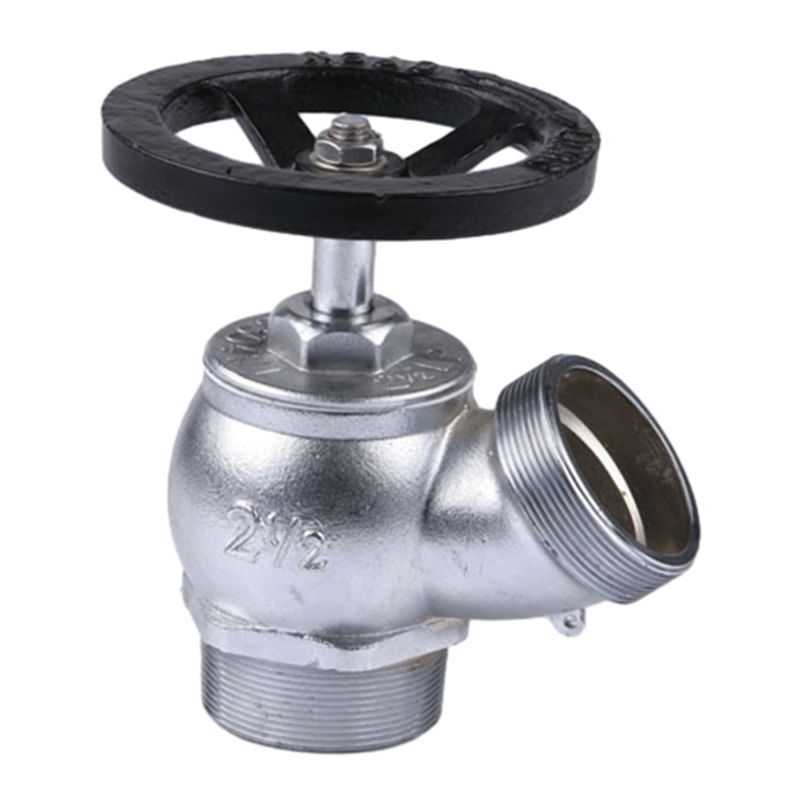
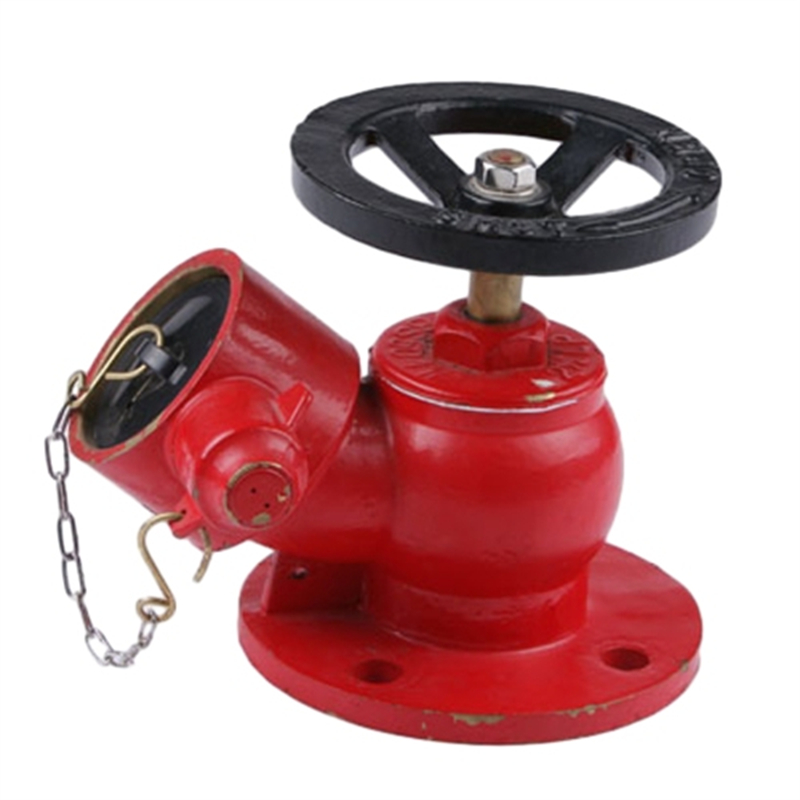
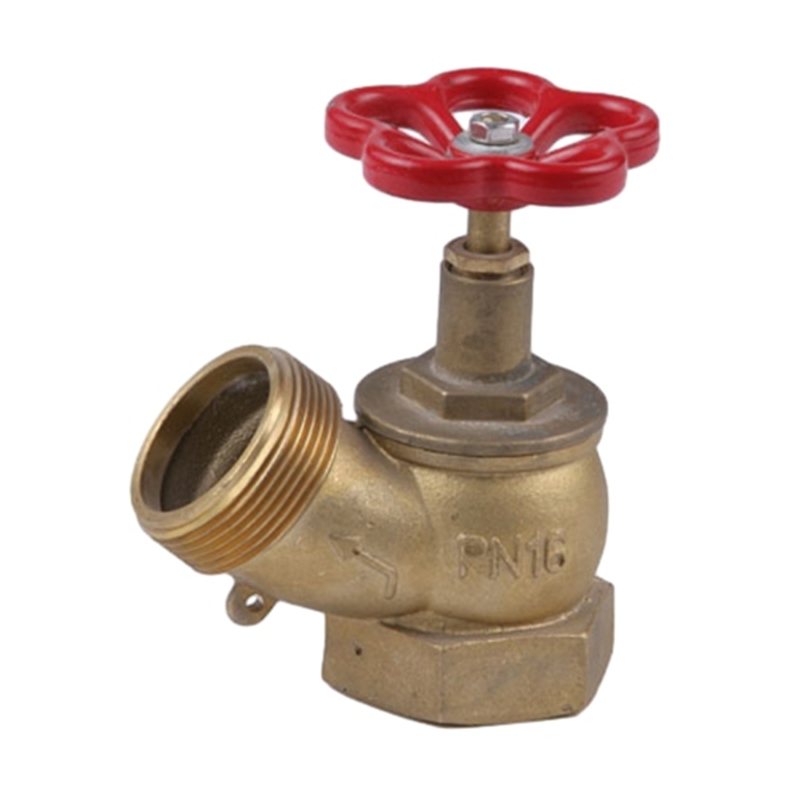
Fire hydrant cabinets are essential safety equipment designed to protect fire hoses, nozzles, and other firefighting tools from the elements and unauthorized access. For B2B buyers, understanding the various aspects of these cabinets is crucial for effective purchasing decisions. This article will guide you through selecting the right fire hydrant cabinet, sourcing reliable products, key specifications to consider, applications across industries, and common issues with fire hydrant cabinets along with their solutions.
When selecting a fire hydrant cabinet, it's essential to consider several factors that align with your project requirements. First, assess the size and capacity of the cabinet. A cabinet must accommodate the length and diameter of hoses and any additional firefighting equipment, such as nozzles and couplings. For instance, a well-chosen Fire Hose is crucial for effective firefighting.
Material selection is also critical. Fire hydrant cabinets are commonly made from steel or fiberglass. Steel cabinets offer durability and strength, making them suitable for high-traffic areas, while fiberglass cabinets may be better for environments susceptible to corrosion or extreme weather conditions. Additionally, consider the cabinet's mounting options—whether it will be wall-mounted or freestanding—as well as the installation environment, such as indoors or outdoors.
Finally, evaluate any customization needs. If your project requires specific dimensions or features, collaborating with a manufacturer like Jiangsu Nantong Longtao Fire-Hose Group Co., Ltd. can yield tailored solutions that meet your unique specifications.
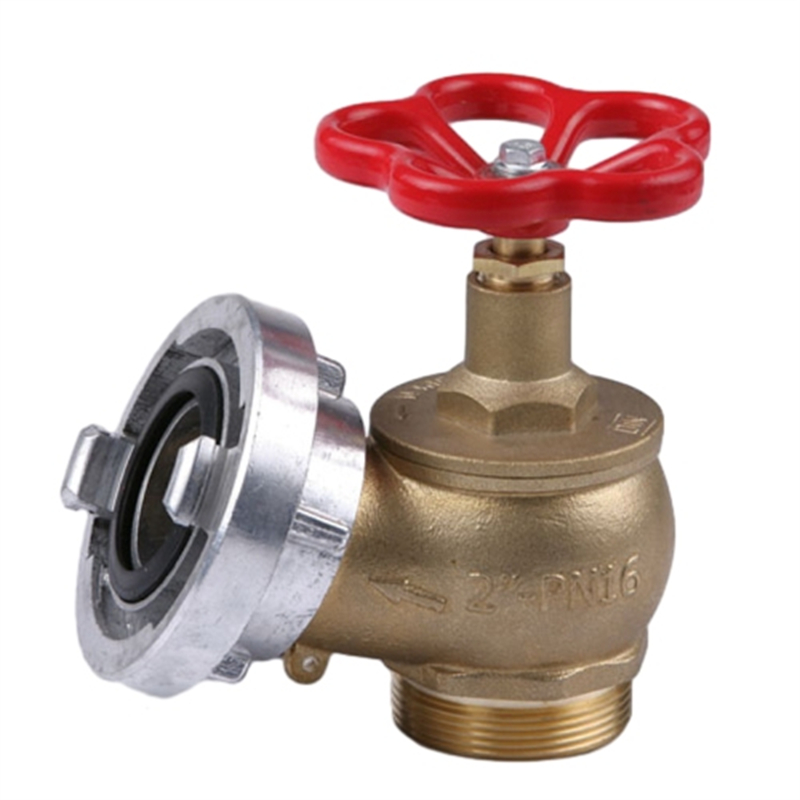
Finding a trustworthy supplier for fire hydrant cabinets is crucial for ensuring product quality and reliability. Start by researching manufacturers with a proven track record in the industry. Look for companies that are recognized by relevant authorities, such as the Ministry of Public Security, which signifies adherence to safety and quality standards.
Consider suppliers that offer comprehensive product lines, including custom solutions. Jiangsu Nantong Longtao Fire-Hose Group Co., Ltd., for instance, specializes in various fire safety equipment and has the capacity to produce tailored cabinets based on client specifications. They also provide Fire Sprikler systems that complement their cabinets.
Request samples or prototypes to evaluate the quality of the cabinets before committing to larger orders. Also, inquire about their quality control processes and certifications to ensure they meet industry standards.
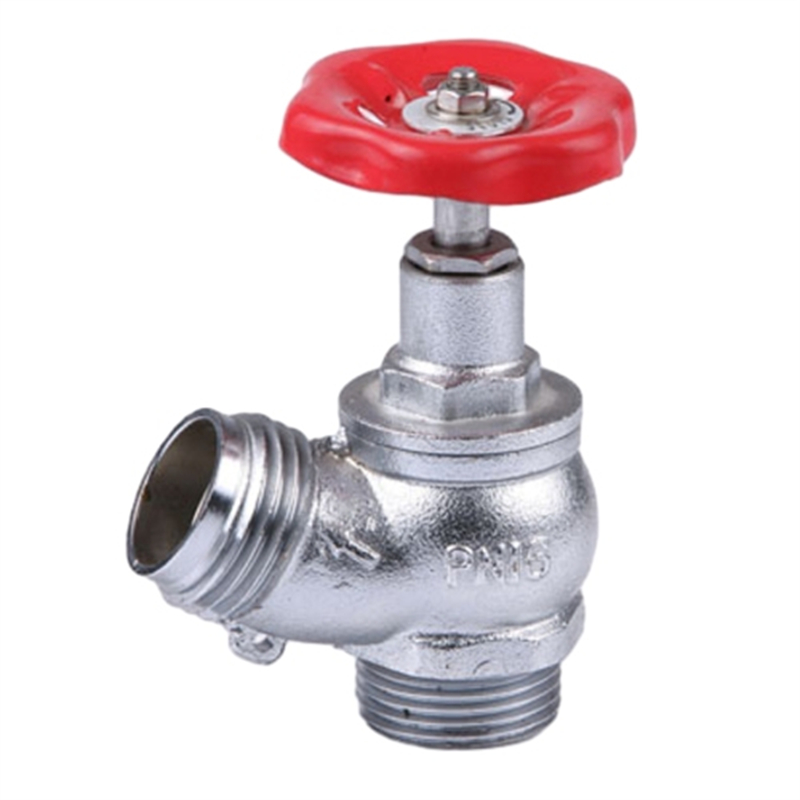
Several technical specifications are crucial when selecting a fire hydrant cabinet:
Material: The choice between steel and fiberglass affects durability, corrosion resistance, and weight. Steel is robust but may require additional coatings for rust protection, while fiberglass is lightweight and resistant to impact and chemicals.
Dimensions: Measure the space where the cabinet will be installed, ensuring it fits without obstructing pathways. The internal dimensions should accommodate the intended fire equipment.
Sealing and Protection: Ensure the cabinet has sufficient sealing to prevent water ingress and protect the contents from dust and debris. Look for cabinets with weather-resistant features if they will be installed outdoors.
Locking Mechanism: A reliable locking mechanism is essential to prevent unauthorized access while allowing for quick retrieval in emergencies. Evaluate the ease of use for authorized personnel.
Compliance: Confirm that the cabinet meets local fire codes and regulations, which may vary by region. This compliance is critical for safety and legality.
By focusing on these specifications, buyers can make informed decisions that align with their operational needs and safety protocols.
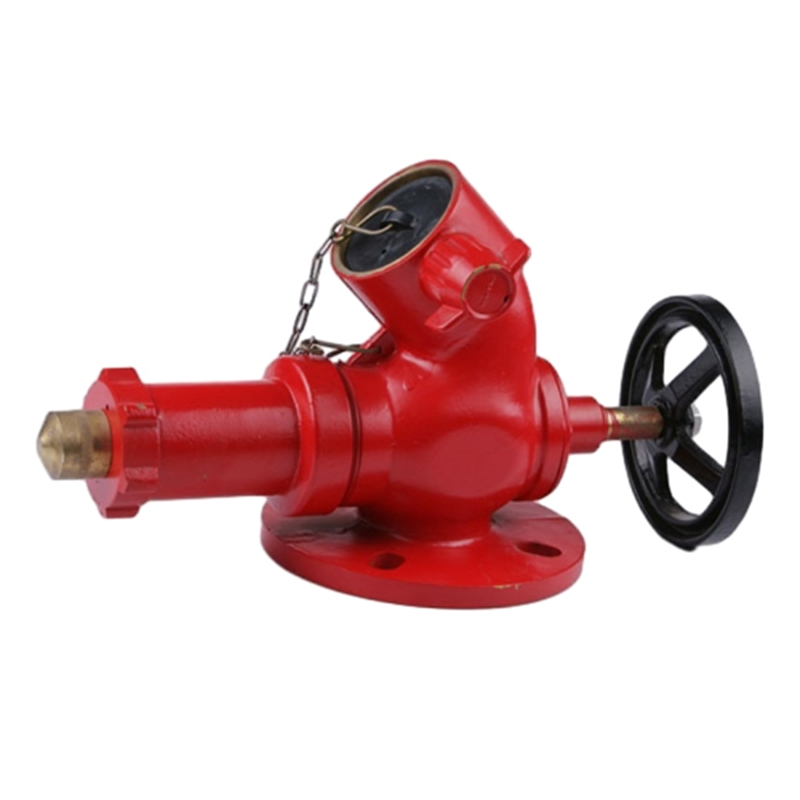
Fire hydrant cabinets play a significant role across various industries, each with unique requirements. In commercial buildings, these cabinets are essential for ensuring quick access to firefighting equipment in case of emergencies. They are typically placed in easily accessible locations, providing peace of mind to building occupants.
In industrial settings, these cabinets may need to withstand harsher conditions, such as exposure to chemicals or extreme temperatures. Customization options allow manufacturers like Jiangsu Nantong Longtao Fire-Hose Group Co., Ltd. to tailor cabinets for specific environments, ensuring they meet the unique demands of different industries.
Additionally, in residential areas or public parks, fire hydrant cabinets provide essential firefighting tools that can be accessed by local fire services, enhancing community safety. Each application demands careful consideration of the cabinet's design and functionality to ensure effectiveness.
Despite their critical role, fire hydrant cabinets can encounter several issues. Here are common problems and their respective solutions:
Corrosion: Steel cabinets may suffer from rust, particularly if not properly coated. To mitigate this, choose cabinets with a protective finish or consider fiberglass options in corrosive environments.
Damaged Seals: Over time, seals can wear out, leading to water ingress. Regular inspections should be scheduled to check the integrity of seals and replace them as needed to maintain protection.
Lock Malfunctions: Locks can jam or become inoperable, hindering access during an emergency. Opting for high-quality locking mechanisms and conducting routine maintenance can prevent this issue.
Insufficient Space: If the cabinet does not accommodate the required firefighting equipment, it can lead to ineffective emergency responses. Before procurement, verify the internal dimensions against your equipment specifications to prevent this problem.
By proactively addressing these common issues, buyers can ensure the longevity and reliability of their fire hydrant cabinets, contributing to overall safety and preparedness.
In summary, understanding the diverse aspects of fire hydrant cabinets—from selection criteria to potential issues—empowers B2B buyers to make informed decisions that enhance safety and compliance across various applications.

Welcome to Jiangsu Nantong Longtao, we are a leading manufacturer specialize in fire hoses, fire hydrants and fire boxes.
No.888 Renmin South Road, Dayu Town,Rudong County, Nantong City, Jiansu Province
Copyright © EVERBRIGHT FIRE-FIGHTING EQUIPMENT(NANTONG)CO., LTD. All Rights Reserved
 EN
 AR
 FR
 DE
 KO
 CS
 DA
 NL
 FI
 EL
 IT
 JA
 NO
 PL
 PT
 RO
 RU
 ES
 SV
 TL
 IW
 ID
 LV
 LT
 SR
 SK
 SL
 UK
 SQ
 ET
 HU
 TH
 TR
 FA
 AF
 IS
 MK
 KA
 UR
 BN