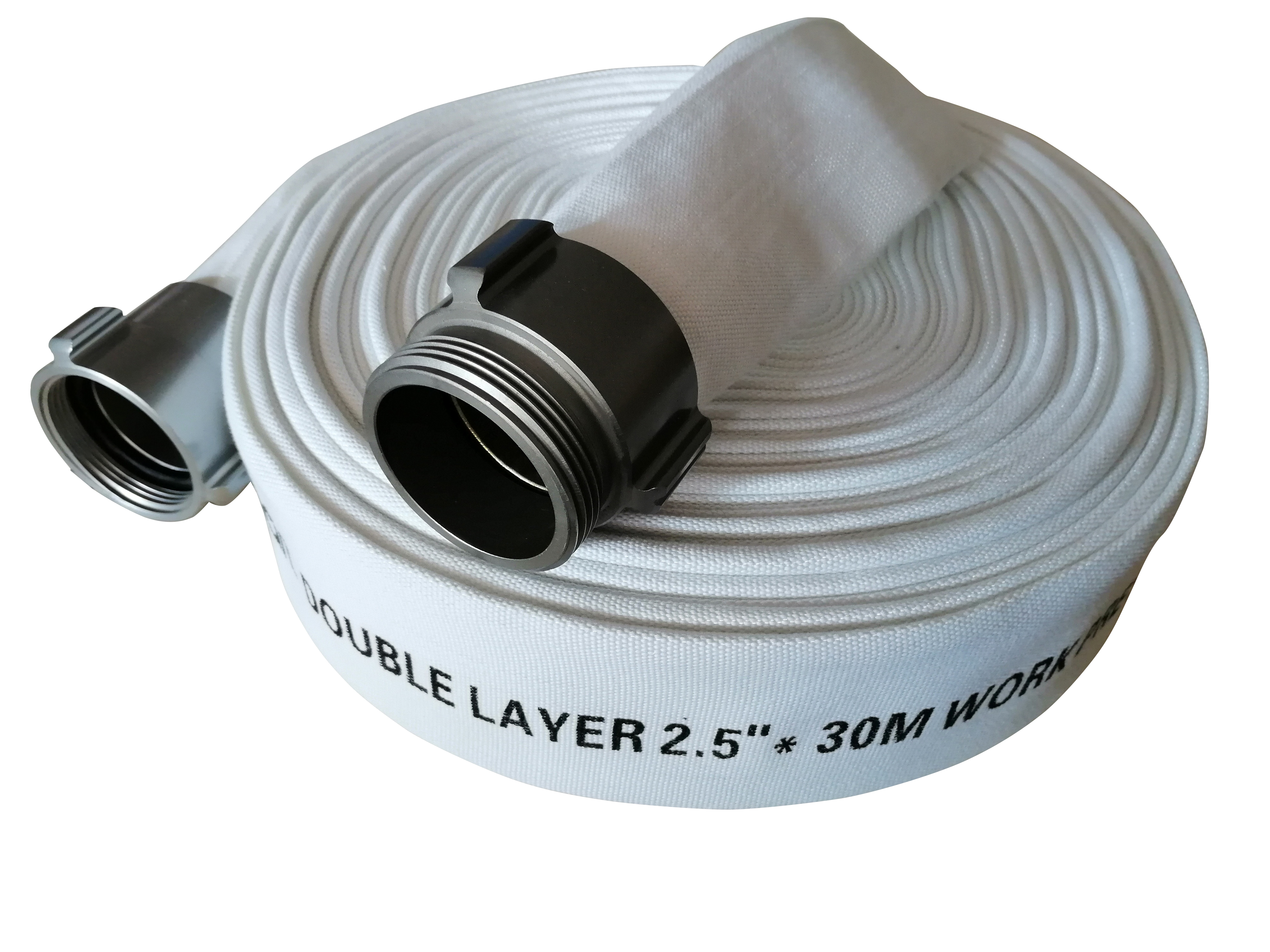
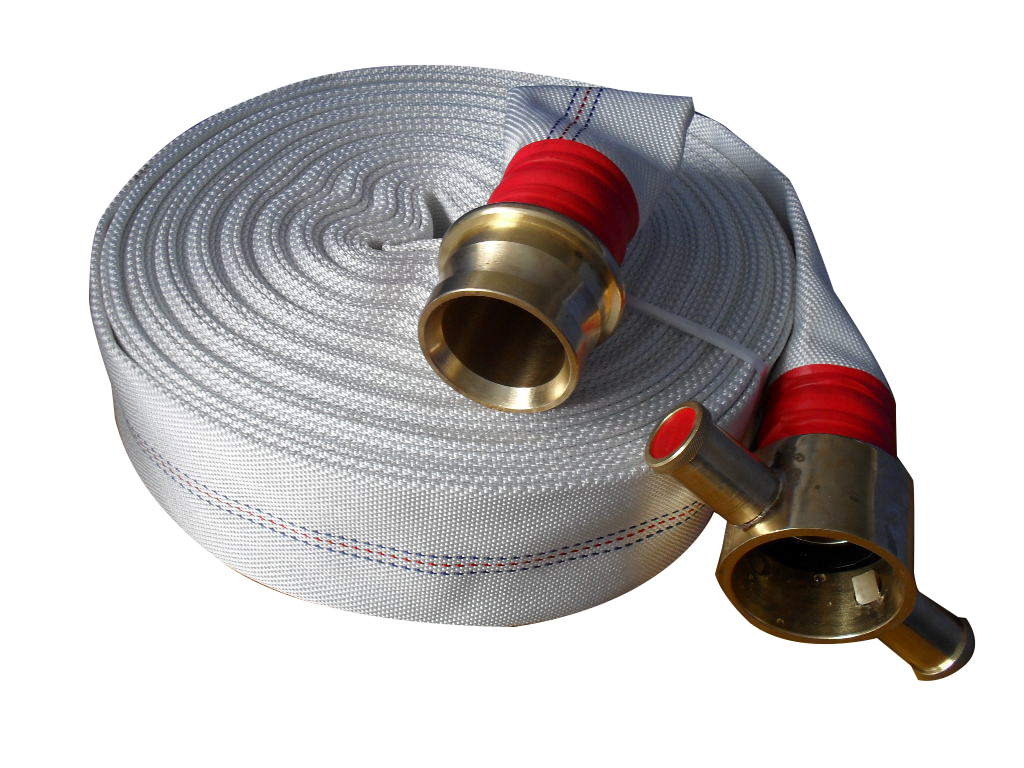
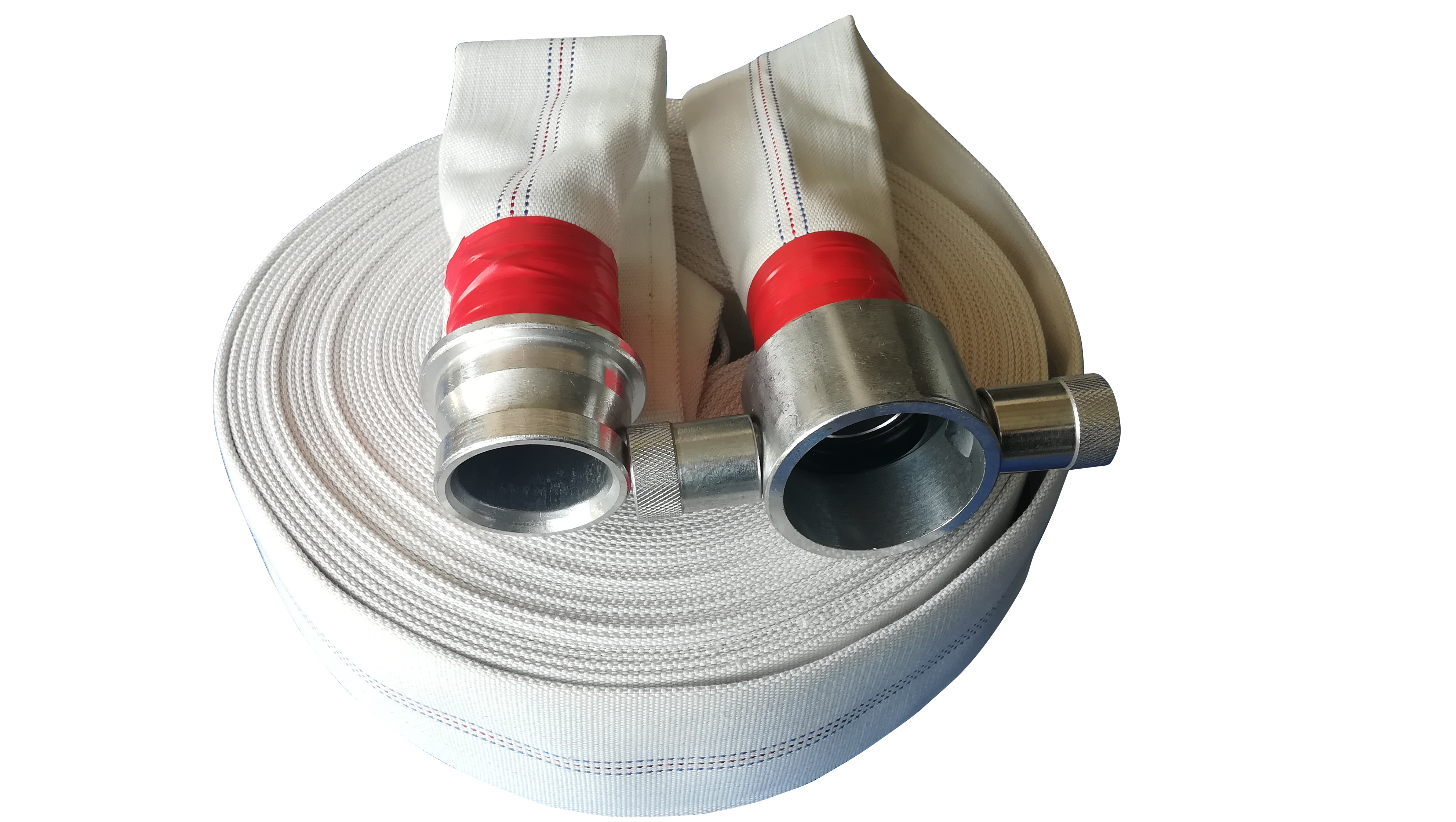
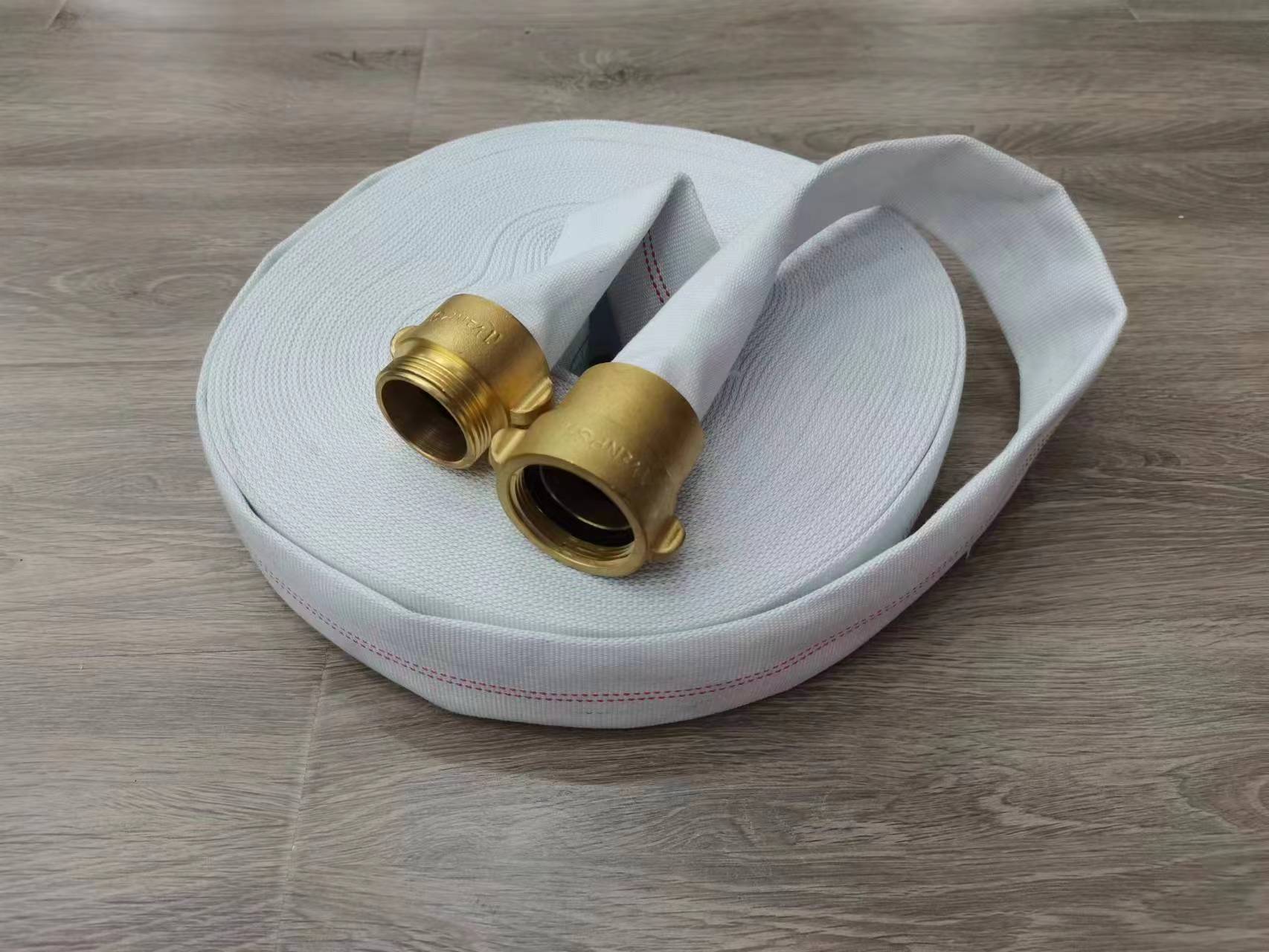
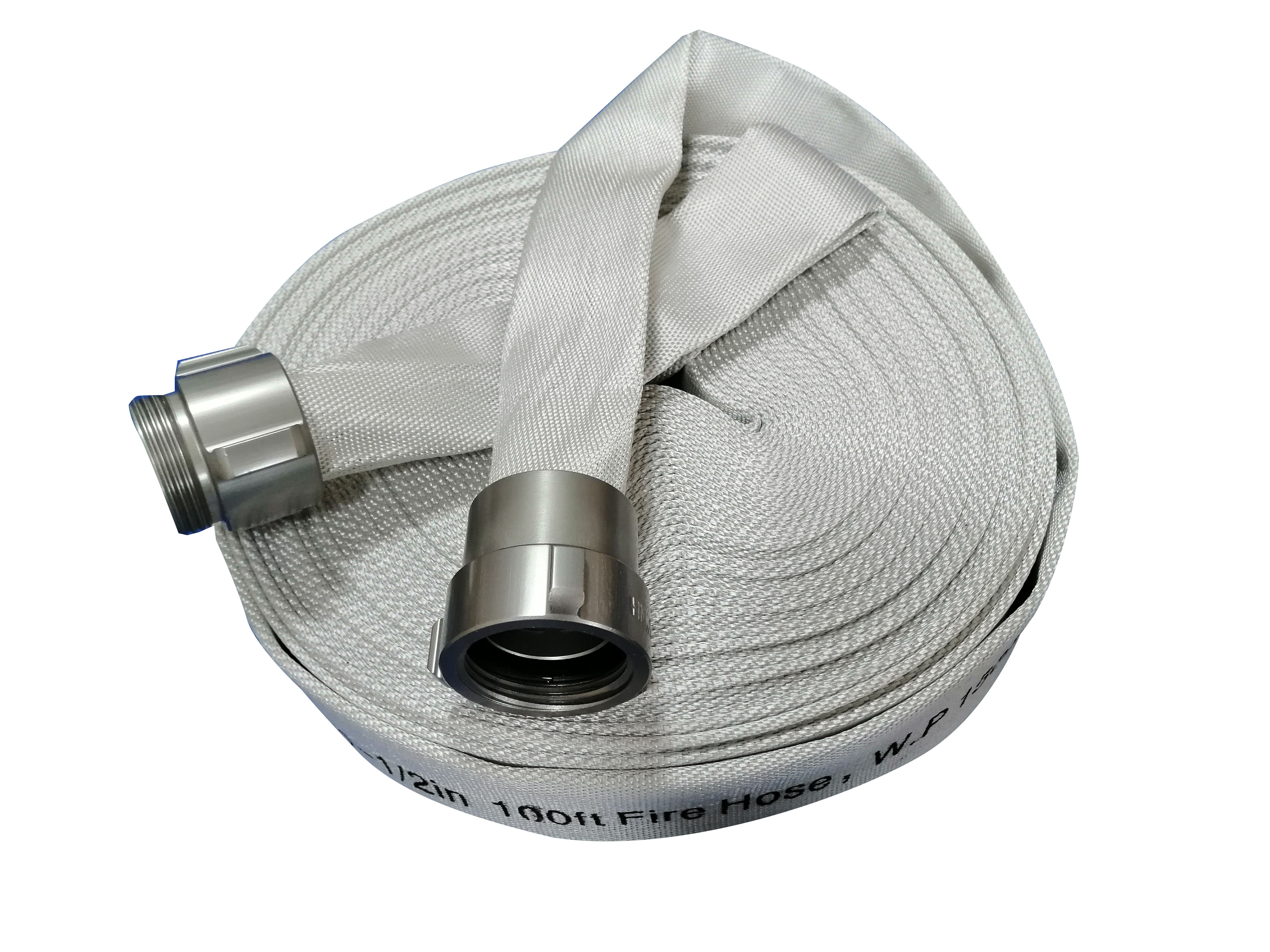
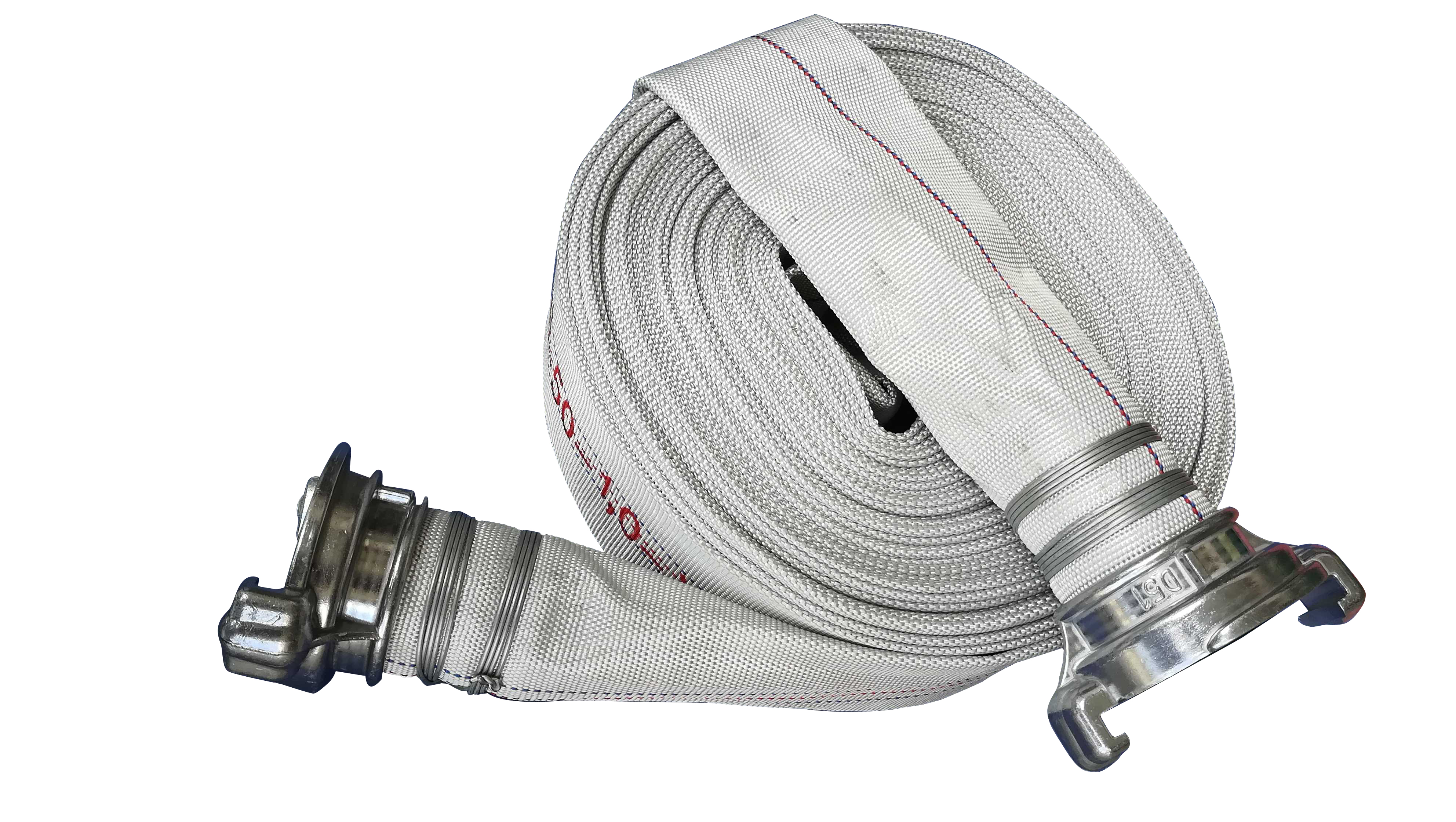
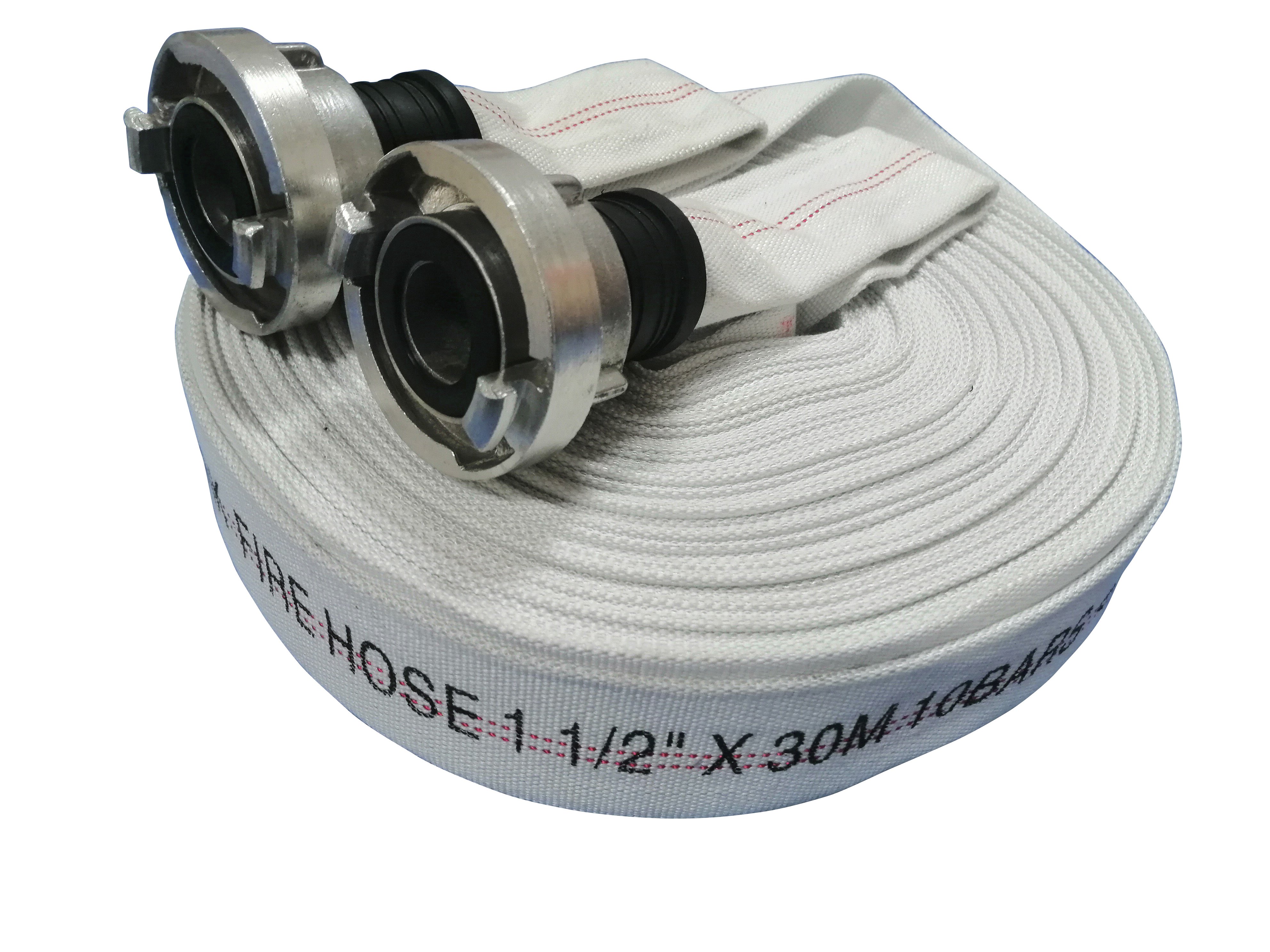
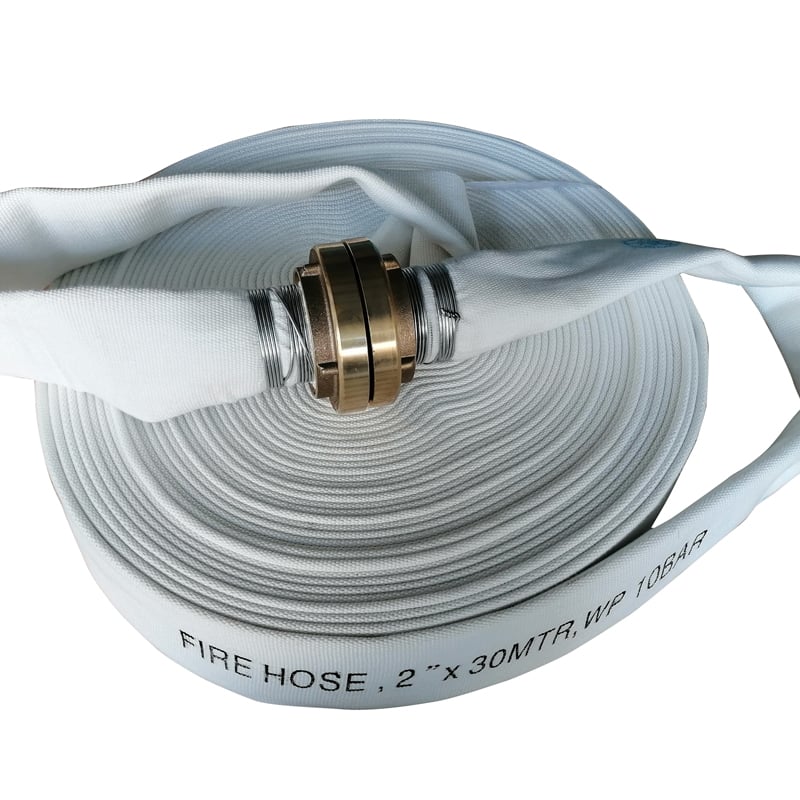
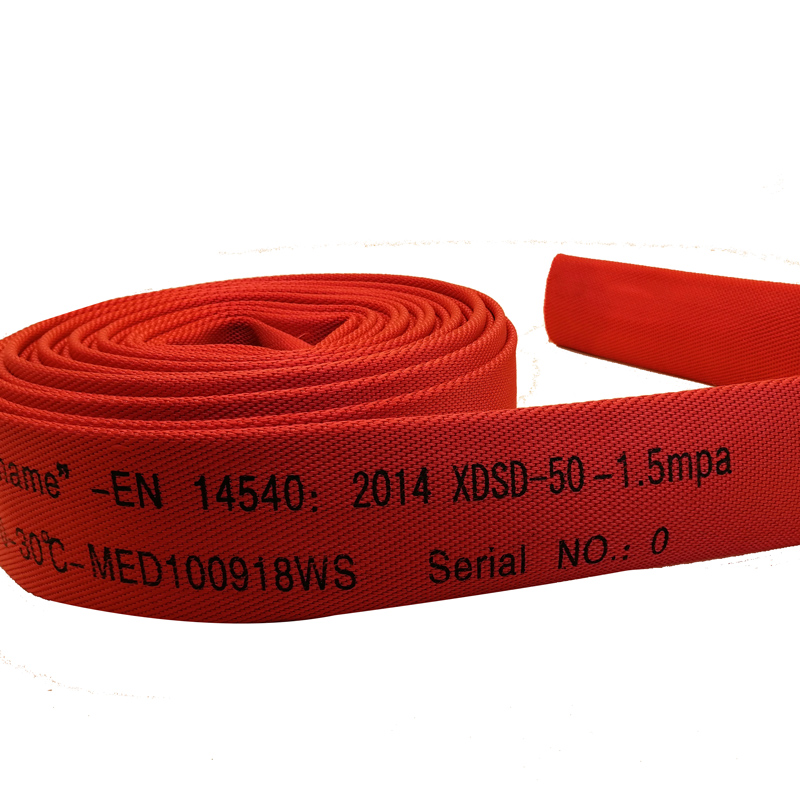
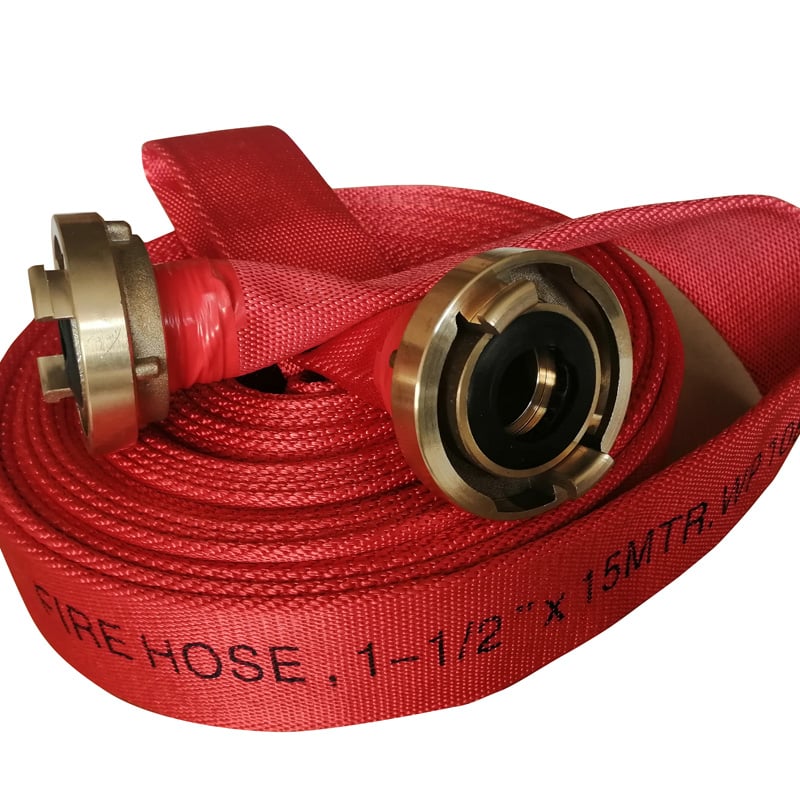
Fire water hoses are critical components in fire safety equipment, designed to deliver water efficiently during emergencies. For purchasing managers, distributors, and engineers, understanding the specifications, sourcing options, and cost factors associated with fire hose is essential for making informed decisions. This article will cover the key specifications to consider, how to source reliable suppliers, the cost factors involved in bulk orders, a step-by-step purchasing approach, and common problems with fire water hoses along with effective solutions.
When selecting fire water hoses, several key specifications must be evaluated to ensure optimal performance:
Material Composition: Fire water hoses are commonly made from materials like PVC, rubber, or reinforced textile. The choice of material affects durability, flexibility, and resistance to heat and chemicals. For example, hoses made from high-quality rubber can withstand higher temperatures, making them suitable for industrial applications.
Pressure Rating: Each fire water hose comes with a specific pressure rating, typically measured in pounds per square inch (PSI). It is crucial to select a hose that can handle the pressure required for the intended application, as insufficient pressure ratings can lead to failures during use.
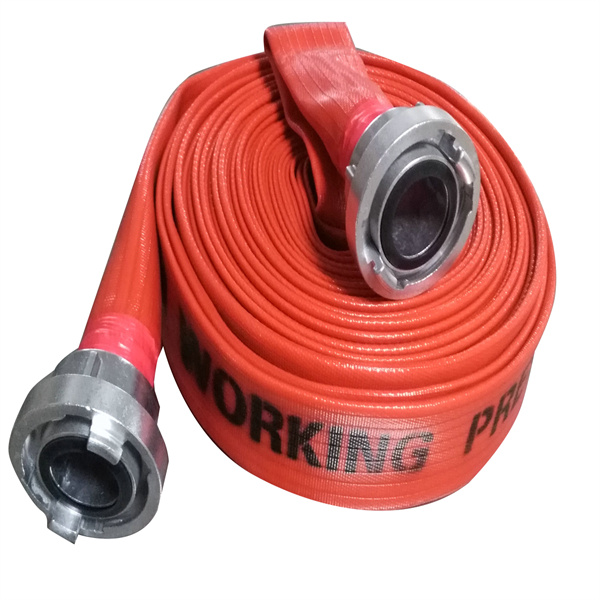
Diameter and Length: The diameter of the hose impacts water flow rate, while length affects reach and maneuverability. Standard diameters include 1 inch, 1.5 inches, and 2.5 inches. The flexible fire hose may be necessary for larger facilities or outdoor applications, but they can also increase the weight and handling difficulty.
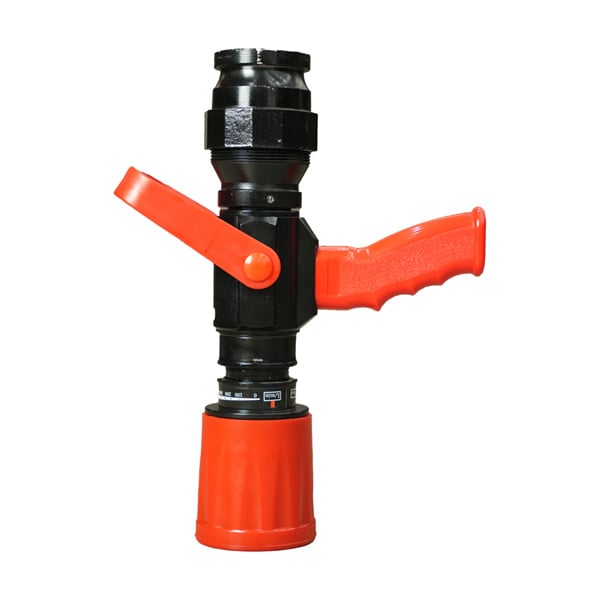
Couplings and Nozzles: Compatibility with couplings and nozzles is essential for seamless integration with existing fire suppression systems. Standard sizes and threading should be verified to avoid leaks or inefficiencies.
Certification and Standards: Ensure that the hoses meet industry standards such as NFPA (National Fire Protection Association) and ISO certifications, as these ensure reliability and safety during use.
Understanding these specifications will help buyers ensure the selected fire water hoses meet their operational requirements and safety standards.
Finding reliable suppliers for fire water hoses requires careful research and consideration. Here are some steps to identify trustworthy suppliers:
Industry Directories: Utilize industry-specific directories and platforms like ThomasNet or Alibaba to find manufacturers specializing in fire safety equipment. Look for companies with established reputations and positive reviews.
Trade Shows and Expos: Attending industry trade shows, such as the Fire Department Instructors Conference (FDIC), provides opportunities to meet manufacturers face-to-face, inspect products, and discuss specifications with experts.
Online Presence and Reviews: Evaluate potential suppliers by reviewing their websites for product offerings, manufacturing capabilities, and certifications. Customer testimonials and case studies can provide insights into their reliability and service quality.
Certification Verification: Ensure that suppliers have relevant certifications and quality control processes in place. This can include ISO certifications or compliance with fire safety standards, which indicate a commitment to quality.
Request Samples: Prior to placing bulk orders, request samples to assess the quality and performance of the hoses. This allows buyers to evaluate factors such as material quality, pressure resistance, and overall durability.
By following these steps, buyers can source fire proof hose from suppliers that align with their quality and performance expectations.
When ordering fire water hoses in bulk, several cost factors should be considered to achieve the best value:
Material Costs: The choice of materials significantly impacts the overall cost. Higher-quality materials may have a higher upfront price but can offer better durability and longevity, reducing replacement costs over time.
Order Quantity: Many suppliers offer tiered pricing structures. Larger orders typically result in lower per-unit costs, so it is beneficial to determine the minimum order quantity (MOQ) that aligns with budget constraints and storage capabilities.
Customization: If customization is required—such as specific lengths, colors, or branding—this may incur additional costs. It’s essential to discuss customization options with suppliers early in the negotiation process.
Shipping and Handling: Consider the logistics of shipping, including costs associated with transportation and delivery. Shipping costs can vary based on distance, order size, and packaging requirements.
Quality Assurance: Investing in quality assurance processes, such as third-party testing and certification, may add to the initial expense but can prevent costly failures in the future.
Understanding these cost factors enables buyers to budget effectively and negotiate better terms with suppliers.
A structured approach to purchasing fire water hoses can streamline the decision-making process:
Define Requirements: Clearly outline the specifications, including material, pressure ratings, lengths, and any customization needs. Consider the specific application to ensure the chosen hoses meet operational requirements.
Research Suppliers: Use the methods outlined in the previous section to identify potential suppliers. Make a shortlist based on reliability, product offerings, and industry reputation.
Request Quotes: Reach out to selected suppliers with detailed specifications to request quotations. Ensure to ask about lead times, MOQ, and any additional costs associated with customization or shipping.
Evaluate Samples: Upon receiving samples, conduct thorough evaluations based on the specifications defined earlier. Consider factors such as flexibility, weight, and pressure performance.
Negotiate Terms: Once a supplier is chosen, negotiate pricing, payment terms, and delivery schedules. Ensure that all agreements are documented to avoid misunderstandings.
Place Order: After finalizing the terms, place the order and maintain communication with the supplier throughout the manufacturing and shipping process.
Quality Inspection: Upon receiving the order, inspect the hoses to ensure they meet the agreed specifications. Check for any visible defects, and test a few samples under operational conditions if possible.
Following this step-by-step approach can help buyers make informed decisions and secure reliable fire water hoses for their needs.
With an annual production capacity of 10 million meters of fire hose and 7,000 sets of fire hydrant boxes, the company demonstrates its ability to meet large-scale demands efficiently. The product range is extensive, including lined fire hoses (single and double jacket), double-coated fire hoses, fire hose reels, plastic-coated hoses, spray fire hoses, garden hoses, and specialized nozzles and couplings that meet various international standards. This diversity allows the company to cater to a wide array of customer needs across different markets.
Jiangsu Nantong Longtao Fire-Hose Group Co., Ltd. is officially recognized by the Ministry of Public Security as a designated enterprise for the production of fire hoses, fire hydrants, and fire boxes. This designation underscores the company's compliance with stringent national standards and its commitment to producing high-quality fire safety equipment. Being a government-designated enterprise also reflects the company's reliability and trustworthiness in the industry.
The company places a strong emphasis on quality, which is fundamental to its survival and success. It is dedicated to the manufacturing, production, and research and development of fire-fighting equipment, including custom-made solutions for domestic and foreign professional fire brigades. The company holds multiple patent certificates for its independently developed intellectual property products, showcasing its innovative capabilities and commitment to advancing fire safety technology.
Jiangsu Nantong Longtao Fire-Hose Group Co., Ltd. has successfully exported its high-quality products to numerous countries, including the United States, Germany, Italy, Russia, South Korea, Japan, Vietnam, and the Middle East. The company adheres to a customer-first philosophy, offering high-quality, cost-effective products and services. Its commitment to honest cooperation and mutual benefit ensures long-term partnerships and a win-win situation for both the company and its clients. This global presence and customer-centric approach highlight the company's ability to compete and thrive in the international market.
Even high-quality fire water hoses can encounter issues that affect performance. Here are some common problems and their solutions:
Kinking and Twisting: Hoses may kink or twist during use or storage, impeding water flow. To prevent this, ensure proper storage methods, such as using hose reels or hangers that maintain the hose’s shape and avoid sharp bends.
Leaking Couplings: Loose or damaged couplings can lead to leaks at connection points. Regularly inspect couplings for wear and ensure they are properly tightened. Consider using thread sealant to enhance the seal.
Abrasion and Wear: Hoses can suffer from abrasion, especially in rugged environments. Select hoses with reinforced outer layers that provide additional protection against wear. Regular inspections can help identify signs of damage early.
Temperature Sensitivity: Extreme temperatures can affect hose performance. Ensure that the selected hoses are rated for the temperature conditions of the intended application, and avoid exposing them to temperatures outside their specified range.
Poor Maintenance: Neglecting maintenance can lead to reduced performance and lifespan. Implement a regular maintenance schedule that includes cleaning, inspection, and testing for leaks or damage.
By anticipating these common issues and implementing effective solutions, buyers can ensure the longevity and reliability of their fire water hoses.

Welcome to Jiangsu Nantong Longtao, we are a leading manufacturer specialize in fire hoses, fire hydrants and fire boxes.
No.888 Renmin South Road, Dayu Town,Rudong County, Nantong City, Jiansu Province
Copyright © EVERBRIGHT FIRE-FIGHTING EQUIPMENT(NANTONG)CO., LTD. All Rights Reserved
 EN
 AR
 FR
 DE
 KO
 CS
 DA
 NL
 FI
 EL
 IT
 JA
 NO
 PL
 PT
 RO
 RU
 ES
 SV
 TL
 IW
 ID
 LV
 LT
 SR
 SK
 SL
 UK
 SQ
 ET
 HU
 TH
 TR
 FA
 AF
 IS
 MK
 KA
 UR
 BN